
Gamification in education is transforming how we engage students, making learning more interactive and enjoyable. By incorporating game-like elements into the classroom, we can inspire students to participate actively and enhance their learning experiences. Read Interesting article: Unlock Learning: How Gamification Transforms Education Today
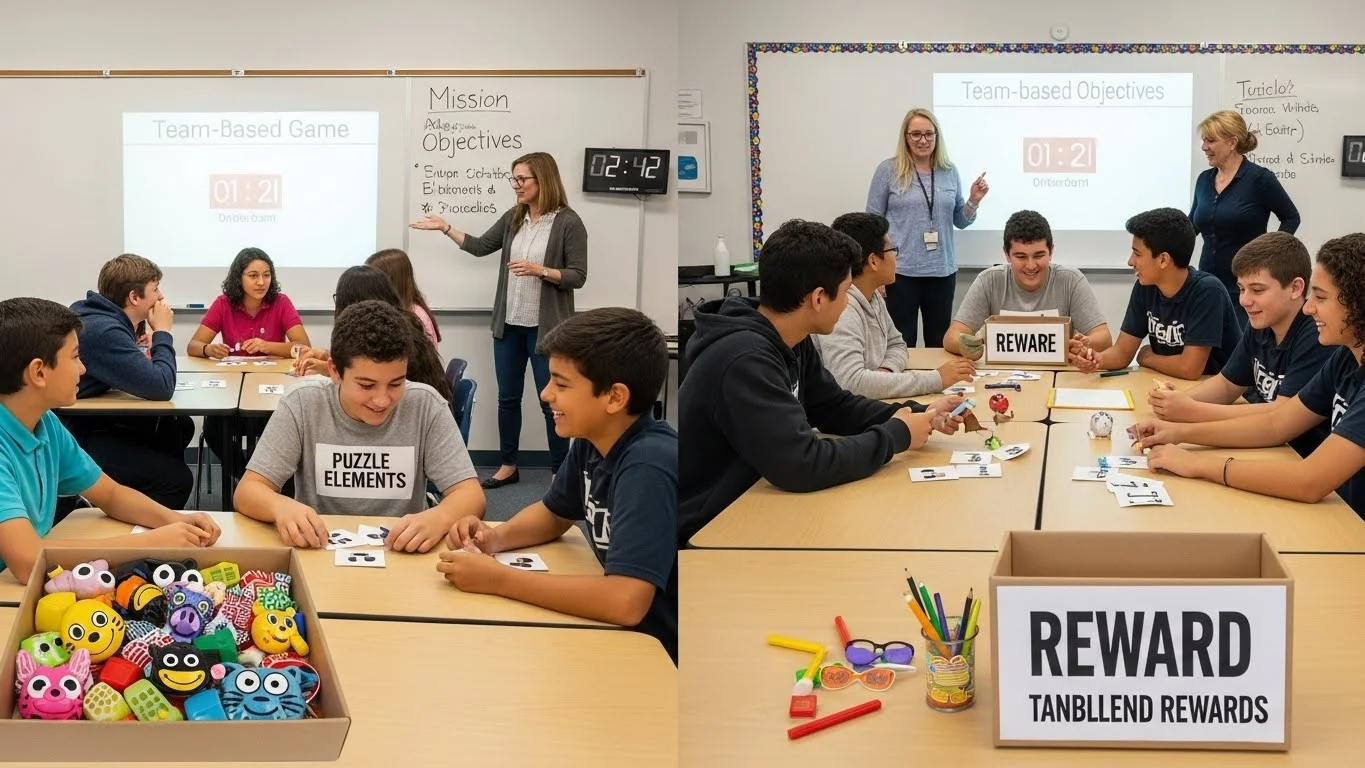
Understanding Gamification in Education
Definition of Gamification
Gamification refers to the integration of game mechanics and design principles into non-game contexts, particularly education. I remember the first time I encountered this concept; I was fascinated by how something as simple as points, badges, and leaderboards could create a buzz in the classroom. It’s about using game-like elements to motivate students by tapping into their innate desire for competition, achievement, and social interaction.
History and Evolution of Gamification in Learning
The roots of gamification can be traced back to the early 2000s, but it wasn’t until the 2010s that it gained significant traction in educational settings. I’ve seen this shift firsthand as technology began to play a more prominent role in our classrooms. Initially, many educators were hesitant about gamifying their lessons, worried that it might distract students from learning. However, as more research emerged showing the positive effects of gamification on motivation and engagement, many of us started to embrace it. I found it exciting to witness how gamification evolved from simple point systems to more complex designs that incorporate storytelling and collaboration.
Benefits of Gamification for Student Engagement
From my experience, the benefits of gamification in education are vast. I’ve noticed that when students are engaged in a gamified environment, they are more likely to participate actively. Here are a few key benefits:
- Increased Motivation: By introducing rewards and recognition, students feel more motivated to complete tasks. I’ve observed that a little competition can go a long way in pushing students to strive for better results.
- Enhanced Retention: Gamified lessons often lead to better retention of information. When I’ve used games to teach complex subjects, students tended to remember the material longer and more effectively.
- Collaboration and Social Interaction: Gamification encourages teamwork. I remember hosting a gamified project where students had to work in groups, and the collaboration helped build stronger relationships among classmates.
- Immediate Feedback: Game mechanics allow students to receive instant feedback on their progress, which can be incredibly motivating. I’ve seen students light up when they earn a badge or complete a level, knowing they’re on the right track.
These benefits illustrate why I believe gamification is a powerful tool in the classroom. It not only makes learning fun but also fosters an environment where students can thrive and grow both academically and socially. I often reflect on how my teaching style has shifted because of gamification; the energy in the room is palpable, and the excitement is infectious. We, as educators, have the opportunity to harness that energy to create more meaningful learning experiences.
As we dive deeper into the strategies that make gamification effective, it’s essential to remember that the goal is to enhance learning, not overshadow it with competition. Balancing fun and educational value is key. In my experience, when students see learning as a game, they engage with the material on a deeper level, and that’s where real learning happens. The journey of incorporating gamification into my lessons has been enlightening, and I can’t wait to share more about the core strategies that can make a significant difference in our classrooms.
Core Gamification Strategies
Point Systems and Rewards
One of the most fundamental aspects of gamification is the use of point systems and rewards. I remember the first time I introduced a point system in my classroom; it was like flipping a switch. Students were instantly more engaged. They earned points for completing assignments, participating in discussions, and helping their peers. The excitement in the room was palpable as they competed to reach certain point thresholds for rewards. I’ve found that tangible rewards, like extra credit or small prizes, can really motivate students. It’s fascinating to see how something as simple as a point can ignite a spark of enthusiasm for learning. Read Interesting article: Top Gamification Tools for Engaging Students Effectively
Leaderboards and Competition
Another strategy I found effective is incorporating leaderboards. I noticed that many students thrive on competition. By displaying a leaderboard, students can see their standings and strive to improve. I once had a student who was usually quiet and reserved, but when he saw his name climbing the leaderboard, it transformed him. He became more vocal, actively participating just to see his name rise. However, I’ve learned that it’s important to create a supportive environment where competition feels friendly rather than cutthroat. Encouraging students to celebrate each other’s achievements fosters a sense of community while still pushing them to excel.
Badges and Achievements
Badges are another fantastic way to gamify learning. I love how they provide a visual representation of a student’s achievements. I created a badge system for different skills—like critical thinking, creativity, and teamwork. When students earned a badge, I could see their pride beaming on their faces. This recognition not only motivates them but also fosters a growth mindset. I often remind my students that it’s okay to fail; each failed attempt is just a step closer to earning that badge. It’s rewarding for them to have something tangible to work towards, which reinforces their learning journey.
Quests and Challenges
Creating quests or challenges has been one of my favorite ways to engage students. I design lessons around a central quest, where students must solve problems or complete tasks to advance. For instance, I once created a science quest where students had to “save the planet” by learning about environmental issues. They completed various challenges, from researching sustainable practices to presenting their findings to the class. The energy during this project was incredible! Students collaborated, shared ideas, and felt a sense of purpose. It’s amazing how a narrative can transform a regular lesson into an adventure.
Interactive Storytelling
Interactive storytelling is another strategy I’ve found to be incredibly effective. We all love a good story, and using narrative to frame lessons can captivate students like nothing else. I’ve started incorporating storytelling elements into my lessons, inviting students to contribute to the plot. For example, in a history lesson, I might set up a scenario where students become historical figures navigating a pivotal event. They must make decisions based on their character’s perspective. This immersive experience not only makes learning enjoyable but also deepens their understanding of the subject matter. I’ve seen students who usually disengage become fully invested when they feel part of the story.
All of these core strategies highlight how gamification can fundamentally change the learning experience. By applying game mechanics, we are not just teaching; we are creating an environment where students feel empowered to take charge of their own learning. I’ve witnessed firsthand how these strategies can turn a traditional classroom into a vibrant learning community. The journey of implementing these gamification techniques in my teaching has been transformative, and I’m excited to explore how we can further integrate them into our classrooms.
Implementing Gamification in the Classroom
Implementing Gamification in the Classroom
Choosing the Right Gamification Tools
When it comes to implementing gamification in the classroom, selecting the right tools is crucial. I remember when I first started my journey with gamification; I was overwhelmed by the number of options available. From game-based learning platforms to digital badges, the choices can be a bit daunting. What I found helpful was to start small. I recommend looking for tools that align with your teaching style and your students’ needs. For instance, platforms like Kahoot! and Quizizz make it easy to create engaging quizzes that can motivate students. I’ve personally enjoyed using Classcraft, which turns classroom behavior and participation into a game, making it fun and engaging for everyone involved. By experimenting with a few different tools, I discovered which ones resonated best with my students, and that made all the difference. Read Interesting article: Top Digital Learning Tools for Budget Backpackers
Integrating Gamification into Lesson Plans
Integrating gamification into lesson plans can seem like a challenge at first, but I found it to be quite rewarding. I started by identifying the learning objectives for my lessons. Once I had a clear goal, I brainstormed how I could weave in game mechanics. For example, if I was teaching a unit on ecosystems, I might create a quest where students must gather knowledge about different habitats to “save” an endangered species. This adds an element of excitement and purpose to the learning objectives. I also think it’s essential to involve students in the planning process. When I asked for their input on what types of games or challenges they’d enjoy, I noticed a significant increase in their enthusiasm. This collaborative approach not only engaged them but also gave them a sense of ownership over their learning.
Creating a Gamified Learning Environment
The physical classroom environment plays a big role in how effective gamification can be. I’ve learned that transforming my classroom into a gamified space can enhance the overall experience. I often decorate the room with visuals related to the theme of our current quest or challenge. For instance, I might create a “quest board” displaying students’ progress towards their goals and achievements, making it visible and exciting. I also incorporate elements like themed decorations or props that align with the storyline we’re exploring. This not only creates a stimulating atmosphere but also helps students feel like they are part of something bigger. The energy in the room shifts, and I’ve seen students become more invested in their learning as a result.
Adjusting Gamification Strategies for Different Subjects
One of the most important lessons I’ve learned is that different subjects may require different gamification strategies. For example, in a math class, I found that using timed challenges or math games can help reinforce skills while keeping the atmosphere light and fun. On the other hand, in subjects like literature or history, storytelling and quests work really well. I once organized a historical simulation where students took on roles from a specific time period, and it turned into an immersive experience that allowed them to engage deeply with the material. Adapting strategies to fit the subject matter is key. I encourage teachers to be flexible and creative, trying out various approaches until they find what resonates best with their students.
Measuring the Impact of Gamification
Assessment Techniques for Gamified Learning
As I started to implement gamification, I realized it was just as important to measure its impact as it was to introduce it. I’ve found that using a combination of formative and summative assessments can provide a clearer picture of how gamification is influencing student learning. For example, I often use quizzes and interactive challenges to gauge understanding during lessons. Additionally, I encourage self-assessment. When students reflect on their own learning and progress, they become more accountable, and I’ve seen this lead to meaningful growth. By regularly checking in with students and incorporating their feedback, I can adjust my strategies to better meet their needs.
Gathering Student Feedback
Gathering feedback from students is another vital component of measuring the success of gamification. I remember the first time I asked my students how they felt about our new gamified lessons. Their responses were eye-opening! They appreciated the interactive elements and felt more engaged. I often use anonymous surveys or informal discussions to collect their thoughts. I’ve learned that their feedback can guide my future decisions and help me refine my approach. Being open to their suggestions not only fosters a collaborative environment but also shows them that their opinions matter.
Analyzing Engagement Metrics and Academic Performance
Lastly, analyzing engagement metrics alongside academic performance is crucial to understanding the effectiveness of gamification. I track participation rates, completion of assignments, and even behavioral changes in the classroom. I’ve noticed that students who might have been disengaged before are now more active participants. By comparing grades and engagement levels before and after implementing gamified strategies, I can see tangible results. I believe this analysis helps establish a clear link between gamification and improved learning outcomes, which can be motivating for both educators and students alike.
Challenges of Gamification in Education
Potential Drawbacks and Misconceptions
As I began to embrace gamification in my teaching, I quickly recognized that it comes with its own set of challenges. One of the first misconceptions I encountered was the idea that gamification is just about playing games. I remember discussing this with colleagues who believed that incorporating gaming elements would mean sacrificing academic rigor. This couldn’t be further from the truth! I’ve learned that, when implemented thoughtfully, gamification enhances learning rather than detracts from it. However, it’s essential to address misconceptions head-on and educate both students and fellow educators about the true purpose of gamification.
Another drawback I experienced was the risk of creating an overly competitive environment. While competition can motivate students, I realized it could also discourage them if not managed correctly. I had to be careful to create a supportive atmosphere where all students feel valued and recognized, regardless of their standing on a leaderboard. Encouraging collaboration and celebrating individual progress, rather than just competition, helped mitigate this issue.
Balancing Fun and Educational Value
Finding the right balance between fun and educational value can be tricky. I’ve sometimes found myself caught up in the excitement of creating engaging activities and challenges, only to realize that I may have strayed from the core educational objectives. This taught me to always keep my learning goals at the forefront of my planning. I regularly check in with myself to ensure that the gamified elements I’m using serve to reinforce the learning outcomes and do not overshadow them. I believe that if we lose sight of the educational purpose behind gamification, we risk diminishing its effectiveness.
Overcoming Resistance from Educators and Students
Resistance is another hurdle I’ve encountered while promoting gamification. Some educators were skeptical about its effectiveness, insisting that traditional methods were sufficient. I learned that sharing success stories and evidence from research helped persuade some of my colleagues to give gamification a try. I also found that it’s crucial to foster a culture of experimentation among educators. When we support one another in trying new methods, we create an environment that’s more open to innovation.
On the student side, I once had a group that was initially resistant to gamified learning. They were used to traditional teaching methods and were hesitant to engage in “playful” activities. I decided to slowly introduce gamification, starting with small elements like points and badges. Gradually, their excitement grew as they started to see the benefits. This taught me the importance of patience and gradual implementation. It’s about meeting students where they are and helping them see the value in a new approach.
Case Studies of Successful Gamification
Elementary School Examples
In one elementary school I studied, teachers implemented a gamified reading program where students could earn badges for completing books and participating in discussions. I was amazed to see how this simple approach transformed reluctant readers into enthusiastic participants. The excitement around earning badges motivated students to explore new genres and share their thoughts with peers.
Middle School Success Stories
At a middle school, I learned about a science teacher who created a quest-based curriculum. Students were tasked with completing missions related to scientific concepts, such as “rescuing” endangered species by learning about their habitats and conservation efforts. The hands-on, immersive experience captivated students, leading to higher engagement and retention rates. It was inspiring to see how gamification could connect students to real-world issues.
High School and College Initiatives
In a high school setting, I discovered a history teacher who turned their classroom into a game-like environment, using role-playing activities to simulate historical events. Students took on different roles and debated historical decisions, which not only deepened their understanding of complex topics but also fostered critical thinking skills. In college, I found a professor who employed gamified assessments, allowing students to choose their own adventure through course material, resulting in increased motivation and ownership of their learning.
Future Trends in Gamification for Education
Technological Advancements Impacting Gamification
Looking ahead, I’m excited about the technological advancements that will further enhance gamification in education. The integration of artificial intelligence and machine learning can personalize learning experiences, tailoring challenges to each student’s ability level. This could help keep students engaged and motivated, as they would receive tailored feedback and support.
The Role of Virtual and Augmented Reality
Virtual and augmented reality are also set to make waves in gamified education. I envision classrooms where students can explore historical sites through immersive experiences or conduct science experiments in a virtual lab. These tools could provide students with opportunities to learn in ways we could only dream of a few years ago, making lessons even more engaging and memorable.
Potential for Personalized Learning Experiences
The potential for personalized learning experiences through gamification is truly exciting. I believe that as we continue to refine our approaches, we’ll see more options for students to choose their learning paths. This could lead to a more inclusive and diverse educational landscape, where every student can thrive according to their strengths and interests.
Final Thoughts
Reflecting on my journey with gamification, I realize just how much it has transformed my teaching and my students’ learning experiences. The blend of fun, engagement, and education has made a significant impact on motivation and achievement in the classroom. While I acknowledge the challenges that come with gamifying education, I firmly believe that the benefits far outweigh them. As we continue to explore innovative ways to engage students, I’m excited about the future of learning and the role gamification will play in shaping it. Let’s keep pushing the boundaries of traditional education and embrace the possibilities that gamification offers!
Frequently Asked Questions
What is gamification in education?
Gamification in education refers to the integration of game mechanics and design principles into non-game contexts, particularly to enhance student engagement and motivation by using elements like points, badges, and leaderboards.
When did gamification begin to gain popularity in education?
Gamification began to gain significant traction in educational settings during the 2010s, though its roots can be traced back to the early 2000s.
What are some benefits of gamification for student engagement?
Some key benefits of gamification include increased motivation, enhanced retention of information, improved collaboration and social interaction among students, and immediate feedback on their progress.
What are some core strategies used in gamification?
Core strategies in gamification include point systems and rewards, leaderboards and competition, badges and achievements, quests and challenges, and interactive storytelling.
How can teachers implement gamification in the classroom?
Teachers can implement gamification by choosing the right tools, integrating gamification into lesson plans, creating a gamified learning environment, and adjusting strategies according to different subjects.
What assessment techniques can be used to measure the impact of gamification?
Assessment techniques for gamified learning can include a combination of formative and summative assessments, self-assessment from students, and gathering feedback to evaluate engagement and academic performance.
What challenges might educators face when implementing gamification?
Challenges include misconceptions about gamification being solely about games, creating an overly competitive atmosphere, balancing fun with educational value, and overcoming resistance from both educators and students.
Can you provide examples of successful gamification in different educational settings?
Yes, examples include an elementary school reading program where students earn badges, a middle school science quest-based curriculum, and high school role-playing activities for history lessons, all of which significantly increased student engagement and understanding.
What future trends are expected in gamification for education?
Future trends in gamification may include advancements in technology such as AI and machine learning for personalized learning, and the use of virtual and augmented reality to create immersive educational experiences.
What is the overall impact of gamification on teaching and learning?
The overall impact of gamification has been transformative, creating a more engaging and fun learning environment that enhances motivation and achievement among students, while also enriching the teaching experience.