
Traveling while maintaining a gluten-free diet can be a challenge, but with the right tips and strategies, it can also be an exciting adventure. Join me as we explore how to navigate gluten-free travel on a budget. Read Interesting article: Healthy Snack Alternatives: Keep Kids Energized While Traveling
Understanding Gluten-Free Travel
What is Gluten-Free Travel?
Gluten-free travel means exploring the world while avoiding gluten, a protein found in wheat, barley, and rye. For those of us with celiac disease or gluten sensitivity, this isn’t just a preference; it’s a necessity. Gluten can trigger a range of uncomfortable symptoms, from digestive issues to fatigue. I remember my first gluten-free trip, where I had to carefully consider every meal, but it opened my eyes to how delicious and diverse gluten-free options can be around the world.
Importance of Gluten-Free Diet for Travelers
Maintaining a gluten-free diet while traveling is crucial for our health and enjoyment. It’s not just about avoiding discomfort; it’s about making the most of our experiences without the worry of getting sick. I’ve learned that by planning ahead, I can explore local cuisines and still stick to my dietary needs. Whether it’s discovering gluten-free pasta in Italy or enjoying rice-based dishes in Asia, there’s a world of flavors waiting for us. Read Interesting article: Budget-Friendly Toddler Meal Planning for Traveling Families
Common Gluten-Free Misconceptions
Many people believe that traveling gluten-free limits their culinary experiences. I used to think that too! However, I discovered that many destinations are becoming increasingly aware of dietary restrictions. It’s also a misconception that gluten-free foods are bland or overly processed. In reality, I’ve found some of the most delicious and fresh meals come from gluten-free sources, such as fresh fruits, vegetables, and grains like quinoa and rice. We shouldn’t shy away from trying local dishes; instead, we should embrace the opportunity to ask questions and seek out gluten-free alternatives.
Planning Your Gluten-Free Backpacking Trip
Researching Gluten-Free Destinations
When planning my backpacking trips, I always start by researching destinations that are known for being gluten-free friendly. Countries like Italy, where gluten-free products are widely available, or places like Thailand, known for their rice dishes, can be great options. I often look at travel blogs, forums, and social media groups to find recommendations from fellow travelers. I remember finding a blog post about gluten-free eateries in Barcelona that completely changed my perspective on Spanish cuisine. It’s amazing how much information we can find if we take the time to look!
Choosing Budget-Friendly Accommodations
Finding the right place to stay can make a huge difference in our travel experience. I tend to look for hostels, guesthouses, or Airbnb options with kitchen facilities. This way, I can prepare my own meals and avoid relying solely on restaurants. I once stayed in a hostel with a communal kitchen in Budapest, and it was a game-changer. I could cook simple gluten-free meals with fresh ingredients from the local market while meeting other travelers. Plus, it saved me money!
Essential Apps and Websites for Gluten-Free Travelers
Technology can be a lifesaver when it comes to gluten-free travel. I’ve used apps like “Find Me Gluten Free,” which helps me locate nearby gluten-free restaurants and shops based on user reviews. Another favorite of mine is “Gluten Free Roads,” which provides a directory of gluten-free establishments worldwide. I also recommend checking out local Facebook groups or forums focused on gluten-free living in your destination. These resources can be invaluable for real-time recommendations and tips from locals or fellow travelers who share our dietary needs. Read Interesting article: Traveling with Allergies: A Guide for Backpacking Parents
Budgeting for Gluten-Free Travel
Estimating Daily Costs for Gluten-Free Meals
When I set out to budget for my trips, estimating the cost of gluten-free meals is always a priority. The truth is, it can vary widely depending on the destination. I’ve found that in countries like Italy or France, gluten-free options can sometimes be more expensive due to the specialty ingredients. However, I often spend about $30 to $50 per day on meals, depending on whether I choose to dine out or cook for myself. In places like Southeast Asia, I can get away with spending much less—often about $10 to $20 per day! I always try to check local grocery prices before I arrive, as this helps me gauge what I might spend on food and plan my meals accordingly.
Saving Money on Food While Traveling
One of my favorite strategies for saving money on food while traveling gluten-free is to embrace local markets. It’s an adventure in itself! I remember wandering through a bustling market in Marrakech, where I found fresh fruits, vegetables, and gluten-free grains at fantastic prices. By cooking my own meals, I not only saved money but also got the chance to experience the local culture in a way that dining out often doesn’t offer. Additionally, I try to find accommodations that include breakfast, which helps cut down on my daily costs. In hostels, I’ve sometimes encountered gluten-free options, but even if they only have basic items, I can easily grab some fruit or yogurt to start my day right.
Finding Affordable Gluten-Free Options
During my travels, I’ve learned that it’s essential to be resourceful when searching for affordable gluten-free options. I often look for local eateries that may not specifically advertise as gluten-free but offer naturally gluten-free dishes. For instance, in Mexico, I discovered that many traditional dishes are naturally gluten-free, like corn tortillas and tamales. I’ve also found that many Asian cuisines, particularly Thai and Vietnamese, have a wealth of gluten-free choices, like rice and rice noodles. It’s important to ask about sauces and dressings, as those can sometimes contain gluten. I usually carry a small phrasebook or use translation apps to help communicate my dietary needs, which can unlock hidden gems in the food scene.
Essential Packing Tips for Gluten-Free Backpackers
Snacks and Emergency Supplies
One of the best packing tips I can offer is to bring plenty of gluten-free snacks for the road. I never leave home without my stash of gluten-free granola bars, nuts, and dried fruit. These come in handy during long travel days or when I find myself in a pinch without gluten-free options nearby. On my last trip, I had a few protein bars that saved me when I was stuck in an airport with limited food choices. I also recommend packing a small container of gluten-free flour or instant oatmeal. It’s a versatile option for quick meals or snacks, and I’ve found that it can be a lifesaver in budget accommodations.
Travel-Friendly Gluten-Free Products
I’ve come to appreciate the convenience of travel-friendly gluten-free products. There are great brands that offer gluten-free pasta or rice packets that only require hot water—a perfect solution for hostel kitchens. I’ve even found single-serving packs of gluten-free peanut butter or almond butter that are easy to toss in my bag. These products help me maintain my diet without compromising on flavor or nutrition while on the move. Always check your local stores before you go, as you might find hidden gems that can make your travels smoother.
How to Pack Efficiently on a Budget
When it comes to packing efficiently, I try to keep it simple and light. I invest in a good quality backpack that has enough space for my essentials but isn’t too bulky. I learned the hard way that overpacking can lead to unnecessary expenses, especially with budget airlines charging for extra baggage. I roll my clothes to save space and keep my snacks in easy-to-reach pockets. I also recommend bringing a refillable water bottle, which not only helps save money but also keeps me hydrated on the go. Planning my outfits around a few key pieces helps me be prepared for different occasions while avoiding extra weight.
Navigating Foreign Cuisines
Identifying Gluten-Free Options in Different Countries
Understanding how to identify gluten-free options in different countries has been an essential part of my travel experience. I’ve learned that menus can vary greatly, and sometimes, dishes that sound safe might contain hidden gluten. For example, I once ordered a seemingly harmless salad in Greece, only to find it topped with croutons! I’ve found that research is vital; knowing how to say “gluten-free” in the local language or looking for local dietary practices can be a big help. It’s also a good idea to check out local food blogs or websites that highlight gluten-free eateries and options.
Common Gluten-Containing Ingredients to Avoid
During my travels, I’ve become familiar with common gluten-containing ingredients that pop up in many cuisines. Soy sauce is a big one; it often contains wheat, so I typically ask for gluten-free alternatives, like tamari. Other hidden sources of gluten can include breadcrumbs, certain sauces, and even some processed foods. I’ve learned to read labels closely and don’t hesitate to ask restaurant staff about specific ingredients. Becoming aware of these common pitfalls has empowered me to make better choices when dining out.
How to Communicate Your Dietary Needs
Communicating my dietary needs is a crucial skill I’ve honed over the years. I often carry a small card that explains my gluten-free requirements in the local language. This has helped me avoid misunderstandings in restaurants. I remember dining in a small tavern in Italy, and the waiter was eager to accommodate me once I showed him my card. I also find it helpful to explain my condition briefly and share that I need to avoid gluten for health reasons. Most people are understanding and willing to help, especially when they see I’m making an effort to communicate.
Popular Gluten-Free Destinations for Backpackers
Europe: Best Cities for Gluten-Free Travelers
Europe has always been close to my heart, and I’ve found it to be surprisingly accommodating for gluten-free travelers. Cities like Rome and Florence have a plethora of gluten-free options, from dedicated pizzerias to pasta shops. I remember wandering through the streets of Rome, where I stumbled upon a small restaurant specializing in gluten-free pizza. The owner was so passionate about his craft, and I think that enthusiasm made the meal even more enjoyable!
Another gem is Berlin, which has a vibrant food scene. There are numerous gluten-free eateries scattered throughout the city, and many restaurants are well-versed in handling dietary restrictions. I once enjoyed a delightful gluten-free breakfast at a café that offered everything from pancakes to fresh smoothies, all while chatting with locals who were eager to share their favorite spots. Paris, too, has seen a rise in gluten-free bakeries, where I indulged in some of the best pastries without worrying about gluten. I’ve learned that with a little research, we can find excellent gluten-free options in even the most traditional settings.
Asia: Top Gluten-Free Friendly Locations
Asia might seem like a challenging destination for gluten-free travelers, but my experiences have shown otherwise. Places like Thailand and Vietnam are rich in naturally gluten-free dishes. I absolutely loved my time in Chiang Mai, where the local cuisine is centered around rice, fresh vegetables, and flavorful herbs. Street vendors often sell rice-based dishes, and I’ve easily found options that fit my diet. I remember trying a delicious papaya salad, and I was amazed at how fresh and vibrant the flavors were.
In Japan, while there can be some challenges due to soy sauce, I’ve discovered that many restaurants offer gluten-free alternatives or can prepare dishes without gluten upon request. I’ve also enjoyed gluten-free sushi made with rice and fresh seafood, which was a delightful experience. I usually try to learn a few key phrases in the local language to communicate my dietary needs, and this has opened doors to some fantastic meals. Overall, I believe Asia has so much to offer for those of us avoiding gluten.
North America: Affordable Gluten-Free Spots
When it comes to North America, I’ve found that cities like Austin and Portland are fantastic for gluten-free travelers. Austin is known for its food trucks, and many of them offer gluten-free options that are both affordable and delicious. I remember grabbing a gluten-free taco from a food truck and being blown away by the flavor and freshness. It’s such a fun way to experience local culture while sticking to my dietary needs.
Portland, on the other hand, has a thriving gluten-free community, with several dedicated restaurants and bakeries. I had an amazing gluten-free breakfast at a local café that made its own gluten-free bread—something I never thought I’d find! In Canada, cities like Vancouver and Toronto have also become increasingly accommodating, with a variety of gluten-free menus popping up in restaurants. I always keep an eye out for local guides or community boards that highlight gluten-free options, as they often lead me to hidden treasures.
Eating Out on a Budget
Finding Gluten-Free Restaurants
When I’m traveling on a budget, finding gluten-free restaurants can seem daunting, but I’ve picked up a few tricks along the way. I start by using the “Find Me Gluten Free” app, where I can filter options based on user reviews and proximity. This has guided me to some fantastic eateries that I wouldn’t have found otherwise. I also enjoy checking out local food blogs for recommendations. For instance, I once found a blog dedicated to gluten-free dining in Barcelona, which led me to a cozy little tapas bar with amazing gluten-free options.
Another strategy I use is to look for restaurants that focus on whole, fresh ingredients. Places that specialize in farm-to-table dining often have gluten-free dishes and are more accommodating of dietary restrictions. I remember having an incredible meal in a restaurant focused on fresh, local produce in Costa Rica, where I was able to enjoy a delightful gluten-free salad bursting with flavors.
Street Food and Local Markets
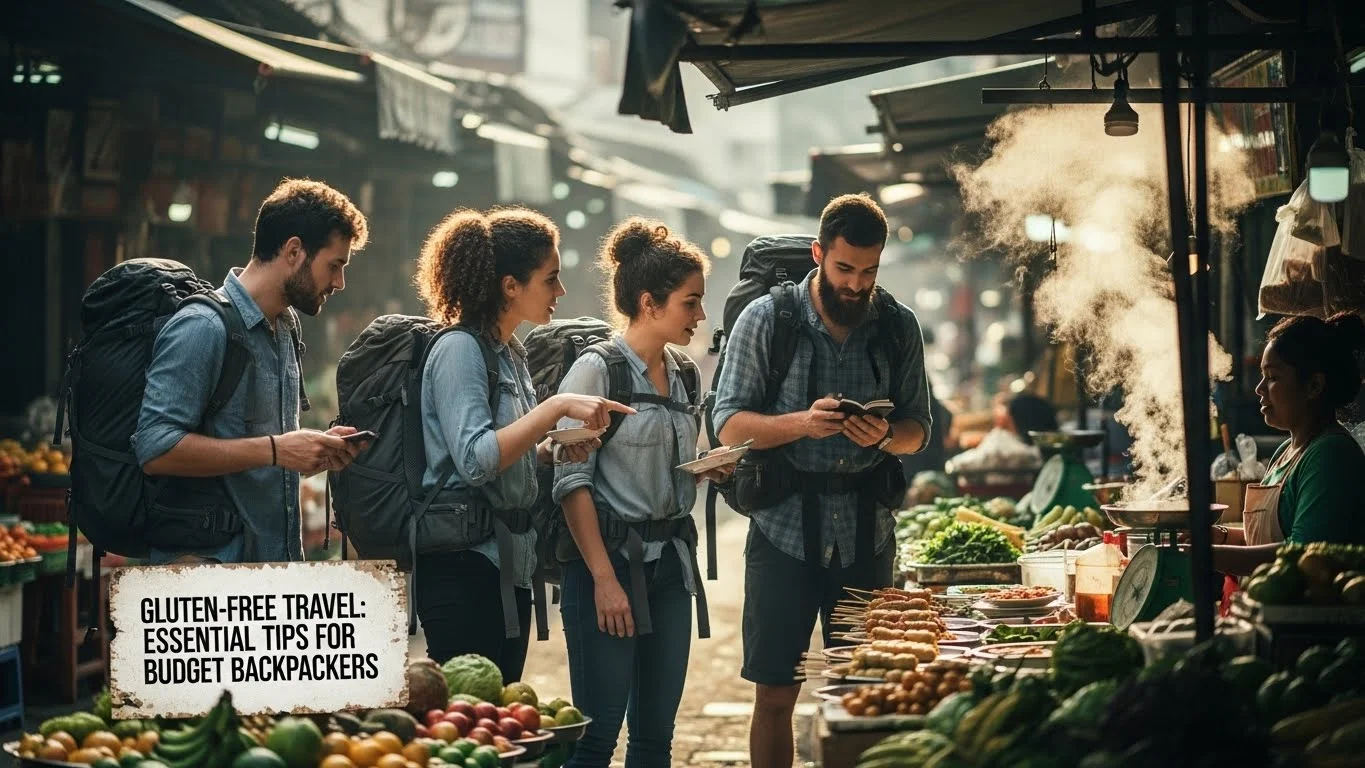
Street food can be one of the best ways to experience a destination’s culture while traveling gluten-free. I often look for vendors offering naturally gluten-free options, like corn tortillas, grilled meats, or rice dishes. In Mexico, I had the most incredible tacos made with corn tortillas—simple yet packed with flavor! Local markets are another favorite of mine; I love exploring them and finding fresh produce, gluten-free snacks, and sometimes even ready-to-eat meals. I think there’s something special about immersing myself in the local food scene this way. I remember spending hours browsing a market in Thailand, where I found fresh mango and sticky rice that made for the perfect afternoon snack.
Cooking Your Own Meals While Traveling
Cooking my own meals has not only saved me money but has also been an enjoyable part of my travel experience. I usually try to find accommodations with kitchen facilities, as it allows me to prepare gluten-free meals with local ingredients. I remember staying at a hostel in Lisbon where I made a delicious stir-fry with fresh vegetables and gluten-free noodles I found at a nearby store. It was a wonderful way to unwind after a day of exploring, and I got to enjoy a nourishing meal without the worry of cross-contamination.
I also love visiting local grocery stores to see what gluten-free products they have. It’s always exciting to discover new snacks or ingredients that I can incorporate into my meals. Plus, cooking gives me the chance to connect with fellow travelers who might want to join in on the fun. I’ve had some memorable cooking nights with new friends, and it’s a great way to bond over our shared love for food while embracing our dietary needs.
Frequently Asked Questions
What does gluten-free travel mean?
Gluten-free travel means exploring the world while avoiding gluten, a protein found in wheat, barley, and rye. For those with celiac disease or gluten sensitivity, it is a necessity to avoid gluten to prevent uncomfortable symptoms.
Why is maintaining a gluten-free diet important for travelers?
Maintaining a gluten-free diet while traveling is crucial for health and enjoyment. It allows travelers to explore local cuisines without the worry of getting sick and to make the most of their experiences.
How can I research gluten-free destinations?
When planning trips, start by researching destinations known for being gluten-free friendly. Travel blogs, forums, and social media groups can provide recommendations from fellow travelers.
What are some budget-friendly accommodations for gluten-free travelers?
Look for hostels, guesthouses, or Airbnb options with kitchen facilities. This allows you to prepare your own meals and avoid relying solely on restaurants, saving money and ensuring gluten-free options.
What apps and websites are recommended for gluten-free travelers?
Apps like “Find Me Gluten Free” and “Gluten Free Roads” can help locate nearby gluten-free restaurants and shops. Local Facebook groups or forums focused on gluten-free living are also valuable resources.
How much should I budget for gluten-free meals while traveling?
The cost of gluten-free meals can vary widely depending on the destination. On average, budget around $30 to $50 per day in countries like Italy or France, while in Southeast Asia, it may be as low as $10 to $20 per day.
What are some ways to save money on food while traveling gluten-free?
Embrace local markets to buy fresh fruits, vegetables, and gluten-free grains. Cooking your own meals can also save money and provide a deeper cultural experience.
How can I identify gluten-free options in foreign cuisines?
Researching local dietary practices and learning how to say “gluten-free” in the local language can help. Checking local food blogs and being aware of common gluten-containing ingredients is also important.
What should I pack for gluten-free travel?
Pack gluten-free snacks like granola bars, nuts, and dried fruit for travel days. Consider travel-friendly gluten-free products like instant oatmeal or single-serving nut butters to maintain your diet on the go.
How can I communicate my dietary needs while traveling?
Carry a small card that explains your gluten-free requirements in the local language. Briefly explaining your condition and the need to avoid gluten can also help, as most people are understanding and willing to assist.