
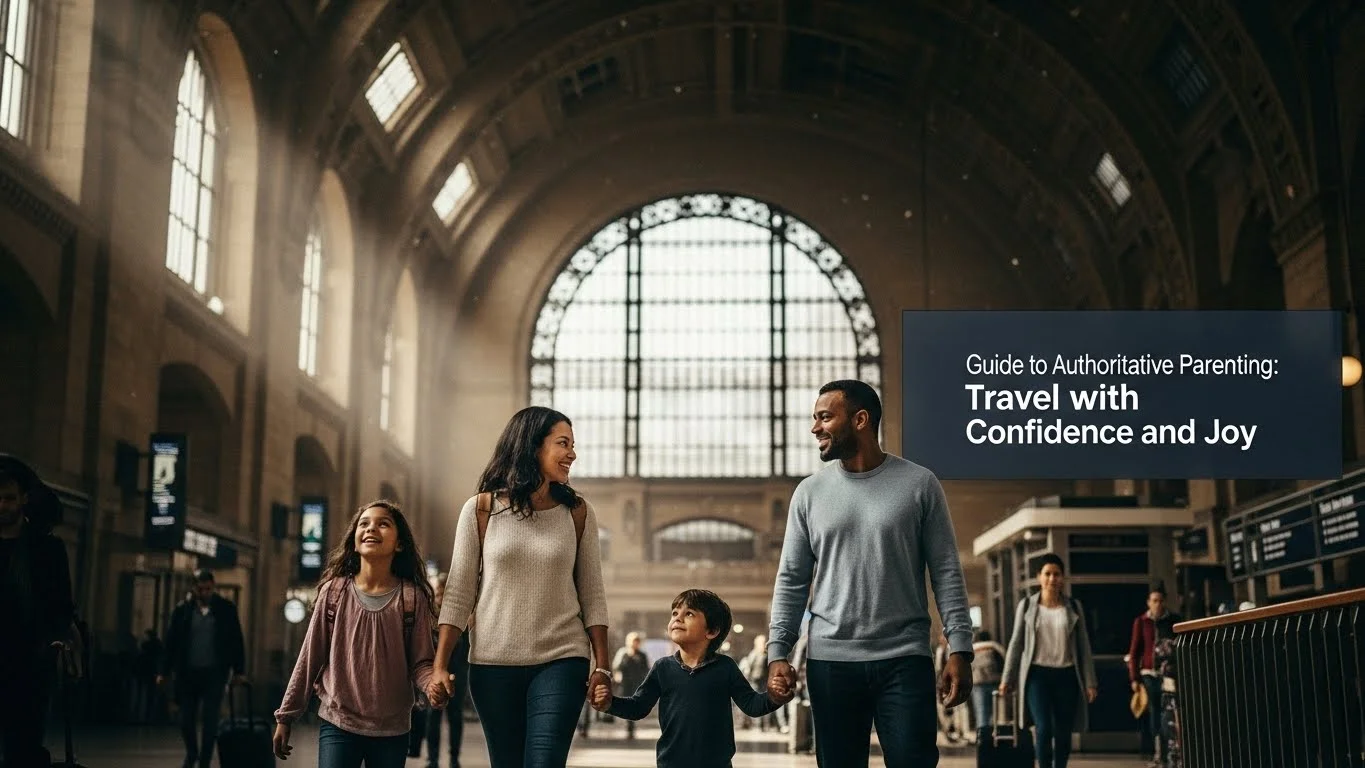
Traveling with children can be a joyful adventure when anchored in authoritative parenting. This guide will help you navigate the journey with confidence, blending discipline with warmth for memorable family experiences. Read Interesting article: The Impact of Authoritative Parenting on Family Travel Adventures
Understanding Authoritative Parenting
Definition of Authoritative Parenting
Authoritative parenting is more than just a style; it’s a harmonious blend of responsiveness and demandingness. When I first learned about this parenting approach, I found it refreshing. Authoritative parents set clear and high expectations for their children while also nurturing and supporting them. They balance discipline with love, which fosters a safe environment for kids to explore their world. In my experience, this style encourages children to develop independence while feeling secure in their parents’ guidance.
Characteristics of Authoritative Parents
As I delved deeper into the traits of authoritative parents, I realized that a few core characteristics define this parenting style:
- Open Communication: Authoritative parents encourage their children to express their thoughts and feelings. I often remind myself to listen actively to my kids, which has helped us bond and build trust.
- Clear Expectations: Setting boundaries is crucial. I’ve found that my children thrive when they know what is expected of them, whether at home or while traveling.
- Emotional Support: These parents are warm and nurturing, which helps children feel valued. I always try to show affection and validation, especially when my kids face challenges.
- Consistent Discipline: Authoritative parents enforce rules fairly and consistently. I learned early on that it’s important to follow through on consequences, so my kids know I mean business.
Benefits of Authoritative Parenting
Adopting an authoritative parenting style has many benefits that I’ve personally witnessed in my family. Children raised this way tend to develop strong social skills and higher self-esteem. I’ve seen my kids grow more confident as they navigate social situations, knowing they have a solid support system at home. They also perform better academically; my eldest, for instance, feels motivated to excel in school, understanding the effort that goes into achieving success.
Moreover, authoritative parenting fosters independence. I remember the first time I let my youngest explore a new playground without hovering. Because I had established trust, he felt empowered to make choices on his own, and it was a proud moment for both of us. Children brought up in this environment learn to respect authority while also feeling comfortable standing up for themselves. This balance is especially crucial when we travel, as they must adapt to new situations and cultural norms.
Another significant benefit is the emotional resilience that children develop. With the right guidance, my kids have learned to cope with disappointment and setbacks effectively. When we faced travel delays or missed connections, I saw how they handled those challenges with a sense of calm, rather than panic. I believe this ability to adapt stems from their understanding of how I support them through difficult moments. Read Interesting article: Mastering Authoritative Parenting for Happy Kids on the Go
Preparing for Travel with Children
Choosing the Right Destination
When it comes to planning a family vacation, choosing the right destination can make or break the experience. I’ve learned to consider our family’s interests and the ages of my children. For instance, we once planned a trip to a historical site, only to realize it wasn’t engaging for the kids. Now, I always involve them in the selection process. We sit down together, look at potential destinations, and discuss what each place offers. This involvement not only excites them but also gives them a sense of ownership over our travels.
Traveling with Different Age Groups
Traveling with kids of different ages presents its own set of challenges. I’ve found that understanding the developmental stages of my children allows me to tailor our experiences. For my toddler, I pack plenty of snacks and toys to keep them engaged during flights or long drives. For my pre-teen, I encourage them to bring a book or a device loaded with their favorite shows. It’s all about balancing their needs and ensuring everyone has a good time. I remember one trip when we had a mix of ages, and I scheduled downtime so everyone could recharge; it truly made a difference.
Planning Your Itinerary
Creating a flexible itinerary is key to a successful family trip. I’ve learned to strike a balance between planned activities and free time. While I love having a general outline of places to visit, I allow for spontaneity. One of our best travel days was when we stumbled upon a local festival; it turned out to be a highlight of our trip. I find it helpful to build in rest periods and remember that not every moment needs to be packed with activities. This flexibility keeps stress levels low and allows us to enjoy each other’s company more.
Budgeting for Family Travel
Budgeting for family travel is crucial. I used to overlook this aspect, but I’ve learned the hard way that sticking to a budget can alleviate stress. I involve my kids in the budgeting process by discussing how much we can spend and prioritizing activities. This not only teaches them financial responsibility but also helps manage expectations. I recommend keeping a travel fund where everyone contributes; it adds an element of teamwork and excitement as we save for our next adventure together.
Travel Essentials for Authoritative Parenting
Packing Checklist for Families
Packing for a family trip can sometimes feel like a monumental task. I remember the first time we took a long road trip; I was overwhelmed with what to bring. Over the years, I’ve developed a packing checklist that not only streamlines the process but also ensures we have everything we need. I usually start by laying out categories—clothing, toiletries, entertainment, and snacks. This way, I can keep track of what each family member needs.
For clothing, I think about the destination’s climate and activities. I’ve learned to pack layers for my kids since they can get hot or cold quickly. I also include a few of their favorite toys or comfort items to help them feel at home while we’re away. In terms of snacks, I always pack a variety of healthy options—like nuts, dried fruits, and granola bars—along with a few treats. I find that having snacks on hand prevents crankiness and keeps our energy up during long stretches of travel.
Lastly, I recommend involving the kids in packing. Not only does it make them feel included, but it also helps them learn about responsibility. My children enjoy checking off items on the list, and it turns into a fun little game for us.
Travel Gear for Kids
Having the right travel gear can make a world of difference. I’ve tried various products over the years, and I’ve discovered some must-haves that make traveling with kids easier. For instance, I invest in a good travel backpack for each child. These bags are perfect for letting them carry their own essentials during outings. It’s empowering for them, and I notice they take pride in managing their belongings.
Another favorite is a portable car seat or booster that’s easy to install wherever we go. I remember a time we rented a car in a new city, and having a familiar seat made my youngest feel more secure. When it comes to entertainment, I also pack a tablet loaded with age-appropriate games and movies for longer journeys. I’ve found that having a mix of activities keeps boredom at bay and allows for quieter moments.
Lastly, I love using a family-friendly travel app to help organize our itinerary and keep track of our plans. This way, everyone knows what to expect, and I can easily adjust as needed.
Health and Safety Supplies
Health and safety are top priorities when traveling with kids. Over the years, I’ve learned to pack a basic first-aid kit, which includes band-aids, antiseptic wipes, and any necessary medications. I once faced a minor emergency when my child scraped their knee while exploring a park; having that kit on hand made a stressful situation much easier to handle.
I also make sure to bring along any regular medications my kids might need, along with a list of their dosages. Additionally, I keep hand sanitizer and wet wipes in our travel bag. These items are invaluable, especially when we’re on the go and can’t easily wash our hands.
Another essential is sunscreen. I remember a trip where we had too much fun at the beach and forgot to reapply. It was a lesson learned! Now, I apply sunscreen every morning before we leave for our adventures and carry a bottle with us for reapplication throughout the day.
Engaging Children During Travel
Involving Kids in Trip Planning
Getting my children involved in the trip planning process has transformed our travel experiences. I’ve observed that when they have a say in what we do, they’re much more excited about the journey. We often gather around the dining table with a map and some travel books, discussing different options. Each child has their own interests, so we try to incorporate activities that cater to everyone.
For example, if we’re heading to a city, my oldest loves museums, while my youngest is all about parks. I find a way to balance both by planning a museum visit followed by a picnic in a nearby park. This way, everyone feels included, and it fosters a sense of teamwork among us.
I also encourage them to research the destination and come up with a list of things they want to do or see. It’s fascinating to hear their perspectives and suggestions, and it often leads to memorable experiences. I remember when my daughter suggested visiting a local market, which turned out to be one of the trip’s highlights!
Activities for Different Age Groups
Keeping kids engaged during travel isn’t always easy, especially when they’re at different developmental stages. I’ve learned that tailoring activities to each child’s age can make the journey more enjoyable for everyone. For my younger child, I pack simple games, stickers, and drawing materials to keep them entertained during downtime.
For my pre-teen, I encourage them to read or engage in puzzles. I also like to plan activities that are interactive, such as scavenger hunts or photo challenges. We often create a list of items to find or photograph during our outings. This approach keeps them engaged and adds an element of fun to our explorations.
Moreover, I make sure to take breaks where we can all relax together. I’ve noticed that downtime doesn’t just help recharge everyone’s batteries; it’s also a perfect opportunity for family bonding. We share stories, laugh, and create memories, which I believe are just as important as the activities themselves.
Educational Opportunities While Traveling
Traveling is one of the best ways to teach my children about the world. I embrace every chance to turn our adventures into learning experiences. For instance, when we visit historical sites, I encourage my kids to ask questions and engage with the exhibits. I try to relate what we see to what they learn in school, making it more relevant and exciting.
We often take guided tours that cater to families, which usually include fun facts and activities designed for kids. I remember one tour in Washington, D.C., where the guide used stories and challenges to keep the group engaged. My kids were captivated, and they came away with a deeper understanding of American history.
Additionally, I encourage them to try out local cuisines and share their thoughts on the flavors. This not only expands their taste buds but also teaches them about cultural diversity. I believe travel is an ongoing education, and it’s rewarding to see my kids grow curious and open-minded as they explore different places.
Traveling Responsibly and Respectfully
Teaching Cultural Sensitivity
As we travel, I feel it’s essential to teach my kids about cultural sensitivity. I remember when we visited a different country, and I took the opportunity to discuss local customs and traditions with my children. We talked about how different cultures have unique practices that deserve respect. I encouraged them to ask questions and show curiosity, rather than judgment.
Before embarking on our trip, I try to research the destination together. We explore things like greetings, dining etiquette, and local dress codes. I find that this preparation not only makes my kids more aware but also helps them feel more connected to the places we visit. One time, we learned about a local festival, and I was amazed at how much more engaged my children were when they understood the significance behind it. They were eager to participate, respecting the traditions while enjoying the experience.
Environmental Considerations
Being a responsible traveler goes beyond just respecting local cultures; it also involves considering our impact on the environment. I’ve noticed that my children are more aware of sustainability when I discuss our choices while traveling. For instance, we try to choose eco-friendly accommodations whenever possible. I explain to them how this helps reduce our carbon footprint, and they seem genuinely interested in doing their part.
When we’re out exploring, I teach them to minimize waste by using reusable water bottles and bags. We engage in conversations about wildlife conservation, especially when visiting national parks or natural reserves. I emphasize the importance of leaving no trace and respecting nature, which has given my kids a sense of responsibility for the environment. I remember a trip where we participated in a local beach cleanup, and it felt rewarding to watch my children actively contribute to preserving that beautiful area.
Respecting Local Customs and Traditions
Every destination has its own customs and traditions, and I believe it’s crucial to respect them. I make it a point to teach my children about the significance of these practices. For example, during our travels, we’ve encountered various religious sites where understanding the rules of dress and behavior was vital. I encourage my kids to adapt to these customs, whether it’s dressing modestly in certain areas or being quiet and respectful during ceremonies.
I remember visiting a temple where we were asked to remove our shoes. My kids were curious about the reason behind this practice, and I explained it as a sign of respect. They took it to heart and understood that our actions reflect our appreciation for the culture we’re experiencing. This mindset has transformed our travels into opportunities for growth and learning, allowing us to connect more deeply with the places we visit.
Safety and Security While Traveling
Travel Insurance for Families
Traveling with kids can be unpredictable, which is why I always prioritize travel insurance. I learned this lesson after a family trip went awry due to unforeseen circumstances, and since then, I’ve made it a habit to safeguard our adventures. When I discuss travel insurance with my children, I emphasize that it’s like a safety net for our trip, protecting us from unexpected events like cancellations or medical emergencies.
Involving my kids in the process has been enlightening. We sit down and review policy options together, talking about the importance of being prepared. I explain what to do if something goes wrong. This not only eases my mind but also teaches them valuable life lessons about planning and preparedness.
Keeping Your Family Safe in New Places
Safety is always at the forefront of my mind when we travel. I’ve developed a few strategies that help keep my family secure in unfamiliar places. One of the first things I do is familiarize myself with the area we’re visiting. I map out safe routes, identify local emergency contacts, and share this information with my kids. This way, they know where to go and what to do if they feel uneasy.
I also emphasize the importance of staying together. I’ve had conversations with my children about the buddy system, especially in crowded places. I remember one trip where we were at a bustling market. I reminded them to keep an eye on each other, and it made a noticeable difference in how they navigated the crowd. We even practiced a little code word for emergencies, so they knew how to signal if they felt uncomfortable.
Emergency Preparedness Tips
No one likes to think about emergencies while on vacation, but I believe it’s better to be prepared. I’ve established a simple emergency plan with my family that includes a few key steps. For instance, we create a list of important phone numbers, including our accommodation and local emergency services, which I keep accessible on my phone and print out for my kids.
We also practice what to do if we get separated. I remind them to stay calm, find a safe spot, and wait for me or another trusted adult. I’ve found that discussing these scenarios can be empowering for my kids. It helps them feel more in control and less anxious about the unknown.
During our travels, I keep a small emergency kit with essentials like snacks, water, and a basic first-aid supply. Having this on hand has saved us on a few occasions. I encourage my kids to check the kit regularly, which teaches them responsibility and reinforces the idea that being prepared is part of our travel routine.
Frequently Asked Questions
What is authoritative parenting?
Authoritative parenting is a parenting style characterized by a balance of responsiveness and demandingness. Authoritative parents set clear and high expectations for their children while also nurturing and supporting them, fostering a safe environment for kids to explore their world.
What are the core characteristics of authoritative parents?
Core characteristics of authoritative parents include open communication, clear expectations, emotional support, and consistent discipline. They encourage their children to express their thoughts and feelings, set boundaries, provide warmth and nurturing, and enforce rules fairly and consistently.
What benefits does authoritative parenting provide to children?
Children raised with authoritative parenting tend to develop strong social skills, higher self-esteem, and emotional resilience. They are more confident in social situations, perform better academically, and learn to cope with challenges effectively, making them adaptable in various circumstances, including travel.
How can parents involve their children in trip planning?
Parents can involve their children in trip planning by discussing potential destinations and activities together. This inclusion gives children a sense of ownership and excitement about the trip, making them feel valued and more engaged in the travel experience.
What should parents consider when traveling with kids of different ages?
When traveling with kids of different ages, parents should tailor experiences to fit each child’s developmental stage. This may involve packing appropriate snacks and entertainment for younger children and encouraging older children to bring books or devices for longer journeys, while ensuring everyone has downtime to recharge.
What essentials should families pack for travel?
Families should create a packing checklist that includes clothing suitable for the destination’s climate, toiletries, entertainment options, and healthy snacks. Involving children in packing can help them learn responsibility and make the process more fun.
How can parents teach their children about cultural sensitivity while traveling?
Parents can teach children about cultural sensitivity by discussing local customs and traditions before and during the trip. Researching these practices together helps children understand the significance behind them, encouraging curiosity and respect for the cultures they encounter.
What are some emergency preparedness tips for families traveling with kids?
Families should create a simple emergency plan that includes a list of important phone numbers and what to do in case they get separated. Practicing emergency scenarios and keeping a small emergency kit can help children feel more secure and prepared for unexpected situations while traveling.
Why is travel insurance important for families?
Travel insurance is important for families as it acts as a safety net against unforeseen events like cancellations or medical emergencies. Discussing travel insurance with children can teach them valuable life lessons about planning and being prepared for unexpected situations.
How can parents ensure their children’s safety while traveling in unfamiliar places?
Parents can ensure their children’s safety by familiarizing themselves with the area, mapping out safe routes, and discussing the buddy system. Sharing emergency contacts and practicing safety measures can empower children to navigate crowded places confidently.