
Traveling as a family can be an exhilarating adventure, but it often comes with its own set of emotional challenges. Understanding how to navigate these feelings is essential for creating lasting memories together. For more insights on managing emotions while traveling, check out Traveling with Toddlers: Mastering Emotional Regulation.
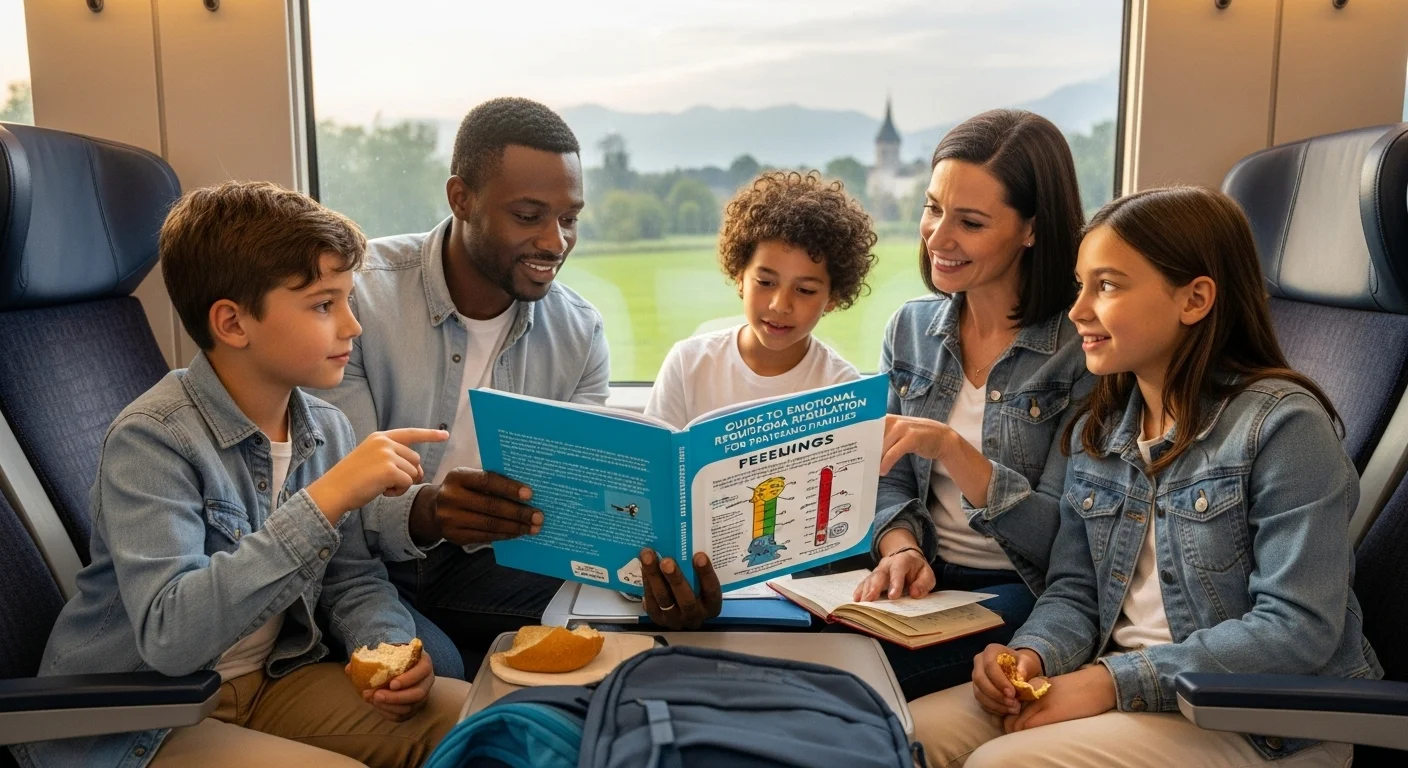
Understanding Emotional Regulation
What is Emotional Regulation?
Emotional regulation refers to our ability to manage and respond to our emotional experiences in a healthy way. It’s about recognizing our feelings, understanding their causes, and choosing how to express them. I’ve learned that emotional regulation is not just about suppressing emotions but rather acknowledging them and finding constructive ways to cope. For instance, when my children feel overwhelmed during a long flight, I encourage them to take deep breaths or talk about what’s bothering them. This approach helps them feel heard and supported, which is vital in emotionally charged situations.
Importance for Families While Traveling
When we travel, emotions can run high due to new experiences, unfamiliar environments, and the inevitable stressors of being away from home. I’ve noticed that emotional regulation becomes essential for families to enjoy their time together. It’s easy to let frustration or anxiety take over, especially during delays or when plans don’t go as expected. By practicing emotional regulation, families can foster a more understanding and supportive environment, which leads to better communication and connection. I remember a trip where we faced multiple hiccups, like a missed connection and a lost suitcase. Instead of allowing this to ruin our vacation, we worked together to find solutions and even laughed about our mishaps, creating unforgettable memories instead.
Common Emotional Challenges for Traveling Families
Managing Stress and Anxiety
Traveling can be stressful, especially for families. I often feel anxiety creeping in as we prepare for a trip—packing, planning, and worrying about the unexpected. Kids can feel this anxiety too, and it can manifest in various ways, from tantrums to withdrawal. I’ve found that addressing these feelings before and during travel is crucial. A simple way to manage stress is through preparation. When we discuss our travel plans—including what to expect and how to handle potential hiccups—I notice my children feel more secure and less anxious. For instance, I emphasize that it’s okay to feel nervous about flying, but I also share solutions like games or books they can enjoy during the flight. For more tips on emotional skills for toddlers, visit Traveling on a Budget: Emotional Skills for Toddlers.
Dealing with Frustration and Fatigue
Long days of travel, early mornings, and late nights can lead to frustration and fatigue for everyone. I’ve seen my kids become cranky after a long day of sightseeing, and it’s easy for tempers to flare. In our family, we’ve learned to recognize the signs of fatigue and the need for a break. When we traveled to Europe last summer, we built in downtime to our itinerary. Instead of cramming in every possible activity, we allowed for lazy afternoons at parks or quiet evenings at our hotel. This not only helped us recharge but also allowed us to enjoy our trip more fully.
Handling Conflicts Among Family Members
Traveling can also bring out conflicts among family members. The close quarters and constant togetherness can lead to disagreements and tension. I remember a time when my kids bickered over who would get the window seat on a long train ride. Instead of letting that escalate, I stepped in to mediate. I encouraged them to express their feelings and come up with a fair solution together. By facilitating this discussion, I noticed that they learned to communicate better and resolve their conflicts without my intervention. This skill not only helped during our travels but also improved their interactions at home.
Strategies for Effective Emotional Regulation
Pre-Trip Preparation
Preparing emotionally for a trip can be just as important as packing your bags. I’ve discovered that setting a positive tone before we even leave home can make a huge difference in our family dynamics.
Setting Realistic Expectations
One of the first steps I take is to set realistic expectations. I share with my kids that while traveling can be exciting, it can also be unpredictable. Discussing potential challenges ahead of time helps everyone understand that it’s okay if things don’t go perfectly. This way, they are mentally prepared to adapt and find solutions together, fostering a sense of team spirit.
Creating a Flexible Itinerary
I’ve learned that having a flexible itinerary can alleviate a lot of stress. Instead of a rigid schedule, we create a list of must-do activities while allowing room for spontaneous adventures or much-needed downtime. During our last trip, we planned to visit several museums, but when we realized the kids were too tired, we opted for a picnic in a nearby park instead. This flexibility not only led to a fun day but also strengthened our family bond as we made memories in unexpected ways.
Strategies for Effective Emotional Regulation
During Travel
Once we hit the road or board the plane, it’s essential to keep emotional regulation at the forefront of our minds. I’ve found that how we handle our emotions during travel can significantly impact our overall experience. Here are some strategies that have worked well for our family.
Mindfulness Techniques for Families
Practicing mindfulness can be a game-changer when emotions start to run high. I remember a time when we were stuck in an airport for hours due to a flight delay. Instead of letting frustration bubble over, I suggested we try some mindfulness exercises together. We took a few moments to close our eyes, breathe deeply, and focus on the sounds around us. This simple practice not only calmed our nerves but also helped us appreciate the little things, like the laughter of other families and the scent of fresh coffee. I encourage you to explore mindfulness apps or simple breathing exercises with your kids during travel to cultivate a sense of calm amidst the chaos.
Encouraging Open Communication
Open communication is crucial for emotional regulation. I’ve learned that fostering an environment where everyone feels safe to share their feelings can prevent many emotional hiccups. During our trips, I make it a point to check in with my kids regularly. I ask them how they’re feeling about the day’s activities and if there’s anything bothering them. This practice not only helps me understand their emotions better but also empowers them to express themselves. I remember a time when my youngest felt overwhelmed by the noise at a theme park. By encouraging her to share her feelings, we were able to take a break and find a quieter spot, which made her feel better and ready to enjoy the fun again.
Establishing Breaks and Downtime
Between sightseeing, dining, and exploring, it’s easy to get caught up in the excitement of travel. However, I’ve found that establishing breaks and downtime is just as important as planning activities. On our last family vacation, we intentionally set aside time each afternoon for relaxation. Whether it was lounging by the hotel pool or taking a leisurely stroll in a local park, these moments allowed us to recharge and connect with each other. I’ve noticed that when we take breaks, we return to our activities feeling refreshed and more excited, rather than fatigued and irritable.
Post-Trip Reflection
After we return from a trip, I like to take some time to reflect on our experiences. This practice helps us process our emotions and learn valuable lessons for future travels.
Discussing Emotional Experiences
During our post-trip discussions, I encourage my kids to share their emotional highs and lows. I find it fascinating to hear their perspectives; sometimes, they bring up moments I hadn’t even considered! This practice not only helps them articulate their feelings but also strengthens our family bond. Last summer, after our European adventure, we all sat down with a scrapbook filled with pictures and stories. As we laughed and reminisced about our experiences, we also talked about the moments of stress or frustration we faced. It was eye-opening for us all, and we learned how to better navigate those feelings in future trips. For further insights, consider reading The Impact of Travel on Toddler Emotional Development.
Learning from Challenges Faced
Every trip comes with its challenges, and I believe it’s essential to learn from them. I take time to discuss what went well and what didn’t during our travels. For example, after a particularly hectic day in a crowded city, we talked about how we could better manage our energy levels next time. This reflection helps my kids understand that it’s okay to encounter difficulties; what matters is how we handle them. We can develop strategies together, like planning shorter days or ensuring we have quiet time built into our itinerary. I think this approach not only prepares us for future trips but also fosters resilience in my children.
Emotional Regulation Techniques for Kids
When it comes to emotional regulation, it’s important to tailor strategies to different age groups. I’ve found that age-appropriate techniques can help my children learn how to manage their emotions effectively during travel.
Age-Appropriate Strategies
For Toddlers
With toddlers, keeping things simple is key. I try using visuals like picture books or flashcards to explain emotions. During our trips, I’ve found it helpful to carry a small set of emotion cards. When my little one gets upset, we look at the cards together and name the feelings. This simple acknowledgment often helps them feel validated and eases their distress.
For Preschoolers
For preschoolers, storytelling can be an effective tool. I often create stories about characters who go on adventures and face challenges, allowing my kids to empathize with the characters’ feelings. We also role-play scenarios they might encounter during travel, like waiting in line or being patient at a restaurant. These playful activities prepare them for real-life situations.
For School-Aged Children
As my kids got older, I started introducing them to journaling. I encouraged them to write down their feelings and thoughts about our travels. This practice allows them to process their emotions independently while fostering a sense of ownership over their feelings. I’ve noticed that after each trip, they enjoy reflecting on their journal entries and discussing their growth.
For Teenagers
With teenagers, I’ve learned that engaging in open discussions about emotional regulation is essential. They often appreciate the chance to share their experiences and learn from each other. I encourage my teens to think critically about their emotional responses during trips. We discuss things like how they felt in stressful situations and brainstorm strategies together. By involving them in the conversation, they feel more empowered to manage their emotions.
Fun Activities to Promote Emotional Awareness
In addition to the emotional strategies, we like to incorporate fun activities to promote emotional awareness during our travels. We often create a “feelings scavenger hunt,” where we look for things that make us feel happy, relaxed, or excited during our trips. This activity not only encourages us to be mindful of our emotions but also leads to some great conversations about what makes us feel good while traveling.
Creating a Supportive Travel Environment
Choosing Family-Friendly Destinations
When planning our family trips, I’ve found that choosing the right destination can make a world of difference in our emotional experience. Family-friendly destinations often have activities and accommodations tailored to kids, which helps reduce stress for everyone. For instance, I remember a vacation we took to a resort that offered kid-friendly programs and activities. My children had a blast participating in organized games while my partner and I enjoyed some much-needed relaxation time. By selecting destinations that cater to families, I feel we can create an environment that’s both enjoyable and comforting, allowing us to focus on making memories together.
Accommodations That Foster Comfort
The place we stay can also play a big role in our emotional well-being while traveling. I’ve learned that opting for accommodations that feel more like home can ease anxiety and promote relaxation. For our family, this often means choosing vacation rentals or family suites instead of cramped hotel rooms. Having a little extra space to unwind can be a game-changer, especially after a long day of exploring. I remember one trip where we rented a cozy cabin in the mountains. The kids loved having their own space to play, and we enjoyed cooking meals together in a full kitchen, which helped us feel more connected and relaxed during our stay.
Planning Activities That Encourage Family Bonding
It’s also important to plan activities that encourage family bonding and create a sense of togetherness. I’ve discovered that the best memories often come from experiences we share, rather than just sightseeing. For example, we once took a cooking class together while on vacation in Italy. It was a fantastic way for us to learn something new, laugh, and create delicious food side by side. Activities like this not only break the routine but also allow us to connect on a deeper level. I believe that the more we engage in shared experiences, the stronger our family bond becomes, and the easier it is to navigate any emotional challenges that may arise during our travels.
Resources for Further Support
Books on Emotional Regulation for Families
Reading about emotional regulation has been incredibly helpful for me, and I believe it can benefit other families as well. There are many great books available that focus on strategies for handling emotions, both for parents and kids. One of my favorites is “The Whole-Brain Child” by Daniel J. Siegel and Tina Payne Bryson. This book offers practical advice on understanding child development and how to nurture emotional intelligence. I’ve found it useful in applying concepts to our family discussions. Another great read is “Emotional Intelligence 2.0” by Travis Bradberry and Jean Greaves, which provides insight into developing emotional skills that can lead to better interactions not just during travel, but in everyday life.
Online Courses and Workshops
Online resources can also be a fantastic way to learn about emotional regulation as a family. I’ve taken a few workshops that focus on parenting strategies and emotional intelligence, and they’ve transformed how I approach emotional situations. Websites like Coursera and Udemy offer courses that can be taken at your own pace, allowing for flexibility in busy family schedules. Participating in a workshop together has also opened up conversations about emotions and how we handle them, making it a fun and educational experience.
Professional Help: When to Seek Guidance
Sometimes, despite our best efforts, we may find ourselves struggling with emotional challenges that feel overwhelming. I’ve learned that it’s perfectly okay to seek professional help if needed. A family therapist can provide valuable tools and strategies for emotional regulation, which can be particularly beneficial during stressful travel moments. I once reached out to a therapist after a family trip that didn’t go as planned. They guided us in unpacking our feelings and gave us strategies to improve our communication. Seeking help was a turning point for us, reinforcing the importance of mental health in our family dynamics.
Frequently Asked Questions
What is emotional regulation?
Emotional regulation refers to our ability to manage and respond to our emotional experiences in a healthy way. It involves recognizing our feelings, understanding their causes, and choosing how to express them constructively.
Why is emotional regulation important for families while traveling?
Emotional regulation is essential for families traveling together as it helps create a supportive environment, improves communication, and allows families to cope better with frustration or anxiety that may arise from new experiences and unforeseen stressors.
How can families manage stress and anxiety when traveling?
Families can manage stress and anxiety by preparing emotionally, discussing travel plans, setting expectations, and finding solutions to potential hiccups, which can help both parents and children feel more secure during travel.
What strategies can families use to deal with frustration and fatigue during travel?
To deal with frustration and fatigue, families should recognize the signs of tiredness and build in downtime into their itineraries, allowing for breaks and leisure time to recharge and enjoy their trips more fully.
How can families handle conflicts among family members during travel?
Families can handle conflicts by encouraging open communication, allowing each member to express their feelings, and facilitating discussions to help find fair solutions together, which improves conflict resolution skills.
What are effective emotional regulation strategies during travel?
Effective strategies include practicing mindfulness techniques, encouraging open communication among family members, and establishing breaks or downtime to help manage emotions and maintain a positive atmosphere.
How can families reflect on their emotional experiences after a trip?
Families can reflect on their emotional experiences by discussing their highs and lows during a post-trip conversation, which helps them articulate their feelings and learn valuable lessons for future travels.
What age-appropriate techniques can help children with emotional regulation during travel?
Age-appropriate techniques include using visuals for toddlers, storytelling and role-playing for preschoolers, journaling for school-aged children, and engaging in open discussions for teenagers to help them manage their emotions effectively.
How can families create a supportive travel environment?
Families can create a supportive travel environment by choosing family-friendly destinations, selecting accommodations that foster comfort, and planning activities that encourage bonding and shared experiences.
What resources are available for families seeking to improve emotional regulation?
Resources include books on emotional regulation, online courses and workshops focusing on parenting strategies and emotional intelligence, and professional help from family therapists when dealing with overwhelming emotional challenges.