
Traveling with toddlers can be both a joyful and daunting experience. However, it also offers a fantastic opportunity to enhance their social skills in exciting ways. Let’s dive into how we can foster these essential skills while exploring the world together. Read Interesting article: Traveling with Toddlers: Social Skills Development Tips
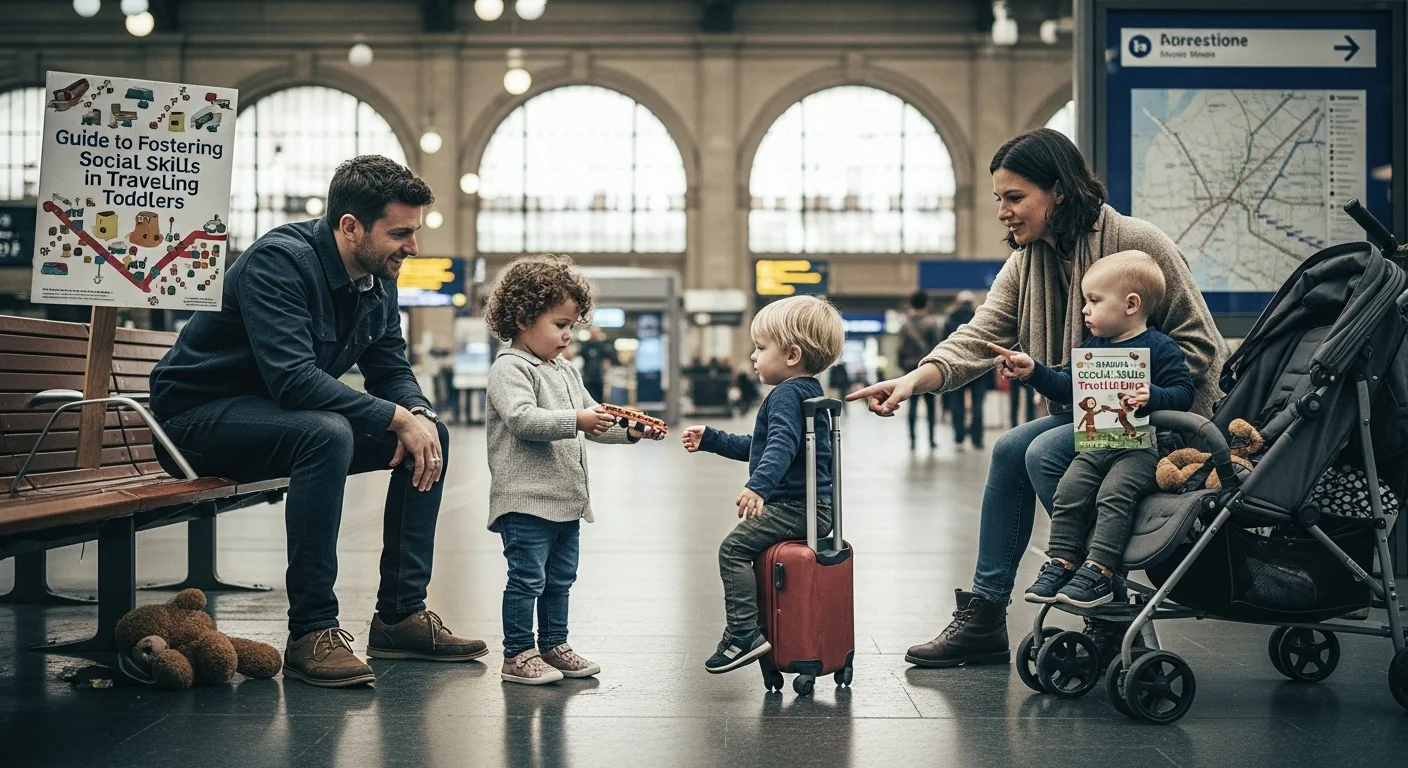
Understanding Social Skills Development in Toddlers
When I think about my toddler’s growth, I often find myself amazed at how quickly they learn to interact with the world around them. Social skills development is crucial during these formative years, shaping their ability to communicate, connect, and understand others. This is particularly true for toddlers, who are naturally curious and eager to engage with their environment.
The Importance of Social Skills
Social skills are vital for toddlers as they lay the groundwork for future relationships and emotional development. I remember watching my child play alongside others for the first time. It was heartwarming to see how they shared toys and took turns. These small interactions are not just play; they are essential life lessons. Social skills help toddlers develop empathy, resilience, and the ability to navigate complex social situations as they grow up. In my experience, the earlier we foster these skills, the more confident they become in social settings.
Key Social Skills for Toddlers
There are several key social skills that toddlers typically develop during these crucial years. For instance, sharing and taking turns are foundational skills that I’ve seen make a huge difference in my child’s interactions. They also learn how to communicate their feelings and needs effectively, which I find incredibly important. Other skills include making eye contact, understanding personal space, and recognizing nonverbal cues. I’ve noticed that when my toddler practices these skills, they not only engage better with peers but also feel more secure in their social environment. Read Interesting article: Top Social Skills Milestones for Your Backpacking Toddler
How Travel Enhances Social Skills
Traveling, in my opinion, is one of the best ways to enhance these budding social skills. When we take our toddlers to new places, they encounter people from different backgrounds and cultures. This exposure opens their minds and encourages them to interact with others. I remember our trip to a bustling city where my toddler was fascinated by the diverse array of people. They were eager to wave and smile at strangers, which sparked many friendly exchanges. Each travel experience offers a unique opportunity for toddlers to practice social skills in real-life contexts, helping them become more adaptable and socially aware.
Additionally, traveling often involves engaging with other families, whether at parks, attractions, or even during dining experiences. I’ve found that these interactions can be incredibly enriching for toddlers, helping them learn through observation and participation. For instance, during a family vacation, we visited a local park where kids were playing together. My toddler naturally gravitated toward other children, wanting to join in their games. Watching them navigate these new friendships reminded me of the importance of providing these experiences to enhance their social growth.
Traveling also encourages problem-solving skills. I can recall a moment when we got lost while exploring a new city, and my toddler’s curiosity turned the situation into a fun adventure. They began chatting with locals, asking questions, and pointing to places of interest. This experience not only helped them develop confidence in communication but also taught them that it’s okay to ask for help when needed. Every travel experience is a chance for our toddlers to learn, grow, and practice their social skills in dynamic environments.
As we continue to travel, I make it a point to observe how different situations affect my child’s social interactions. I believe that being conscious of these moments helps me understand their development better. Each trip is not just about seeing new sights but about nurturing their ability to connect with others, fostering their confidence, and enriching their understanding of the world and its people.
In the next sections, we will dive deeper into how to prepare for travel with toddlers, ensuring we maximize the opportunities for social skill development while we’re on the go. I’m excited to share tips and experiences that will help us navigate this journey together!
Preparing for Travel with Toddlers
When I first started planning trips with my toddlers, I quickly realized that preparation was key to making the journey enjoyable and beneficial for their social development. It’s not just about packing bags; it’s about creating an environment where they can thrive socially. Here’s how I’ve approached preparing for our travels.
Choosing the Right Destination
Choosing the right destination can make a world of difference. I’ve found that places which are family-friendly and have plenty of opportunities for interaction can enhance our toddler’s experiences. For instance, we once visited a coastal town known for its beaches and family-oriented activities. The vibrant atmosphere encouraged my toddler to explore, meet other kids, and engage in beach games. I believe that opting for destinations that cater to children—like amusement parks, nature reserves, or cities with interactive exhibits—creates an inviting space for social interaction. It’s like setting the stage for my child to shine!
Traveling Considerations for Toddlers
Traveling with toddlers comes with its own set of considerations. I learned the hard way that flexibility is crucial. It’s important to factor in their routine, such as nap times and meal schedules. I always try to plan our travel times to align with these needs. For example, flights or long drives during nap times can be a game-changer. This way, my toddler is well-rested and in a better mood to interact with others when we arrive at our destination. I also make sure to have a variety of snacks on hand, as hungry toddlers are often cranky toddlers. Keeping them comfortable and happy lays the groundwork for socializing with new friends.
Packing Essentials for Social Interaction
Packing essentials for a trip with toddlers goes beyond just clothing and toys. I’ve found that bringing along items that facilitate social interaction can be incredibly beneficial. For instance, I always carry a couple of small, easily shared toys—like a ball or a puzzle—when we go to parks or other family-friendly locations. These items can serve as icebreakers, encouraging my toddler to engage with other children. Additionally, I make sure to pack art supplies, like coloring books and crayons, which can be great for spontaneous playdates or quiet time at restaurants. Having these resources not only keeps my child entertained but also encourages them to share and collaborate with others. Read Interesting article: Exploring the World: Fun Activities to Improve Toddler Gross Motor Skills
Activities to Foster Social Skills While Traveling
Once we’re on the road or at our destination, I look for activities that can help my toddler connect with others. I’ve found the following to be particularly effective.
Playgrounds and Parks
Visiting local parks and playgrounds has been one of my favorite ways to foster social skills while traveling. I remember stopping at a park during a road trip, and my toddler instantly ran toward the swings. Before long, they were playing alongside other kids, giggling and sharing the swings. I always encourage my child to engage with others by suggesting they ask to join a game or offer a toy. These simple acts of interaction can lead to friendships that may only last for the day but leave a lasting impact on their social confidence.
Interactive Museums
Interactive museums are another fantastic option. We’ve visited a few that allowed kids to engage with exhibits hands-on, which made the experience more enjoyable for my toddler. I noticed that in these settings, they were more inclined to talk to other children, whether it was about what they were building or discovering. I encourage my toddler to share their thoughts or ask questions, which helps foster communication skills and social connections. Plus, it’s a wonderful way for them to learn while playing!
Community Events and Festivals
I can’t emphasize enough the value of community events and festivals. We’ve attended local fairs and cultural festivals during our travels, and they’ve been filled with vibrant energy and opportunities for social engagement. My toddler was able to interact with other children through games, crafts, and performances. I always look for events where kids can participate, as it encourages them to step out of their comfort zone and engage with new friends. It’s amazing how these experiences can create lasting memories and boost their social confidence.
Group Activities and Classes
Lastly, I recommend looking for group activities or classes that cater to toddlers. Whether it’s a music class or a group art session, these activities provide structured opportunities for social interaction. I remember when we signed up for a family yoga class while on vacation. Not only did it give us a chance to bond, but it also allowed my toddler to meet other kids in a relaxed environment. These shared experiences can lead to meaningful connections, even if they are brief.
Preparing for travel with toddlers requires thoughtfulness and creativity. By choosing the right destinations, considering their needs, and seeking out engaging activities, we can create opportunities for our little ones to enhance their social skills while making wonderful memories together.
Meeting New People: Tips for Parents
One of the most exciting aspects of traveling with toddlers is the chance to meet new people. However, I’ve learned that it often takes a bit of encouragement on our part to help them step out of their comfort zones. Here are some strategies that I’ve found helpful in facilitating these interactions.
Encouraging Introductions
When we’re in a new place, I always try to encourage my toddler to say hello to other children or adults. I’ve noticed that just a simple “Hi!” or a wave can open the door to new friendships. Sometimes, I’ll model the behavior by introducing myself to other parents or saying hello to kids playing nearby. My toddler often follows my lead, and it’s heartwarming to see them take that initiative. I also emphasize the importance of eye contact and a friendly smile, as these small gestures can make a big difference in how comfortable they feel while meeting new people.
Facilitating Playdates with Other Travelers
One of my favorite ways to enhance social connections is by facilitating playdates with other families we meet while traveling. I remember a time when we stayed at a family-friendly resort and my toddler hit it off with another child at the pool. I suggested to the other parents that we set up a playdate for the kids at the beach the next day. It was a fantastic experience! Watching the kids play together was not only fun, but it also allowed my toddler to practice sharing and taking turns naturally. I believe that parents can play a significant role in making these connections happen. It’s all about being proactive and open to new friendships.
Using Local Resources to Connect with Families
Another strategy I’ve found effective is tapping into local resources to meet other families. Many communities have parent groups, playgroups, or even social media pages where families can connect. Before our travels, I’ll often do a little research to see if there are events or gatherings happening while we’re in the area. For example, during a recent trip, I discovered a local library hosting storytime for children. Attending not only provided my toddler with a fun, engaging experience but also allowed us to meet other parents and children. It’s amazing how local resources can enhance our travel experience and create opportunities for social interaction.
Travel Etiquette: Teaching Toddlers Appropriate Behavior
As my toddler meets new people while traveling, I find it essential to teach them about proper etiquette and behavior. It’s a valuable life skill that will serve them well beyond their toddler years.
Understanding Cultural Differences
Traveling exposes our little ones to different cultures and customs, and I believe it’s important to discuss these differences. I recall visiting a country where greetings varied significantly from what we were used to. I took a moment to explain to my toddler how people might bow instead of shake hands or how some cultures have different personal space expectations. This not only made them more aware of their surroundings but also fostered respect for diverse traditions. I find that when children understand cultural differences, they become more adaptable and empathetic toward others.
Sharing and Taking Turns
Sharing and taking turns are crucial skills that we have to reinforce during our travels. I often remind my toddler that when they’re in a new playground or sharing toys with other kids, it’s important to be patient and considerate. One way I encourage this is by using real-life examples. For instance, if my child is playing with a toy and another child wants to join, I’ll gently prompt them to offer the toy or suggest they play together. I’ve seen how these moments help my toddler grasp the significance of sharing, leading to smoother interactions with peers.
Polite Communication and Greetings
Teaching my toddler about polite communication is another critical aspect of social etiquette. I encourage them to say “please” and “thank you” when interacting with others. This not only helps them develop good manners but also fosters a sense of respect for those around them. I remember a particular moment when we were at a café, and my toddler ordered their snack. I reminded them to say “thank you” to the staff member who helped. The smile on the staff member’s face proved that these small acts of kindness can leave a lasting impression. Encouraging my child to engage in polite exchanges helps reinforce positive social behavior.
Managing Challenges in Social Interactions
While traveling can be a fantastic opportunity for social growth, it’s not without its challenges. I’ve encountered various situations where my toddler struggled with social interactions, and I’ve learned a lot about how to navigate these moments.
Dealing with Shyness or Anxiety
It’s natural for some toddlers to feel shy or anxious in new social situations. I’ve noticed this in my child, especially when meeting new kids. When this happens, I try to reassure them that it’s okay to feel nervous and encourage them to take small steps. For example, I might suggest they observe the other children for a bit before joining in. I find that gradually easing them into social situations can help build their confidence. Sometimes, I’ll even role-play scenarios at home, where we practice approaching other kids or starting a conversation. These techniques have proven effective in helping my toddler gain comfort in new environments.
Handling Conflicts and Disagreements
Conflicts can arise during play, and it’s important to teach our toddlers how to handle disagreements. I remember a moment when my toddler was upset after a toy was taken away by another child. Instead of immediately stepping in, I encouraged them to express their feelings verbally. I guided them to say something like, “I was playing with that toy.” This approach allowed them to practice assertiveness while also learning to advocate for themselves. I’ve seen how this strategy not only helps them resolve conflicts but also fosters their emotional intelligence.
Encouraging Empathy and Understanding
Finally, I believe that encouraging empathy and understanding is vital in social interactions. After a conflict or a challenging encounter, I often take the time to discuss what happened with my toddler. I ask questions like, “How do you think that made them feel?” or “What could we do differently next time?” This reflection helps them develop a sense of empathy toward others and understand that everyone has feelings. I’ve found that these discussions are valuable in nurturing their emotional growth and social skills.
Frequently Asked Questions
What are social skills, and why are they important for toddlers?
Social skills are essential for toddlers as they lay the groundwork for future relationships and emotional development. These skills help toddlers develop empathy, resilience, and the ability to navigate complex social situations as they grow up.
How can traveling enhance a toddler’s social skills?
Traveling exposes toddlers to new people and cultures, encouraging them to interact with others. It provides unique opportunities to practice social skills in real-life contexts, helping them become more adaptable and socially aware.
What are some key social skills that toddlers typically develop?
Key social skills for toddlers include sharing, taking turns, effectively communicating their feelings and needs, making eye contact, understanding personal space, and recognizing nonverbal cues.
How should parents prepare for travel with toddlers to enhance social development?
Parents should choose family-friendly destinations with plenty of opportunities for interaction, be flexible with travel schedules to accommodate routines, and pack items that facilitate social interaction, such as shared toys and art supplies.
What activities can foster social skills while traveling?
Activities that can foster social skills include visiting playgrounds and parks, attending interactive museums, participating in community events and festivals, and enrolling in group activities or classes tailored for toddlers.
How can parents encourage their toddlers to meet new people while traveling?
Parents can encourage introductions by prompting their toddlers to say hello, modeling friendly behavior themselves, and facilitating playdates with other families they meet during their travels.
What should parents teach their toddlers about travel etiquette?
Parents should teach toddlers about understanding cultural differences, the importance of sharing and taking turns, and practicing polite communication, such as saying “please” and “thank you” in social interactions.
How can parents help toddlers deal with shyness or anxiety in social situations?
Parents can reassure their toddlers that it’s okay to feel nervous and encourage them to take small steps, such as observing others before joining in. Role-playing scenarios at home can also help build their confidence.
What strategies can parents use to handle conflicts or disagreements during play?
Parents can encourage toddlers to express their feelings verbally during conflicts and guide them to advocate for themselves. This approach helps toddlers practice assertiveness and emotional intelligence.
How can parents encourage empathy and understanding in their toddlers?
After a conflict or challenging encounter, parents can discuss the situation with their toddler, asking questions to help them reflect on how others might feel. This practice nurtures empathy and emotional growth.