
Eating healthy while living abroad can be a thrilling adventure for kids and parents alike. Let’s explore how to create a balanced diet that supports our children’s growth, no matter where we are in the world. Read Interesting article: How to Maintain a Balanced Diet for Kids While Traveling
Understanding a Balanced Diet for Kids
What is a Balanced Diet?
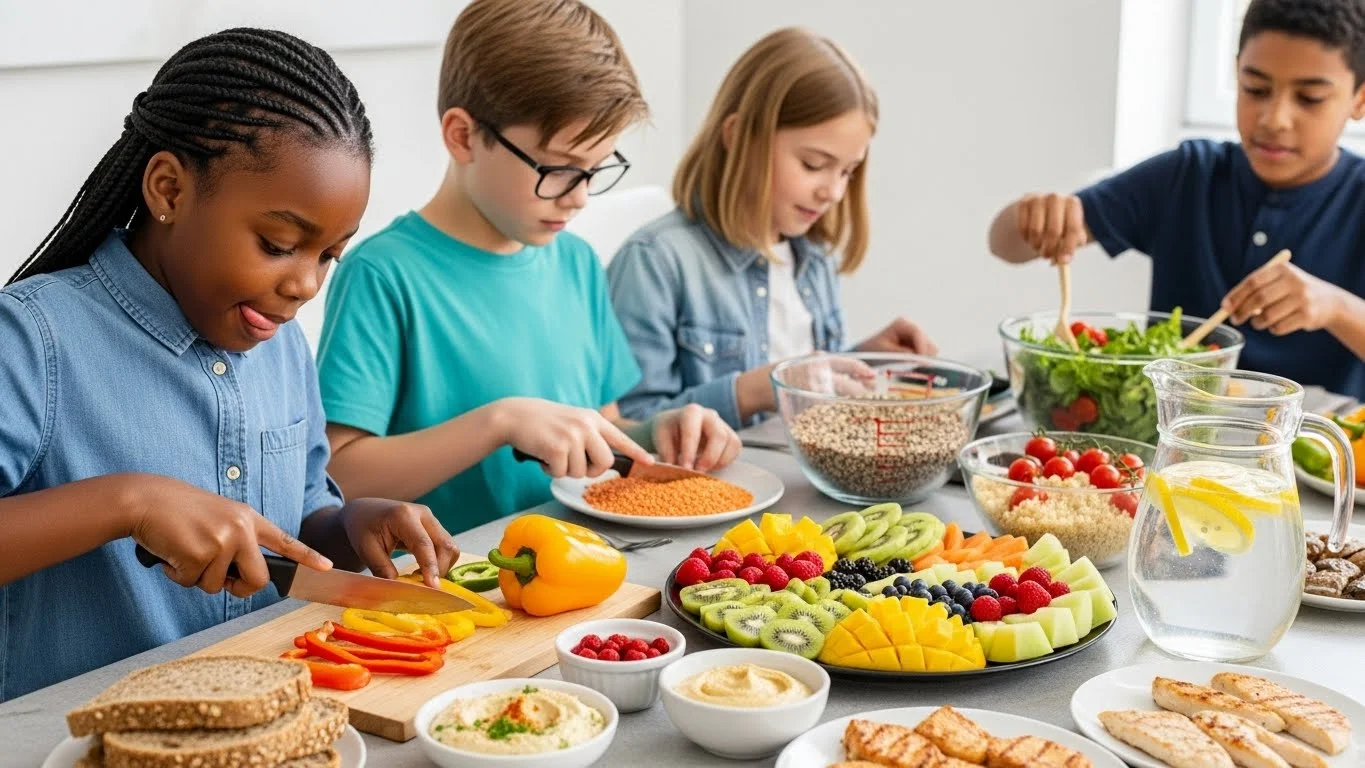
When I first started thinking about healthy eating for my kids, I realized that a balanced diet means including a variety of foods in the right proportions. It’s not just about eating fruits and vegetables but ensuring that we are getting a mix of everything our bodies need. For children, this means having the right amounts of carbohydrates, proteins, fats, vitamins, and minerals. I’ve come to understand that a balanced diet can help boost their energy levels, support their immune system, and promote healthy growth and development.
Importance of Nutrition for Children
From my experience, I can’t stress enough how crucial nutrition is for kids, especially during their formative years. Children are constantly growing and developing, both physically and mentally. I’ve seen firsthand how good nutrition can positively impact their mood, concentration, and overall well-being. When my kids eat well, they seem happier and more energetic, ready to tackle the day. On the flip side, I’ve noticed that poor eating habits can lead to fatigue and irritability, which can affect their school performance and social interactions.
Key Nutrients for Growing Kids
Through my journey of learning about nutrition, I’ve found that there are several key nutrients essential for growing kids. Here’s a quick rundown of what I believe are the most important:
- Carbohydrates: These are the body’s main energy source. Whole grains like brown rice and oats are my go-to for healthy carbs.
- Proteins: Vital for growth and repair. I often include lean meats, dairy, eggs, and legumes in our meals.
- Fats: Healthy fats are important for brain development. Avocados and nuts are great choices I like to incorporate.
- Vitamins and Minerals: Fruits and vegetables are packed with these. I try to have a colorful variety on our plates to ensure they are getting the nutrients they need.
Essential Food Groups
Fruits and Vegetables
One of my favorite ways to encourage my kids to eat healthy is by making fruits and vegetables fun. I’ve noticed that when I let them pick out their favorite fruits at the market or create a colorful salad together, they are more likely to eat them. I recommend aiming for a rainbow on their plates, as each color represents different nutrients. For example, orange carrots are rich in beta-carotene, while dark leafy greens like spinach provide iron. I always try to remind my kids that eating a variety keeps their bodies strong and healthy.
Whole Grains
Switching to whole grains was a game changer for us! I used to think white bread was the only option, but now I realize that whole grains are much better for our health. Whole grain bread, brown rice, and quinoa are not just healthier; they also keep you feeling full longer. I’ve found that incorporating whole grains into breakfast helps my kids start the day with the right energy they need for school.
Proteins (Meat, Fish, Eggs, and Legumes)
Protein is essential for growth and repair, especially for active kids. I’ve tried different sources of protein to keep things interesting. We enjoy chicken and fish, but I’ve also discovered the world of legumes, like lentils and chickpeas. They are packed with protein and are easy to incorporate into various dishes. My kids love when I make homemade hummus for dipping veggies—it’s a win-win!
Dairy Products
Dairy is an important part of our diet because it provides essential calcium for growing bones. I always include milk, yogurt, and cheese in our meals. I’ve noticed that when I offer flavored yogurt or smoothies, my kids are much more excited to have them. Plus, dairy products can be great snack options that keep them satisfied between meals.
Healthy Fats
I used to think all fats were bad, but I’ve learned that healthy fats are crucial for brain development. Now, I make sure to include avocados, nuts, and olive oil in our diet. I often make guacamole for family taco nights, and it’s always a hit! I believe that teaching my kids to enjoy healthy fats sets them up for a better understanding of nutrition as they grow.
Healthy Eating Patterns for Kids Abroad
Adapting Local Cuisines
One of the most exciting things about living abroad is exploring the local food culture. I remember when we moved to Italy; the rich flavors and fresh ingredients were a delight. I quickly realized that adapting local cuisines to fit a balanced diet was both a challenge and a joy. For instance, instead of shying away from pasta, I started looking for whole grain options and pairing them with plenty of vegetables and lean proteins. I found that incorporating seasonal produce not only made the meals healthier but also gave my kids a taste of the local culture. Now, I often ask them to help me choose which local ingredients to include in our meals, making it a fun family activity.
Incorporating International Foods
Living abroad has opened my eyes to the variety of international foods that can be both tasty and nutritious. I’ve discovered that many cultures have healthy dishes that emphasize whole foods. For instance, we’ve made a habit of including Asian stir-fries loaded with colorful veggies and lean proteins, which my kids absolutely love. I often let them pick their favorite vegetables to add, making them more invested in the meal. We also try to replicate some of the local dishes, ensuring that they are balanced by including proteins and healthy fats. This way, we not only enjoy diverse flavors but also teach our kids about different cultures through their foods.
Meal Planning for Kids
Meal planning has been a lifesaver for us, especially when trying to maintain healthy eating patterns abroad. I started making a weekly meal plan that incorporates a variety of foods from both local and familiar cuisines. This practice has helped reduce last-minute fast food runs and has made grocery shopping more efficient. I involve my kids in the planning process by asking them what they’d like to eat and trying to strike a balance between their requests and healthy options. This has turned meal prep into a family bonding experience rather than a chore. Plus, I’ve noticed that when they help plan and prepare meals, they are more likely to enjoy what’s on their plates!
Snacking: Healthy vs. Unhealthy Options
Snacks are a big part of our day, and figuring out the right ones can be tricky while living abroad. I’ve learned that having healthy snacks on hand can help keep my kids fueled and focused. I typically stock up on fruits, nuts, yogurt, and whole-grain crackers. When we were in Spain, we discovered how delicious fresh fruit is, especially in the summer, so we often reached for seasonal fruits like peaches and strawberries. However, I also found that many local snacks can be unhealthy, so I try to read labels and make informed choices. In our case, it’s about striking that balance—allowing some treats while ensuring that the majority of our snacks are nutritious. Read Interesting article: Travel-Friendly Foods: Balanced Diet for Kids on the Go
Challenges of Eating Healthy Abroad
Availability of Fresh Produce
One challenge I didn’t anticipate when moving abroad was the varying availability of fresh produce. In some places, local markets are brimming with vibrant fruits and vegetables, while in others, options can be limited. I remember a time when we were living in a rural area where fresh produce wasn’t as accessible. I learned to adapt by exploring frozen and canned options, which can still be nutritious when chosen wisely. I also made a habit of visiting local farmers’ markets when possible, which not only supports local farmers but also provides fresher options. Staying flexible and creative with our meals has helped keep our diet balanced, even when fresh ingredients are hard to come by.
Understanding Nutritional Labels in Different Countries
Another hurdle I faced was navigating nutritional labels in different languages. At first, it was daunting not knowing what certain terms meant or how to find healthier options. I took it upon myself to learn some basic terms in the local language, which made grocery shopping easier. I also started using translation apps on my phone to help decipher labels. Over time, I became more familiar with what to look for, such as lower sugars and healthier fats. It’s a learning curve, but I believe it’s an essential skill for raising health-conscious kids while living abroad.
Dealing with Cultural Differences in Food
Food culture varies widely from one place to another, and I’ve had to navigate some cultural differences when it comes to meals. In some countries, meals are traditionally heavy and rich, while in others, they’re lighter and more vegetable-focused. I remember when we first moved to Mexico, where I encountered a diet rich in tortillas and beans. I embraced it, but I also made sure to find ways to balance our meals by adding more vegetables and lean proteins. I think it’s important to respect local customs while also being mindful of our nutritional needs. By blending local traditions with healthy choices, we’ve created a unique family food culture that reflects our travels and values.
Practical Tips for Parents
How to Encourage Kids to Try New Foods
Getting kids to try new foods can be quite the journey! I’ve found that the best approach is to make the experience exciting and engaging. One method that worked wonders for us is the “food adventure” concept. We pick a country each week and explore its cuisine together. For instance, one week we might dive into Thai food, so we’ll visit a local market to find ingredients and then cook a simple dish together. This way, they feel involved in the whole process, and they’re more willing to taste what we’ve made. I also encourage them to take small bites and to describe what they think. It’s amazing to see how their curiosity grows when they feel part of the adventure.
Making Healthy Choices While Dining Out
Eating out can sometimes feel like a minefield, especially when trying to keep our meals healthy. I remember the first time we went out to eat in a new country; I was worried about what my kids would choose. Now, I approach dining out with a plan. Before we go, I talk to my kids about looking for dishes that include vegetables, whole grains, and lean proteins. We often look at the menu together and discuss what sounds good while still being mindful of nutrition. I’ve found that many restaurants are accommodating to dietary needs, so don’t hesitate to ask for modifications. It’s all about making informed choices without compromising on enjoying the experience together.
Cooking at Home: Simple Recipes for Kids
Cooking at home has become one of my favorite family bonding activities. I’ve learned that keeping recipes simple and fun is key. One of our go-to meals is a veggie stir-fry. I let my kids pick their favorite vegetables and proteins, and they help chop (with supervision, of course!). We toss everything in a pan with a bit of soy sauce and serve it over brown rice. It’s quick and nutritious! Another favorite is homemade pizza, where we use whole grain crust and load it with veggies and lean meats. I believe that when kids are involved in cooking, they’re more likely to eat what they’ve made.
Shopping for Healthy Ingredients in Local Markets
Grocery shopping can be an adventure all on its own, especially when you’re navigating local markets abroad. I typically take my kids along, and we turn it into a scavenger hunt. We look for fruits and vegetables, grains, and proteins that we haven’t tried yet. I encourage them to ask vendors about different products, which has sparked their interest in local foods. I’ve found that shopping at local markets often leads to discovering fresh ingredients that are both healthy and culturally significant. Plus, supporting local farmers feels great and helps us connect with the community.
Resources for Healthy Eating Abroad
Online Tools and Apps for Nutrition Tracking
In this digital age, I’ve found several online tools and apps that make tracking nutrition a breeze. Apps like MyFitnessPal and Yummly help me keep an eye on what my family is eating while also providing healthy recipe suggestions. They are super user-friendly, and I often sit down with my kids to explore new meal ideas together. We can search for recipes based on the ingredients we have at home or what we found at the market. This not only aids in maintaining a balanced diet but also teaches them about nutrition in a fun way.
Books and Guides on Healthy Eating
There are countless books and guides on healthy eating that I’ve found invaluable. I love reading cookbooks that focus on healthy, kid-friendly meals. One of my favorites is “The Family Table,” which provides delicious recipes that are easy to prepare and perfect for the whole family. I often pick a recipe from there to try out with my kids. These resources have not only broadened our culinary horizons but also empowered my kids to make healthier choices. Read Interesting article: Essential Balanced Diet Tips for Healthy Traveling Kids
Local Nutritionists and Dietitians
Connecting with local nutritionists and dietitians has been a game changer for us. When we first moved to a new country, I sought out a local nutritionist who understood the cultural context of the food available. They provided us with tailored advice on how to adapt our meals and incorporate local ingredients into our diet. I encourage other parents to seek out these professionals, as they can offer personalized guidance and support that makes a significant difference in our family’s eating habits.
Final Thoughts
Living abroad has been an incredible journey for my family, especially when it comes to exploring healthy eating habits. I’ve learned that while it can be challenging to maintain a balanced diet in a new environment, it’s also an opportunity for growth and discovery. The way we approach food reflects not only our dietary needs but also the experiences we share as a family.
One of the most rewarding aspects of this journey has been watching my kids develop a greater appreciation for different foods and cultures. By engaging them in meal planning, cooking, and even shopping, we’ve fostered a sense of curiosity and enthusiasm around nutrition. I’ve seen them become more adventurous in trying new foods, which is something I didn’t expect at the start. It’s like opening a treasure chest filled with flavors and textures that broaden their horizons while nourishing their bodies.
In my opinion, it’s essential to stay flexible and open-minded. Some days, it feels overwhelming, especially when faced with language barriers or unfamiliar food options. However, I believe that focusing on the positives—like the freshness of local produce or the joy of cooking together—makes all the difference. I’ve found that turning challenges into fun learning experiences helps us stay motivated and connected.
As we continue to navigate this journey, I remind myself that balance doesn’t mean perfection. There will be days filled with pizza, French fries, or those irresistible local pastries, and that’s okay! What matters most is that we strive to incorporate healthier choices into our daily lives while also enjoying the rich tapestry of food that different cultures offer. It’s all about creating a sustainable lifestyle that promotes health and happiness.
Finally, I encourage other parents to embrace the adventure of healthy eating abroad. Each country has its unique offerings, and by being proactive about nutrition, we can ensure our kids grow up with a solid foundation for making healthy choices. It’s not just about feeding them; it’s about teaching them the importance of nutrition and inspiring them to explore the world through food. Together, let’s make our international dining experiences not only delicious but also nourishing for our bodies and minds.
Frequently Asked Questions
What constitutes a balanced diet for kids?
A balanced diet for kids includes a variety of foods in the right proportions, ensuring they receive carbohydrates, proteins, fats, vitamins, and minerals necessary for their growth and development.
Why is nutrition important for children?
Nutrition is crucial for children during their formative years as it impacts their physical and mental growth, mood, concentration, and overall well-being. Good nutrition can enhance their energy levels and happiness, while poor eating habits may lead to fatigue and irritability.
What are some key nutrients essential for growing kids?
Key nutrients for growing kids include carbohydrates (found in whole grains), proteins (from lean meats, dairy, eggs, and legumes), healthy fats (like avocados and nuts), and vitamins and minerals (from a colorful variety of fruits and vegetables).
How can parents encourage kids to eat more fruits and vegetables?
Parents can make fruits and vegetables fun by allowing kids to pick their favorites at the market and involving them in creating colorful salads. Aiming for a rainbow of colors on their plates can also help engage children in healthy eating.
What challenges might families face when trying to eat healthy abroad?
Families may encounter challenges such as varying availability of fresh produce, navigating nutritional labels in different languages, and dealing with cultural differences in food preferences and meal compositions.
How can families adapt local cuisines to maintain a balanced diet?
Families can adapt local cuisines by looking for healthier options, such as whole grains and incorporating plenty of vegetables and lean proteins while embracing local flavors and ingredients in their meals.
What are some practical tips for meal planning with kids?
Involving kids in meal planning by asking for their input on what they’d like to eat can make the process enjoyable and help them feel invested in their meals. Creating a weekly meal plan can also lead to healthier choices and reduce last-minute fast food runs.
What types of snacks are considered healthy for kids?
Healthy snacks for kids include fruits, nuts, yogurt, and whole-grain crackers. Families should aim to have nutritious options available while allowing for occasional treats to maintain a balanced diet.
How can parents teach kids to try new foods?
Parents can encourage kids to try new foods by making it an adventure, such as exploring different cuisines from various countries together and involving them in the cooking process, which can spark curiosity and willingness to taste new dishes.
What resources can help families maintain healthy eating habits abroad?
Families can utilize online tools and apps for nutrition tracking, read books and guides on healthy eating, and connect with local nutritionists or dietitians for personalized advice on adapting meals to include local ingredients.