
Traveling with toddlers opens up a world of new friends and experiences. But helping them make connections can be a bit challenging. This guide will share insights and strategies to ensure your little ones forge friendships while exploring new places. Read Interesting article: Tips for Your Toddler: Building Friendships on the Road
Understanding the Importance of Socialization for Toddlers
Why Making Friends is Essential for Development
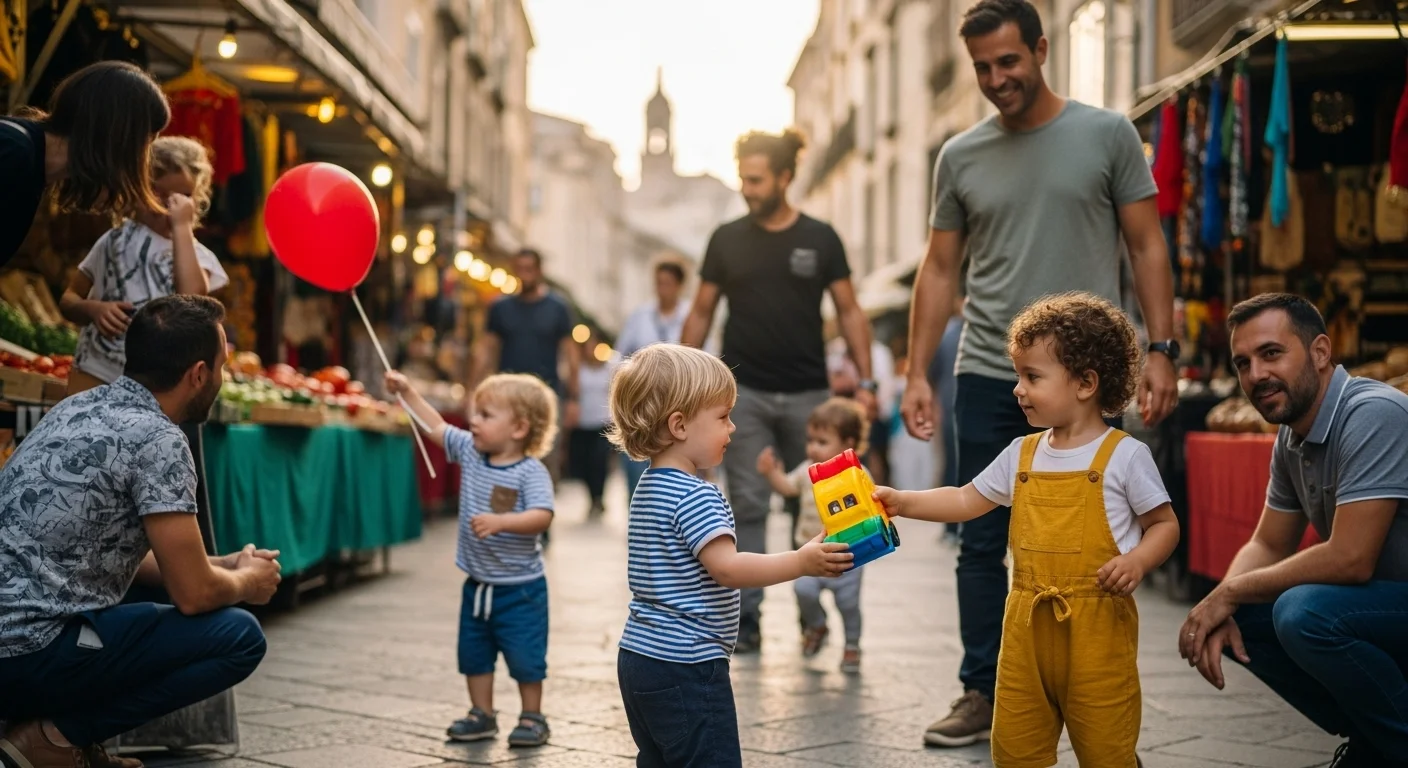
As a parent, I’ve always believed that socialization plays a crucial role in a toddler’s growth. Making friends isn’t just about having playmates; it’s an essential part of their emotional and cognitive development. Through interactions with peers, toddlers learn vital skills like sharing, empathy, and effective communication. I remember noticing my child’s excitement when they made a new friend at the park. It was a simple moment, but it felt like a leap forward in their social journey.
Friendships help toddlers navigate their feelings and understand how to relate to others. When they play together, they learn to negotiate, resolve conflicts, and even express themselves. These are skills they will carry into their school years and beyond. Observing my child develop these skills while making friends filled me with pride and joy, reinforcing the importance of fostering those connections early on.
How Travel Can Enhance Social Skills
Traveling presents a unique opportunity for toddlers to develop their social skills. When we venture into unfamiliar environments, my children find themselves surrounded by new faces and cultures, which naturally sparks curiosity and interaction. I’ve seen how different settings can ignite their adventurous spirit. Whether it’s a busy beach, a local fair, or even a playground in a new city, each place offers a chance to form bonds with other children. Read Interesting article: Backpacking with Toddlers: Nurturing Social Skills Abroad
During our travels, I’ve noticed that toddlers are often motivated by shared experiences. They connect through play, whether it’s building sandcastles on a beach or trying out a new slide at a playground. These shared moments can break down barriers and encourage friendships, even among the shyest kids. I’ve had the pleasure of witnessing my little one shyly approach another child, leading to an energetic game. It’s these spontaneous interactions that make travel so enriching.
Preparing for the Trip: Setting the Stage for Friendship
Choosing Family-Friendly Destinations
When planning a trip, I always consider family-friendly destinations that cater to young children. Places like theme parks, beach resorts, or even family-centric cities provide ample opportunities for toddlers to meet others their age. I recall our trip to a family resort where other kids were in abundance. My children quickly made friends, leading to unforgettable adventures together.
Choosing the right destination can make all the difference. Look for places that offer activities designed for young children, such as interactive museums, play zones, or nature trails. This way, you create an environment where social interactions are encouraged naturally. I often find that when the surroundings are engaging, my kids are more likely to approach others and strike up a conversation.
Researching Local Activities and Events
Before we travel, I spend some time researching local events or activities that might interest my kids. Whether it’s a community fair, a children’s festival, or even a local zoo day, these events are perfect for meeting other families. I remember discovering a kid-friendly festival during our last trip. It was a delightful experience filled with games, crafts, and, most importantly, lots of other toddlers to play with!
I find that local events can provide a more relaxed atmosphere for kids to connect. They’re often filled with activities that encourage participation, making it easier for toddlers to interact with each other. As they engage in these shared experiences, I’ve seen friendships blossom, even in the most unexpected places.
Packing Essentials for Social Interaction
When packing for our trips, I always think about items that can help facilitate interactions among toddlers. Simple things like bubbles, beach balls, or even a few favorite toys can be great icebreakers. I once packed a set of colorful building blocks for a trip, and they turned out to be a huge hit at the playground. Children from different families gathered around, intrigued by what we were doing, leading to new friendships.
Having these items on hand can spark spontaneous fun and encourage other kids to join in. It’s amazing how something as simple as bubbles can create moments of joy and connection. I’ve learned that when toddlers have engaging activities that encourage group play, they’re more likely to step out of their comfort zones and reach out to others. Read Interesting article: Fun Activities to Boost Toddler Sharing Skills on Adventures
Strategies to Encourage Friendships While Traveling
Engaging in Group Activities
Engaging in group activities has been one of the most effective ways for my kids to make friends while traveling. When we visit places that offer group classes or activities, I find that my children are more willing to step outside of their comfort zones. For instance, during our last vacation, we discovered a local art studio that hosted painting sessions for children. I remember my little one hesitating at first, but once they picked up a brush, they quickly bonded with another child who was creating a colorful masterpiece right next to them.
These shared experiences create a natural environment for toddlers to connect. Whether it’s a cooking class, a nature hike, or even a dance workshop, group activities encourage children to collaborate, communicate, and create together. I believe that these moments not only foster friendships but also help my kids develop valuable teamwork skills that they’ll carry with them as they grow.
Utilizing Playgrounds and Parks
Playgrounds and parks have become our go-to spots for spontaneous socialization. I’ve found that these environments are often filled with children eager to play and make friends. When my family travels, I always make it a point to seek out local parks. I remember one particular day at a park during our trip to San Diego; my kids were drawn to a large climbing structure. Before I knew it, they were laughing and playing with a group of local children, sharing the space and creating their own games.
What I love about playgrounds is that they provide an unstructured environment where toddlers can interact freely. They can run, climb, and explore while meeting new friends along the way. I’ve noticed that my children are more open to approaching others when they’re engaged in playful activities. I encourage them to take the lead by introducing themselves, which often leads to delightful exchanges and new connections.
Participating in Local Classes or Workshops
Participating in local classes or workshops has proven to be another fantastic way for my children to meet peers while traveling. I’ve discovered that many communities offer classes specifically designed for toddlers, such as music, art, or even sports. These classes not only provide a fun learning experience but also allow children to meet others who share their interests.
I remember enrolling my kids in a music class during a trip to Austin. The joy on their faces as they interacted with other little ones while singing and dancing was priceless. They were able to form connections through shared activities, and I could see them feeling more confident as they participated. I believe that these classes help toddlers feel a sense of belonging, even in a new environment, and they often leave with new friends and fond memories.
Making the Most of Travel Accommodations
Choosing Family-Oriented Hotels or Resorts
Choosing family-oriented hotels or resorts has made a world of difference in our travel experiences. I’ve found that accommodations that cater to families often provide opportunities for kids to play and interact. For instance, during a recent trip to a beach resort, the hotel offered a kid’s club with organized activities. My children were thrilled to join in games and crafts, which naturally allowed them to meet other kids staying at the resort.
These family-friendly environments foster a sense of community among guests. I often chat with other parents at the pool or during meals, and it’s amazing how quickly kids can bond over shared experiences. I believe that staying in places that prioritize family engagement enhances my children’s travel experience and helps them develop friendships that can last beyond the trip.
Utilizing Common Areas to Encourage Interactions
Common areas in hotels, such as lobbies, pools, or game rooms, can be excellent spots for our little ones to connect with others. I’ve seen firsthand how simply hanging out in these shared spaces can lead to friendships. One evening, while waiting for dinner, my kids met another family in the hotel lobby. They started playing with the hotel’s toys and games, and within minutes, they were laughing and running around together.
Encouraging my children to explore these common areas has been beneficial. I remind them to be open to meeting new friends and to join in on games or activities that others might be enjoying. I often sit back and watch the magic happen, knowing that these moments of connection are part of what makes travel so enriching for them.
Using Technology to Facilitate Friendships
Apps and Platforms for Connecting with Other Families
In this digital age, I’ve noticed that technology can play a positive role in helping my kids connect with others while traveling. There are several apps and platforms designed specifically for families to meet up during their trips. I remember discovering Family Travel Map, an app that allows families to share their travel plans and connect with others visiting the same area. When we were planning a trip to Nashville, I reached out to a few families who were traveling at the same time, and we ended up meeting at a local park. My children had an amazing time playing with new friends, and I appreciated the ease of connecting through technology.
Another great resource is Meetup. I’ve found local family groups that host events like playdates, outings, and community gatherings. Joining these events has allowed my kids to socialize with other children while I also get to make friends with fellow parents. I think it’s empowering to use technology to facilitate real-life connections, especially when we’re in unfamiliar places.
Using Social Media to Find Local Playgroups
Social media can be a fantastic tool for finding local playgroups or activities that my kids can join while we travel. I often search for Facebook groups dedicated to parenting in a specific city or region. For instance, during our trip to Denver, I joined a local parenting group and discovered a playdate event at a nearby park. It was a wonderful opportunity for my children to interact with others, and I met some lovely parents who shared tips about the area.
I find that many communities are open to welcoming traveling families, and social media is a great way to tap into that. By reaching out to others online, I’ve been able to gather information on the best spots for children to play and engage with their peers. Plus, I love sharing our own experiences, which can help other families in their adventures.
Encouraging Communication Skills in New Environments
Role-Playing and Practicing Conversations
Before we set off on a new adventure, I like to engage my kids in some fun role-playing exercises. This helps them practice conversations and boosts their confidence in approaching new friends. For example, we might pretend to be at a park where one child asks another to play. I’ve found that this kind of practice can ease any anxiety they might feel about meeting new kids. It turns our travel preparation into a game, which makes it less intimidating.
When we arrive at our destination, I encourage my kids to use the phrases we practiced. I often hear my little one say, “Hi! Want to play with me?” to another child, and it warms my heart. I believe that these simple exercises not only enhance their communication skills but also provide them with valuable tools for making friends in new environments.
Teaching Toddlers Simple Greetings and Phrases
I’ve learned that teaching my kids a few simple greetings and phrases in the local language can be incredibly effective. For instance, during our family trip to Mexico, I taught my children how to say “Hola” and “Adiós.” It was so endearing to see their faces light up when they greeted local children in Spanish. This small effort not only helped them connect but also showed them the beauty of different cultures.
When my kids use these greetings, I notice that other children respond positively, often sparking conversations. I think it’s important for them to understand that language can be a bridge to friendship. Whether it’s learning a simple “hello” or a fun phrase related to their interests, these little efforts can make a big difference in their social interactions.
Understanding Cultural Differences in Socialization
Respecting Local Customs and Norms
Traveling offers a unique perspective on how socialization varies across cultures. I’ve discovered that being aware of local customs and norms is essential for my children to connect with others respectfully. For example, in some cultures, direct eye contact is encouraged, while in others, it may be considered rude. I take the time to explain these nuances to my kids before we visit a new country.
When we traveled to Japan, I taught my children about bowing as a form of greeting and how to express gratitude politely. They embraced the experience, and it became a fun and educational part of our trip! It was gratifying to see them show respect for different customs, which allowed them to form connections with local children and families.
Encouraging Open-Mindedness and Adaptability
Being open-minded and adaptable is crucial when it comes to making friends in new environments. I always remind my kids that every place has its own way of doing things, and that’s part of what makes traveling exciting. I encourage them to embrace different play styles and to be patient and understanding with children who may have different backgrounds or experiences.
During our visit to a community festival in Italy, my children were initially shy about interacting with local kids playing a game they had never seen before. Instead of stepping back, I encouraged them to observe and then join in. With a little encouragement, they jumped in and started to play. I believe that fostering a mindset of curiosity and adaptability helps my children connect with others, regardless of cultural differences.
Dealing with Challenges: When Friendships Don’t Happen
Recognizing Signs of Discomfort in Your Toddler
While traveling can provide wonderful opportunities for my kids to make friends, there are times when things don’t go as planned. I’ve noticed that my children sometimes feel shy or overwhelmed in new environments, which can prevent them from connecting with others. It’s important for me to pay attention to their body language and emotional cues. For instance, if they’re clinging to me, avoiding eye contact, or appearing anxious, I know they might need a little extra support.
In these moments, I remind myself that it’s okay for them not to jump into new friendships right away. I’ve learned to create a calm environment, allowing them to observe before diving in. Sometimes, we’ll take a break away from the crowd, giving them a chance to decompress. I also try to encourage them gently, reassuring them that it’s normal to feel nervous and that they can take their time. Understanding and recognizing these signs is a crucial part of helping my children navigate social situations while traveling.
Strategies for Overcoming Shyness
Overcoming shyness can be a challenge, but I’ve found that there are several strategies that can help my kids feel more comfortable in social situations. One approach that has worked for us is to role-play scenarios where they might meet new friends. We practice simple introductions and ways to ask others to play. These exercises turn into fun games, making the idea of meeting new kids feel less intimidating.
Another effective strategy is to set up small playdates with other families we meet while traveling. I remember meeting a wonderful family during a beach trip, and we organized a playdate at a local park. Having familiar faces around can ease my children’s nerves, and it gives them the chance to bond in a more relaxed environment. I encourage them to approach new friends in pairs, as this often makes the experience less daunting.
Post-Travel: Maintaining Connections Made on the Road
Using Technology to Stay in Touch
After our travels, I think it’s important to help my kids maintain the friendships they’ve formed along the way. Technology has become a fantastic tool for this. We often exchange contact information with families we meet, whether it’s through social media or messaging apps. I remember connecting with a family we met in Hawaii, and we’ve continued to share updates and photos of our kids playing together.
Sometimes, my children will even have video calls with their new friends, which helps them feel connected despite the distance. I believe that these interactions reinforce the friendships they’ve built and allow them to share their experiences with one another. It’s heartwarming to see how excited they get when they hear from their friends, reminding me of the lasting impact of their travel experiences.
Planning Future Playdates or Visits
To keep the spirit of friendship alive, I like to plan future playdates or visits whenever possible. If we’ve formed a strong connection with a family during our travels, I suggest planning a reunion at a later date. This could be a visit to each other’s hometowns or even meeting up for another adventure in a new location. I recall one such trip where we reunited with a family we met in Florida, and it felt like a wonderful continuation of our previous adventures.
These planned meet-ups not only solidify friendships but also create new memories together. I encourage my kids to engage in conversations about what they want to do during these visits, giving them a sense of ownership over their friendships. I think it’s vital for them to understand that friendships can transcend distance, and that nurturing those connections is part of building strong relationships.
Final Thoughts
Traveling with toddlers can be a beautiful yet challenging journey when it comes to fostering friendships. Through my experiences, I’ve learned that with the right preparation, encouragement, and understanding, we can help our little ones navigate social interactions in new environments. It’s not just about finding playmates; it’s about equipping them with the skills and confidence they’ll carry into their future. By embracing the ups and downs of travel, we create lasting memories and friendships that enrich our lives. I believe that every trip is an opportunity for growth, connection, and understanding, both for us and for our children.
Frequently Asked Questions
Why is making friends essential for toddlers’ development?
Making friends is crucial for toddlers as it plays a significant role in their emotional and cognitive development. Through interactions with peers, toddlers learn vital skills like sharing, empathy, and effective communication, which they will carry into their school years and beyond.
How can traveling enhance social skills in toddlers?
Traveling exposes toddlers to unfamiliar environments and new faces, sparking curiosity and interaction. Shared experiences during travel, such as playing together at parks or beaches, help toddlers break down barriers and encourage friendships, even among the shyest kids.
What should parents consider when choosing family-friendly travel destinations?
Parents should look for destinations that cater to young children and offer engaging activities, such as theme parks, interactive museums, or nature trails. These environments naturally encourage social interactions among toddlers.
How can local activities and events help toddlers make friends while traveling?
Local events like community fairs or children’s festivals provide a relaxed atmosphere for kids to connect. Engaging in activities at these events encourages participation, making it easier for toddlers to interact and form friendships.
What are some essential items to pack to encourage toddler social interactions?
Items like bubbles, beach balls, or favorite toys can serve as great icebreakers for toddlers. Having engaging activities on hand can spark spontaneous fun and encourage other kids to join in, facilitating social connections.
How can group activities help toddlers make friends while traveling?
Group activities, such as classes or workshops, create a natural environment for toddlers to connect. Participating in these activities encourages collaboration and communication, allowing children to bond through shared experiences.
What role do family-oriented hotels or resorts play in fostering friendships?
Family-oriented hotels and resorts often provide opportunities for kids to play and interact with each other. These environments help create a sense of community among guests, allowing children to bond over shared experiences during their stay.
How can technology facilitate friendships for toddlers while traveling?
Technology, including apps and social media, can help families connect with others during their travels. Platforms like Family Travel Map or local parenting groups on social media allow families to meet up, enhancing social opportunities for their children.
What strategies can parents use to help toddlers overcome shyness in social situations?
Parents can role-play scenarios where toddlers might meet new friends and set up small playdates with familiar faces. Encouraging children to approach new friends in pairs can also make social interactions feel less daunting.
How can families maintain friendships formed while traveling?
Families can maintain friendships by exchanging contact information and using technology for communication, such as social media or video calls. Planning future playdates or visits can also help solidify these connections and create lasting memories.