
Positive discipline is a nurturing approach that fosters respect and understanding between parents and children. By focusing on love and guidance, it creates a supportive environment for healthy development. Read Interesting article: Guide to Effective Communication in Positive Discipline
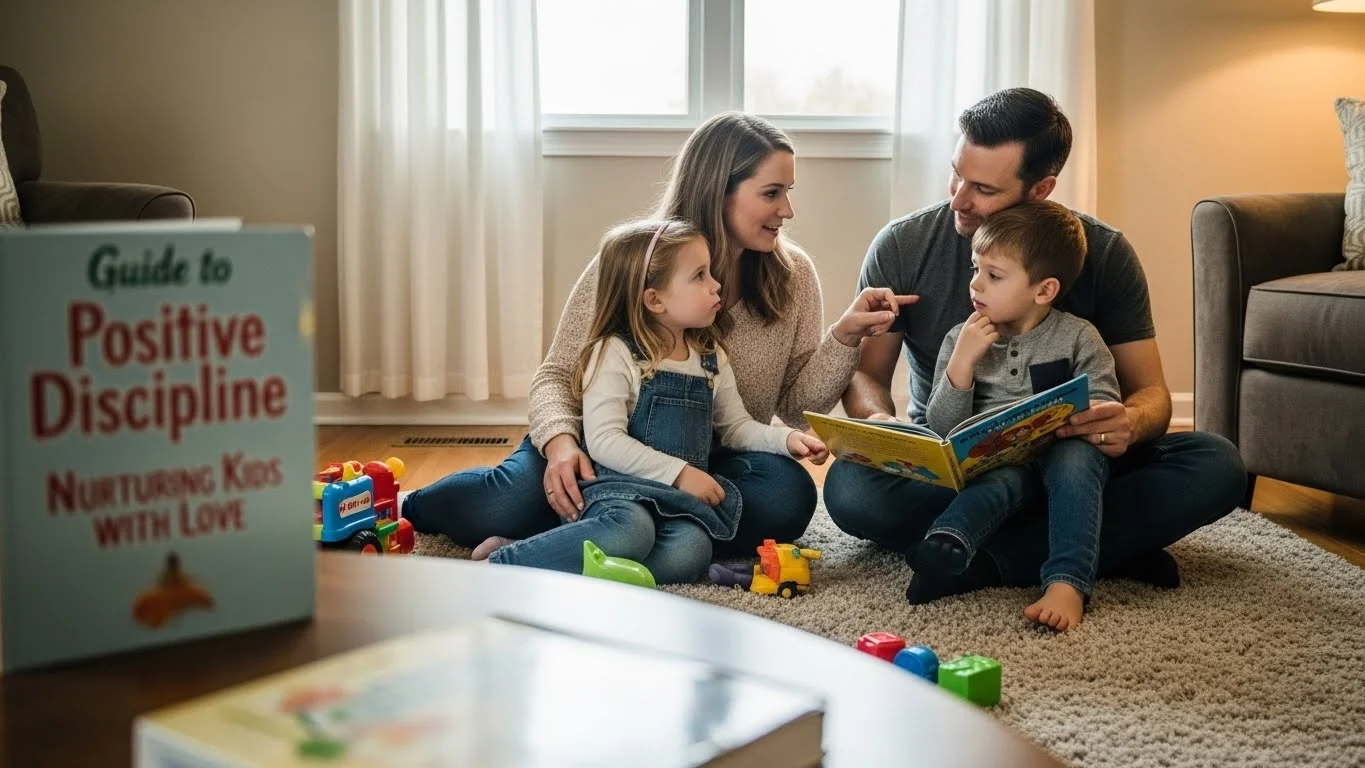
Understanding Positive Discipline
Definition of Positive Discipline
When I first stumbled upon the concept of positive discipline, I was intrigued. I learned that positive discipline is not about punishing children for misbehavior but rather about teaching them to understand the consequences of their actions. It emphasizes respect, kindness, and understanding, prioritizing the emotional well-being of the child. As I explored further, I realized that it’s a framework that guides parents in raising children who feel secure, valued, and capable.
Core Principles of Positive Discipline
In my journey with positive discipline, I discovered several core principles that resonate deeply. Firstly, it’s essential to recognize that children are not inherently naughty; they are simply learning and need our guidance. This perspective shift was enlightening for me. Secondly, the idea of mutual respect stood out. It’s about treating children as we would want to be treated ourselves while also teaching them to respect others. Thirdly, positive discipline emphasizes the importance of teaching problem-solving skills rather than merely reprimanding children. I found this approach incredibly empowering, as it encourages children to think critically about their actions and develop emotional intelligence.
Benefits of Positive Discipline for Children
From my experience, the benefits of positive discipline are numerous. One of the most significant advantages is the development of strong, trusting relationships between parents and children. I noticed that when I adopted this approach, my children felt more open to communicating with me about their feelings and challenges. This openness led to fewer outbursts and misunderstandings.
Another benefit is that children learn self-discipline and responsibility. They begin to understand the impact of their choices on themselves and others. In my household, for instance, when my kids made mistakes, instead of focusing on punishment, we would discuss what went wrong and how they could make better choices next time. This not only helped them learn but also built their confidence.
Furthermore, positive discipline helps children develop resilience. As they face challenges and learn to navigate them with support, they become better equipped to tackle difficulties in the future. I’ve seen this firsthand as my children faced various situations at school and learned to approach them with a positive mindset. They became problem solvers instead of just followers of rules.
Lastly, I believe that positive discipline encourages a lifelong love of learning. When children feel safe and respected, they are more likely to explore and engage with the world around them. I’ve watched my kids dive into new activities, ask questions, and express their curiosity without fear of harsh judgment. This nurturing atmosphere has laid a strong foundation for their personal growth.
The Philosophy Behind Positive Discipline
How Positive Discipline Differs from Traditional Discipline
Reflecting on my experiences with traditional discipline, I realized it often revolved around punishment and compliance. In contrast, positive discipline focuses on teaching and guiding. I remember a time when I would raise my voice or impose strict consequences for behavior, but it only led to fear and resentment. When I switched to positive discipline, I noticed a profound shift in my children’s reactions. They responded better to guidance and understood the reasons behind the rules.
Connecting Discipline with Love and Respect
In my opinion, the connection between discipline and love is crucial. I learned that when children feel loved and respected, they are more likely to respond positively to guidance. I have made it a point to express my love openly, even when correcting behavior. By using gentle words and active listening, I found that my children felt secure enough to express their feelings, making discipline a shared experience rather than a battle.
Long-term Impact on Child Development
Understanding the long-term impact of positive discipline is something I find fascinating. It shapes not only the immediate behavior of children but also their future relationships and emotional health. I’ve observed that children raised with positive discipline tend to have better social skills and emotional regulation as they grow. They learn to empathize with others and build meaningful connections. This insight has motivated me to stay committed to this approach, knowing the profound difference it can make in their lives.
Key Techniques in Positive Discipline
Encouragement vs. Praise
One of the first things I learned in my journey with positive discipline was the difference between encouragement and praise. At first, I thought they were the same, but I quickly realized how each affects my children differently. Praise, as I’ve come to understand, often focuses on the outcome. For instance, telling my child, “You did a great job!” can sometimes feel superficial and puts pressure on them to seek approval. Instead, I discovered that encouragement focuses on effort and the process. I started saying things like, “I noticed how hard you worked on that project!” This shift not only helps my kids feel good about their efforts but also encourages them to keep trying, regardless of the outcome. I’ve seen how this simple change can boost their self-esteem and resilience.
Setting Clear Expectations and Boundaries
Another key technique I embraced was setting clear expectations and boundaries. I remember the confusion my children faced when they weren’t sure what was allowed and what wasn’t. By sitting down with them and explaining our family rules, I found that they not only understood what was expected but also felt a sense of ownership over these rules. We even created a family agreement together! This collaborative approach made it easier for my kids to follow the guidelines. I learned that when children are involved in the process, they are more likely to adhere to the boundaries we’ve set. It’s been a game-changer for our family dynamics.
Natural and Logical Consequences
Understanding natural and logical consequences was another eye-opener for me. Initially, I thought consequences meant punishment, but I’ve learned that they can be valuable teaching moments. For example, if my child forgets their lunch, rather than rushing to their school with a replacement, I let them experience the natural consequence of being hungry. This experience taught them the importance of being responsible for their belongings. On the other hand, I also implemented logical consequences. If my child misuses a toy, a logical consequence would be temporarily removing that toy. This way, they understand the direct impact of their actions. I’ve seen how these strategies help my kids learn accountability in a supportive way. Read Interesting article: Natural Consequences: A Guide to Positive Discipline Success
Problem-Solving and Conflict Resolution Skills
Teaching my children problem-solving and conflict resolution skills has been one of the most rewarding aspects of positive discipline. I remember a time when my kids had a disagreement over a game. Instead of stepping in to resolve it myself, I guided them through the process. We talked about how both of them felt and encouraged them to come up with solutions together. I was amazed at how they could negotiate and find a compromise that made both of them happy. This not only strengthened their relationship but also equipped them with essential life skills. I’ve seen how these problem-solving skills empower my children to deal with conflicts in a positive manner, fostering their independence and emotional intelligence.
Implementing Positive Discipline at Home
Creating a Positive Environment
Creating a positive environment at home was crucial in my positive discipline journey. I’ve learned that the atmosphere we cultivate can strongly influence our children’s behavior. For me, this meant fostering a space filled with warmth, understanding, and support. I started by minimizing distractions during family discussions and ensuring that our home was a place where everyone felt comfortable expressing their feelings. We decorate the walls with art created by my kids, showcasing their creativity and making them feel valued. I’ve noticed that when our environment is positive, my children are more inclined to behave well and communicate openly.
Daily Routines and Structure
Establishing daily routines and structure has also been incredibly beneficial. I remember feeling overwhelmed by the chaos of our day-to-day life, so I decided to implement a more consistent schedule. We set aside specific times for homework, chores, and play. This predictability helped my kids know what to expect, reducing anxiety and behavior issues. I often hear the phrase “children thrive on routine,” and I couldn’t agree more. It gives them a sense of security and teaches them time management skills. We even hold weekly family meetings to plan out our week, which has encouraged my kids to take responsibility and participate actively in our family life.
Effective Communication Strategies
Effective communication has become a cornerstone of our positive discipline approach. I’ve learned that how I communicate with my children can significantly impact their willingness to listen and engage. I’ve adopted active listening techniques, which involve not just hearing their words but also understanding their feelings. I often repeat back what they say to show them I’m listening, like, “It sounds like you’re feeling upset about your friend not playing with you.” This practice has encouraged my children to share their feelings openly and has strengthened our bond. I believe that when we communicate effectively, we can work through challenges together.
Involving Children in Decision-Making
Finally, involving my children in decision-making has been a powerful aspect of positive discipline. I’ve noticed that when they have a say in family decisions—whether it’s choosing a movie for movie night or planning a family outing—they feel more empowered and respected. I try to ask for their opinions and let them weigh in on matters that affect them. This not only boosts their confidence but also teaches them how to think critically and consider different perspectives. I’ve learned that when children feel valued in decision-making, they are more invested in our family’s values and rules.
Positive Discipline Strategies for Different Age Groups
Positive Discipline for Toddlers
When I first started applying positive discipline with my toddlers, I quickly realized that this age group requires a unique approach. Toddlers are naturally curious and testing boundaries, which is a normal part of their development. I found that using simple language and clear visuals helped them understand expectations. For instance, when my little one would throw toys, instead of scolding, I would calmly say, “Toys are for playing, not throwing.” I also created a picture chart of acceptable behaviors, which helped my toddlers visualize what was expected. This method not only guided their actions but also made them feel involved in the learning process.
Another effective strategy was to redirect their energy. I remember a day when my toddler was climbing on furniture. Instead of yelling, I gently guided them to a safe area and suggested a different activity, like building blocks. This not only kept them safe but also shifted their focus to something constructive. I learned that toddlers need lots of patience and consistency, but those small adjustments brought big changes in their behavior.
Positive Discipline for Preschoolers
As my children reached preschool age, I noticed that they were beginning to express more complex emotions and desires. This was a pivotal time for implementing positive discipline. I embraced the idea of using storytelling as a tool to teach important lessons. I would often create stories that reflected situations they encountered, like sharing toys with friends. This helped them relate to the characters and understand the consequences of their actions without feeling directly criticized.
Additionally, I learned the importance of giving my preschoolers choices. Instead of simply telling them what to do, I would say, “Would you like to read a book or play with blocks?” This gave them a sense of control and made them more receptive to following through with the activity. I realized that offering choices helped reduce power struggles and encouraged them to be more cooperative.
Positive Discipline for School-Aged Children
Once my kids started school, I had to adapt my positive discipline techniques to fit their growing independence. I found that involving them in family meetings was incredibly beneficial. We would sit down once a week to discuss any issues they faced at school and brainstorm solutions together. This not only built their problem-solving skills but also made them feel heard and valued. I cherished these moments as they often led to deeper conversations about their feelings and experiences.
Another approach I discovered was using natural consequences to teach responsibility. If my child forgot their homework, instead of rescuing them with a last-minute trip to school, I would let them face the outcome. The first time this happened, I felt anxious, but I noticed it taught them a valuable lesson about planning and accountability. They became more diligent about organizing their assignments, and I felt proud knowing they learned from their own experiences.
Positive Discipline for Teenagers
As my children transitioned into their teenage years, I understood that positive discipline required a shift towards more open communication and mutual respect. I learned that teenagers crave independence, so I started treating them more like partners in discussions. I would often ask for their opinions on family decisions, which made them feel more respected and valued.
I also introduced regular check-ins to discuss their feelings and challenges. These conversations often began with questions like, “What’s something you’re excited about this week?” or “Is there anything bothering you?” This practice helped create a safe space for them to express themselves. I realized that acknowledging their emotions made a significant difference in how they responded to guidance.
Furthermore, I found it essential to set clear expectations while allowing flexibility. I would discuss curfews and responsibilities, ensuring that my teenagers understood the reasons behind the rules. This collaborative approach fostered trust and encouraged them to take ownership of their actions. I have seen how this strategy not only strengthens our bond but also prepares them for the independence they will need as adults.
Challenges and Solutions in Positive Discipline
Common Misconceptions about Positive Discipline
As I delved into positive discipline, I faced several misconceptions that I think many parents encounter. One common belief is that positive discipline means being permissive or lenient. I initially worried that if I didn’t enforce strict rules, my children would take advantage of the situation. However, I learned that positive discipline is about setting boundaries with love and guidance, not about letting kids do whatever they want. It’s about teaching them to understand the “why” behind the rules so they can internalize the values we want to instill in them.
Another misconception I encountered is the idea that positive discipline doesn’t involve consequences. I used to think that not punishing my children would lead to chaos, but I discovered that consequences are still important—they just need to be framed differently. Instead of punitive measures, I focus on natural and logical consequences, which help my children learn from their mistakes while feeling supported rather than scared.
Dealing with Resistance and Pushback
Resistance is something I’ve experienced firsthand. There were times when my children tested boundaries or reacted negatively to this new way of parenting. I remember a specific instance when my youngest was upset about sharing toys with a friend. Instead of succumbing to frustration, I chose to remain calm and reminded them of our family values around sharing. I positioned this as a learning opportunity, asking them how they could handle the situation differently next time. This approach often resulted in more productive conversations and healthier emotional expressions.
I also realized that consistency is key. I’ve learned to stick to the principles of positive discipline even when it’s challenging. When I wavered, my kids sensed the inconsistency, which led to more pushback. By being consistent, I empowered my children to trust that the boundaries we set are stable and created a sense of security that they crave.
Maintaining Consistency in Discipline
Maintaining consistency has been one of my biggest challenges. I sometimes found myself slipping into old habits during stressful moments. To combat this, I established a family mantra that we would all remember: “We learn together.” This reminder helped everyone in our family commit to the positive discipline approach. We often revisited this mantra during family meetings, reinforcing our shared goals and values.
Additionally, I’ve made it a point to regularly reflect on our discipline strategies. I’ve found that discussing what works and what doesn’t, both with my partner and the kids, reinforces our commitment to positive discipline. This open dialogue encourages accountability and helps us stay aligned in our parenting approach.
Resources for Parents and Educators
Books on Positive Discipline
One of the best ways I learned about positive discipline was through books. I found “Positive Discipline” by Jane Nelsen to be a treasure trove of valuable insights and practical strategies. This book not only deepened my understanding but also equipped me with tools I could implement immediately. I also recommend reading “The Whole-Brain Child” by Daniel J. Siegel and Tina Payne Bryson, which offers fantastic insights into child development and how we can support it through our discipline methods.
Workshops and Online Courses
Participating in workshops has been a game-changer for me. I’ve attended several sessions focused on positive discipline, and they provided a platform for discussion and learning from other parents’ experiences. Online courses can also be a flexible way to learn at your own pace. I found that engaging with experts and other parents helped reinforce the concepts I had been reading about, making them feel more relatable and applicable.
Support Groups and Communities
Finding a community of like-minded parents has been incredibly supportive. I joined a local parenting group that focuses on positive parenting techniques. Sharing our successes and challenges has not only been encouraging but also helped me gather different perspectives on the challenges we all face. Online forums can also be a great way to connect if local groups aren’t available.
Consulting Child Development Experts
If you ever feel stuck, I strongly recommend consulting a child development expert or a family therapist. They can provide personalized strategies and insights based on your specific family dynamics. I remember reaching out when I faced a particularly tough situation with my teenager, and the expert’s advice helped me navigate the conversation with empathy and understanding.
Real-life Examples and Case Studies
Success Stories of Positive Discipline
Throughout my journey, I’ve encountered numerous success stories that inspire me. One of my friends, who struggled with her son’s anger issues, found that implementing positive discipline transformed their relationship. She began using an approach that focused on expressing emotions and solving problems collaboratively. Over time, her son became more open about his feelings and learned healthier ways to cope with frustration. Hearing her story motivated me even further to continue on this path.
Lessons Learned from Challenges
I’ve also faced challenges that taught me valuable lessons. There was a period when my oldest started pushing back against boundaries, feeling that they were too strict. I learned the importance of involving her in the rule-making process, which empowered her to take responsibility for her actions. This taught me that involving children in discussions about rules not only fosters respect but also nurtures their critical thinking skills.
Adapting Techniques to Individual Needs
Every child is unique, and I’ve learned to adapt my techniques to fit their individual needs. For instance, my youngest thrives on routine, while my oldest craves more autonomy. By recognizing these differences, I’ve been able to tailor my positive discipline strategies to support both of them effectively. This flexibility has been key to ensuring that our family dynamics remain strong and nurturing.
Final Thoughts
As I reflect on my journey with positive discipline, I feel grateful for the transformation it has brought to our family life. It’s not always easy, and I still face challenges, but I believe that the effort is undoubtedly worth it. By focusing on love, respect, and understanding, I’ve seen my children grow into more responsible, empathetic individuals. Positive discipline has not only improved our relationships but has also laid a strong foundation for their future. I encourage every parent to explore this approach and discover the profound impact it can have on their family dynamics. Read Interesting article: Positive Discipline While Traveling: A Guide for Parents
Frequently Asked Questions
What is positive discipline?
Positive discipline is a nurturing approach that fosters respect and understanding between parents and children. It focuses on love and guidance, teaching children to understand the consequences of their actions rather than punishing them for misbehavior.
What are the core principles of positive discipline?
The core principles of positive discipline include recognizing that children are not inherently naughty but are learning and need guidance, promoting mutual respect, and emphasizing problem-solving skills instead of reprimanding children.
What are the benefits of positive discipline for children?
Benefits of positive discipline for children include the development of strong, trusting relationships with parents, enhanced self-discipline and responsibility, improved resilience in facing challenges, and a lifelong love of learning.
How does positive discipline differ from traditional discipline?
Positive discipline differs from traditional discipline in that it focuses on teaching and guiding children rather than punishment and compliance. It aims to create an environment where children understand the reasons behind rules rather than simply following them out of fear.
What techniques are used in positive discipline?
Key techniques in positive discipline include encouragement rather than praise, setting clear expectations and boundaries, using natural and logical consequences, and teaching problem-solving and conflict resolution skills.
How can parents create a positive environment at home?
Parents can create a positive environment at home by fostering warmth and understanding, minimizing distractions during discussions, and encouraging open communication. Decorating the home with children’s artwork can also help them feel valued and appreciated.
What strategies can be applied for different age groups in positive discipline?
For toddlers, use simple language and redirection; for preschoolers, utilize storytelling and offer choices; for school-aged children, involve them in family meetings and teach through natural consequences; and for teenagers, encourage open communication and mutual respect.
What are common misconceptions about positive discipline?
Common misconceptions include the belief that positive discipline is permissive or lenient and that it does not involve consequences. In reality, positive discipline sets boundaries with love and includes natural and logical consequences to support learning.
How can parents deal with resistance and pushback when using positive discipline?
Parents can deal with resistance by remaining calm, reinforcing family values, and maintaining consistency in their discipline approach. Involving children in discussions about rules can also help reduce pushback and foster respect.
What resources are available for parents interested in positive discipline?
Resources for parents include books such as “Positive Discipline” by Jane Nelsen, workshops and online courses focused on positive discipline, support groups and communities, and consulting with child development experts for personalized strategies.