
Traveling with a newborn can be both exciting and daunting, especially when it comes to ensuring they sleep safely. I’ve learned a lot about creating a secure sleep environment while on the go, and I’m here to share my insights. Read Interesting article: Essential Safe Sleeping Tips for Traveling Newborns
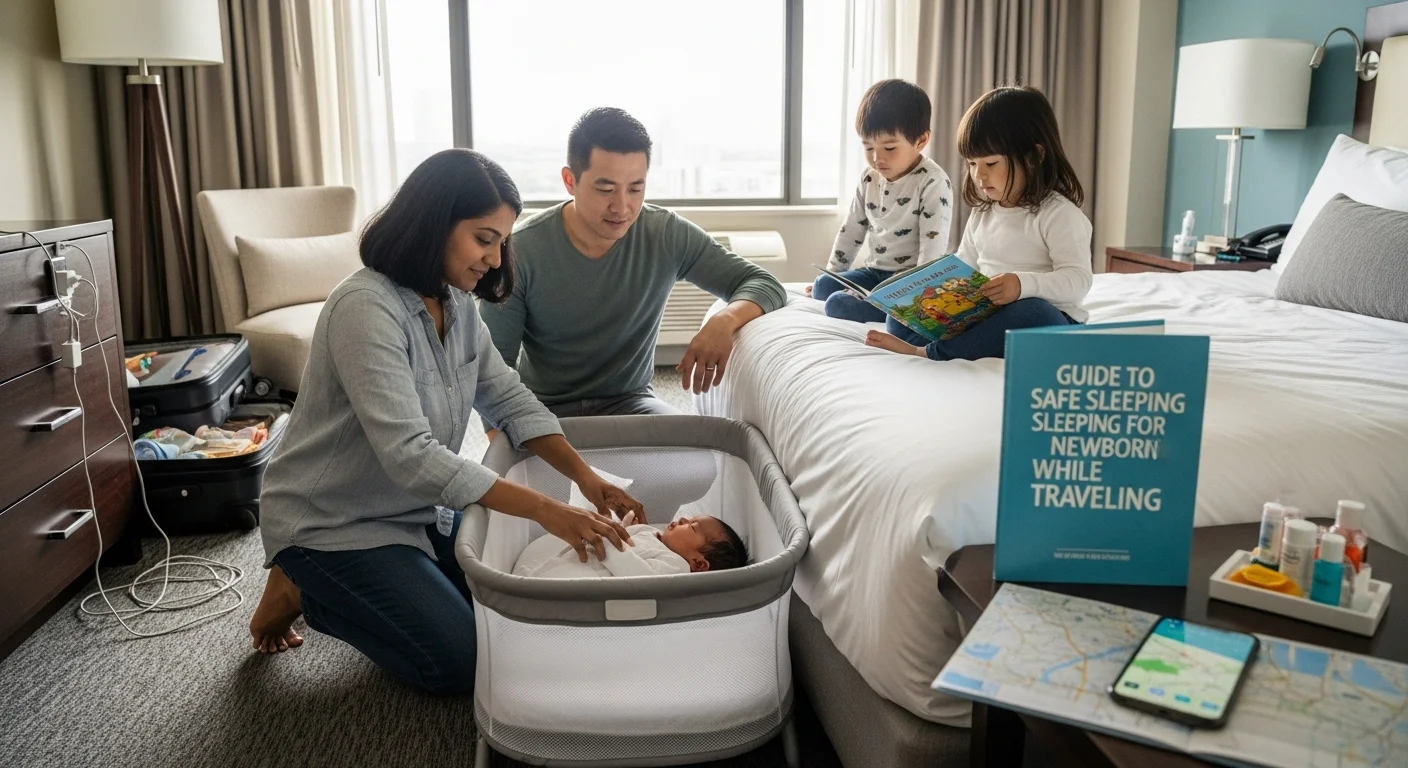
Understanding Safe Sleep Practices for Newborns
Importance of Safe Sleep
When I first became a parent, I quickly realized how crucial safe sleep practices are for newborns. It’s not just about comfort; it’s about protecting our little ones from potential dangers while they rest. The American Academy of Pediatrics emphasizes that babies should always sleep on their backs, on a firm mattress, and in a crib or bassinet that meets safety standards. This simple guideline can significantly reduce the risk of Sudden Infant Death Syndrome (SIDS), and I made it my goal to follow this advice religiously. Top 5 Safe Sleeping Practices for Newborns on the Go has some great tips that align with this advice.
In my experience, creating a safe sleep space also means keeping the crib free of soft bedding, pillows, or toys. I learned that these items can pose suffocation risks. Instead, I chose a fitted sheet and a sleep sack for my baby to keep them cozy without adding any hazards. It’s amazing how a few adjustments can make such a difference in peace of mind during travel.
Common Sleep Risks for Newborns
As I ventured into traveling with my baby, I became more aware of the common sleep risks that could arise. One of the biggest concerns was using an unsafe sleep surface. I remember staying at a hotel where the crib seemed old and rickety, and it made me uneasy. I quickly learned to ask questions and ensure any travel cribs or bassinets we used met safety standards. That experience taught me to always inspect the sleeping area, regardless of where we were staying.
Another risk I noticed was the potential for overheating. When we traveled, I paid close attention to the temperature of the room. I kept the thermostat at a comfortable level and dressed my baby in breathable fabrics. I believed that ensuring they didn’t get too hot was just as important as making sure they were in a safe sleeping position.
Preparing for Travel with a Newborn
Choosing the Right Travel Crib or Bassinet
Choosing the right travel crib or bassinet is perhaps the most critical step I took in preparing for travel with my newborn. After doing my research, I opted for a lightweight, portable crib that easily fit into our car. I wanted something that would be simple to set up and safe for my baby to sleep in. I made sure it had a firm mattress and was compliant with safety standards.
During our travels, I also found it helpful to have a crib that could be easily folded and packed. The last thing I wanted was to struggle with bulky equipment when we arrived at our destination. I remember a trip where we used a travel crib that set up in minutes, allowing us to focus on settling in rather than wrestling with gear. This made my traveling experience so much smoother!
Essential Packing List for Safe Sleeping
When packing for our trips, I made sure to include essential items for safe sleeping. Here’s a list that worked for us:
- Portable crib or bassinet
- Firm, fitted mattress
- Sleep sacks or swaddles
- Breathable blankets
- Baby monitor
- First-aid kit
Having these items readily available gave me peace of mind. I remember a particular night when we were staying with friends, and I set up my baby’s sleep area with their travel crib, sleep sack, and a soft, breathable blanket. Seeing my baby nestled safely in their own little space made the trip feel much more manageable.
Being prepared is key when traveling with a newborn, and I learned that having a checklist helped me stay organized. I never wanted to be in a situation where I forgot something vital for my baby’s sleep safety.
Safe Sleeping Locations When Traveling
Hotels: What to Look For
When booking hotels, I always made sure to look for ones that offered cribs or bassinets. I often called ahead to confirm that they provided safe sleeping arrangements. On one trip, I stayed at a hotel that promised new cribs, and I was relieved to see a brand-new crib set up in our room upon arrival. It eased my worries about my baby’s safety, allowing me to enjoy our travel experience fully.
Airbnbs and Vacation Rentals: Safety Considerations
Airbnbs and vacation rentals can be a bit tricky, but I learned to be cautious. I always read reviews to check if previous guests had concerns about safety. I would also contact the host to ask about the sleeping arrangements. Once, I found a rental with a crib, but I insisted on seeing it first. It turned out to be in excellent condition, and I felt great knowing my baby would sleep safely there.
Friends and Family Homes: Setting Up a Safe Sleep Space
When we traveled to visit friends and family, I often had to set up a makeshift sleep area. I remember going to my sister’s house and using a pack-and-play for my baby. I made sure it was placed away from windows and away from any potential hazards. It was a learning experience, but I felt accomplished when I created a cozy and safe sleep spot for my little one.
Creating a Safe Sleep Environment on the Go
Temperature Control and Ventilation
One of the biggest challenges I faced while traveling was ensuring my baby slept comfortably in different environments. I quickly learned that temperature control and ventilation are crucial for safe sleep. It’s fascinating how babies can be so sensitive to temperature changes. I remember one trip where the hotel room felt a bit stuffy. I immediately opened a window and adjusted the thermostat to make sure my baby wouldn’t overheat. Keeping the temperature between 68°F and 72°F is recommended for newborns, and I always aimed to stay within that range.
When we traveled during hot weather, I made sure to dress my baby in light, breathable fabrics. I loved using cotton sleep sacks, which helped my little one stay cool while ensuring they were snug. On cooler trips, layering was key. I’d add a light blanket if necessary but made sure it was breathable to avoid any risk of suffocation. It’s all about finding that perfect balance, and from my experience, paying attention to these details made a huge difference in how well my baby slept.
Eliminating Hazards in the Sleeping Area
Every time I set up a sleep space for my baby, I took a moment to eliminate any potential hazards. I remember once visiting a friend who had a lovely guest room, but I noticed some decorative items on a nearby shelf that could easily fall. I quickly moved the crib to a different position and ensured nothing was within reach. It’s surprising how many things can pose risks, from cords to loose pillows. I made it a habit to do a quick sweep of the area before settling my baby down for a nap.
When staying with family or friends, I always communicated my sleep safety needs. I’d ask them to help create a safe sleep environment, like moving any items that could be dangerous or ensuring the crib was placed away from windows. I felt empowered knowing that I could advocate for my baby’s safety, and it was rewarding to create a cozy and secure space, no matter where we were.
Using Sleep Sacks and Swaddles
Sleep sacks and swaddles became my best friends while traveling. I found that they not only kept my baby warm but also provided a sense of security that helped them sleep better. I remember the first time I tried a sleep sack during a trip; my baby seemed to love it! It kept them snug without the risk of loose blankets. I found it comforting to know that they were safe and secure while sleeping, especially when we were in unfamiliar places.
Swaddling became a nightly ritual, especially in those early weeks. I learned how to swaddle my baby effectively, ensuring their arms were snug but not too tight. I used soft, breathable fabrics that didn’t create overheating issues. Swaddles helped my baby feel cozy, mimicking the womb, and I noticed they often slept longer when I used them. When we traveled, I made sure to pack a couple of extra swaddles just in case, as they also doubled as a light blanket during cooler evenings.
Traveling by Car: Ensuring Safe Sleep
Car Seat Safety Guidelines
Traveling by car with a newborn can feel a bit overwhelming, but I discovered that following car seat safety guidelines made the journey smoother. I invested in a high-quality infant car seat that met safety standards and was easy to install. I remember feeling a sense of relief knowing my baby was securely fastened and protected during our travels. I always double-checked the harness to ensure it was snug but comfortable, a tip I found helpful from fellow parents.
It’s vital to keep in mind that babies should remain in a rear-facing position until they reach the maximum weight limit for the car seat. Each state may have different laws, so I made sure to stay informed. I felt confident knowing I was following the best practices to keep my baby safe, and it made the road trips less stressful. Plus, I learned that taking breaks during long drives allowed my baby to stretch and rest, which contributed to their overall comfort.
Best Practices for Long Road Trips
Long road trips can be challenging, but I found a few best practices that worked wonders for us. First, I planned our trips around my baby’s nap schedule. Driving during their usual nap times meant they would often sleep peacefully in the car, allowing us to cover more ground without too many interruptions. I also packed plenty of snacks and activities for us to enjoy during stops, which made our breaks feel like mini-adventures.
During longer stretches of driving, I made sure to create a calm environment in the car. Playing soft music or white noise helped soothe my baby, and I always kept the temperature comfortable. I also found it helpful to have a travel mirror so I could glance back and check on my little one without having to turn around completely. It felt reassuring to see them peacefully sleeping in the back, and it made the journey much more enjoyable for us all.
Traveling by Air: Tips for Safe Sleeping
Choosing the Right Flight Times
Flying with a newborn can feel like a daunting task, but I’ve found that timing our flights wisely made a world of difference. I quickly learned that scheduling flights during my baby’s usual nap times helped them stay calm and content. For instance, I remember one trip where we had a morning flight. My little one usually napped around that time, so I packed up our things and got us to the airport early. We boarded the plane, and true to form, my baby fell asleep right as we took off. It was such a relief to have a peaceful start to our journey!
I also found that late-night flights could be a good option if my baby was used to sleeping during those hours. Of course, I made sure to consider our own energy levels, as traveling can be exhausting. I recommend thinking about what works best for your family and trying to book flights that align with your baby’s natural sleep patterns. It also helps to have a plan in place for keeping them occupied during layovers or longer waits at the airport.
On-Board Sleeping Arrangements
Once on the plane, I realized that creating a comfortable sleeping arrangement for my baby was key. I always brought along a soft blanket or their favorite swaddle. I loved using a travel blanket because it was lightweight and didn’t take up much space in my carry-on. The familiar smell of the blanket seemed to help my baby relax, which I found comforting.
Additionally, I made sure to book seats with extra legroom whenever possible. This little bit of space allowed me to stretch my legs and create more room for my baby. On one flight, I was fortunate enough to have an empty middle seat next to us, which made a huge difference. I laid my baby across my lap with the blanket, creating a cozy little nest for them to sleep in. It was a win-win situation, as I could still keep an eye on them while having a little more comfort myself.
Many airlines offer infant seat belts, so I made sure to use these when my baby wasn’t in my arms. I also found it helpful to practice calming techniques, like gentle rocking or singing softly, to help my baby drift off to sleep amidst the sounds of the plane. Overall, creating a safe and secure environment on the plane helped me feel at ease, knowing my little one was comfortable. Read Interesting article: Top Tips for Creating a Peaceful Sleep Space for Newborns
Adjusting Sleep Routines While Traveling
Maintaining Consistent Sleep Schedules
Maintaining a consistent sleep schedule while traveling can be a challenge, but I found it essential for both my baby’s well-being and our family’s overall harmony. Before each trip, I tried to maintain our usual bedtime routine as closely as possible. Whether it was a warm bath, reading a story, or singing a lullaby, these small rituals helped my baby recognize that it was time to wind down.
During our travels, I made sure to be mindful of time changes, especially when crossing time zones. I remember one trip where we went from the East Coast to the West Coast, and it took a few days for my baby to adjust. I learned to gradually shift our schedule in the days leading up to our departure, moving bedtime earlier or later, depending on the direction of travel. This little tweak made the adjustment period much smoother.
I also kept a portable white noise machine handy. I found that playing white noise helped drown out unfamiliar sounds and created a more soothing environment for my baby to sleep, regardless of where we were. It became a must-have item in my travel bag, and I believe it played a significant role in keeping my baby’s sleep routine intact while on the go.
Adapting to New Environments
Adapting to new environments can be tricky for a newborn, but I found that creating a familiar sleep space helped ease the transition. When we arrived at a new place, I would quickly set up the crib or bassinet and ensure it was comfy. I also tried to keep the room dimly lit, as I learned that reducing light exposure helped signal to my baby that it was time to sleep. I remember one time using a scarf to cover the window and block out the morning sun, which made a huge difference in extending my baby’s nap time.
As I became more accustomed to traveling, I started to notice how my baby responded to different environments. Sometimes they would be more restless in unfamiliar places, and other times, they adapted surprisingly well. I realized that being patient and flexible was key. If a nap didn’t go as planned, I would try again later, and often found that things would work out in the end.
Ultimately, traveling with a newborn is a learning experience. Each trip has taught me something new, and over time, I became more confident in adapting our routines to fit our travels. I remember one vacation where everything seemed to go wrong, from flight delays to a missed nap. Despite the chaos, my baby still managed to find some sleep, and I felt a sense of accomplishment knowing that we navigated it together.
Frequently Asked Questions
What are safe sleep practices for newborns while traveling?
Safe sleep practices include placing babies on their backs to sleep on a firm mattress in a crib or bassinet that meets safety standards. It’s important to keep the crib free of soft bedding, pillows, and toys to reduce suffocation risks.
How can I ensure my baby sleeps safely in a hotel?
When booking hotels, look for ones that offer cribs or bassinets. Always call ahead to confirm the safety of the sleeping arrangements and inspect the crib upon arrival to ensure it meets safety standards.
What items should I pack for safe sleeping while traveling?
Essential items for safe sleeping include a portable crib or bassinet, a firm fitted mattress, sleep sacks or swaddles, breathable blankets, a baby monitor, and a first-aid kit.
How do I choose a suitable travel crib or bassinet?
Select a lightweight, portable crib that is easy to set up and complies with safety standards, ensuring it has a firm mattress for your baby’s sleep.
What temperature is ideal for my baby to sleep in while traveling?
The recommended temperature for a newborn’s sleep environment is between 68°F and 72°F. It’s essential to monitor the room temperature and dress your baby in breathable fabrics to prevent overheating.
How can I adapt my baby’s sleep schedule when traveling?
To maintain a consistent sleep schedule, keep the bedtime routine as close to home as possible, be mindful of time changes, and gradually shift your baby’s schedule prior to traveling if crossing time zones.
What should I do to eliminate hazards in my baby’s sleeping area?
Before setting up a sleep space, conduct a quick sweep of the area to remove any potential hazards, such as cords or loose items, and communicate your needs to friends or family to help create a safe environment.
What strategies can help my baby sleep on a plane?
Schedule flights during your baby’s nap times, bring familiar items like a soft blanket, book seats with extra legroom for comfort, and use calming techniques such as gentle rocking or singing to help them relax.
How can sleep sacks and swaddles assist with safe sleeping while traveling?
Sleep sacks and swaddles keep your baby warm and secure without the risk of loose blankets. They help provide a sense of comfort, mimicking the womb and potentially leading to longer sleep periods.
What should I do if my baby struggles to sleep in new environments?
If your baby has difficulty sleeping in new places, quickly set up a familiar sleep space, keep the room dimly lit, and be patient and flexible with their sleep routine until they adjust.