
Boosting your child’s health through a vegan diet can be an exciting journey! By understanding vegan nutrition, we can ensure our kids get all the essential nutrients they need to thrive. Read Interesting article: Vegan Nutrition Tips for Healthy Kids: A Parent’s Guide
Understanding Vegan Nutrition for Children
What is Vegan Nutrition?
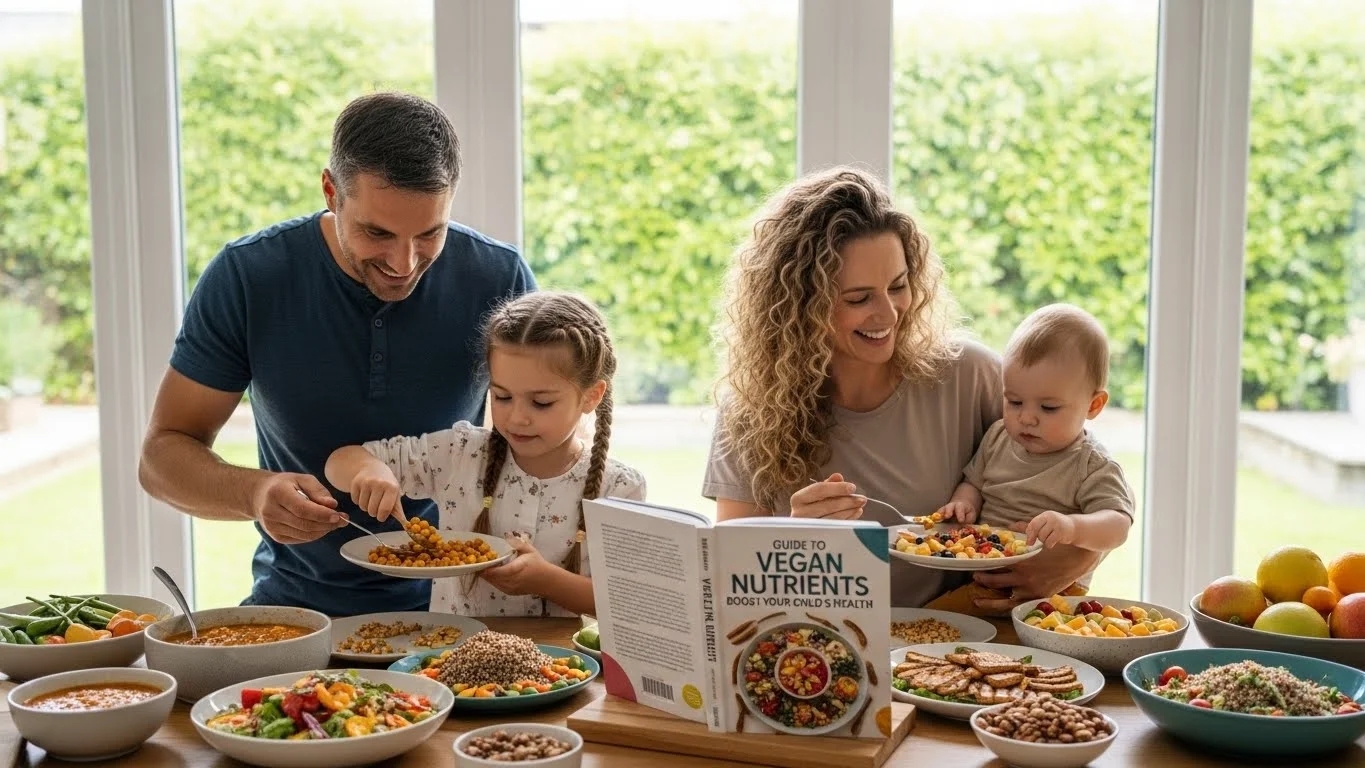
Vegan nutrition focuses on a diet that excludes all animal products, including meat, dairy, and eggs. As a parent, I remember the initial concerns I had when I decided to adopt veganism for my family. I wanted to ensure my children received a balanced diet while sticking to our ethical and health beliefs. Vegan nutrition emphasizes whole, plant-based foods like fruits, vegetables, grains, legumes, nuts, and seeds. These foods provide vital nutrients and can be incredibly delicious when prepared right!
Key Differences Between Vegan and Non-Vegan Diets
The primary difference between vegan and non-vegan diets lies in the sources of food. Non-vegan diets often rely on animal-based products that can provide proteins and certain vitamins, such as B12 and D. In contrast, vegan diets must creatively incorporate plant-based alternatives to meet these nutritional needs. I found it fascinating how diverse plant-based options could be, such as using nutritional yeast for B12 or fortified plant milks for calcium and vitamin D.
Another difference is the awareness of nutrient intake. In a non-vegan diet, many essential nutrients are readily available through animal products. However, in vegan diets, we have to be more mindful about where our nutrients come from and how to combine foods to maximize absorption. For instance, pairing vitamin C-rich foods with iron sources can enhance absorption, which is something I learned while planning meals for my kids.
The Importance of Nutrient-Dense Foods
Nutrient-dense foods are the backbone of any healthy diet, especially for children. Kids are growing, developing, and learning at a rapid pace, so what they eat plays a crucial role in their overall health. I remember feeling overwhelmed at first, thinking about how to ensure my kids received enough energy and nutrients. However, I discovered that focusing on whole foods—those that are minimally processed and rich in vitamins and minerals—was key to our success.
In our case, we aimed for a colorful plate at every meal. I found that different colors often meant different nutrients. For example, vibrant orange carrots are packed with beta-carotene, while dark leafy greens like spinach provide iron and calcium. I also made it a habit to include whole grains like quinoa and brown rice, which are excellent sources of fiber and protein.
Another aspect I noticed was how nutrient-dense foods could help maintain energy levels throughout the day. My children often felt more energized and focused in school when we incorporated wholesome meals rather than processed snacks. We made it a fun challenge to try new fruits and vegetables each week, exploring exotic options at our local farmers’ market. This not only diversified their diet but also made mealtime more exciting.
To make sure my kids were getting enough nutrients, I often turned to recipes that highlighted legumes, such as black beans, lentils, and chickpeas. These ingredients are not only packed with protein but are also versatile, allowing for everything from soups to tacos. I learned how to create hearty meals that were both satisfying and nourishing.
It’s essential to remember that while vegan diets can be incredibly healthy, they can also be deficient if not planned correctly. I often researched and consulted with nutrition experts to ensure we were making informed choices. This way, I felt more confident in providing my children with the nutrients they needed. I also kept a close eye on their growth and energy levels, adjusting our meals when necessary.
In my experience, preparing meals became a more engaging activity when I involved my kids. They loved helping me pick out ingredients and learn about the benefits of each food. This not only educated them about their diet but also fostered a sense of responsibility and pride in what they were eating. I believe that when kids understand the “why” behind their meals, they are more likely to embrace a healthy lifestyle.
As we move forward in our journey to ensure our children receive adequate nutrients, it’s crucial to remain open-minded. Adaptability is key, whether that means trying new recipes or exploring different food combinations. Through this exploration, we can create a nourishing environment for our children that promotes health, awareness, and a love for plant-based eating.
Essential Nutrients for Vegan Children
Protein Sources
When I first started transitioning my children to a vegan diet, one of my biggest concerns was ensuring they got enough protein. After all, protein is often touted as a crucial building block for growing bodies. Thankfully, I discovered that there are plenty of plant-based sources of protein that can easily be incorporated into their meals. Foods like beans, lentils, chickpeas, and tofu became staples in our kitchen.
Quinoa is another fantastic option that I came to love; it’s a complete protein, meaning it contains all nine essential amino acids. We often made quinoa salads packed with veggies, which my kids enjoyed. I also found that nuts and seeds, such as almonds, chia seeds, and hemp seeds, could be sprinkled on various dishes to boost the protein content. Introducing these protein sources not only met their dietary needs but also added variety and texture to our meals.
Iron: Importance and Sources
Iron is another vital nutrient that I learned to pay close attention to, especially since it’s crucial for healthy growth and development in children. I remember feeling a bit overwhelmed by the idea that plant-based iron, known as non-heme iron, isn’t absorbed as efficiently as the heme iron found in animal products. That being said, I found ways to enhance absorption through smart food pairings.
Foods like lentils, beans, tofu, and spinach are great sources of iron. I made it a habit to combine these iron-rich foods with vitamin C sources—like bell peppers or citrus fruits—to help increase absorption. For example, a lentil stew with tomatoes and a squeeze of lemon became a family favorite. I also kept an eye on my kids’ overall iron levels by including iron-fortified cereals and snacks in their diet.
Calcium: Plant-Based Sources
Calcium was another nutrient I wanted to ensure my kids were getting enough of, especially since it’s essential for developing strong bones and teeth. Initially, I thought dairy was the only way to get calcium, but I quickly learned there are numerous plant-based alternatives. I started using fortified plant milks and yogurts to make smoothies or as a base for cereals.
Leafy greens like kale and bok choy, along with broccoli and almonds, also became regular items on our shopping list. I remember finding it so rewarding to create delicious smoothies that packed a calcium punch. Adding a handful of greens to a fruit smoothie not only made it nutritious but also colorful and appealing to my children. It’s incredible how versatile plant-based calcium sources can be!
Vitamin B12: How to Ensure Adequate Intake
Vitamin B12 was a bit of a challenge for me. This vitamin is primarily found in animal products, so I had to find ways to ensure my kids were getting enough. I learned that fortified foods, such as certain plant milks, breakfast cereals, and nutritional yeast, are great sources of B12. Read Interesting article: How to Ensure Your Kids Get Vegan Nutrients Daily
In our home, nutritional yeast became a beloved flavor enhancer. We sprinkled it on popcorn, pasta, and even mixed it into sauces. I also considered a B12 supplement after consulting with our pediatrician, which gave me peace of mind. I think it’s vital for us parents to stay informed about our children’s nutritional needs, especially when following a vegan diet.
Omega-3 Fatty Acids: Plant-Based Options
Omega-3 fatty acids are essential for brain development, and I wanted to ensure my kids were getting enough of these healthy fats. While fish is a common source of omega-3s, I discovered several plant-based alternatives that worked well for us. Flaxseeds, chia seeds, and walnuts became my go-to options. I started adding ground flaxseed to smoothies, oatmeal, and even baked goods.
Chia seeds also became a fun addition. We made chia pudding as a snack, which my kids loved! It was great to see them enjoy something that was not only tasty but also packed with nutrients. This exploration of different sources of omega-3s helped us discover new flavors and textures, making our meals even more enjoyable.
Vitamin D: Importance and Sources
Vitamin D is crucial for calcium absorption and overall bone health, but I found it a bit tricky to incorporate it into our vegan lifestyle. We lived in a sunny area, so I encouraged my children to play outside, which helped boost their natural vitamin D levels. However, I also looked for fortified foods like plant milks and certain breakfast cereals.
When winter came and the sun was scarce, I considered vitamin D supplements. After a chat with our healthcare provider, I felt confident that we were taking the right steps to keep our kids healthy. It’s amazing how a little planning can go a long way in ensuring our children get the nutrients they need!
Zinc: Key Sources for Growth
Zinc is another nutrient I became aware of during our vegan journey. It plays a role in growth and development, which is especially important for kids. I found that beans, lentils, seeds, nuts, and whole grains are excellent sources of zinc. Incorporating a variety of these foods in our meals became a fun challenge.
For instance, we often made homemade granola bars using oats, nuts, and seeds. It was a great way to sneak in zinc while creating a tasty snack that my kids could take to school. I loved seeing them excited about snacks that were not only delicious but also nourishing!
Fiber: Benefits and Sources
Lastly, I can’t overlook the importance of fiber in our diet. I’ve learned that fiber is essential for digestion and helps keep our kids full and satisfied. Since our meals were focused on whole, plant-based foods, we naturally consumed a lot of fiber-rich fruits, vegetables, whole grains, and legumes.
My children loved snacking on fruits and veggies, and I often made sure to include whole grains like brown rice and whole wheat pasta in our meals. I noticed that their energy levels were steadier throughout the day, and they were less prone to the sugar crashes that sometimes come with processed snacks. It really felt rewarding to see how our dietary changes positively impacted their overall health!
Creating a Balanced Vegan Meal Plan for Children
Understanding Macronutrients
When I started planning meals for my kids, I quickly realized the importance of balancing macronutrients: proteins, carbohydrates, and fats. Each plays a unique role in our bodies, especially for growing children. I found that understanding these macronutrients helped me create meals that were not just nutritious but also satisfying for my kids.
For proteins, as I mentioned earlier, we relied heavily on beans, lentils, and tofu. Carbohydrates came from whole grains and starchy vegetables, which provided the energy they needed for their active lifestyles. I began to appreciate the versatility of grains like quinoa and farro, which not only filled them up but also packed in nutrients. As for fats, I learned that healthy options like avocados, nuts, and seeds were crucial. They supported brain development and overall health. It was enlightening to see how these three macronutrients worked together to fuel our bodies.
Sample Vegan Meal Plan for Kids
Creating a meal plan can feel daunting, but I found that having a structure made it easier to ensure my kids were getting a well-rounded diet. Here’s a simple sample meal plan that worked wonders for us:
- Breakfast: Overnight oats made with almond milk, topped with sliced bananas and a sprinkle of chia seeds.
- Snack: Apple slices with almond butter.
- Lunch: Quinoa salad with black beans, corn, diced tomatoes, and a squeeze of lime. Served with a side of carrot sticks.
- Snack: A handful of mixed nuts and dried fruit.
- Dinner: Lentil soup with spinach and whole grain bread. I often added a side of roasted sweet potatoes.
- Dessert: Banana nice cream made by blending frozen bananas until creamy.
This plan provided a good balance of macronutrients while also being delicious and appealing to my kids. I often involved them in choosing snacks and meals, which made them more excited about their food.
Snacks and Treats: Healthy Vegan Options
Snacking was another area I wanted to get right. Kids tend to have a love for snacks, and I’d rather they enjoyed healthy options rather than empty-calorie treats. I found that preparing healthy snacks in advance helped us a lot. Some of our favorites included:
- Trail mix with nuts, seeds, and a few dark chocolate chips.
- Veggies with hummus for dipping.
- Fruit smoothies made with spinach, banana, and almond milk.
- Chia pudding topped with fresh berries.
These snacks not only kept my kids satisfied but also introduced them to a variety of healthy ingredients. I remember how excited they were to help me create our own trail mix, choosing their favorite ingredients and discovering new combinations.
Incorporating Variety: Seasonal and Cultural Foods
One of the most enjoyable parts of our vegan journey was the opportunity to explore seasonal and cultural foods. I learned that incorporating variety into our meals was essential for keeping my kids engaged and curious about what they ate. We made it a habit to visit local farmers’ markets, where we could find fresh, seasonal produce. My kids loved picking out fruits and vegetables they had never tried before, like dragon fruit or bok choy.
We also explored recipes from different cultures, which made mealtime an adventure. I remember the first time we tried making a vegan curry; the spices filled our home with warmth and aroma, and my kids were eager to taste our creation. Each culture offered unique flavors and cooking methods, which not only enriched our diet but also opened up conversations about the world around us.
By incorporating a mix of seasonal and cultural foods, I found that we were not only nourishing our bodies but also fostering a love for diverse cuisines. This experience helped my children develop an openness to trying new foods, which I believe is an invaluable skill for a lifetime.
Addressing Common Concerns About Vegan Diets for Kids
Can Vegan Diets Support Healthy Growth?
One of the biggest worries I had when transitioning my kids to a vegan diet was whether it could support their healthy growth. It’s a common concern among parents who consider going plant-based. However, through my experience, I found that a well-planned vegan diet can absolutely support the growth and development of children. I learned that focusing on nutrient-rich foods and ensuring a balance of macronutrients is key.
In our household, my kids thrived on a variety of fruits, vegetables, whole grains, and legumes. I often noticed they were energetic and engaged in their activities. They grew taller and stronger while remaining curious about different foods. Consulting with a pediatrician who understood vegan nutrition also reassured me that we were on the right path. I believe that when we provide a balanced diet full of whole foods, our children can flourish regardless of whether they consume animal products.
Potential Nutrient Deficiencies and How to Avoid Them
While I was excited about the vegan diet, I also recognized that there could be potential nutrient deficiencies if we weren’t careful. Vitamins like B12, D, and minerals like iron and calcium were ones I diligently monitored. I made it a routine to include fortified foods and supplements as needed. For instance, I learned that regularly serving fortified cereals and plant milks can fill gaps in our nutrient intake.
We also focused on variety. I discovered that rotating different fruits, vegetables, and grains not only kept meals interesting but also ensured a broader spectrum of nutrients. I found that incorporating a wide variety of colors in our meals not only looked appealing but also often indicated a range of essential vitamins and minerals. This approach helped us avoid deficiencies and embrace the vibrancy of a plant-based lifestyle.
Consulting Healthcare Providers: When and Why
Consulting with healthcare providers was something I found essential on our journey. I remember feeling uncertain about certain aspects of nutrition, and having a trusted pediatrician who understood vegan diets helped me feel more confident. They provided valuable insight into my children’s growth patterns and dietary needs.
Regular check-ups allowed us to assess nutrient levels through simple blood tests. When I brought up our vegan diet, the pediatrician was supportive and offered guidance on foods we could include for optimal health. I think it’s crucial for parents to be proactive in seeking advice, especially when transitioning to a new dietary lifestyle. This way, we can ensure that our children are getting what they need to grow and thrive.
Practical Tips for Parents
How to Transition Your Child to a Vegan Diet
When it came time to transition my kids to a vegan diet, I wanted to make it as smooth as possible. I started by introducing one or two vegan meals a week instead of a complete overhaul all at once. This gradual approach allowed them to adjust to new flavors and textures without feeling overwhelmed. I remember making their favorite dishes with plant-based ingredients, which helped ease the transition. Over time, we slowly increased our vegan meals, and before I knew it, our family was fully embracing this new lifestyle.
Involving Kids in Meal Preparation
Involving my children in the kitchen was a game changer! I found that when they helped prepare meals, they were more excited to eat them. From washing veggies to stirring pots, their participation fostered a sense of ownership over their food. We made it a fun family activity, experimenting with new recipes together. I loved hearing them share their ideas for meals, which made mealtime an adventure. When kids feel connected to their food, they’re more likely to enjoy it.
Educating Children About Veganism
As we embraced a vegan lifestyle, I realized it was important to educate my kids about veganism. I shared our reasons for choosing this path, from health benefits to environmental considerations. We read books and watched documentaries together that explored plant-based eating. This education not only helped them understand our choices but also encouraged them to be mindful and compassionate eaters. I believe that understanding the “why” behind our meals empowers children to make healthy choices for themselves.
Dealing with Social Situations: Birthday Parties and School
Social situations, like birthday parties or school events, initially worried me. I didn’t want my kids to feel left out when everyone else was enjoying non-vegan treats. I learned that communication was key. I spoke to party hosts about dietary preferences and often brought along delicious vegan alternatives. At school, I packed lunches that were not only nutritious but also fun and appealing. I found that when my kids had exciting vegan options, it sparked curiosity among their friends even leading to some asking for a taste!
Resources for Vegan Nutrition
Books and Cookbooks for Vegan Families
Throughout our journey, I found a treasure trove of resources that helped us navigate vegan nutrition. Cookbooks geared towards families made meal planning enjoyable and easy. I particularly loved ones that included kid-friendly recipes and tips for involving children in cooking. These books helped us explore new ingredients and cuisines, making our meals fun and diverse.
Websites and Online Communities
Online communities became a source of inspiration and support. I joined forums and social media groups filled with families following similar dietary paths. Sharing experiences, recipes, and tips with like-minded individuals boosted our motivation and made me feel less alone in our journey. It was comforting to connect with others navigating the same challenges and triumphs.
Consulting a Registered Dietitian for Personalized Guidance
Lastly, I learned the value of consulting a registered dietitian who specializes in plant-based nutrition. Having expert guidance helped us tailor our diet to meet our specific needs. It was reassuring to have professional insight, especially regarding nutrient intake and meal planning. I recommend seeking out a dietitian if you have any concerns or need tailored advice, as they can provide invaluable support on your vegan journey.
Final Thoughts
Embarking on a vegan journey with my children has been one of the most rewarding experiences I’ve had as a parent. It taught us not only about nutrition but also about empathy, creativity, and the joys of cooking together. I’ve seen my kids flourish in their health and well-being, and I believe that with proper planning and an open mind, a vegan diet can be a wonderful foundation for a healthy lifestyle. As we continue this journey, I feel grateful for the discoveries we’ve made, the lessons we’ve learned, and the delicious meals we’ve shared. Together, we have created a nourishing environment that supports growth, learning, and a lifelong love for wholesome, plant-based eating.
Frequently Asked Questions
What is vegan nutrition?
Vegan nutrition focuses on a diet that excludes all animal products, including meat, dairy, and eggs. It emphasizes whole, plant-based foods like fruits, vegetables, grains, legumes, nuts, and seeds to provide vital nutrients for children.
How can I ensure my child gets enough protein on a vegan diet?
Plant-based sources of protein such as beans, lentils, chickpeas, tofu, and quinoa can easily be incorporated into meals. Nuts and seeds are also great options to boost protein content in various dishes.
What are some good sources of iron for vegan children?
Iron-rich foods for vegan children include lentils, beans, tofu, and spinach. Pairing these with vitamin C sources, like bell peppers or citrus fruits, can enhance iron absorption.
How can I provide my child with adequate calcium on a vegan diet?
Calcium can be obtained from fortified plant milks, yogurts, leafy greens like kale and bok choy, broccoli, and almonds. Creating smoothies with these ingredients is a tasty way to ensure calcium intake.
What are some plant-based sources of vitamin B12?
Vitamin B12 can be found in fortified foods, such as certain plant milks, breakfast cereals, and nutritional yeast. Consulting with a pediatrician about possible B12 supplements is also advisable.
How can I incorporate omega-3 fatty acids into my child’s diet?
Plant-based sources of omega-3 fatty acids include flaxseeds, chia seeds, and walnuts. These can be added to smoothies, oatmeal, or used in snacks like chia pudding.
What should I consider when creating a vegan meal plan for kids?
It’s important to balance macronutrients—proteins, carbohydrates, and fats. Incorporating a variety of fruits, vegetables, whole grains, and legumes can help ensure a well-rounded diet.
How can I make snacks healthier for my vegan children?
Healthy snack options include trail mix with nuts and seeds, veggies with hummus, fruit smoothies, and chia pudding topped with berries. Preparing these in advance can help keep kids satisfied and engaged.
What are some tips for transitioning my child to a vegan diet?
Introduce one or two vegan meals a week gradually rather than a complete overhaul. Involving kids in meal preparation can also make the transition smoother and more enjoyable.
Why is it important to consult healthcare providers when transitioning to a vegan diet?
Consulting healthcare providers can provide valuable insights into your child’s growth patterns, dietary needs, and help monitor nutrient levels, ensuring they receive adequate nutrition on a vegan diet.