
Handling tantrums can be a challenging journey for parents and caregivers, from the early toddler years to the teenage phase. Understanding the reasons behind these emotional outbursts is crucial for effective management. Backpacking Tips: Handling Toddler Tantrums Effectively provides insights that can help.
Understanding Tantrums Across Age Groups
Defining Tantrums: What Are They?
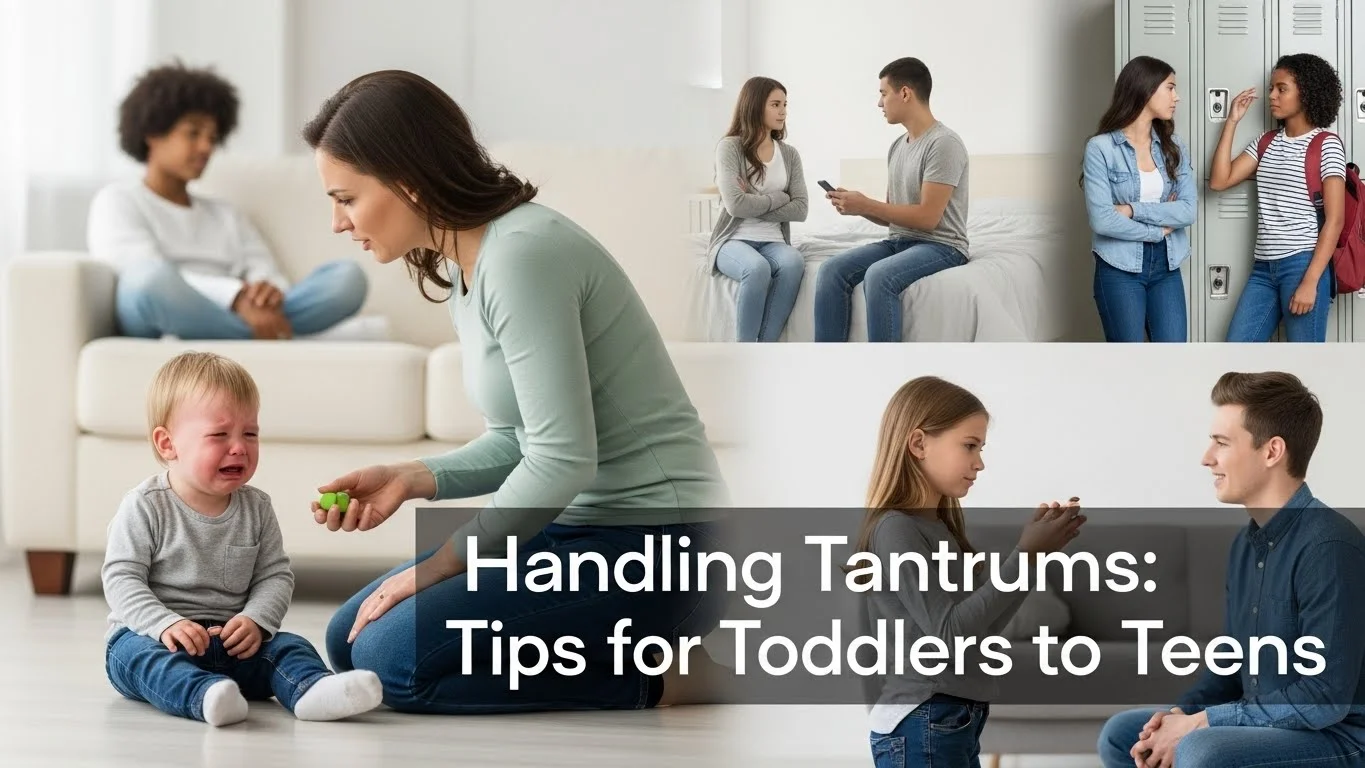
Tantrums are emotional outbursts often characterized by crying, screaming, kicking, or even throwing things. They can happen at any age but are most commonly seen in toddlers and teenagers. As a parent, I’ve witnessed my share of tantrums. The moment when my child would drop to the floor, kicking and screaming, felt overwhelming. It’s important to recognize that tantrums are a normal part of emotional development, a way for children to express feelings they can’t yet articulate.
Why Do Toddlers and Teens Have Tantrums?
Understanding the ‘why’ behind tantrums is essential. For toddlers, it often stems from frustration or a lack of control. They want something and don’t know how to express it verbally. I remember a time when my toddler wanted a toy that was out of reach. Instead of saying “I need help,” he let out a full-blown tantrum. On the other hand, teens may have tantrums due to hormonal changes, social pressures, or feelings of being misunderstood. Their emotional world is complex, and sometimes it’s as if they are at the mercy of their feelings.
The Developmental Stages of Tantrums
Tantrums evolve as children grow. Early on, from about ages 1 to 3, tantrums are common as toddlers grapple with their emotions and independence. As they grow into preschoolers, the frequency may decrease, but they can still occur, especially during transitions or changes. I found that my child’s tantrums morphed into more verbal expressions of frustration as he entered school. Then, during the teenage years, tantrums may resurface, but they often look different – more like arguments or intense discussions rather than physical outbursts. Understanding this progression helps us respond appropriately at each stage.
Recognizing Triggers: Common Causes of Tantrums
Emotional Triggers: Frustration and Overwhelm
Emotional triggers play a significant role in tantrums. I’ve seen my children get overwhelmed in situations that seemed minor to me. For example, when my daughter was unable to complete a puzzle, her frustration led to a meltdown. It’s interesting to note how small things can feel huge in a child’s world. As parents, we should be aware of these triggers and try to help our children navigate their emotions. Teaching them to use words rather than actions can be a game changer. Mastering Tantrums: A Guide for Every Age Group offers useful strategies.
Environmental Factors: Noise, Crowds, and Changes
Sometimes, the environment can set the stage for a tantrum. Loud noises, crowded places, or even unexpected changes can be overwhelming. I recall a family outing where my child was excited initially, but as the day progressed, the noise and chaos of the crowd became too much. It was a reminder that what might be fun for adults can be overstimulating for kids. I learned to keep an eye on my children’s reactions and try to create a calmer environment when possible.
Physical Needs: Hunger, Fatigue, and Discomfort
Never underestimate the impact of physical well-being on a child’s mood. Hunger, fatigue, or discomfort can lead to tantrums. I learned this the hard way when we went out without a snack, and my child turned into a little monster by the time we got to the restaurant. Making sure to keep snacks handy, and being aware of sleep schedules can help prevent tantrums before they even start. It’s all about listening to their needs and adjusting accordingly.
Prevention Strategies: Reducing the Likelihood of Tantrums
Establishing Routines: The Importance of Predictability
One of the most effective prevention strategies I’ve discovered is establishing routines. Children thrive on predictability, and having a consistent schedule can help them feel secure. When my kids know what to expect throughout the day, it minimizes anxiety and frustration. For instance, we have a set time for meals, play, and bedtime. This predictability allows them to express their needs without resorting to tantrums.
Communication Skills: Teaching Expression of Feelings
Teaching children to express their feelings can significantly reduce tantrums. I remember taking the time to talk to my kids about their emotions. We often used picture books or role-playing to help them articulate what they were feeling. When they learned to say, “I’m feeling sad,” or “I’m frustrated,” it opened up a channel for communication that prevented many potential outbursts.
Setting Boundaries: Consistency and Discipline
Setting clear expectations and boundaries is crucial. I’ve found that consistency in discipline aids children in understanding what is acceptable behavior. When rules are clear and consistently enforced, it helps to eliminate confusion. There were times when I wavered on rules, and I noticed the tantrums became more frequent. Now, I strive to be consistent, and it has really helped maintain peace in our home.
Immediate Responses: How to Handle a Tantrum in the Moment
Staying Calm: Techniques for Parents and Caregivers
When a tantrum strikes, my first instinct can be to feel flustered and overwhelmed. I’ve learned that staying calm is crucial, not just for my child, but for myself too. One technique that helps me is taking deep breaths. I remind myself that this is just a phase, and my calm presence can help diffuse the situation. I also try to speak softly and maintain a steady tone, which often encourages my child to mirror my calmness instead of escalating the situation.
During one particularly challenging episode, I found myself counting to ten silently. It gave me a moment to gather my thoughts and respond rather than react. I’ve noticed that when I approach the situation with patience and understanding, it makes a world of difference. I often remind myself that my child is struggling to express feelings and needs, and my calmness can help guide them through that emotional storm.
Using Distraction: Redirecting Focus
Distraction can be a powerful tool in managing tantrums. I’ve had success in redirecting my child’s focus to something else when emotions run high. For example, if my child starts to melt down over a toy, I might quickly suggest an activity we both enjoy, like reading a book or playing a quick game. This not only diverts their attention but also creates a moment of connection between us.
I remember a time when my daughter was inconsolable in the grocery store. Instead of getting frustrated, I pointed out fun items in the aisle—like colorful cereal boxes or funny-shaped fruits. The change in focus brought her from tears to giggles in a matter of moments. It’s a simple trick, but it can instantly shift the mood for both of us.
Implementing Time-Outs: When and How to Use Them
Time-outs can sometimes get a bad rap, but I’ve found them to be beneficial when used appropriately. For me, a time-out isn’t about punishment; it’s more about giving my child a moment to calm down and regroup. I’ve tried to ensure that the time-out space is quiet and comfortable. It’s important to communicate clearly why they’re having a time-out, so it doesn’t feel like a random consequence.
In our home, we’ve set up a cozy corner with soft pillows and a favorite stuffed animal to help my child associate that space with calmness rather than negativity. During one particularly tough week, I implemented short time-outs when emotions ran high. I found that after just a few minutes to breathe and gather their thoughts, my child was often ready to engage again, and the tantrum had subsided. It’s about creating a moment of reflection rather than just separating from the situation.
Post-Tantrum Strategies: Helping Them Process Emotions
Discussing the Tantrum: What Happened and Why
Once the storm has passed, I’ve learned that it’s essential to talk about what happened. I often sit down with my child and gently ask them to share their feelings. I find that discussing the tantrum helps both of us process the emotions involved. I like to ask open-ended questions, such as, “What made you feel upset?” This encourages them to articulate their feelings rather than just react in the moment.
In one instance, after a particularly challenging tantrum, we sat together and talked about it. My child expressed that they felt frustrated because they couldn’t find their favorite toy. By understanding the root cause, I could help them find solutions next time. I believe these conversations foster emotional growth and understanding in our relationship.
Encouraging Emotional Expression: Talking It Out
Encouraging my children to express their emotions has been a game-changer. I often suggest using “I feel” statements, which allow them to articulate their feelings in a safe way. I’ve noticed that when they practice this regularly, it becomes easier for them to express their emotions rather than resort to tantrums. For example, if they say, “I feel sad,” I can guide them through that feeling without it escalating into a meltdown.
We sometimes use art as a tool to express feelings, drawing or painting what they are feeling. I remember a time when my son felt angry after losing a game. Instead of letting that frustration boil over, we sat down with crayons and paper. He drew a picture that depicted his feelings, and afterwards, he felt lighter. It’s incredible how creative outlets can serve as a bridge to understanding our emotions.
Reinforcing Positive Behavior: Praise and Rewards
After a tantrum, I make it a point to reinforce positive behaviors. When my child successfully communicates their feelings or uses coping techniques, I praise them for it. I’ve found that positive reinforcement can significantly reduce the frequency of tantrums over time. I like to celebrate those small victories with a high five or a simple, “I’m really proud of you for using your words!”
I remember a time when my daughter was upset but managed to express her feelings instead of reacting with a tantrum. I took a moment to acknowledge her bravery in using her words. That recognition motivated her to continue expressing herself constructively. Creating a habit of positive feedback helps cultivate an environment where my children feel empowered to communicate and navigate their emotions effectively.
Long-Term Strategies: Building Emotional Resilience
Teaching Coping Mechanisms: Problem-Solving Skills
One of the most valuable lessons I’ve learned through parenting is the importance of teaching my children coping mechanisms. When tantrums happen, it’s often because they feel overwhelmed and don’t know how to handle their emotions. I decided to introduce problem-solving skills early on. For instance, when my child faced a challenge, like a tough puzzle or a difficult homework assignment, I guided them through the thought process of breaking the problem down into smaller parts. I’d say things like, “What can we try first?” or “How can we make this easier?”
By modeling this approach, I noticed that my child began to apply these problem-solving skills outside of those tough moments. They learned that it’s okay to pause, think, and come up with a plan instead of resorting to frustration. I feel that empowering them with these tools has made a significant difference in how they manage their emotions over time. For more information on coping strategies, check out the Ultimate Guide to Managing Tantrums: Calming Strategies.
Promoting Emotional Intelligence: Understanding Self and Others
Promoting emotional intelligence has been a key focus in our home. I believe that understanding their own emotions, as well as recognizing feelings in others, is crucial. We often have discussions about emotions, not just during tantrums but in daily life, too. I make it a point to share my feelings with my kids, saying things like, “I feel tired today because I didn’t sleep well,” or “I’m feeling frustrated about a work issue.” This opens the door for them to express their feelings as well.
We also watch movies or read books together and take the time to discuss the characters’ feelings and actions. I ask questions like, “How do you think that character felt?” or “What would you do in that situation?” These conversations help them develop empathy and a deeper understanding of emotions, not just in themselves but in their peers. I’ve seen how this can lead to more thoughtful interactions with others and a decrease in emotional outbursts.
Encouraging Healthy Outlets: Sports, Arts, and Hobbies
Finding healthy outlets for emotions has been another important strategy for our family. I’ve noticed that physical activity can be a fantastic way for my kids to release pent-up energy and frustration. Enrolling my children in sports gave them a channel to express their emotions constructively. Whether it’s soccer, basketball, or dance, the physical activity not only keeps them fit but also helps them build resilience and teamwork skills.
In addition to sports, I also encourage creative outlets such as art and music. We’ve had plenty of afternoons filled with painting or crafting, where my kids could express themselves freely. I remember one day when my daughter was upset; we sat down with some paints and a canvas. As she created her masterpiece, I could see her mood shift. It was as if the colors and brush strokes helped her process what she was feeling. These creative activities have become a part of our routine, providing a safe space for emotional expression.
By encouraging these healthy outlets, I feel I’ve created a nurturing environment that not only acknowledges their feelings but also helps them channel those feelings positively. It’s amazing to see my children finding joy and relief in both physical and creative activities.
Resources for Parents: Tools and Support Systems
Books and Literature: Recommended Reading on Tantrums
As a parent, I often find myself seeking out resources to better understand and manage tantrums. There are several books that I’ve discovered which have offered valuable insights. One of my favorites is “The Whole-Brain Child” by Daniel J. Siegel and Tina Payne Bryson. This book provides practical strategies for nurturing a child’s developing brain, and it has really helped me in understanding the emotional world of my children.
Another great resource is “No-Drama Discipline,” also by Siegel and Bryson. I appreciate how it combines discipline with compassion, offering tools to guide children without resorting to anger. These reads have become my go-to recommendations for other parents navigating similar challenges. I believe that understanding the developmental aspects of tantrums can help us all be more effective in our responses.
Online Communities: Forums and Support Groups
I’ve also found that connecting with other parents can be incredibly helpful. Online communities and forums provide a space to share experiences and seek advice. I joined a few parenting groups on social media, and I can’t tell you how comforting it is to hear that others are going through similar challenges. It’s a reminder that we’re not alone in this journey.
These platforms allow us to share resources, tips, and even vent when needed. I’ve often turned to the community for insights on handling specific situations, and it’s been amazing to see how much support is available. I recommend looking for local parenting groups or online forums where you can connect with others in your area. It has truly made a difference in my parenting experience.
Professional Help: When to Seek Guidance from Experts
Sometimes, despite our best efforts, we may find ourselves feeling overwhelmed and unsure of how to proceed. That’s when I think it’s important to consider seeking professional help. I’ve learned that consulting with a child psychologist or counselor can provide valuable strategies tailored to our specific family dynamics. It’s not a sign of failure; rather, it’s a proactive step towards understanding and helping our children.
I remember a time when I felt particularly lost during my child’s tantrums. I reached out to a child psychologist, and the insights I gained were eye-opening. They helped me understand some underlying emotional factors and provided actionable strategies that we could implement at home. I truly believe that professional guidance can make a profound difference in our approach to managing tantrums and fostering emotional resilience.
Frequently Asked Questions
What are tantrums?
Tantrums are emotional outbursts often characterized by crying, screaming, kicking, or throwing things. They are a normal part of emotional development, allowing children to express feelings they can’t yet articulate.
Why do toddlers and teens have tantrums?
Toddlers may have tantrums due to frustration or a lack of control, as they often want something but can’t express it verbally. Teens may experience tantrums due to hormonal changes, social pressures, or feelings of being misunderstood.
How do tantrums change as children grow?
Tantrums evolve as children grow. From ages 1 to 3, tantrums are common as toddlers grapple with emotions. In preschool, the frequency may decrease but can still occur during transitions. In teenage years, tantrums may resurface as arguments or intense discussions rather than physical outbursts.
What are common emotional triggers for tantrums?
Common emotional triggers include frustration and overwhelm. Situations that seem minor to adults can feel huge to children, leading to tantrums when they struggle to navigate their emotions.
How can routines help prevent tantrums?
Establishing routines provides predictability, helping children feel secure. A consistent schedule minimizes anxiety and frustration, allowing children to express their needs without resorting to tantrums.
What techniques can parents use to stay calm during a tantrum?
Parents can stay calm by taking deep breaths, speaking softly, and maintaining a steady tone. Techniques like counting to ten silently can help gather thoughts and respond appropriately rather than react impulsively.
How can parents use distraction to manage tantrums?
Distraction can be effective by redirecting a child’s focus to a different activity, such as reading a book or playing a game, which helps to divert attention from the source of frustration.
What should parents do after a tantrum?
After a tantrum, it’s important to discuss what happened and encourage emotional expression. Using open-ended questions can help children articulate their feelings, fostering emotional growth and understanding.
How can parents promote emotional intelligence in children?
Parents can promote emotional intelligence by discussing emotions regularly, sharing their own feelings, and engaging in conversations about characters’ feelings in books or movies. This helps children understand their own emotions and recognize feelings in others.
When should parents seek professional help regarding tantrums?
Parents should consider seeking professional help when they feel overwhelmed or unsure about managing their child’s tantrums. Consulting a child psychologist or counselor can provide valuable strategies tailored to the family’s needs.