
Embarking on a family backpacking adventure can be thrilling and incredibly rewarding. With a blend of exploration, learning, and bonding, budget backpacking is the perfect way to create lasting memories without breaking the bank. For those looking for specific strategies, check out Budget Backpacking Tips for Kids with Special Social Needs.
Understanding Budget Backpacking for Families
What is Budget Backpacking?
When I first heard the term “budget backpacking,” I was intrigued. It’s essentially a travel style that emphasizes exploring new places while keeping expenses low. Instead of luxurious hotels and fine dining, budget backpacking focuses on affordable accommodations, local transport, and budget-friendly meals. This approach allows families like mine to experience more destinations while managing our finances wisely.
For families, budget backpacking isn’t just about saving money; it’s about embracing a lifestyle of adventure and learning. I remember planning a trip with my kids where we stayed in hostels and campgrounds instead of hotels. That way, we engaged with other travelers and had unique experiences, like cooking in shared kitchens and participating in local events. It transformed our trip into an adventure rather than a mere getaway.
Why Choose Backpacking for Family Travel?
Choosing backpacking for family travel opened up a world of possibilities for us. It’s an incredible way to bond with kids, ignite their curiosity, and teach them about different cultures. I’ve found that when we travel this way, we’re more likely to connect with nature and each other. Here are a few reasons why I believe backpacking suits families so well:
- Flexibility: Without strict hotel schedules, we could explore at our own pace. Some days we hiked off the beaten path, while other days were spent in local markets, soaking in the culture.
- Learning Opportunities: Every destination was a learning experience. From understanding geology in national parks to practicing new languages while ordering food, I saw my children grow in ways I hadn’t expected.
- Building Resilience: Backpacking taught my kids about problem-solving and resilience. From dealing with unexpected weather changes to navigating public transport, they learned vital life skills.
Ultimately, for our family, backpacking became a way to not just travel, but to experience life in a richer, more meaningful way.
Essential STEM Activities for Family Travelers
Hands-On Science Experiments on the Road
One of my favorite things about backpacking is the opportunity for hands-on learning. I started incorporating simple science experiments during our travels, and let me tell you, they were a hit! For instance, we created mini volcanoes using vinegar and baking soda at a campsite, which not only entertained my kids but also sparked a conversation about chemical reactions. It was a fun way to integrate science into our daily adventures.
Here are a few science activities I recommend trying while on the road:
- Nature Scavenger Hunts: Encourage kids to collect different leaves, rocks, or flowers and then research their origins later. It’s engaging and educational.
- Weather Experiments: Use a simple thermometer to record temperatures in different locations or create a rain gauge to measure rainfall during your trip.
- Biology in Action: Observe and document different wildlife. We’ve done animal tracking where my kids would draw or write about animals we encountered, learning about ecosystems in the process.
Integrating Technology During Travel
While I love unplugging during our trips, I’ve also found that technology can enhance our adventures. There are fantastic apps that can help us learn about the places we visit. I remember using a stargazing app one night while camping. It turned our ordinary evening into a celestial adventure, as we identified constellations and learned about the universe.
Some tech tools I recommend include:
- Language Learning Apps: Before visiting a foreign country, we use apps to learn basic phrases, making interactions with locals more enjoyable and educational.
- Map and Navigation Apps: These tools have been invaluable in unfamiliar cities. They help us navigate while also teaching the kids about geography.
- Photography Apps: Encourage kids to document their journey through photography. It can spark discussions about art, culture, and storytelling.
Exploring Engineering Principles in Nature
As we trekked through forests and climbed mountains, I couldn’t help but notice the engineering principles all around us. From the bridges we crossed to the trails we hiked, the natural world is a playground for engineering lessons. I often pointed out how structures are built and the importance of materials. Our conversations about how trees support themselves or how beavers build dams turned into mini engineering lessons.
Here’s how you can explore engineering concepts on your trip:
- Bridge Building: Collect sticks and stones to create mini bridges and test their strength. It’s a fun way to learn about weight distribution.
- Natural Structures: Observe how animals build their homes and discuss the engineering behind it. My kids loved discovering how ants construct their mounds!
- Trail Navigation: Teach kids about trail markers and how they guide hikers. We even created our own map during one of our hikes.
Mathematics in Travel: Budgeting and Planning
Budgeting for a backpacking trip is not just about dollars and cents; it’s a perfect opportunity to practice math skills. I recall sitting down with my kids before our trips to create a budget. We discussed how much we could spend on food, lodging, and activities. As we planned, they learned about addition, subtraction, and even percentages when calculating discounts or comparing prices.
Here are ways to integrate math into your travel planning:
- Currency Conversion: If traveling internationally, practice converting currencies. It’s a great way to learn about math in real-world situations.
- Distance and Time Calculations: Plan your travel routes and estimate how long different legs of the journey will take.
- Daily Spending Logs: Keep a log of daily expenses, teaching kids to track and analyze spending.
Through these experiences, I’ve seen my kids not only learn but also become more engaged and curious about the world around them. Backpacking as a family has truly been a journey of discovery—one filled with valuable lessons that extend far beyond the trail.
Planning Your Budget Backpacking Trip
Setting a Realistic Budget
When it comes to planning our backpacking trips, setting a realistic budget has been one of the most crucial steps. I remember the first time we did this; I was eager to just jump into planning, but I quickly learned that without a budget, things could spiral out of control. So, I gathered the family around, and we made a list of all potential expenses. This included everything from transportation and food to accommodation and activities.
We started by estimating how much we could afford based on our savings and what we were willing to spend. I’ve found that involving my kids in this process not only made them feel included but also taught them about financial planning. We discussed how much we could allocate each day and even set aside a small emergency fund for unexpected expenses. This way, we felt secure knowing that we had a plan, and we were all on the same page about our spending limits.
Choosing Affordable Destinations
Choosing destinations that fit our budget was another big part of our planning process. I realized early on that some places could be significantly more expensive than others, so I began researching destinations that offered a wealth of experiences without hefty price tags. For example, national parks often provide free or low-cost entry, and camping there is usually inexpensive.
In my experience, we discovered some hidden gems along the way. Places like state parks or small towns often have local festivals or events that are free to attend. I remember stumbling upon a local arts festival in a small town during one of our trips—it was a delightful surprise that turned out to be one of the highlights of our journey. I recommend checking out online forums and travel blogs for tips on affordable destinations since you can often find unique experiences that won’t strain your wallet. Additionally, consider looking into Budget Backpacking Tips: A Homeschooling Resource Guide for more detailed insights.
Transportation Options for Families
Transportation can be one of the most significant expenses when traveling, but I’ve learned that there are many ways to keep costs low while still having fun. Depending on where we were going, we explored various options. For instance, we often utilized public transportation, which allowed us to experience the local culture more intimately. I remember using the metro in a big city; it was not only budget-friendly but also a fun adventure for the kids as they tried to navigate the system.
When traveling longer distances, we found that bus services were often cheaper than trains or flights. I recall one bus ride that took us through stunning landscapes, and it turned into an unexpected scenic tour. Another fantastic option we discovered was carpooling apps, which allowed us to share rides with other travelers, further minimizing costs. Whichever method we choose, I always emphasize safety and keeping an eye on our belongings while traveling.
Packing Tips for Family Backpacking
Essential Gear for Parents and Kids
Packing for a backpacking trip can feel overwhelming, especially with kids in tow. However, I learned that having the right gear made a massive difference in our experience. I’ve found that a solid backpack is essential—something big enough to carry our gear but comfortable enough for long hikes. I prefer backpacks with good support and multiple compartments to keep us organized.
For the kids, I involved them in choosing their own smaller backpacks, which made them feel more responsible for their belongings. We packed essentials like water bottles, snacks, and a first aid kit, but I also packed fun items like travel games to keep them entertained during breaks. It’s fascinating how little things can make such a significant difference when you’re on the road.
STEM Tools to Bring Along
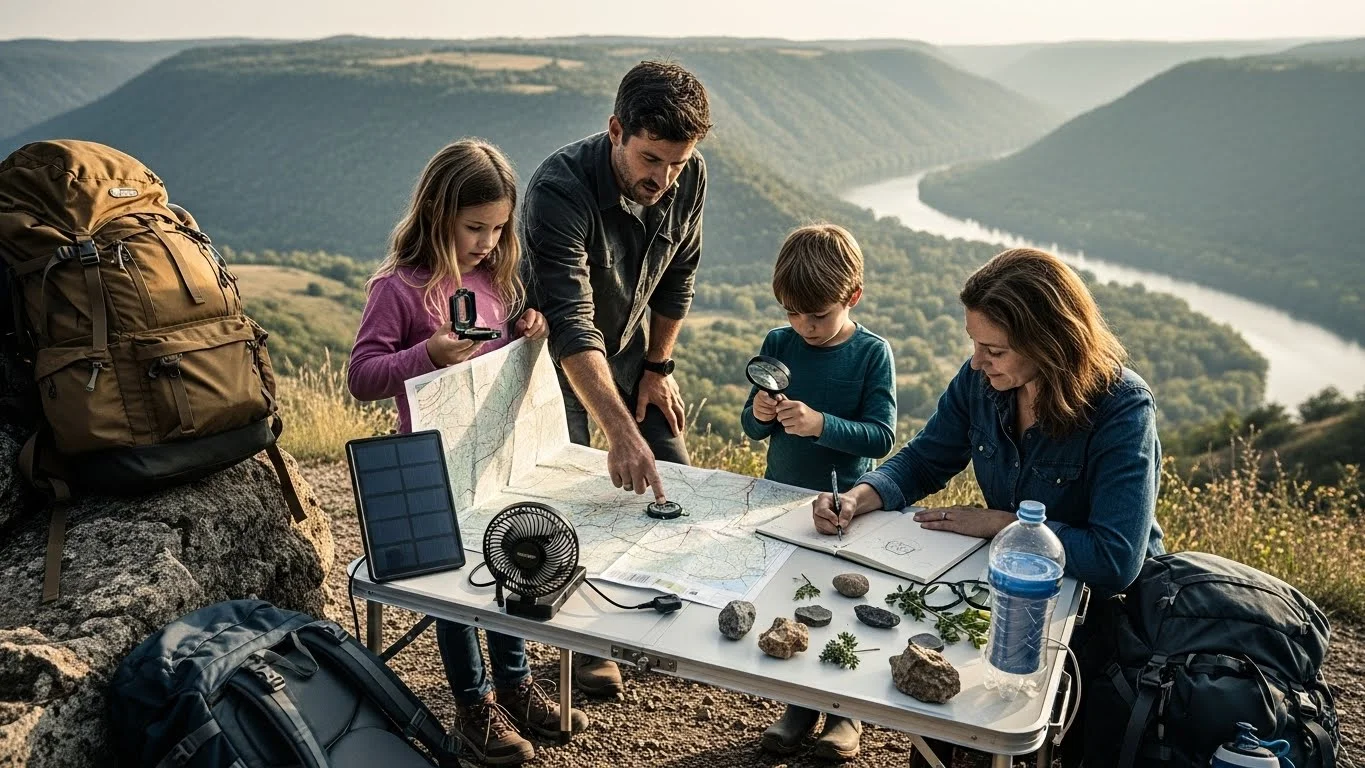
To foster our kids’ learning experiences, I always pack a few STEM tools. I found that bringing along a simple microscope or a set of binoculars can transform our outdoor adventures. For instance, during one hike, we used binoculars to observe birds and then researched them later at our campsite. It was such a magical moment when my kids spotted an eagle soaring overhead!
Additionally, I make sure to include a small science kit with items for experiments, like magnifying glasses and simple measurement tools. It’s amazing how even the simplest tools can lead to spontaneous learning moments. I believe incorporating these tools not only enhances our travel experience but also allows my kids to see the world through a scientific lens.
How to Pack Light and Efficiently
Packing light was a skill I learned over time, and it has truly made our trips more enjoyable. I remember our first backpacking adventure when we packed everything but the kitchen sink. We quickly realized that less is more, especially when lugging around heavy backpacks. Now, I focus on bringing multi-purpose items. For instance, a lightweight jacket that doubles as a pillow or a pair of shoes that works for both hiking and casual outings.
I also encourage my kids to choose clothes that they can layer, which saves space and provides versatility. And let’s not forget the importance of packing cubes! They help keep everything organized and compact, making it easier for us to find things while on the go. By streamlining our packing process, we’ve found more joy in our adventures, unhindered by heavy loads.
Finding Family-Friendly Accommodations
Hostels vs. Campgrounds vs. Hotels
When it comes to choosing accommodations for our backpacking trips, I’ve learned there are many options available, each with its unique benefits. I remember the first time we stayed in a hostel—it was such a delightful surprise! Hostels often cater to budget travelers and offer communal spaces where we could meet other families and share stories. We loved the vibe and the chance to connect with fellow adventurers, which made our trip feel even more enriching.
On the other hand, camping has become one of our family’s favorite options. I’ve discovered that campgrounds are usually more affordable, and they allow us to immerse ourselves in nature. Setting up our tent under the stars was an experience my kids cherished. The sounds of nature at night and the morning sun filtering through the trees brought us closer together. Plus, cooking over a campfire and sharing meals outdoors created wonderful memories.
Hotels can be a bit pricier, but they’re still worth considering, especially if we’re visiting cities where convenience matters. During our city trips, we often look for budget-friendly hotels that provide family rooms or even suites, giving us more space to relax after a long day of exploring. I’ve found that some hotels offer free breakfasts or access to kitchens, which can help save money on meals.
Choosing Family-Friendly Airbnb Options
Using Airbnb has opened up a world of possibilities for our family accommodations. I love the variety of options available, from cozy cabins to unique treehouses. We once stayed in an adorable yurt that my kids still talk about! Having an entire home or apartment to ourselves not only gave us space to spread out but also allowed us to cook some of our meals, which is a nice way to save money while enjoying family time together.
Another advantage of Airbnb is the chance to stay in local neighborhoods. It’s fascinating to feel like a part of the community rather than just a tourist. I always look for listings with family-friendly amenities, such as cribs, high chairs, or even toys. It’s those little things that make travel easier when you have kids in tow. I also tend to check for reviews from other families, as they provide insights into what to expect and can help avoid any surprises.
Ultimately, choosing the right accommodation can significantly enhance our travel experience. I’ve learned that this decision can shape our adventure, so I always involve my kids in the selection process. They enjoy looking at photos and reading descriptions, which makes them feel more invested in our travels.
Eating on a Budget While Traveling
Grocery Shopping and Cooking Basics
One of the biggest challenges we faced was figuring out how to eat well while sticking to our budget. I remember feeling nervous about how to handle meals on the road, but we soon discovered that grocery shopping became a fun part of our adventures! I often involve my kids in the process, taking them to local markets or grocery stores to explore the different foods available.
We make it a point to buy local produce and staples to cook simple meals. I find that preparing our own meals not only saves money but also allows for creative cooking experiences. For instance, during one trip, we made tacos using fresh ingredients we bought at a local market. It turned into a family cooking night where each of us chose a topping and got to share our favorite flavors.
I’ve also learned to keep our meals simple by packing a portable stove or using campfire cooking options. Pasta dishes, stir-frys, and one-pot meals are always hits with my kids. Plus, they’re easy to prepare and require minimal cleanup, which I appreciate after a long day of hiking!
Finding Affordable Local Restaurants
While cooking is a great way to save money, we also love trying local restaurants, especially when we find hidden gems. I remember stumbling upon a tiny family-run diner during one of our trips. It had the best homemade pie I’ve ever tasted! Eating where the locals go not only led to delicious meals but also allowed us to experience the culture more authentically.
Before heading out, I often research affordable local eateries and food markets. I find that checking reviews online helps us find budget-friendly options that offer great meals without breaking the bank. Street food is another fantastic way to experience local flavors while keeping costs down. My kids love trying different snacks, and it’s always an adventure for our taste buds!
Involving my kids in meal planning and exploring local cuisines has made our travels richer. They’ve learned about different cultures through food, and we’ve created lasting memories over shared meals. Eating on a budget is not just about saving money; it’s about finding joy in simple pleasures and connecting with the places we visit.
Frequently Asked Questions
What is budget backpacking?
Budget backpacking is a travel style that emphasizes exploring new places while keeping expenses low. It focuses on affordable accommodations, local transport, and budget-friendly meals, allowing families to experience more destinations while managing their finances wisely.
Why should families choose backpacking for travel?
Backpacking for family travel provides flexibility, learning opportunities, and helps build resilience in children. It encourages bonding, ignites curiosity, and allows families to connect with nature and different cultures more deeply.
What are some hands-on science activities for kids while traveling?
Some recommended hands-on science activities include nature scavenger hunts, weather experiments using thermometers and rain gauges, and documenting wildlife observations to learn about ecosystems.
How can technology enhance family travel experiences?
Technology can enhance travel experiences through language learning apps, map and navigation apps, and photography apps that encourage kids to document their journey and spark discussions about art and culture.
What are some ways to integrate math into travel planning?
Ways to integrate math into travel planning include practicing currency conversion, calculating distances and travel times, and keeping daily spending logs to teach kids about budgeting and financial management.
How can families set a realistic budget for backpacking trips?
Families can set a realistic budget by gathering everyone to list potential expenses, estimating how much they can afford, and allocating funds for daily spending while considering an emergency fund for unexpected expenses.
What are some affordable transportation options for families while traveling?
Affordable transportation options include utilizing public transportation, exploring bus services for longer distances, and using carpooling apps to share rides with other travelers, which can help minimize costs.
What should families pack for a successful backpacking trip?
Families should pack a solid backpack, essential gear like water bottles and snacks, and fun items to keep kids entertained. It’s also helpful to include multi-purpose items and STEM tools for educational experiences on the road.
What are the benefits of staying in hostels or campgrounds versus hotels?
Hostels often provide communal spaces for meeting other travelers and can enrich the travel experience, while campgrounds allow for immersion in nature and create memorable family bonding moments. Hotels can be convenient in cities but may be pricier.
How can families eat on a budget while traveling?
Families can eat on a budget by grocery shopping for local produce and cooking simple meals, as well as finding affordable local restaurants and trying street food to experience local flavors without overspending.