
Traveling can be an adventure, but it often makes healthy eating feel like a challenge. I’ve discovered that with a bit of planning, enjoying nutritious breakfasts on a budget is entirely possible, no matter where you find yourself! Read Interesting article: 10 Budget-Friendly Breakfast Ideas for Adventurous Families
Understanding Healthy Breakfast Options
What Constitutes a Healthy Breakfast?
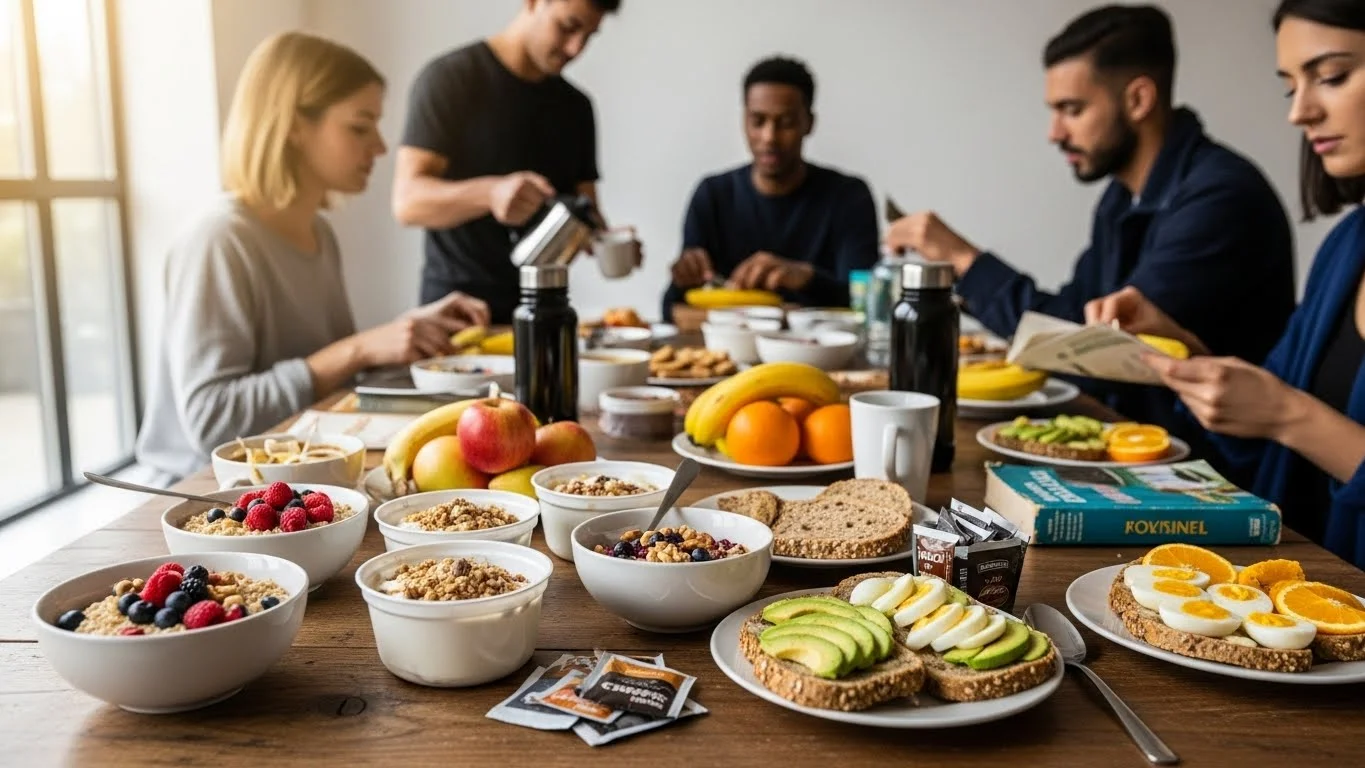
A healthy breakfast is one that fuels your body and sets a positive tone for the day. I believe it should include a good balance of protein, healthy fats, and carbohydrates. For me, this means incorporating foods that provide energy and keep me satisfied until lunch. Think eggs, whole grains, fruits, and yogurt. Each of these components plays a crucial role in providing essential nutrients, keeping our energy levels stable, and enhancing our mood. I remember when I first started focusing on my breakfast choices; the difference it made in my day was incredible.
The Importance of Breakfast for Travelers
As a frequent traveler, I’ve learned that breakfast is vital, especially when you’re exploring new destinations. It’s the first meal that can energize you for a day filled with sightseeing or adventures. I’ve often felt sluggish when I skipped breakfast or opted for something unhealthy. A wholesome breakfast helps me stay focused and keeps my spirits high while navigating through new experiences. It’s like giving my body the fuel it needs to fully enjoy the journey ahead.
Budget-Friendly Breakfast Ingredients
Affordable Proteins: Eggs, Yogurt, and More
When it comes to protein, eggs are my go-to. They’re not only nutritious but also incredibly versatile. I can scramble, boil, or even make an omelet with whatever veggies I have on hand. Yogurt is another fantastic option, especially if you can find it in larger containers. I usually opt for plain yogurt; I can add fruits or granola to make it more exciting. These proteins are not only filling but also budget-friendly, which is a big win for travelers like us!
Fruits and Vegetables on a Budget
Fruits and vegetables can often be a bit pricey, depending on where you are. However, I’ve found that buying seasonal produce can save you a lot of money. Bananas, apples, and oranges are typically affordable and easy to transport. For veggies, I love snacking on carrots or cucumbers, which can be eaten raw and are refreshing as well. I also look out for local markets while traveling; sometimes you can find great deals on fresh produce that can make your breakfast colorful and nutritious.
Whole Grains: Oats, Bread, and Rice
Whole grains are essential for a healthy breakfast, providing much-needed fiber for digestion. Oats are one of my favorites because they’re inexpensive, filling, and can be prepared in various ways. I often make overnight oats in a jar—super convenient for busy mornings. Whole-grain bread is another staple I can’t live without, especially for toast topped with avocado or eggs. And if I’m feeling adventurous, I might even use leftover rice from dinner to make a savory breakfast bowl. There are so many options!
Nut Butters and Seeds: Cost-Effective Superfoods
Nut butters, like almond or peanut butter, add a dose of healthy fats and protein to my breakfast. I love spreading them on whole-grain toast or mixing them into my smoothies. They’re usually available in small, travel-friendly packets, making them ideal for on-the-go eating. Seeds like chia and flax are also budget-friendly and can boost the nutritional profile of any meal. I often sprinkle them on my oats or yogurt. They might seem small, but their impact on our health is significant!
Quick and Healthy Breakfast Ideas for Travelers
Overnight Oats: Perfect for On-the-Go
Overnight oats have become one of my favorite breakfast solutions while traveling. I simply combine rolled oats with yogurt or milk and add whatever toppings I have—fruits, nuts, or honey. Then I leave it in the fridge overnight and grab it in the morning. It’s filling, delicious, and I can customize it based on what I have available.
Breakfast Wraps: Easy to Prepare and Pack
Breakfast wraps are another fantastic option that I often rely on. It’s as simple as taking a whole-grain tortilla and filling it with scrambled eggs, veggies, and a bit of cheese. I can make them in advance, wrap them up, and take them along. They’re easy to eat on the go and can be varied based on local ingredients. I’ve enjoyed some delicious combinations while traveling!
Fruit and Yogurt Parfaits: A Layered Delight
Fruit and yogurt parfaits are not only visually appealing but also super easy to prepare. I usually layer yogurt with fruits and granola in a portable container. It makes for a refreshing breakfast, and the combination of textures is delightful. Plus, it’s a great way to use up any leftover fruits I have from the market.
Homemade Smoothies: Blend and Go
When I have access to a blender, smoothies become my best friend. I throw in whatever fruits I find, a handful of spinach, some yogurt or milk, and maybe a spoonful of nut butter. It’s a quick and nutritious breakfast that I can drink while heading out to explore. I love how adaptable smoothies are; I can change the ingredients based on what I have on hand.
Hard-Boiled Eggs: A Protein Punch
Hard-boiled eggs are a travel staple for me. I make a bunch at the beginning of my trip and keep them in the fridge. They’re a fantastic source of protein and can be eaten alone or added to salads or wraps. Plus, they’re portable, so I can take them with me for a quick snack during the day.
Where to Find Budget Ingredients While Traveling
Local Markets and Grocery Stores
I’ve always found that local markets and grocery stores are treasure troves for budget-friendly ingredients. When I’m exploring a new city, I love to wander through these markets. They give me a chance to experience the local culture and find fresh produce at reasonable prices. I remember one trip to Barcelona where I stumbled upon a bustling market filled with vibrant fruits, fresh bread, and local cheeses. Not only did I save money, but I also got to taste some unique local flavors. I recommend checking out the neighborhoods where locals shop; you might find some hidden gems that are both affordable and delicious. Read Interesting article: Top 10 Budget-Friendly Meal Ideas for Families with Kids
Convenience Stores: Surprisingly Good Options
It might sound a bit surprising, but I’ve found that convenience stores can also hold some great options for quick and healthy breakfast ingredients. When I was in Japan, I discovered a range of onigiri (rice balls) and yogurt cups that made for a great breakfast on the go. Many convenience stores offer fresh fruits, nut bars, and even salads. I usually take a few minutes to explore the aisles when I stop at a convenience store because you never know what nutritious snacks you might find that won’t break the bank!
Farmers’ Markets: Fresh and Affordable
If you have the chance, visiting farmers’ markets is one of the best ways to find fresh and affordable ingredients while traveling. I love supporting local farmers and artisans, and I’ve often found that their prices are reasonable compared to typical grocery stores. Plus, the quality of the produce is often outstanding. I remember visiting a farmers’ market in California where the strawberries were so sweet and juicy—they were a highlight of my trip! I recommend checking the market schedules online or asking locals where to find them. It’s a fantastic way to gather fresh ingredients for your breakfast while experiencing the local community.
Tips for Meal Prep While Traveling
Investing in Portable Kitchen Tools
Over the years, I’ve learned that having a few portable kitchen tools can make meal prep much easier while traveling. A good-quality travel knife, a cutting board, and a portable blender can turn any kitchen into a meal prep haven. I always carry a reusable container for leftovers and a small cooler bag to keep my ingredients fresh. When I was in Thailand, I used a blender to whip up smoothies with fresh fruits I bought at the market, which made breakfast both quick and nutritious. Investing in these tools is worth it for anyone who wants to maintain healthy habits on the road!
Batch Cooking for Convenience
Batch cooking is a game-changer for me when I travel. On days when I have a bit more time, I like to prepare larger quantities of meals that I can easily portion out for breakfast over the next few days. For instance, I often make a big batch of overnight oats or a vegetable frittata that can last for several mornings. This not only saves me time but also ensures I have healthy options ready when I’m short on time. I learned this trick during a week-long trip where my breakfast was stress-free, and I had more time to enjoy my mornings. Read Interesting article: Budget-Friendly Toddler Meal Planning for Traveling Families
Storing and Preserving Ingredients Safely
Knowing how to store and preserve ingredients safely is vital when you’re on the go. I always keep an eye on expiration dates, especially for dairy products and fresh produce. If I buy something perishable, I make sure to use it within a few days. I also learned the importance of proper storage methods; for instance, keeping fruits like bananas out of the fridge helps them stay fresh longer, while berries can be stored in the fridge to extend their shelf life. I’ve had my fair share of food waste while traveling, but being mindful of storage has significantly cut down on that.
Healthy Breakfasts Around the World
Popular Breakfasts in Different Cultures
One of my favorite aspects of traveling is discovering how different cultures approach breakfast. For instance, when I visited Mexico, I was introduced to chilaquiles—a delicious dish made with tortilla chips, salsa, and topped with eggs. In Italy, a simple breakfast of espresso and a cornetto (Italian croissant) was a delightful way to start the day. I love trying local breakfasts because they often inspire new ideas for my own meals. It’s amazing how much a culture’s breakfast can reflect its lifestyle and values!
How to Adapt Local Foods to Be Healthy and Budget-Friendly
Adapting local foods to fit a healthy and budget-friendly breakfast is something I’ve gotten better at over time. For example, in France, I learned to enjoy a simple omelet filled with fresh herbs and vegetables instead of more indulgent pastries. When I was in Vietnam, I swapped out the traditional banh mi for a whole-grain version, adding plenty of fresh veggies and a protein source. I believe that with a little creativity, you can enjoy the flavors of local cuisine while still sticking to healthy eating habits. Plus, it’s a fun challenge to experiment with local ingredients!
Managing Dietary Restrictions on a Budget
Gluten-Free Options without Breaking the Bank
Dealing with dietary restrictions can feel daunting, especially while traveling. I’ve had friends who are gluten-free, and I’ve watched them navigate different cuisines and locations. One thing I’ve learned is that gluten-free doesn’t have to mean expensive. For breakfast, I always recommend sticking to whole foods. Eggs are naturally gluten-free, and I’ve often made breakfast bowls loaded with veggies and topped with avocado. Quinoa is another great option; not only is it gluten-free, but it’s also packed with protein. I remember finding a local market that sold quinoa and fresh produce for a great price, allowing my friend to whip up delicious, budget-friendly meals. Additionally, many places offer gluten-free oats, which can be turned into oatmeal with fruits or nuts. It’s all about finding those simple ingredients that keep costs low while still being safe for your dietary needs.
Vegetarian and Vegan Breakfast Ideas
As someone who occasionally dabbles in vegetarian and vegan meals, I’ve discovered that there are endless possibilities for plant-based breakfasts that won’t put a dent in your wallet. Smoothies are my go-to, as I can toss in frozen fruits, leafy greens, and a plant-based milk. Plus, it’s a great way to use up leftover produce! I often make peanut butter banana toast on whole-grain bread, which is both filling and nutritious. Another favorite is chia pudding—just mix chia seeds with almond milk and let it sit overnight. By the morning, it’s a delightful, pudding-like texture. I remember trying this in a little café in Bali, where they topped it with fresh mango and coconut. It was a simple yet satisfying breakfast that inspired me to recreate it while traveling. When you’re focusing on vegetarian or vegan options, just remember to load up on veggies and fruits, which are often cheaper at local markets.
Low-Sugar and Low-Carb Breakfasts
Managing sugar intake can be tricky, especially with all the tempting pastries I see while traveling. I’ve learned to look for low-sugar options that still satisfy. Overnight chia seed pudding is a favorite of mine. It’s naturally low in sugar and gives a nice dose of fiber. Oatmeal can also be made low-sugar by opting for whole oats and sweetening it naturally with fruits like berries or slices of banana instead of sugar. I’ve also enjoyed egg muffins, which I batch cook using eggs, veggies, and cheese. They’re low-carb and super convenient to grab on busy mornings. I once made a big batch before a trip, and they saved me from reaching for unhealthy snacks during the day. The key is to focus on whole, unprocessed foods, which can usually be found at reasonable prices while traveling.
Common Mistakes to Avoid
Underestimating Meal Prep Time
When I first started meal prepping while traveling, I thought I could whip up breakfast in no time. I quickly learned that underestimating meal prep time can lead to rushed mornings and unhealthy choices. I now give myself a good amount of time to plan my breakfasts for the week. For instance, I try to set aside an hour or so on my first day in a new location to prepare some meals. Whether it’s chopping veggies for egg muffins or mixing up overnight oats, taking the time upfront saves me from stress later in the week. One time, I forgot to allocate enough time and ended up grabbing a sugary pastry instead of the healthy breakfast I had planned. That was a lesson learned! Now, I make it a priority to factor in meal prep time into my travel schedule.
Ignoring Local Ingredient Availability
Another mistake I’ve made is not considering the availability of local ingredients. When traveling, I get excited about trying new recipes but sometimes forget that I might not find all the ingredients I usually use at home. I remember a trip to Italy where I wanted to make a breakfast burrito, but I couldn’t find certain spices and wraps. Instead, I learned to embrace local flavors and adapt my meals. I ended up making a delicious frittata with local cheeses and fresh herbs instead, and it became one of my favorite breakfasts of the trip! So, I recommend always checking out local markets and asking locals about staple ingredients that can fit into your healthy breakfast plans.
Overlooking Nutritional Balance
It’s easy to focus on just one aspect of nutrition and overlook balance when planning breakfasts. I’ve done this myself, getting too caught up in avoiding carbs or focusing solely on protein. What I learned is that a balanced breakfast includes a mix of protein, healthy fats, and carbohydrates. For instance, when I make my overnight oats, I try to include yogurt (for protein), nuts (for healthy fats), and oats (for carbs). This balance keeps me satisfied longer and helps maintain my energy throughout the day. I once made the mistake of having only fruit for breakfast, and I found myself hungry an hour later! Now, I make it a point to think about balance and variety in my meals, which has greatly improved my travel experience.
Frequently Asked Questions
What constitutes a healthy breakfast?
A healthy breakfast includes a good balance of protein, healthy fats, and carbohydrates, such as eggs, whole grains, fruits, and yogurt. These components provide essential nutrients and help maintain energy levels throughout the day.
Why is breakfast important for travelers?
Breakfast is vital for travelers as it energizes them for a day of exploring. Skipping breakfast or choosing unhealthy options can lead to sluggishness, while a wholesome breakfast helps maintain focus and boosts spirits during adventures.
What are some budget-friendly protein options for breakfast?
Budget-friendly protein options include eggs and yogurt. Eggs are versatile and can be prepared in various ways, while plain yogurt can be enhanced with fruits or granola for added flavor and nutrition.
How can travelers find affordable fruits and vegetables?
Travelers can find affordable fruits and vegetables by buying seasonal produce and visiting local markets. Fruits like bananas, apples, and oranges are usually budget-friendly, and local markets often offer fresh produce at reasonable prices.
What are some quick and healthy breakfast ideas for travelers?
Quick and healthy breakfast ideas include overnight oats, breakfast wraps made with whole-grain tortillas, fruit and yogurt parfaits, homemade smoothies, and hard-boiled eggs. These options are filling and can be prepared in advance or on the go.
Where can travelers find budget ingredients while on the road?
Travelers can find budget ingredients at local markets, grocery stores, convenience stores, and farmers’ markets. These places often offer fresh, affordable options and allow travelers to experience local culture.
What are some tips for meal prep while traveling?
Tips for meal prep while traveling include investing in portable kitchen tools, batch cooking meals for convenience, and knowing how to store and preserve ingredients safely to minimize food waste.
How can travelers adapt local foods to be healthy and budget-friendly?
Travelers can adapt local foods by focusing on whole foods and making healthier versions of traditional dishes. For example, swapping out indulgent pastries for omelets or using whole grains in local recipes can create nutritious meals.
What are some low-sugar and low-carb breakfast options?
Low-sugar and low-carb breakfast options include overnight chia seed pudding, oatmeal sweetened with fruits, and egg muffins made with veggies and cheese. These meals are nutritious and help manage sugar intake while traveling.
What common mistakes should travelers avoid when planning breakfasts?
Common mistakes to avoid include underestimating meal prep time, ignoring local ingredient availability, and overlooking nutritional balance. It’s important to plan ahead, adapt to local offerings, and ensure meals are well-rounded for optimal energy and satisfaction.