
Traveling is one of life’s greatest joys, but for those with special needs, it can come with unique challenges. Fortunately, assistive technology is here to make travel more accessible and enjoyable for everyone. Read Interesting article: Top Assistive Tech Tools for Budget Backpacking Adventures
Understanding Assistive Technology in Travel
Definition and Importance of Assistive Technology
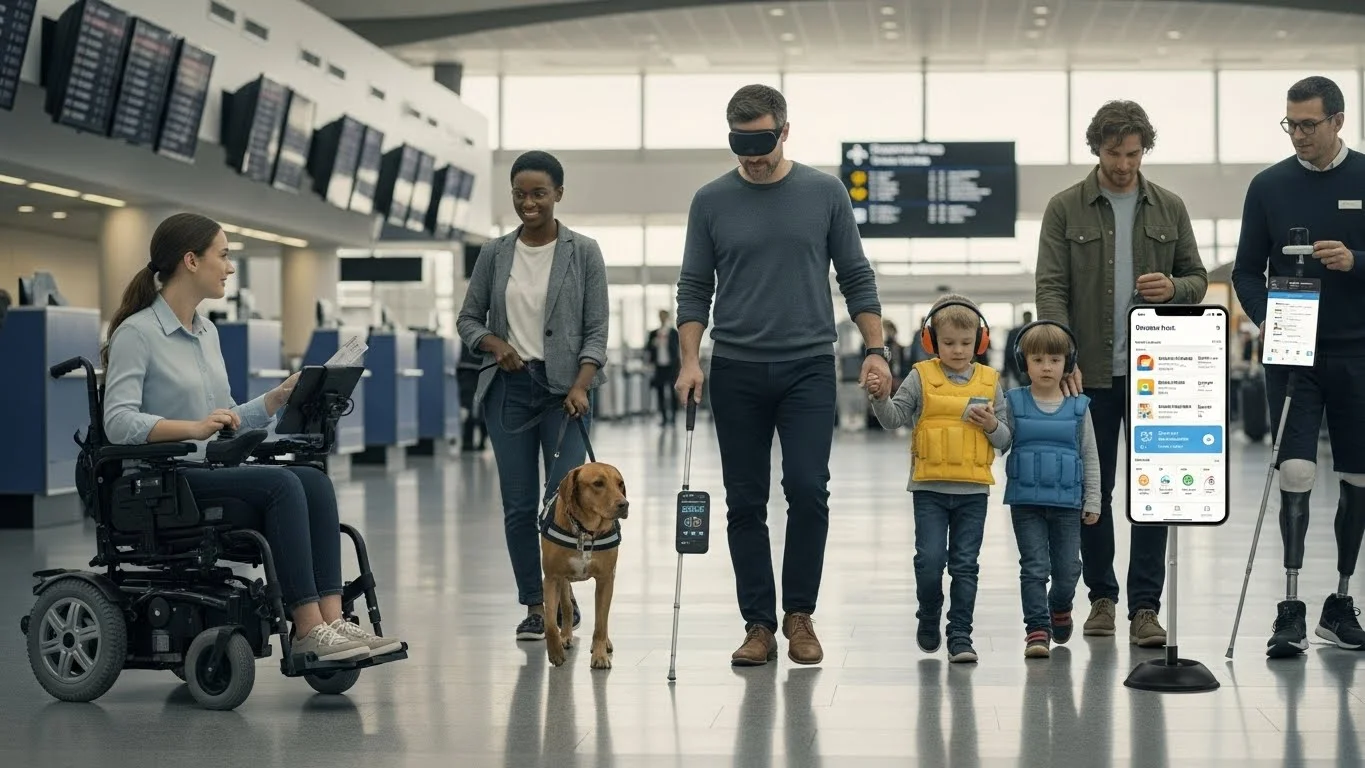
Assistive technology refers to devices, software, or equipment that help individuals perform tasks they might otherwise find difficult or impossible. In the context of travel, this technology plays a crucial role in ensuring that people with disabilities can experience the world around them. I’ve often found that when we have the right tools, it can transform the travel experience from daunting to delightful. It empowers us to explore new places, cultures, and adventures without feeling held back by our limitations.
Types of Assistive Technologies for Travelers
There are various types of assistive technologies available for travelers. Personally, I’ve seen how these tools can adapt to different needs:
- Mobility Aids: Wheelchairs, scooters, and walkers can help those with mobility challenges navigate airports, train stations, and attractions. When I traveled with a friend who uses a wheelchair, I realized how essential these aids are for independence.
- Hearing Aids: Devices that enhance sound can make communication with guides and locals much easier. I remember being on a tour in a noisy market and seeing how a simple hearing aid made a world of difference for my friend.
- Visual Aids: GPS devices and apps designed for the visually impaired can guide travelers through unfamiliar environments. I’ve tried some of these apps myself, and I love how they provide audio directions, making navigation a breeze.
- Speech Recognition and Communication Devices: These tools assist travelers who may struggle with speech in expressing their needs. I’ve watched as these devices have opened up conversations, making interactions more personal and meaningful.
Key Benefits of Assistive Technology in Travel
The benefits of assistive technology are truly remarkable. From my experience, I can highlight several key advantages:
- Increased Independence: Assistive technology allows individuals to navigate their surroundings more freely. I’ve seen how my friends using mobility aids felt empowered to explore on their own terms, without relying heavily on others.
- Enhanced Communication: Many devices facilitate communication with locals, making it easier to seek help or engage with others. I remember being in a restaurant where my friend used a communication device to place her order, and it felt incredible to see her confidence shine through.
- Safety Features: Many assistive technologies come equipped with safety features that can alert users to potential hazards. For instance, there are apps that notify visually impaired users about obstacles, which I found reassuring during our travels.
- Community and Support: With assistive technology, travelers can connect with communities and resources that cater to their specific needs. I’ve joined online forums where travelers share tips, experiences, and recommendations, which has been invaluable in my own travel planning.
Moreover, the psychological benefits can’t be overlooked. When we have the tools to manage our needs, it alleviates anxiety and fosters a sense of adventure. I remember my first trip with assistive technology; the feeling of confidence it gave me was unmatched. It’s not just about the physical ability to travel; it’s about the emotional freedom that comes with it.
As I look back on my travels, I can’t help but feel grateful for the advancements in assistive technology. They have not only made travel more accessible but have also created a more inclusive world where everyone can participate in the beauty and wonder that exploring new places has to offer. I believe that as we continue to embrace and develop these technologies, the future of travel will be brighter for everyone, especially those with special needs.
Planning Your Trip with Assistive Technology
Accessible Travel Resources and Websites
When it comes to planning a trip, having the right resources can make all the difference. I’ve discovered several websites that focus specifically on accessible travel options. One of my favorites is AccessibleGO, which provides a comprehensive database of accessible hotels, attractions, and restaurants. I remember browsing through their listings and feeling relieved to find options that fit my needs perfectly.
Another valuable resource is Travelocity, which has filters for accessibility features. This helped me narrow down choices for accommodations and transportation that cater to travelers with special needs. I often recommend checking out reviews and testimonials from other travelers with disabilities, as they provide real insights into what to expect. Read Interesting article: Mastering IEP Development: A Backpacker’s Guide to Success
Mobile Apps for Trip Planning
Mobile apps have revolutionized the way we plan our adventures. Personally, I rely on a few key apps that make trip planning more manageable and enjoyable. For instance, Google Travel is fantastic for organizing itineraries, booking flights, and storing important travel documents. I appreciate how I can access everything I need from my phone.
Additionally, apps like Airbnb allow you to filter for accessible properties. I once found a lovely treehouse that had wheelchair access and was fully equipped with assistive features. It was such a treat to stay in a unique place that also catered to my needs!
Utilizing Online Communities and Support Groups
One of the best parts about traveling today is the ability to connect with others who share similar experiences. I’ve found that online communities and support groups are invaluable when planning a trip. Websites like Facebook Groups host various communities dedicated to disabled travelers where we share tips, tricks, and personal stories.
In one group, I read about someone’s experience traveling to Europe with a service dog. The advice and recommendations from fellow travelers made me feel more confident about my own upcoming trip. I’ve also participated in discussions about specific destinations, which helped me uncover hidden gems that cater to my needs. Engaging with others has made planning trips not only easier but also more enjoyable.
Transportation Options for Special Needs Travelers
Accessible Airlines and Booking Procedures
Transportation is a crucial part of any travel experience, and it can be a bit overwhelming when you have special needs. From my own travels, I’ve learned that some airlines are more accommodating than others. I often fly with Delta Airlines because they have a solid reputation for accessibility. They provide services like wheelchair assistance and allow extra time for boarding. I always recommend calling the airline ahead of time to discuss specific needs—this has saved me from a lot of stress in the past.
When booking flights, I’ve found that looking for direct flights can minimize the hassle of transfers, which is often a challenge for travelers with mobility issues. Additionally, choosing airlines that allow pre-boarding for individuals with disabilities can ease the boarding process. I’ve experienced the convenience of boarding early, which makes everything feel less rushed and more comfortable.
Public Transportation Accessibility Features
Exploring a new city often involves using public transportation, and I’ve noticed that many cities are becoming more accessible. For example, when I visited New York City, I was amazed at how many subway stations had elevators and accessible signage. I remember feeling relieved as I navigated the subway, thanks to the clear maps and assistance available at stations.
It’s essential to research the public transportation options in your destination. Websites like Wheelchair Traveling provide insights into the accessibility of public transport systems around the world. I often check these resources before visiting a new city, ensuring I know what to expect.
Specialized Transportation Services
Sometimes, standard transportation options may not fully meet our needs. That’s where specialized transportation services come into play. I’ve used services like Liftango, which offers accessible ride-sharing options. These services have made it easier for me to get around without the stress of finding accessible taxis or public transit.
Moreover, I’ve discovered that many cities have dedicated transportation services for individuals with disabilities. For example, some municipalities offer paratransit services that provide door-to-door transportation. I appreciate how these services give travelers like us the freedom to explore without worrying about accessibility. Planning ahead by checking local services can enhance the overall travel experience significantly.
Accommodation Considerations
Choosing Accessible Hotels and Lodging
Finding the right place to stay can make or break a trip, especially for travelers with special needs. I’ve spent quite a bit of time researching accessible hotels, and I’ve come to appreciate a few key factors that can really enhance our experiences. First and foremost, I always look for places that clearly advertise their accessibility features. This includes roll-in showers, grab bars, and wide doorways. I remember booking a hotel that boasted accessible rooms, only to find that the bathroom wasn’t equipped as promised. That experience taught me to be diligent in my research.
One of my go-to strategies is to check websites that focus specifically on accessible accommodations. I’ve had success with sites like Booking.com and Hotels.com, which allow you to filter search results based on accessibility options. I often send messages directly to the hotels to confirm that their listings match reality, which has saved me from potential inconveniences during my travels.
Assistive Technologies in Accommodations
Many hotels are now incorporating assistive technologies that can significantly enhance a guest’s stay. During one of my trips, I stayed at a hotel that provided accessible devices in the room, like voice-activated lights and smart thermostats. It was such a pleasant surprise! I felt more at home and independent, as I could control my environment without needing to ask for help constantly. I recommend checking hotel amenities when booking, as these small additions can greatly improve the comfort and convenience of your stay.
In addition, some hotels have introduced mobile apps that allow guests to request services or report any accessibility issues in real time. I’ve found this feature especially helpful when traveling alone. Having the ability to communicate my needs through an app rather than face-to-face reduced my anxiety and made the whole experience smoother.
Verifying Accessibility Standards
Before booking a hotel, I’ve learned the importance of verifying their accessibility standards. Not all accommodations are created equal, and what works for one person might not work for another. I often look for third-party certifications or reviews from other travelers with disabilities. Websites like AccessibleGO not only list accessible hotels but also include user reviews that detail personal experiences. I remember reading about how a hotel staff was incredibly helpful, which made me more confident in my choice.
Another tip is to call the hotel directly to discuss your specific needs. I’ve had conversations with staff who were genuinely eager to help, clarifying things like room layout and available amenities. This proactive approach has not only reassured me but has also often led to receiving additional assistance upon arrival.
Exploring Destinations with Assistive Technology
Accessible Tourist Attractions and Sites
Once we arrive at our destination, the next big adventure is exploring the local attractions. I’ve found that many popular tourist spots are becoming more accessible, but it’s always wise to do a bit of research beforehand. For instance, when I visited Washington, D.C., I was thrilled to discover that many museums and monuments have made significant strides in accessibility, including ramps and audio guides for the visually impaired. I recommend checking the official websites of attractions to see what accessibility features they offer.
Additionally, I’ve learned that local tourism boards often have resources that can point us toward accessible attractions. During a trip to San Francisco, I reached out to the city’s tourism office and received a list of must-see spots that catered to travelers with disabilities. This kind of support can make a huge difference in shaping an enjoyable itinerary.
Guided Tours and Services for Special Needs
Guided tours can be a fantastic way to experience a new place, and I’ve often opted for those that specifically cater to individuals with disabilities. These tours generally prioritize accessibility, and I’ve found that the guides are typically well-informed about the needs of their guests. For example, I once joined a walking tour that provided accessible transportation between stops, which made the experience far more enjoyable. I felt included and engaged without worrying about how I would get from one site to another.
There are also companies that specialize in creating custom itineraries for travelers with special needs. I remember using a service that tailored a trip to fit my mobility requirements, including accessible transportation and accommodations. This level of personalization truly enhances the travel experience and allows us to make the most of our adventures.
Mobile Apps for Navigation and Information
In today’s tech-driven world, mobile apps have become indispensable for travelers. I rely on various apps to help navigate new cities and find information on-the-go. For instance, I’ve used Google Maps to find wheelchair-accessible routes. It’s amazing how helpful it is to have navigation tools that account for accessibility features. I also love using travel apps like TripAdvisor to read reviews specifically focusing on accessibility at different attractions.
Moreover, there are apps tailored to individuals with disabilities, such as Aira, which connects visually impaired users with trained agents who provide real-time assistance. I remember using this app while exploring a new area and being able to ask questions about my surroundings—it was like having a personal tour guide in my pocket!
Enhancing the Travel Experience
Communication Aids for Travelers
Communication is a vital part of travel, and I’ve seen how communication aids can truly enhance the experience for those who need them. For instance, I traveled with a friend who uses a tablet-based communication device. It allowed her to express her thoughts and needs effortlessly, whether we were ordering food or asking for directions. I remember the way her face lit up when she could finally share a joke with the locals. It’s remarkable how technology can bridge the gap in communication, fostering connections that might otherwise be difficult to establish.
There are also apps specifically designed for communication, such as text-to-speech tools. I’ve used them at times when speaking was difficult, and they provided a sense of relief. Knowing I could communicate my needs or preferences without stress made our travels so much more enjoyable. I think everyone should explore these options, as they can transform one’s ability to engage and connect with the world around them.
Adaptive Equipment for Outdoor Activities
For those who love outdoor adventures, adaptive equipment opens up a world of possibilities. I remember going hiking with friends who used adaptive bikes, and it was one of the most exhilarating experiences. Seeing my friends enjoying the thrill of the great outdoors reminded me that adventure is for everyone, regardless of physical limitations. There are now various adaptive equipment rentals available in many tourist destinations, making it easier than ever to engage in outdoor activities.
Water sports have also embraced inclusivity with adaptive equipment like sit-skis or beach wheelchairs, which I’ve seen at resorts and beaches. Participating in such activities gave us a chance to bond and create memories that we’ll cherish forever. I believe that no one should miss out on the joy of nature due to accessibility challenges, and it’s heartening to see advancements in this area.
Health and Safety Considerations
As someone who travels with a few health considerations, I’ve learned that planning for health and safety is crucial. I always carry necessary medication and documents that outline my health needs. It’s beneficial to have a list of local hospitals or clinics at my destination, just in case. I often share my health information with travel companions, so they’re aware and can help if needed.
Additionally, many apps can track medication schedules and remind users when it’s time to take their meds. I’ve used apps that help manage my medication routines while traveling, and they’ve alleviated a lot of the anxiety I used to feel about staying on track. Taking these precautions means I can focus more on enjoying my trip rather than worrying about potential health issues.
Tips for Traveling with Assistive Technology
Preparing for Security and Checkpoints
Traveling with assistive technology can sometimes complicate the security process, but I’ve found that preparation is key. I always arrive at the airport early to allow plenty of time for security checks. It’s also helpful to inform security personnel about my assistive devices before going through the screening. I’ve learned that being proactive about my needs can lead to a smoother experience, and I often appreciate their willingness to accommodate us.
Additionally, I carry a letter from my doctor detailing my medical equipment when traveling with devices like oxygen tanks or specialized wheelchairs. This documentation can help clarify any questions that may arise during security checks. I recommend keeping all relevant paperwork handy, as it can ease a lot of potential stress during your travels.
Managing Technology During Travel
Managing assistive technology during travel can feel overwhelming at times, but I’ve developed a few strategies to streamline the process. I always ensure my devices are fully charged before heading out, and I bring portable chargers just in case. Depending on where I’m going, I might even invest in a compact power bank that’s easy to carry.
Backing up important data and documents on the cloud has also been a lifesaver for me. I can access critical information from anywhere, reducing the worry of losing something valuable. Making sure I have everything organized and ready to go helps me focus on enjoying my journey rather than stressing over my tech.
Emergency Preparedness and Contingency Plans
Having a plan for emergencies can make all the difference in ensuring a smooth trip. I’ve learned to prepare a list of local emergency contacts, including the nearest hospital or clinic, and I keep that information easily accessible. Sharing my itinerary with someone back home is another safety measure I take, as it provides peace of mind for both me and my loved ones.
I also recommend having a backup plan for transportation and accommodations. Whether it’s knowing the contact information for local accessible taxi services or having alternative lodging options in mind, being prepared can help mitigate any unexpected challenges. I’ve found that a bit of planning goes a long way in ensuring that I can enjoy my adventures with confidence and peace of mind.
Success Stories: Real-Life Experiences
Case Studies of Travelers Using Assistive Technology
Throughout my travels, I’ve come across some truly inspiring stories of individuals using assistive technology to enhance their journeys. One friend of mine, who has limited mobility, shared her experience of exploring the Grand Canyon with the help of an adaptive tram service. She was thrilled to see parts of the canyon that she never thought she could access. These stories remind me that with the right tools, we can overcome barriers and create unforgettable memories.
Another case that sticks with me involved a group of friends traveling together, one of whom was visually impaired. They used a combination of audio guides and mobile apps to navigate a city, and hearing them recount their adventures was both heartwarming and motivating. It showcased how technology can empower travelers to explore and engage fully in their experiences.
Impact of Assistive Technology on Travel Experiences
The impact of assistive technology on travel experiences is profound. I’ve witnessed how it transforms not only the way individuals travel but also their sense of independence and confidence. Knowing that we have the tools to navigate our surroundings allows us to embrace the world with open arms. From my perspective, assistive technology is not just about facilitating travel; it’s about enriching lives and fostering personal growth through exploration.
As I reflect on my journey with assistive technology, I’m filled with gratitude for the advancements that have made travel more inclusive. Together, we can continue to advocate for accessibility in travel, ensuring that everyone has the opportunity to embark on their own adventures and create their own stories, regardless of their abilities.
Future of Assistive Technology in Travel
Emerging Technologies and Innovations
The future of assistive technology in travel looks promising, with continuous innovations on the horizon. I’ve noticed a growing trend in smart technologies being integrated into travel experiences, such as the development of AI-driven navigation tools that can adapt based on user preferences. Imagine apps that not only guide you but also suggest nearby attractions based on your interests and accessibility needs! It’s exciting to think about how these advancements will further enhance travel for everyone.
Moreover, we’re seeing improved collaboration between tech developers and the travel industry. Hotels and airlines are increasingly investing in technology that accommodates diverse needs, making the travel experience more seamless. I believe that this partnership will lead to even more groundbreaking solutions, making travel more accessible than ever before.
Advocacy and Policy Changes for Better Accessibility
Advocacy plays a crucial role in shaping the future of travel for individuals with special needs. I’ve seen firsthand how passionate advocates work tirelessly to influence policy changes that promote accessibility in public spaces, transportation, and accommodations. It’s empowering to see grassroots movements mobilizing communities to push for more inclusive practices within the travel industry.
As we continue to advocate for better accessibility, I feel hopeful for the future. I believe that by working together—travelers, advocates, and industry professionals—we can create an environment where everyone can explore the world freely and without barriers. It’s about fostering a culture of inclusivity, where travel becomes a right for all, rather than a privilege.
Final Thoughts
Traveling should be an adventure that everyone can partake in, regardless of their abilities. From my experiences and the stories of others, I’ve learned that with the right tools and support, we can overcome challenges and create memories that last a lifetime. The advancements in assistive technology have made a significant impact on making travel more accessible and enjoyable. I’m genuinely excited to see how we can continue to push for greater inclusivity in travel, ensuring that everyone has the opportunity to experience the beauty of our world. Together, we can pave the way for a future where every journey is within reach, and every traveler feels empowered to explore.
Frequently Asked Questions
What is assistive technology in the context of travel?
Assistive technology refers to devices, software, or equipment that help individuals perform tasks they might otherwise find difficult or impossible, ensuring that people with disabilities can experience travel more fully.
What are some types of assistive technologies available for travelers?
There are various types of assistive technologies for travelers, including mobility aids (wheelchairs, scooters), hearing aids, visual aids (GPS for the visually impaired), and speech recognition devices that help with communication.
What are the key benefits of using assistive technology while traveling?
Key benefits include increased independence, enhanced communication, safety features, and the ability to connect with supportive communities, all of which contribute to a more enjoyable travel experience.
How can travelers find accessible accommodations?
Travelers can find accessible accommodations by using websites like AccessibleGO, Booking.com, and Hotels.com, which allow filtering for accessibility features. It’s also advisable to directly contact hotels to confirm their accessibility standards.
What transportation options are available for travelers with special needs?
Transportation options include accessible airlines that offer services like wheelchair assistance, public transportation systems with accessibility features, and specialized services like ride-sharing for individuals with disabilities.
How can mobile apps assist with trip planning for travelers with special needs?
Mobile apps like Google Travel help organize itineraries and bookings, while apps like Airbnb allow users to filter for accessible properties, making trip planning more manageable and tailored to individual needs.
What should travelers with assistive technology consider when going through security checkpoints?
Travelers should arrive early, inform security personnel about their assistive devices, and carry documentation from their doctor detailing their medical equipment to ensure a smooth experience at security checkpoints.
How can online communities help travelers with special needs?
Online communities and support groups provide invaluable resources, sharing tips, recommendations, and personal experiences that can assist in planning trips and enhancing the travel experience.
What are some health and safety considerations for travelers with special needs?
Travelers should carry necessary medications, have a list of local hospitals, and use apps to manage medication schedules to ensure their health and safety while traveling.
What role does advocacy play in improving accessibility in travel?
Advocacy influences policy changes that promote accessibility in public spaces, transportation, and accommodations, fostering a culture of inclusivity and ensuring that travel becomes a right for all individuals.