
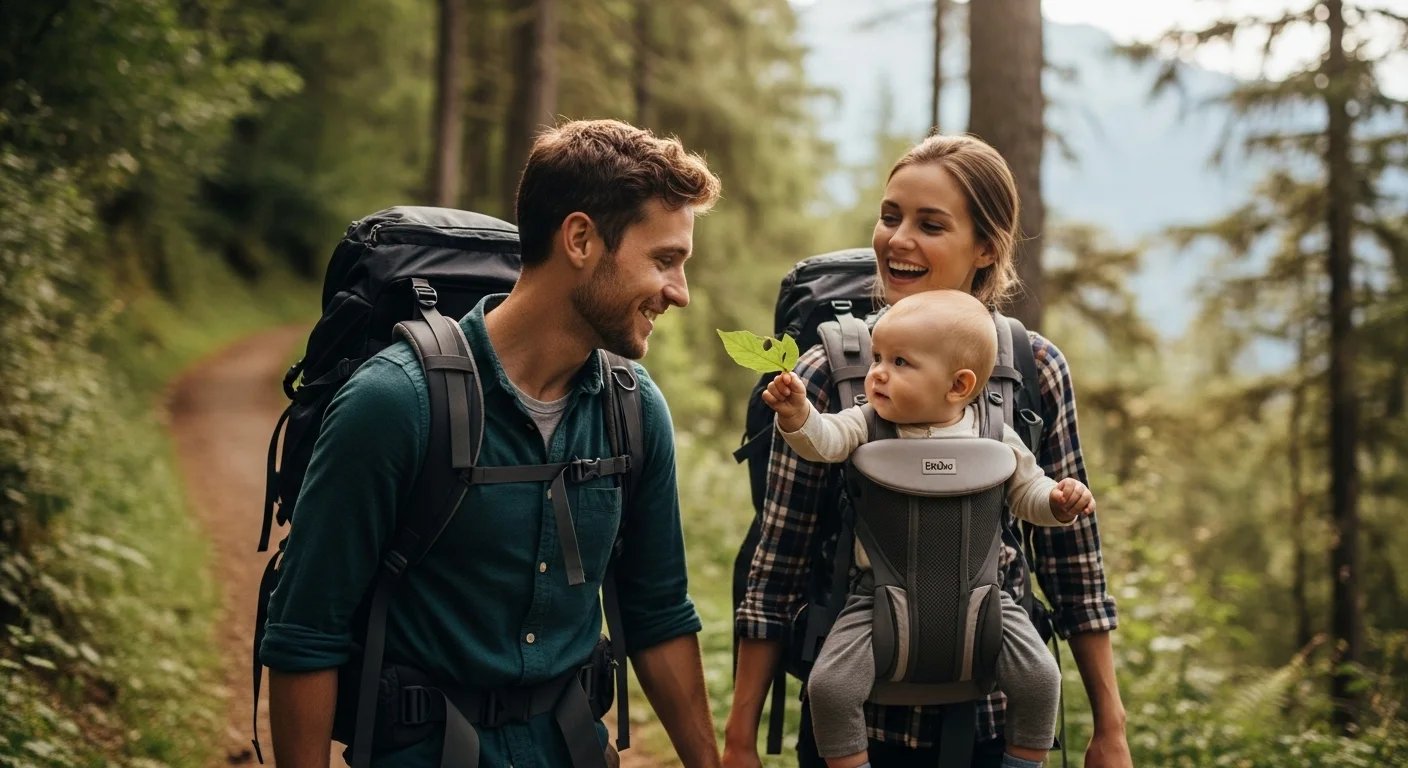
Backpacking with your baby may seem daunting, but it can be a wonderful adventure. This experience not only brings families closer but also plays a crucial role in enhancing your baby’s emotional skills. For more insights on this, check out Travel Tips: Supporting Your Baby’s Emotional Growth.
Understanding Emotional Skills in Babies
What Are Emotional Skills?
Emotional skills refer to the ability to understand, express, and manage one’s emotions. For babies, this is a foundational aspect of their overall development. When I first started to consider emotional skills, I realized that these abilities are not just about feeling happy or sad; they encompass a wide range of experiences and reactions. Babies begin learning emotional skills right from birth, picking up cues from their caregivers’ facial expressions, tones of voice, and body language. I remember observing my child as they reacted to my smile, and it was clear that they were already starting to form their emotional responses even at such a young age.
The Importance of Emotional Development
Emotional development is crucial for a baby’s success in social interactions, cognitive growth, and overall well-being. I’ve learned that strong emotional skills can lead to better relationships, enhanced problem-solving abilities, and increased resilience later in life. When babies are emotionally attuned, they are more likely to feel secure and confident in their surroundings. This sense of security is vital, especially as they navigate new experiences. I’ve noticed how my child reacts with curiosity and excitement when we’re in familiar settings as opposed to new environments. This highlights how emotional development sets the stage for exploring the world around them.
The Role of Outdoor Experiences in Child Development
Benefits of Nature Exposure
Spending time outdoors has numerous benefits for children, especially babies. When I think about my experiences in nature, I feel a sense of peace and joy that is hard to replicate indoors. Fresh air, sunlight, and natural surroundings stimulate babies’ senses, providing them with diverse experiences that promote emotional and cognitive growth. Nature exposure has been shown to reduce stress and improve mood, not just for adults but for babies as well. I remember taking my little one on walks through a forest; their eyes lit up at the sight of colorful flowers and chirping birds. It was as if they were soaking in every bit of wonder around them. For more on how nature impacts development, read Backpacking with Baby: Social Growth Milestones to Watch.
How Adventure Stimulates Growth
Adventure can be a powerful tool for emotional development. Each new hike or exploration offers babies opportunities to experience a range of emotions—from excitement and joy to uncertainty and fear. I’ve seen firsthand how my child reacts to new sights and sounds while backpacking. Each experience helps them learn how to manage their feelings and adapt to changes. For instance, the first time we encountered a waterfall, my baby was startled by the loud rush of water. I gently reassured them, and soon they were giggling and splashing in the shallow pool below. It was a beautiful moment of learning and emotional growth.
Backpacking as a Family Activity
Choosing the Right Backpacking Destinations
Choosing the right destination is key to making the backpacking experience enjoyable for your baby and yourself. I recommend looking for trails that are suitable for families, ideally with relatively easy terrain and beautiful scenery. National parks or state parks often have well-maintained paths and numerous attractions that can capture a child’s attention. I’ve found that places with nearby water sources, like lakes or rivers, are particularly engaging for my little one, providing an opportunity to explore and play safely.
Essential Gear for Backpacking with Babies
When backpacking with a baby, having the right gear can make all the difference. I’ve learned that a comfortable baby carrier is essential. It should provide good support for both you and your baby while allowing you to move freely. Sun protection is also crucial, so I always pack a wide-brimmed hat and sunscreen. Additionally, bringing along a lightweight blanket and some of my child’s favorite toys can create a sense of familiarity and comfort in the great outdoors. For tips on cognitive development during these trips, see Cognitive Development Tips for Backpacking Parents.
Planning a Family-Friendly Backpacking Trip
Planning is vital for a successful family backpacking trip. I always start by mapping out the route and estimating how long it will take us to hike with a baby. I’ve learned to keep our itinerary flexible, allowing for extra breaks and time to explore. It’s important to consider meal times and naps as well. I often carry snacks and baby-friendly food to keep my child happy and fueled for our adventures. The more prepared we are, the more we can enjoy the experience together.
How Backpacking Enhances Emotional Skills
Building Trust and Security
One of the most profound experiences I’ve had while backpacking with my baby is witnessing how these adventures build trust and security between us. As we venture into the great outdoors, my little one learns to rely on me for comfort and safety. I remember a particular hike through a dense forest where my baby was initially apprehensive about the unfamiliar sounds and sights. I held their hand and talked to them about the rustling leaves and chirping birds, helping them feel secure in my presence. This simple act of reassurance was a bonding moment that deepened our connection and fostered their trust in me as their caregiver. In situations like this, I’ve seen how babies begin to recognize that they can rely on their parents to keep them safe, which is critical for their emotional development.
Encouraging Independence and Confidence
Backpacking also offers unique opportunities for babies to develop a sense of independence and confidence. As we explore new trails, I encourage my little one to engage with the environment—whether it’s picking up a smooth stone, feeling the grass, or splashing in a puddle. These small, independent actions allow my baby to explore their surroundings actively, fostering a sense of accomplishment. I vividly remember the first time my child took a few steps on their own to reach a colorful flower. Their face lit up with excitement, and I felt a rush of pride. It’s these moments that help babies build confidence in their abilities. By encouraging them to explore while knowing I’m nearby, I’ve seen how their independence grows, which is essential for emotional resilience.
Fostering Social Skills Through Interaction
Backpacking is a wonderful way to cultivate social skills in babies through interaction with others. When we meet fellow hikers or families on the trail, I take the opportunity to introduce my child to new faces. I encourage smiles and waves, which helps my baby learn social cues and develop communication skills. I remember one trip where we encountered a group having a picnic. My child, curious about the gathering, approached them with a shy smile. The other children welcomed my little one with open arms, and soon they were laughing and playing together. These interactions taught my baby about sharing, cooperation, and empathy—skills that are crucial for their emotional development.
Understanding and Managing Emotions in New Environments
Every new experience in nature can evoke a range of emotions for babies, and backpacking offers a fantastic backdrop for them to learn how to understand and manage these feelings. Each hike presents various stimuli—new sights, sounds, and sometimes unexpected challenges, like steep trails or sudden weather changes. I remember one hike where we were caught in a light rain. My baby was initially startled and began to fuss. I took a moment to comfort them, explaining that the rain was just nature’s way of refreshing the world around us, and that we were safe under our little shelter. As I pointed out the droplets on leaves and the way the earth smelled fresh, the initial scare turned into curiosity. This experience taught my child not only how to cope with discomfort but also how to appreciate the beauty of nature, even in less-than-ideal circumstances.
Practical Tips for Backpacking with Babies
Safety Considerations
Safety is always my top priority when backpacking with my baby. I carefully consider the terrain and weather conditions before heading out. I’ve learned to pack a first-aid kit that includes essentials like band-aids, antiseptic wipes, and any medications my baby might need. I also make sure to have a reliable baby carrier that has proper support and safety features. Additionally, I always let someone know our planned route and expected return time, just in case we encounter any unexpected delays. On the trail, I keep a close eye on my little one to ensure they’re comfortable and secure. For me, taking these precautions helps me relax and truly enjoy our time in nature.
Maintaining a Comfortable Environment
Keeping my baby comfortable while backpacking is essential for a positive experience. I’ve found that layering clothing works wonders, as it allows me to adjust based on changing weather conditions. I always bring a lightweight, breathable blanket for my child to snuggle with if it gets chilly. Hydration is also key, so I make sure to pack enough water and baby-friendly snacks. I’ve noticed that little ones can get cranky if they’re hungry or tired, so I try to anticipate their needs and keep our breaks frequent and relaxed. Finding a shady spot for a rest can also make a big difference in keeping the mood light and enjoyable.
Engaging Activities During the Trip
To make our backpacking trips even more engaging for my baby, I’ve incorporated various activities that stimulate their curiosity. Simple games like “I Spy” with nature can capture their attention and encourage observation skills. I often point out different colors, shapes, and animals, making it a fun learning experience. We also take time to explore textures—letting them touch the bark of trees, feel the softness of moss, or splash in water. These activities not only keep my baby entertained but also deepen their emotional connection to the world around them.
Real-Life Examples of Backpacking with Babies
Case Study: Family Backpacking Trip in National Parks
One of my most memorable experiences was a family backpacking trip to a national park. It was a bit daunting at first, but I remember feeling excited about the adventure ahead. The park we chose was known for its stunning landscapes and gentle trails, making it perfect for families with young children. We set off early in the morning, the sun just peeking over the horizon, casting a warm glow on everything around us.
As we started our hike, I noticed how my baby responded to the fresh air and the sounds of nature. The rustling leaves and chirping birds fascinated them. I had packed a lightweight carrier that allowed me to keep my little one close while still enjoying the beauty of our surroundings. Throughout the day, we encountered different terrains—gentle slopes, rocky paths, and even a small stream. Each new sight sparked joy and curiosity in my baby, and I loved sharing these moments with them.
A particularly magical moment occurred when we stumbled upon a breathtaking viewpoint. The view of the sprawling valley below was stunning, and I could see the awe on my child’s face. I took a moment to explain what they were seeing, pointing out the colors and shapes of the landscape. It was a simple yet profound experience that deepened my connection with my child as we both took in the beauty of nature together.
As the day unfolded, I made sure to take breaks, allowing my baby to stretch and explore safely. We had packed a picnic lunch, and finding a cozy spot under a big tree was the perfect way to refuel. I remember how my child enjoyed tasting different snacks, and how sharing our meal felt special amidst the serene backdrop of the park. Overall, this trip not only provided us with unforgettable memories but also showcased how backpacking can enhance emotional skills in babies.
Testimonials from Parents
After sharing my own experiences, I wanted to know how other parents felt about their backpacking adventures with babies. I reached out to friends and fellow parents through social media, and I was overwhelmed by the positive feedback. Many highlighted the unique bond they formed with their children during these trips. For instance, one mom shared how her toddler learned to identify various animals while hiking. Every time they spotted a deer or a rabbit, her child would squeal with delight, which, in turn, fostered a love for nature.
Another parent recounted a trip where they faced unexpected challenges, like rain and a steep trail. They described how their baby initially fussed during the climb, but after a few moments of comfort and encouragement, the child began to enjoy the adventure. They discovered that by reassuring and engaging with their baby during tough moments, they were not only teaching them resilience but also strengthening their trust in one another.
A dad shared a story of a camping trip where his baby met other children at the campsite. He noted how his little one quickly learned to share toys and interact with others, fostering early social skills in a natural setting. Hearing these testimonials reinforced my belief in the benefits of backpacking for emotional development. It’s incredible how these shared experiences can shape our children’s understanding of the world and their place in it.
From my conversations, it became clear that every family has a unique story, but the common thread was how these adventures in nature created lasting memories and emotional growth. Whether it was through laughter, overcoming fears, or simple moments of joy, each experience contributed to their babies’ development in profound ways. I felt inspired by the collective stories of connection, learning, and love, and it reminded me just how impactful our time outdoors can be.
Resources for Parents
Recommended Books on Parenting and Emotional Development
As I’ve navigated the journey of parenting, I’ve found that books can be invaluable resources. One of my favorites is “The Whole-Brain Child” by Daniel J. Siegel and Tina Payne Bryson. This book offers practical strategies for nurturing emotional and intellectual development. I appreciate how it breaks down complex concepts into relatable advice that I can apply day-to-day. Another excellent read is “How to Talk So Kids Will Listen & Listen So Kids Will Talk” by Adele Faber and Elaine Mazlish. This book helped me understand how to communicate effectively with my child, which has been pivotal in fostering emotional skills.
Online Communities and Support Groups
Connecting with other parents who share similar interests can be incredibly supportive. I discovered online forums and social media groups dedicated to parenting and outdoor adventures. Websites like Meetup and Facebook have groups specifically for parents interested in hiking or backpacking with children. I’ve engaged with fellow parents who share their experiences, tips, and even organized group hikes. These interactions have not only enriched my knowledge but also made me feel part of a larger community. I think it’s comforting to know that we’re all navigating similar challenges and joys.
Useful Apps for Planning Backpacking Adventures
In our tech-savvy world, various apps can make planning backpacking trips easier and more enjoyable. One app I rely on is AllTrails. It allows me to explore trails nearby and read reviews from other hikers, which helps in choosing the right route for our family. I also like using the MyFitnessPal app to track our meals and ensure we’re staying nourished on the trail. Additionally, there are planning apps like Roadtrippers that help map out our journey, including stops for breaks, which is essential when traveling with a baby. These tools have made our adventures more organized and stress-free.
Final Thoughts
The journey of backpacking with a baby is more than just an adventure in nature; it’s a profound opportunity for emotional growth and connection. Each hike, each new experience we share strengthens our bond and enriches our understanding of the world. I’ve come to cherish the moments when my little one discovers something new, whether it’s a tiny bug or the sound of rustling leaves. It’s these small victories that foster their emotional skills and encourage them to explore further.
As parents, we have the privilege of guiding our children through these formative experiences. Through our adventures, we teach them resilience, independence, and the importance of connection—both with us and the world around them. I hope this journey of backpacking inspires you to step outside and create lasting memories with your little one. Whether it’s a day hike or a weekend camping trip, the laughter, learning, and love you share will undoubtedly shape your child’s emotional development in beautiful ways. Let’s embrace the wilderness together and watch our children flourish!
Frequently Asked Questions
What are emotional skills in babies?
Emotional skills refer to the ability to understand, express, and manage one’s emotions. For babies, these skills are foundational to their overall development and encompass a wide range of emotional experiences and reactions.
Why is emotional development important for babies?
Emotional development is crucial for a baby’s success in social interactions, cognitive growth, and overall well-being. Strong emotional skills lead to better relationships, enhanced problem-solving abilities, and increased resilience later in life.
How does spending time in nature benefit babies?
Spending time outdoors stimulates babies’ senses and provides diverse experiences that promote emotional and cognitive growth. Nature exposure has been shown to reduce stress and improve mood for both babies and adults.
What should parents consider when choosing backpacking destinations with babies?
Parents should look for family-friendly trails with relatively easy terrain and beautiful scenery. National parks or state parks with well-maintained paths and nearby water sources are ideal for engaging babies during outdoor experiences.
What essential gear is needed for backpacking with a baby?
A comfortable baby carrier is essential for support and mobility. Sun protection items like a wide-brimmed hat and sunscreen, along with a lightweight blanket and some of the baby’s favorite toys, are also important for comfort and familiarity.
How can parents plan a family-friendly backpacking trip?
Planning a successful trip involves mapping out the route, keeping the itinerary flexible for breaks and exploration, and considering meal times and naps. Packing snacks and baby-friendly food helps keep the child happy during the adventure.
How does backpacking help in building trust and security in babies?
Backpacking adventures allow babies to rely on their caregivers for comfort and safety. These experiences foster trust as caregivers reassure their babies during unfamiliar situations, which is critical for emotional development.
In what ways does backpacking encourage independence and confidence in babies?
Backpacking provides opportunities for babies to engage with their environment, fostering a sense of independence and accomplishment. Encouraging exploration allows babies to build confidence in their abilities while knowing their caregivers are nearby.
How does backpacking foster social skills in babies?
Backpacking allows babies to interact with others, helping them learn social cues and communication skills. Meeting fellow hikers and engaging with them provides opportunities for sharing, cooperation, and empathy.
What are some practical tips for maintaining a comfortable environment while backpacking with a baby?
Maintaining comfort involves layering clothing for changing weather, packing a lightweight blanket, ensuring hydration, and anticipating needs for snacks and breaks. Finding shady spots for rest can also help keep the experience enjoyable.