
Traveling with kids can feel like an adventure fraught with challenges, especially when tantrums loom on the horizon. By understanding the triggers and planning ahead, we can make our journeys smoother and more enjoyable for everyone. Decoding Tantrums: Your Essential Travel Survival Guide can provide additional insights on how to manage these situations effectively.
Understanding Tantrums in Children
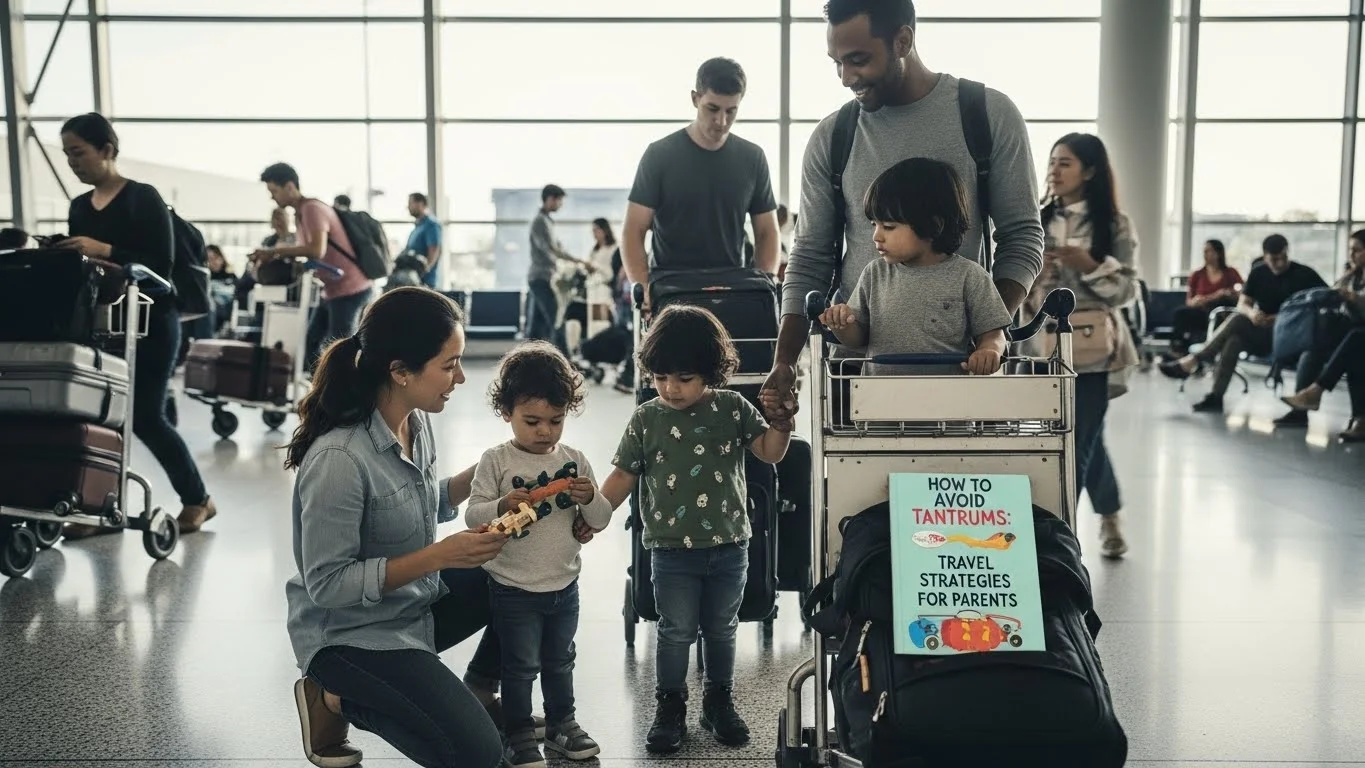
As parents, we’ve all been there: the grocery store meltdown, the spontaneous outburst in a restaurant, or the infamous tantrum in the middle of a long flight. Tantrums are a normal part of childhood development, but they can become particularly pronounced during travel. I’ve seen firsthand how a simple change in routine can send my little ones into a tailspin. Understanding what causes these outbursts, especially while traveling, can help us navigate our trips more successfully.
What Causes Tantrums During Travel?
Tantrums during travel can stem from a variety of sources. One of the biggest culprits I’ve noticed is the overwhelming nature of new experiences. When we embark on a trip, our children are exposed to unfamiliar environments, sounds, and schedules. For instance, I remember our first family trip to the beach. My kids were thrilled at first, but the excitement quickly turned to frustration when the sun was too bright, the sand was too hot, and they were tired from the long car ride. Everything felt new and overwhelming.
Another significant factor is the disruption of routine. Kids thrive on consistency, and when their daily rhythms are thrown off, tantrums can quickly follow. I learned this the hard way when I forgot to maintain nap times during our vacation. Without their usual schedule, my children became cranky and irritable, leading to some memorable meltdowns. Travel Tips: Mastering Tantrums for Smooth Adventures offers great strategies for maintaining routines while on the go.
The Role of Environment and Routine Disruption
Traveling often means leaving behind the comfort of home and familiar surroundings. For young children, this shift can be particularly jarring. I once took my kids to a bustling city, and the sounds, sights, and people overwhelmed them. They were used to the quiet of our neighborhood, and that sudden change made it hard for them to cope. I realized that the environment plays a crucial role in their emotional state.
Disruption of routine is another significant factor. Kids often have set times for meals, play, and sleep. When we travel, especially on long journeys, these routines can be disrupted. I’ve found that maintaining some sense of normalcy—like having a snack at the same time or sticking to a bedtime routine—can help ease the transition. Just the other day, we were in a new hotel, and I made sure to read our bedtime story in the same way we do at home. It made all the difference!
Age-Related Triggers for Tantrums
It’s essential to recognize that different age groups experience tantrums for various reasons. I’ve noticed that toddlers, for example, often have meltdowns because they lack the language skills to express their needs. They may be hungry, tired, or just overwhelmed by the new environment, but they can’t articulate it, leading to frustration. On the other hand, older children might express their feelings more verbally but still struggle with the changes that travel brings.
For infants, it’s often about basic needs: sleep, food, and comfort. I remember traveling with my youngest when he was a baby. Whenever he was tired or hungry, the signs of a tantrum were imminent! I found that keeping his feeding and nap schedule in mind helped us avoid many potential outbursts.
Understanding these age-related triggers has been invaluable in my parenting journey. I’ve learned to anticipate potential issues based on my children’s ages and developmental stages. This awareness has allowed me to plan strategies that can help us all navigate our trips without unnecessary stress. Transform Tantrums: Effective Discipline Techniques for Kids is a helpful resource for developing these strategies.
Pre-Travel Preparation
With a better understanding of tantrums and their triggers, the next step is preparation. I can’t emphasize enough how much planning ahead can stave off meltdowns. It’s not just about packing bags; it’s about setting the stage for a smoother experience.
Choosing the Right Destination for Families
Choosing a family-friendly destination is key. Some places cater more to families than others. From my experience, beaches, national parks, and theme parks often provide activities for kids that help keep them engaged and happy. I remember visiting a national park where we could go on family hikes. The kids were excited to explore the trails and see wildlife, which kept their spirits high.
Planning a Family-Friendly Itinerary
Once you’ve chosen a destination, planning a family-friendly itinerary is essential. I’ve found that a balance of activities, downtime, and flexibility works best. Over-scheduling can lead to exhaustion and, inevitably, tantrums. During our last trip, we made a point to include quiet afternoons in our hotel where the kids could relax and recharge. This approach helped us avoid the dreaded “too much, too fast” syndrome.
Booking Accommodations with Kids in Mind
When it comes to accommodations, I always look for kid-friendly options. Family suites, hotels with play areas, or even rentals with kitchens can make a huge difference. I remember one time we stayed in a rental with a backyard. The kids had space to play and unwind, which helped them stay calm during the trip.
Packing Essentials for a Smooth Trip
Packing the right essentials is another vital part of preparation. I always bring a travel backpack filled with snacks, toys, and comfort items. Snacks can prevent hunger-induced tantrums, and a favorite toy can provide comfort in unfamiliar environments. A few games or coloring books can also keep them entertained during longer travel times. I once regretted not packing enough snacks on a long flight, and trust me, I learned my lesson!
Travel Strategies to Minimize Tantrums
Flexible Scheduling and Timing
When we travel with kids, I’ve found that flexibility is our best friend. Kids don’t always operate on a strict timeline, and trying to stick to a rigid schedule can easily lead to frustration for both them and us. For example, during our last trip, we planned our daily activities around my children’s natural rhythms instead of forcing them into a set schedule. This meant choosing the best times for outings, like heading to the zoo right after breakfast when they were well-rested and excited. I remember how much more enjoyable the day was when we didn’t rush them through activities. Allowing for spontaneity, like a last-minute playground stop, kept everyone happier and more engaged.
Engaging Activities During Transit
Long journeys can be particularly tough for little ones, so I’ve learned to pack a variety of engaging activities to keep them entertained. On our last road trip, I put together a travel activity kit filled with coloring books, stickers, and small puzzles. I even included a few interactive games we could play together in the car, like “I Spy.” These activities helped to break up the monotony of the drive and kept my children focused on something fun rather than the time. I remember how excited they were to show me their artwork during our rest stops. It turned what could have been a grueling journey into a memorable part of the adventure.
Creating Comfort Zones in New Environments
Establishing a sense of comfort in new places is crucial. I’ve noticed that when my kids feel secure, they are more likely to adapt to their surroundings without a fuss. When we arrive at a hotel or rental, I always take a moment to let them explore their new space. I encourage them to pick their beds, set up their toys, or arrange their things in a way that feels familiar. I also try to maintain some elements from home, like having their favorite blanket or stuffed animal handy. A few years ago, when we stayed in a cabin in the woods, I brought along a small piece of their playroom. It was just a simple toy but seeing something they recognized made them feel more at ease in the new environment.
Incorporating Familiar Items from Home
Speaking of comfort, bringing along familiar items from home can be a game changer. I’ve found that having their favorite stuffed animal or a beloved bedtime story can help my kids feel connected to home even when they’re far away. On one trip, I made sure to pack my daughter’s favorite bedtime book. Even after a long day of exploring, she would cuddle up with it, and it made her feel grounded. It’s a simple yet effective way to ease the transition into new experiences. Plus, it often leads to sweet moments of bonding as we read together in a new location, creating lasting memories.
During the Journey
Managing Expectations with Kids
Before we embark on our adventures, I’ve learned that setting realistic expectations with my kids can help prevent tantrums. I try to have a conversation about what we’re going to do, including the fun parts and the not-so-fun parts, like long waits or delays. For instance, when we were heading to an amusement park, I explained that while there would be plenty of exciting rides, there might also be lines to wait in. This way, they know what to expect and can mentally prepare themselves. When we faced a long wait one day, I reminded them about our earlier talk, which helped them manage their feelings and stay patient. I believe that this kind of open dialogue fosters a sense of teamwork and understanding.
Using Positive Reinforcement Techniques
Positive reinforcement has also been effective in minimizing tantrums. I use praise and rewards to encourage good behavior during travel. I remember one time when we were on a long flight, and my son was getting restless. I decided to make a game out of it: every time he displayed patience or shared nicely with his sister, I’d offer a sticker. By the end of the flight, he had collected quite a few, and I could see his behavior improve as he aimed for that next sticker. Celebrating small victories not only keeps them engaged but also reinforces positive behavior.
Strategies for Handling Meltdowns on the Go
Even with the best planning, meltdowns can still happen. I’ve learned that having a few strategies up my sleeve can make a world of difference. One effective approach is to quickly find a calm space—whether it’s a quiet corner of the airport or a park bench—to help them regain their composure. I remember a particularly overwhelming day at a busy tourist spot when my daughter had a meltdown. Instead of trying to push through, we stepped aside and took a few moments to breathe and talk it out. A little time to regroup worked wonders. Sometimes, simply acknowledging their feelings and providing comfort can turn things around.
In-Transit Entertainment Options
Finally, I can’t stress enough how important it is to have entertainment options ready for in-transit moments. Whether it’s a tablet loaded with movies, audiobooks, or interactive apps, having a variety of choices can keep my kids occupied during long travel times. I’ve found that audiobooks, in particular, are a fantastic way to engage them in a story without screens. During one flight, we listened to a fun kids’ mystery story together, and it sparked great conversations. It turned a potentially chaotic time into a bonding experience, leaving us all excited for our destination.
Activities and Destinations for Kids
Interactive Museums and Educational Stops
When traveling with kids, I’ve found that interactive museums can be a goldmine for engaging their curiosity and energy. These places often have hands-on exhibits designed specifically for children, which can keep them entertained for hours. I remember visiting a children’s science museum where my kids could experiment with different science concepts. They built structures in a construction zone and even participated in a live science demonstration. It was not only a fun way to learn but also a great opportunity for them to burn off some energy. I recommend checking local listings for any interactive exhibits or events that might be happening during your visit. You might be surprised at what’s available!
Outdoor Adventures and Nature Activities
Outdoor adventures can be another fantastic way to keep kids active and engaged while traveling. I’ve always found that my children thrive in natural settings. For instance, we once went on a family hike in a nearby national park. The excitement of spotting wildlife, climbing rocks, and exploring new trails kept my kids excited and happy. I think it’s important to choose trails that are family-friendly and not too strenuous, so everyone can enjoy the experience together. Additionally, parks often have picnic areas where we can take a break and have a snack, which helps to recharge everyone’s spirits!
Child-Friendly Dining Experiences
Dining out can sometimes be a challenge, but I’ve discovered that many restaurants are becoming more family-oriented. I look for places that offer kid-friendly menus and a relaxed atmosphere. I remember one trip where we stumbled upon a diner that had a fun vibe, complete with a play area. The kids could play while waiting for their food, which kept them entertained and made the meal more enjoyable for everyone. Additionally, I try to involve my kids in the ordering process, letting them choose their meals from a few options. This little act of independence seems to make them feel more invested in the experience, leading to fewer complaints and more smiles at the table.
Local Attractions with Kid Appeal
Every destination has its gems that are especially appealing to children. I’ve learned to do a little research before we go to see what local attractions might interest my kids. Whether it’s a zoo, aquarium, or amusement park, these places usually have something for everyone. On one trip, we visited a local farm where the kids could feed animals and even ride ponies. Seeing their excitement was priceless! I recommend looking up local events or attractions online before your trip. Websites often provide insights about special family days or discount tickets, which can make the outing even more enjoyable and budget-friendly.
Post-Travel Reflection and Learning
Discussing the Trip with Your Child
After a trip, I’ve found it incredibly valuable to sit down with my kids and talk about our adventures. Reflecting on the experiences helps them process everything they’ve seen and done. I like to ask open-ended questions like, “What was your favorite part of the trip?” or “What surprised you the most?” This not only encourages them to think critically about their experiences but also fosters a bonding moment for us. I remember one time my son said his favorite part was seeing a real-life bear, and that sparked a whole conversation about wildlife and nature. It’s a simple yet effective way to keep the excitement alive even after the trip is over!
Identifying What Worked and What Didn’t
Every journey offers a chance to learn, and I’ve made it a habit to evaluate what worked and what didn’t during our travels. After our trips, I take some time to jot down notes about the things that went smoothly and the challenges we faced. For example, I might note that packing extra snacks kept everyone happy during long drives, or that skipping a planned activity to relax was a smart choice. This reflection has helped me fine-tune our future travel plans, making them more enjoyable for everyone. I encourage other parents to do this as well—it’s a fantastic way to grow from each travel experience!
Preparing for Future Travels Based on Experiences
With every trip, I become more confident in what my family needs for a successful outing. I’ve started creating a checklist based on our reflections so that we can build on those lessons for the next adventure. For instance, I’ve learned which snacks work best, how to create a more balanced itinerary, and what activities my kids enjoy the most. This preparation not only reduces stress for me but also sets the stage for happier travel experiences. The more I travel with my kids, the more I feel like we’re becoming pros at this whole family adventure thing!
Additional Resources for Parents
Parenting Blogs and Forums
As I’ve navigated the ups and downs of traveling with kids, I’ve found tremendous value in connecting with other parents through blogs and forums. These platforms are treasure troves of tips, tricks, and shared experiences. I remember coming across a blog post that detailed a family’s journey to Europe with toddlers. They shared their itineraries, what worked, and what didn’t, which was incredibly helpful for our own planning. I encourage parents to explore these communities, as they can offer support and innovative ideas that you might not have considered.
Books on Traveling with Children
Books dedicated to traveling with children can also be a great resource. I’ve read several that provide insights into managing travel logistics while keeping kids engaged and entertained. One of my favorites is a book that emphasizes the importance of play during travel. It encourages parents to think creatively about how to incorporate fun activities into every part of the journey. I often find that these books not only offer practical advice but also inspire me to approach travel with a sense of adventure and excitement.
Apps for Family Travel Planning
Lastly, technology can be a real ally when planning family trips. There are several apps designed specifically for family travel that can help streamline logistics and keep everyone organized. From itinerary planners to packing lists, I’ve found these tools invaluable. For example, I recently discovered an app that allows you to create a shared itinerary with family members. This way, everyone knows the plan, and we can all contribute ideas for activities. Embracing these resources has made our travel experiences smoother and more enjoyable for the whole family.
Frequently Asked Questions
What are common causes of tantrums during travel?
Tantrums during travel can be caused by overwhelming new experiences, disruption of routine, and environmental changes. Children may become frustrated by unfamiliar surroundings, sounds, or schedules, leading to outbursts.
How can parents prepare for potential tantrums while traveling?
Parents can prepare by understanding tantrum triggers, planning family-friendly itineraries, choosing suitable destinations, and maintaining some routines, such as meal and nap times, to provide a sense of normalcy.
What strategies can help minimize tantrums during travel?
Strategies to minimize tantrums include flexible scheduling, packing engaging activities for transit, creating comfort zones in new environments, and incorporating familiar items from home to help children feel secure.
How can parents engage their kids during long journeys?
Parents can keep kids entertained during long journeys by packing a variety of engaging activities, such as coloring books, puzzles, and interactive games, as well as using audiobooks or movies.
What role does age play in tantrum triggers during travel?
Different age groups experience tantrums for various reasons. Toddlers may melt down due to language barriers, while older children might express feelings verbally but still struggle with changes. Infants often need basic needs met, like sleep and food.
What are some kid-friendly dining experiences during travel?
Look for restaurants that offer kid-friendly menus and relaxed atmospheres. Involving kids in the ordering process and finding places with play areas can also enhance the dining experience and reduce complaints.
How can parents handle meltdowns on the go?
To handle meltdowns, parents can find a calm space to help children regain their composure, acknowledge their feelings, and provide comfort. Taking moments to step aside and breathe can help turn things around.
What types of activities are recommended for kids when traveling?
Recommended activities for kids include visiting interactive museums, going on outdoor adventures like family hikes, and exploring local attractions such as zoos or farms that engage their curiosity and energy.
How can parents reflect on their travel experiences with their children?
Parents can reflect on travel experiences by discussing the trip with their children, asking open-ended questions about their favorite parts, and evaluating what worked or didn’t to improve future trips.
What resources are available for parents planning to travel with kids?
Resources include parenting blogs and forums for shared experiences, books on traveling with children for practical advice, and family travel planning apps that help streamline logistics and keep everyone organized.