
Every parent has faced the whirlwind of emotions that comes with a child’s tantrum. Understanding how to communicate effectively during these challenging moments can transform the experience for both you and your little one. For more insights, check out Mastering Communication: Handle Tantrums Like a Pro.
Understanding Tantrums: What They Are and Why They Happen
Definition of Tantrums
When I think of tantrums, I picture a small, frustrated being overwhelmed by feelings too big for their little body to handle. A tantrum is an outburst of anger or frustration, typically characterized by crying, screaming, or even physical actions like throwing themselves on the ground. These moments can be loud and chaotic, leaving us parents feeling helpless and confused. I remember the first time my child threw a tantrum in the grocery store—I felt embarrassed and unsure of how to respond. It’s during these times that understanding the nature of tantrums can really help us navigate the storm.
Common Triggers for Tantrums
Tantrums often stem from a variety of triggers. In my experience, common culprits include hunger, fatigue, frustration, or feeling overwhelmed. For instance, when my child was tired but insisted on playing instead of napping, I learned the hard way that skipping that crucial downtime could lead to a spectacular meltdown. We’ve all seen how a simple “no” can set off an emotional explosion. It’s essential to recognize these triggers, as they can help us anticipate when a tantrum might occur. By understanding what causes tantrums, we can be better prepared to handle them when they arise. For more strategies, consider reading Understanding Tantrums: Age-Specific Strategies That Work.
The Developmental Stage of Tantrums
Tantrums are especially common during certain developmental stages, particularly between the ages of 1 and 4. During these years, children are learning to express their emotions, but they lack the verbal skills to articulate what they’re feeling. I remember being fascinated by how my child would sometimes burst into tears because they couldn’t have a toy, and I realized this was their way of expressing frustration. This phase is a natural part of growing up, even if it feels like a rollercoaster ride for us parents. Understanding that tantrums are a normal development stage can help us cope with our little ones’ emotional outbursts.
Preparing for Tantrums: Strategies for Parents
Recognizing Early Signs of Distress
One of the most valuable lessons I’ve learned is to recognize the early signs of distress before a tantrum escalates. Watch for cues like whining, clenching fists, or even a sudden change in mood. I often find that when my child starts to get cranky, it’s a good time to intervene before the storm hits. For example, if I notice my child getting antsy in a crowded place, I might suggest a quick snack or a change of scenery. This preemptive approach can save us both a lot of heartache.
Setting Up a Calm Environment
Creating a calm environment can make a significant difference in tantrum management. I’ve noticed that when my home is organized and free from chaos, my child tends to be more relaxed. Simple things like reducing noise, having a cozy corner for quiet time, or even playing soft music can help set the mood. I remember when I started implementing a ‘calm corner’ in our living room, filled with soft pillows and books. It’s a space where my child can retreat when emotions run high, providing a safe spot to breathe and regroup.
Establishing Routine to Minimize Tantrums
Establishing a consistent routine has been a game-changer for us. Kids thrive on structure, and having a predictable schedule helps them feel secure. I’ve found that when meal times, playtimes, and bedtimes are consistent, my child is much less likely to become upset. We decided to create a visual schedule with pictures to help my child understand what to expect throughout the day. This not only minimizes tantrums but also empowers them to feel in control of their day.
Effective Communication Techniques During Tantrums
Using Simple Language
When a tantrum hits, I’ve learned that using simple and clear language can work wonders. In the heat of the moment, my child isn’t processing complex information. Instead of saying, “I need you to calm down and articulate your feelings,” I try phrases like, “I see you’re upset.” This simple acknowledgment can sometimes help my child feel understood, which is the first step to calming down.
Maintaining a Calm Tone
Keeping a calm tone is crucial during tantrums. I’ve often found that if I raise my voice or show frustration, it only escalates the situation. I remind myself to breathe and speak softly, even if my child is screaming. It’s amazing how a gentle voice can cut through the noise and help ease tension. I believe that modeling calmness helps my child learn to respond to their emotions in a healthier way.
Non-Verbal Communication: Body Language and Facial Expressions
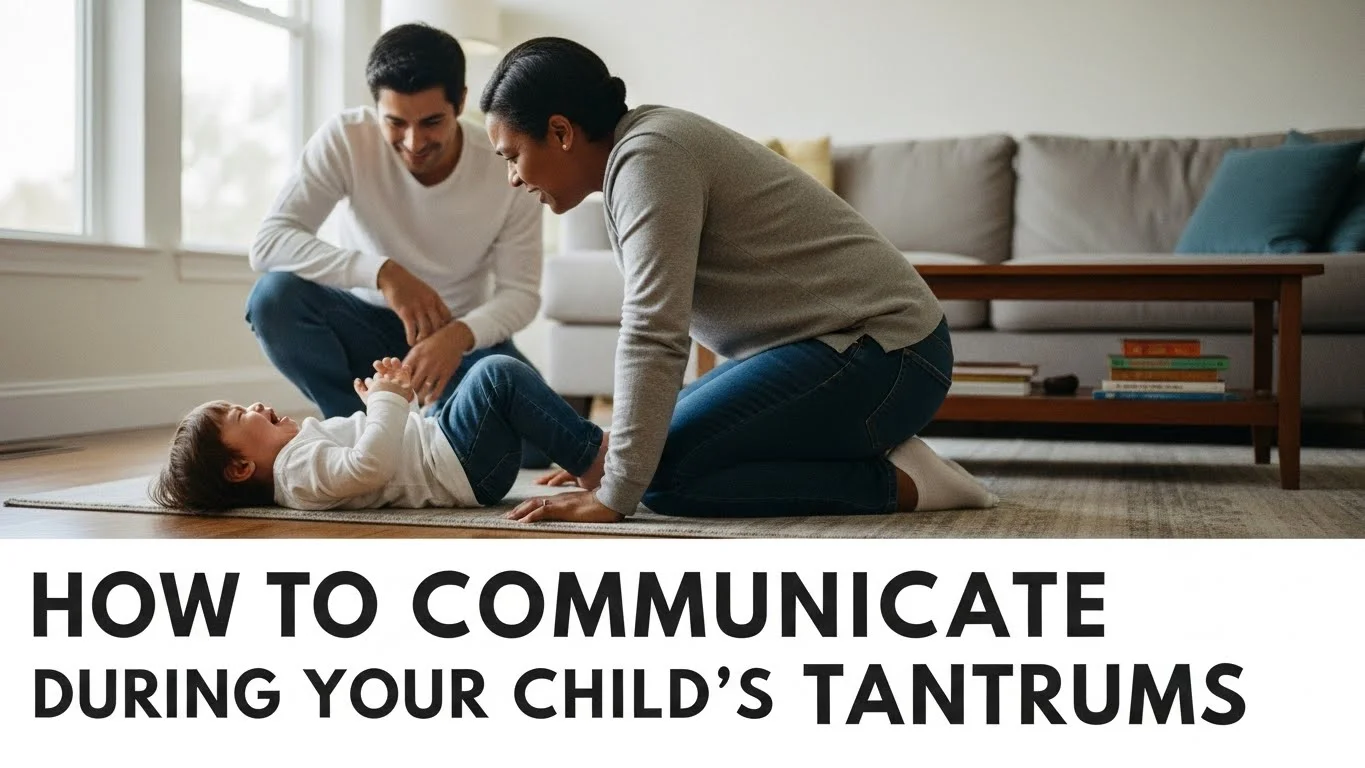
Non-verbal communication plays a huge role during tantrums. I’ve discovered that my body language speaks volumes. When I kneel down to my child’s level, maintaining eye contact, it shows them I’m present and listening. Smiling softly or using open gestures can convey reassurance. I remember a time when my child was inconsolable, and just my presence and warm smile began to ease their distress. It’s incredible what a little body language can do.
How to Respond to Your Child’s Emotions
Validating Your Child’s Feelings
I’ve come to realize that one of the most important things I can do during my child’s tantrums is to validate their feelings. When my little one is upset, it’s not just a phase; it’s a genuine emotion that deserves acknowledgment. I remember one particularly tough day when my child was crying because a toy broke. Instead of dismissing their feelings with “It’s not a big deal,” I found it more effective to say, “I can see that you’re really upset about your toy. It’s okay to feel that way.” This approach not only makes my child feel heard but also helps them understand that their emotions are valid. I think it’s crucial for us as parents to create an environment where our children feel safe expressing their emotions, even the tough ones.
Encouraging Deep Breathing and Relaxation Techniques
When emotions run high, I’ve learned that simple techniques can be incredibly helpful. One thing that works well for us is deep breathing. I often model this for my child by taking slow, deep breaths. I say, “Let’s breathe together—big inhale through the nose, and now blow it out like we’re blowing out candles.” This not only distracts them but also encourages them to calm down physically. I’ve noticed that after a few rounds of deep breathing, my child becomes more centered and able to articulate what’s bothering them. I believe that teaching relaxation techniques early on can be a powerful tool for emotional regulation as they grow.
Offering Choices to Empower Your Child
Another effective strategy I’ve found is to offer my child choices when they’re feeling overwhelmed. This helps them regain a sense of control during a time when they might feel powerless. For example, if my child is upset about leaving the park, I might say, “Would you like to walk to the car or ride in the stroller?” Giving them options has worked wonders in diffusing their frustration. I’ve seen how a simple decision can transform a tantrum into a cooperative moment. Empowering them in this way not only helps in that moment but also builds their confidence in making decisions in the future.
Post-Tantrum Communication: Talking it Out
Discussing What Happened After the Tantrum
After the storm has passed, I think it’s essential to revisit what happened. I try to sit down with my child in a calm moment and gently discuss the tantrum. I often start with, “I noticed you were really upset earlier. Can we talk about what made you feel that way?” This gives my child the chance to express their feelings again, and I’ve found that it’s a valuable learning opportunity. Reflecting on the situation helps them understand their emotions better and makes them feel validated. From my experience, these discussions can pave the way for healthier emotional expression in the future.
Teaching Problem-Solving Skills
In those discussions, I also try to guide my child toward problem-solving. After a tantrum, I might ask, “What could we do next time you feel this way?” This not only encourages them to think critically but also empowers them to come up with strategies for managing their feelings. I’ve noticed how this approach shifts the focus from just reacting to emotions to actively finding solutions. For instance, when my child feels upset over sharing toys, we brainstorm ways to take turns or find a similar toy to play with. It’s rewarding to see them develop these skills, knowing they are tools they can use throughout their lives.
Reinforcing Positive Behavior and Coping Strategies
Positive reinforcement plays a big role in helping my child navigate their emotions. When they handle a tough situation well—maybe by using their words instead of resorting to a tantrum—I make sure to acknowledge and praise that behavior. I often say, “I’m so proud of you for using your words to tell me how you felt!” This reinforcement helps my child understand what effective emotional management looks like. I also encourage them to remember the coping strategies we’ve discussed, emphasizing that it’s okay to ask for help when they need it. I’ve seen how positive reinforcement can cultivate resilience and emotional intelligence over time.
When to Seek Professional Help
Signs That Tantrums Are Beyond Normal Behavior
While tantrums are a normal part of childhood, there are times when they may indicate deeper issues. I’ve learned to keep an eye out for frequent tantrums that seem disproportionate to the situation or last longer than usual. If my child exhibits excessive aggression, or if their outbursts interfere with daily activities or social interactions, I start to wonder if we need additional support. Recognizing these signs early can make a significant difference in addressing potential underlying issues before they escalate.
Consulting Pediatricians and Child Psychologists
When I felt a sense of concern regarding my child’s tantrums, I didn’t hesitate to reach out to our pediatrician. They were able to provide valuable insights and, if necessary, recommend a child psychologist. Talking to professionals helped me understand what was typical for my child’s age and when we might need to explore further options. I believe that seeking help is not a sign of failure, but rather a proactive step in ensuring our children develop healthy emotional habits.
Resources for Parents: Books and Support Groups
There are so many resources available for parents navigating the tumultuous waters of tantrums. I’ve found that reading books on child development and emotional regulation has broadened my understanding and equipped me with more tools. Additionally, joining local parenting groups or online communities has been a great way to share experiences and learn from others facing similar challenges. I think it’s crucial for us as parents to have a support network because we’re all in this together, learning and growing along the way. For more tips, check out Handling Tantrums: Tips for Toddlers to Teens.
Additional Resources for Parents
Books on Child Development and Tantrums
As I navigated the ups and downs of tantrums, I found that reading books focused on child development was incredibly helpful. There are so many great resources out there! One book that I really appreciated was “The Whole-Brain Child” by Daniel J. Siegel and Tina Payne Bryson. This book delves into how a child’s brain develops and offers practical strategies for dealing with emotional outbursts. I found their insights about integrating logic and emotions really empowering, especially during those tough moments when my child was struggling to express themselves. Another excellent read is “No-Drama Discipline,” which focuses on a gentle approach to discipline while emphasizing connection. I believe that having these tools in my parenting toolkit has made a significant difference in how I approach tantrums and emotional regulation.
Websites and Online Communities for Parent Support
The internet can be a treasure trove of information for parents. I often turn to websites like Parenting.com and the American Academy of Pediatrics for articles and resources on managing tantrums and understanding child behavior. These sites are informative and provide evidence-based strategies that I can trust. Additionally, becoming part of online communities has been invaluable. Facebook groups or forums dedicated to parenting can be a great source of support. I remember posting about a particularly tough tantrum and receiving a flood of encouraging responses and advice from other parents who had been there too. It’s comforting to know that we’re not alone in this journey, and these online spaces can foster a sense of connection and camaraderie.
Workshops and Classes on Parenting Skills
In-person workshops and parenting classes can be a fantastic resource for hands-on learning and support. I participated in a local parenting class that focused on effective communication and discipline strategies. It was eye-opening to hear from both experts and fellow parents about their experiences. Sometimes, just discussing our challenges can provide fresh perspectives and new ideas. I also learned about role-playing techniques that could help me practice responses ahead of time, which I found really effective in reducing my anxiety during real-life tantrums. If you’re interested, I recommend checking with local community centers or schools, as they often host these kinds of workshops. Engaging with others in a supportive environment can help instill confidence in our parenting abilities.
Building Emotional Resilience in Your Child
The Importance of Emotional Resilience
As I’ve navigated tantrums and emotional outbursts, I’ve come to understand the importance of building emotional resilience in my child. Resilience is essentially the ability to bounce back from difficult situations, and fostering this skill can be incredibly beneficial as they grow. I’ve seen firsthand how equipping my child with tools to handle their emotions can make a difference, not just during tantrums but in everyday life. I believe that teaching them how to cope with the ups and downs will empower them as they face challenges in the future.
Encouraging Emotional Expression
One of the ways I work on building resilience is by encouraging my child to express their feelings openly. We often talk about emotions using simple language, and I make it a point to ask how they feel about certain situations. I remember one day when my child came home from school upset because they didn’t get picked for a team. Instead of brushing it off, I sat down with them and expressed understanding, saying, “It’s okay to feel sad about that.” This not only validated their feelings but also opened the door for them to express other emotions they might be experiencing. I think helping them articulate their feelings is the first step toward developing emotional intelligence.
Providing Opportunities for Problem-Solving
Encouraging my child to engage in problem-solving has also been a priority for me. I try to create scenarios in a playful context where they can practice resolving conflicts or making decisions. For instance, during playtime, I might introduce a situation involving sharing toys and ask, “How can we make sure everyone gets a turn?” This not only promotes critical thinking but also teaches them valuable social skills. I’ve noticed that when they are faced with challenges, they are more likely to approach them calmly and thoughtfully, rather than resorting to a tantrum. Building these skills early helps lay the groundwork for emotional resilience throughout their lives.
Frequently Asked Questions
What is a tantrum?
A tantrum is an outburst of anger or frustration, typically characterized by crying, screaming, or physical actions like throwing oneself on the ground. It occurs when a child is overwhelmed by feelings that they cannot handle.
What are common triggers for tantrums?
Common triggers for tantrums include hunger, fatigue, frustration, or feeling overwhelmed. Recognizing these triggers can help parents anticipate when a tantrum might occur.
At what age are tantrums most common?
Tantrums are especially common between the ages of 1 and 4, as children at this stage are learning to express their emotions but lack the verbal skills to articulate their feelings.
How can parents prepare for tantrums?
Parents can prepare for tantrums by recognizing early signs of distress, creating a calm environment, and establishing a consistent routine to help children feel secure.
What communication techniques are effective during tantrums?
Effective communication techniques during tantrums include using simple language, maintaining a calm tone, and utilizing non-verbal communication such as body language and facial expressions.
How should parents validate their child’s feelings during a tantrum?
Parents should acknowledge their child’s feelings by expressing understanding, such as saying, “I can see that you’re really upset.” This validation helps the child feel heard and understood.
What strategies can help a child calm down during a tantrum?
Strategies that can help include encouraging deep breathing and relaxation techniques, as well as offering choices to empower the child during overwhelming situations.
When should parents seek professional help for tantrums?
Parents should consider seeking professional help if tantrums are frequent, seem disproportionate to the situation, last longer than usual, or if the child exhibits excessive aggression or interferes with daily activities.
What resources are available for parents dealing with tantrums?
Resources for parents include books on child development, online communities for support, and workshops or classes focused on effective parenting skills and emotional regulation.
How can parents build emotional resilience in their children?
Parents can build emotional resilience by encouraging emotional expression, providing opportunities for problem-solving, and equipping their children with tools to handle difficult situations and emotions.