
Creating an emergency contact list for family trips is essential for peace of mind. It ensures that everyone knows who to reach out to in case something goes wrong, and it can truly make a difference during stressful situations. Read Interesting article: Create an Emergency Contact List for Family Travel Safety
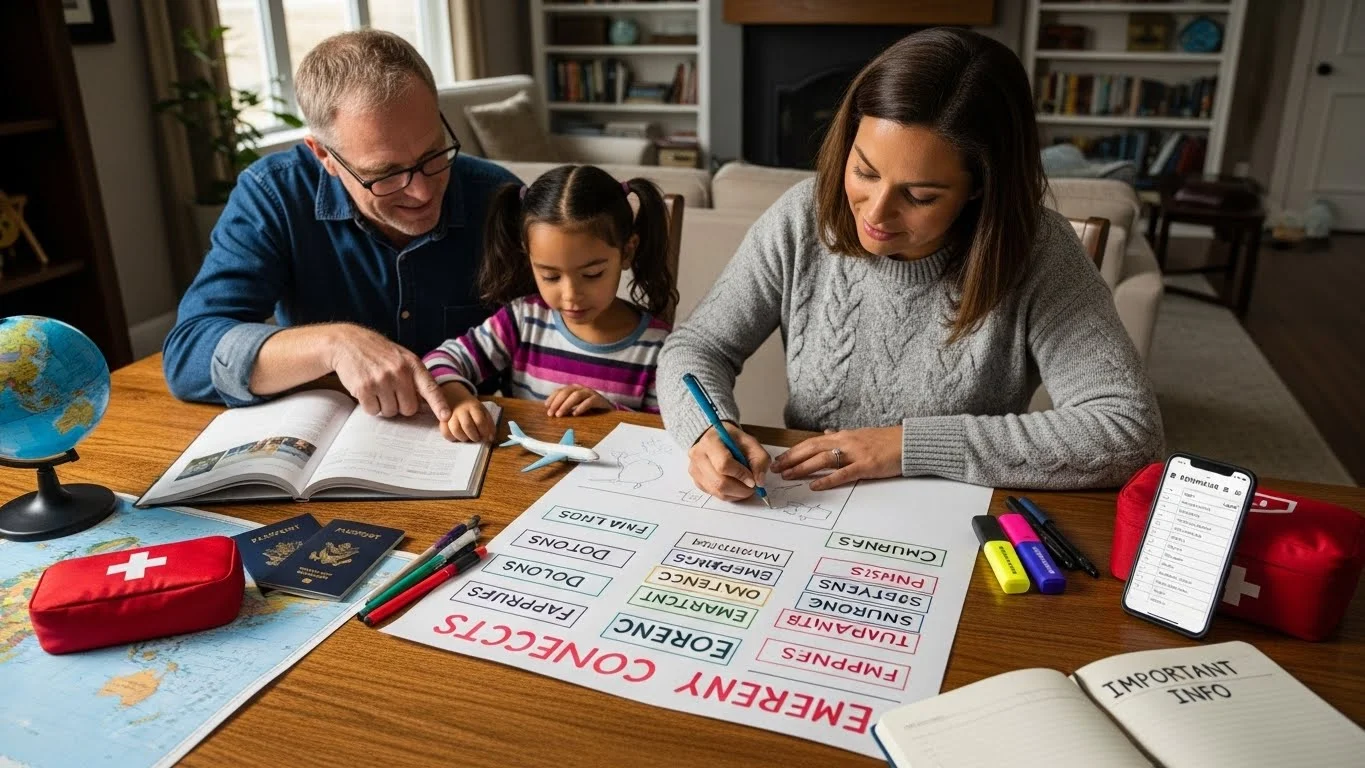
Understanding the Importance of an Emergency Contact List
Why You Need an Emergency Contact List for Travel
When I first started traveling with my family, I quickly realized that having an emergency contact list was not just a good idea; it was a necessity. Imagine being in a foreign place, far from home, and something unexpected happens. Whether it’s a minor accident, a lost wallet, or a medical issue, knowing whom to call can turn a panicky situation into a manageable one. I remember when we went on a family road trip, and my daughter got a bad cold. Having our doctor’s number handy made it easy to get advice without unnecessary stress.
Moreover, each destination comes with its own set of challenges. Local customs, language barriers, and different emergency services can complicate things further. Having that list ready means we can act swiftly without wasting precious time. It’s like having a safety net that ensures we’re covered, no matter what happens.
Key Benefits of Having an Emergency Contact List
Creating an emergency contact list for our trips has brought several benefits, which I’m sure you’ll find valuable too:
- Quick Access: When you have a list readily available, you can quickly reach out to the right people. This can be especially critical in medical emergencies, where every second counts.
- Less Stress: Knowing that you have a plan in place eases anxiety. I’ve felt a weight lift off my shoulders just by knowing that I won’t have to scramble to find help in an unfamiliar place.
- Enhanced Communication: When traveling with family or friends, everyone knowing the emergency contacts fosters better communication. We’ve had moments where one of us stepped in to help another who was in distress, thanks to the shared contact list.
- Preparedness for Different Situations: An emergency contact list can help prepare you for a range of situations, from lost belongings to medical emergencies. The more prepared we are, the less likely we are to panic.
- Simplifying Coordination: In a family with different schedules and activities, having a centralized list helps everyone stay aligned. It’s comforting to know we all have the same information at our fingertips.
Essential Information to Include in Your Emergency Contact List
Family Members’ Contact Information
First and foremost, include the contact information of every family member traveling with you. I’ve learned the hard way that having all phone numbers, email addresses, and even social media handles can be useful. If cell service is spotty, texting or social media may be our best bet for reaching each other.
Close Friends and Neighbors
Don’t forget to add close friends and trusted neighbors. They can be a lifeline if something happens while we’re away, especially if we need someone to check in on our home or pets. I’ve always made it a point to include my neighbor, who keeps an eye on things for us.
Medical Contacts (Doctors, Dentists, etc.)
Including our family doctor’s contact information is another vital step. I also add our dentist and any specialists we might need. It’s so comforting to have that readily available, especially if someone falls ill. We once had a situation where my son needed medical advice while we were camping, and having our doctor’s number saved us a lot of hassle.
Travel Insurance Provider
Travel insurance is a must-have when heading out, especially on long trips. Make sure you have your insurance provider’s contact details handy. You never know when you might need to reach out for help or file a claim. We always feel more secure knowing we’re covered.
Local Emergency Services
Research the local emergency services in your travel destination. This includes hospitals, police stations, and fire departments. I like to note down the local emergency numbers, as they can vary from place to place. One time, in a small town, I found that the emergency number was different from what I was used to at home, and having that information saved us from confusion.
Embassy or Consulate Information
If you’re traveling internationally, having your country’s embassy or consulate contact information is a smart move. They can assist you in emergencies, like lost passports or legal issues. It’s another layer of protection that I never travel without!
As I compiled my family’s emergency contact list, I realized how much peace of mind it brought me. It’s a simple task, yet it can have a significant impact on our travel experience. Next, I’ll share some tips on how to organize and maintain this list effectively, so it’s always ready when we need it. Read Interesting article: Essential Emergency Contacts Every Family Should Have While Traveling
How to Organize Your Emergency Contact List
Choosing a Format (Digital vs. Paper)
When it comes to organizing our emergency contact list, I’ve found that choosing the right format is crucial. For a while, I relied solely on a paper list tucked away in my travel bag. While it was nice to have something tangible, I soon realized that a digital format worked better for my family’s needs. I could easily update it, and we could access it from our phones, which are practically glued to our hands anyway!
In my experience, a digital contact list has several advantages. First, it’s easily shareable. I can send it to my family members through messaging apps, and everyone has it at their fingertips. Additionally, I can make immediate updates if someone’s contact information changes or if we add new contacts, like a new friend we meet during our travels.
However, I still keep a printed version as a backup. You never know when technology might fail, and having a paper copy can be a lifesaver in situations where your phone dies or you lose service. For us, the best approach is a combination of both. I recommend trying out different formats to see what works best for your family!
Creating a Travel-Specific Emergency Contact List
Creating a travel-specific emergency contact list has become one of my favorite planning rituals. I take our core list and tailor it to each trip. This way, I can ensure that all the relevant contacts for our destination are included. For instance, if we’re visiting a new city, I’ll look up local hospitals, urgent care centers, and even nearby friends or relatives who could help in an emergency.
One time, we traveled to a remote area, and I remember researching local services ahead of time. I found a nearby clinic and added their contact details to our list. When my daughter needed help with a stubborn rash, we were able to call them right away, which made a stressful situation much easier to handle.
I also recommend adding any accommodations to your travel-specific list, like hotel or Airbnb contact information. This can be especially useful if we run into issues or need help during our stay. It’s all about making sure we’re prepared for anything the trip might throw our way!
Using Contact Management Apps
With so many apps available, I’ve found that using a contact management app can make organizing our emergency contact list even easier. These apps allow me to create categories for different contacts, so I can easily find medical numbers, friends, and local services at a glance. Plus, many of these apps can automatically back up your contacts, which gives me extra peace of mind.
One app that I particularly enjoy using is “Contacts+”, which allows me to sync contacts across different devices. This means my husband can access our emergency list on his phone, too. I believe maintaining an app for our emergency contacts is a smart move, especially since we’re often on the go during our travels. The convenience of having everything on our phones has been invaluable. Read Interesting article: Top Tips for Family Emergency Plans While Backpacking
How to Distribute Your Emergency Contact List
Sharing with Family Members
Once I’ve organized our emergency contact list, the next step is sharing it with my family members. I’ve learned that just creating the list isn’t enough; everyone needs to be on the same page. I typically share the digital version via email or a messaging app, and then we have a quick family meeting to discuss it. This way, everyone knows what to do if something goes wrong.
During these discussions, I encourage everyone to ask questions. It’s important for my kids to understand not just who to contact, but also why each person is important. I remember one time when my son asked who our neighbor was and why we included them. I was glad to explain how they could help us if we needed someone to take care of our house while we were away. This discussion made them more invested in knowing the list and our plan!
Storing in Multiple Locations
When we travel, it’s essential to have our emergency contact list stored in multiple locations. I make sure everyone in the family has access to it in different ways. For instance, I keep a printed version in our travel folder and have the digital version saved on our phones. My husband prefers accessing it through his email, so I send it to him, too. This way, if someone misplaces their phone or the printed list, we still have backup options.
I’ve also started keeping a copy in our luggage. I learned this the hard way when we were in a rush at an airport and my daughter needed to contact someone while we were separated. Having that extra copy made a world of difference!
Accessibility During Travel
Accessibility is key when it comes to our emergency contact list. I typically recommend keeping it in a spot that’s easy to access during our travels. For example, I store the printed version in the front pocket of our backpack, which is our go-to bag for day trips. This way, when emergencies arise, we don’t have to rummage through our bags for it.
Additionally, I’ve found that having our contact list saved on a cloud storage service, like Google Drive or Dropbox, is incredibly useful. This means we can access the list from any device with an internet connection. I remember one time when we were at a café in a foreign country, and my husband needed to check a contact. He easily logged into our shared cloud account and got the information he needed without any hassle. It’s moments like these that really emphasize the importance of making our emergency contact list as accessible as possible!
Updating Your Emergency Contact List
When to Review and Update Your Contacts
Updating our emergency contact list is something I’ve learned to prioritize. I try to make it a habit to review the list at least twice a year, but it’s especially important after any major life changes. For example, when someone in our family changes their phone number or if we have a new neighbor we trust, I make sure to add that information right away. I remember the time we got a new family doctor, and instead of waiting until our annual travel planning, I updated it immediately. It saved us a lot of hassle later!
I also take the time to check that all the information is current before any major trip. Before we went on a recent vacation, I went through the list and confirmed that every number was still valid. It’s so simple, but it can make a huge difference when you’re in a pinch. I often ask my family members to double-check their own contacts, too. This way, we all share the responsibility of keeping the list up to date.
Keeping Information Current While Traveling
While traveling, maintaining an accurate emergency contact list can be a bit more challenging. I’ve found that using a shared document on Google Drive or a similar platform works wonders. If I need to add a contact while we’re away, I can do it instantly, and everyone in the family can access the updated information. This has proven handy on more than one occasion. Once, during a road trip, we met another family who had a great local restaurant recommendation, so I quickly added their contact info to our list before we left.
Additionally, I recommend setting a specific time during our trips to review the contact list. Whether it’s during a relaxed breakfast or after dinner, this practice keeps everyone aware of the contacts we’ve gathered along the way. It also allows us to reassess our needs as we move from one location to another. I remember when we were traveling through Italy, and we had to add the local emergency numbers to our list after learning they were different from what we were used to back home.
Special Considerations for International Travel
Understanding Local Emergency Numbers
Traveling internationally comes with its own set of challenges. One of the first things I do is research the local emergency numbers. I’ve noticed that many countries don’t use 911, which is what I’m familiar with in the U.S. For example, in Italy, the number for the police is 112, while in Australia, it’s 000. I always make a note of these numbers and include them in our emergency contact list. It’s a small detail, but it’s made me feel much more secure during our travels.
To make sure we all remember these numbers, I sometimes create a little cheat sheet for the kids that they can keep in their pockets. This way, they have easy access to the information if they need it. I recall one time in Spain when my daughter had a minor accident, and having that number memorized helped us get assistance quickly at a local clinic.
Language Barriers and Communication Tips
Language barriers can be daunting when you’re in a foreign country. I’ve found that having a few key phrases written down can be incredibly helpful, especially if we need to explain our situation to someone who doesn’t speak English. For instance, I often include phrases like “Where is the nearest hospital?” or “I need help” in the local language. It’s not only useful but also shows respect for the local culture.
In addition to these phrases, I encourage my family to use translation apps on our phones. They’ve come in handy more times than I can count, especially when we need to communicate something urgent. I remember a time in Japan when my son needed to ask for directions to a clinic, and the app made it easy for him to communicate what he needed. Having these tools at our disposal makes navigating emergencies a lot less stressful.
Lastly, I recommend keeping copies of important documents, like travel insurance and emergency contacts, in the local language if possible. This can help when interacting with local services. After all, being prepared not only makes our travels smoother but also ensures that we can handle any situation that arises with confidence!
Frequently Asked Questions
Why is it important to have an emergency contact list for family trips?
Having an emergency contact list is essential for peace of mind when traveling. It allows family members to know who to reach out to in case of unexpected situations, making them easier to manage.
What kind of information should be included in an emergency contact list?
Your emergency contact list should include family members’ contact information, close friends and neighbors, medical contacts (like doctors and dentists), travel insurance provider details, local emergency services, and embassy or consulate information for international travel.
How can I organize my emergency contact list effectively?
You can choose between a digital or paper format for your emergency contact list. A digital format is easily shareable and updatable, while a paper copy serves as a backup. It’s advisable to use both formats for optimal accessibility.
What is a travel-specific emergency contact list?
A travel-specific emergency contact list is tailored for each trip, including relevant contacts for the destination such as local hospitals and accommodations, ensuring that you are prepared for any situation that may arise during your travels.
How should I share the emergency contact list with my family members?
Share the digital version of the emergency contact list via email or messaging apps, and have a family meeting to discuss it. This ensures everyone understands the contacts and their importance in case of an emergency.
How can I ensure that my emergency contact list is accessible during travel?
Store the emergency contact list in multiple locations, including printed copies in your travel folder and digital versions on your phones. Using cloud storage for easy access from any device is also recommended.
When should I update my emergency contact list?
It’s important to review and update your emergency contact list at least twice a year or after any major life changes. Always check the list for current information before major trips to ensure all contacts are valid.
What special considerations should I keep in mind for international travel?
When traveling internationally, research local emergency numbers, as they can differ from those in your home country. Additionally, having key phrases in the local language can help facilitate communication during emergencies.
How can I maintain my emergency contact list while traveling?
Using a shared document on platforms like Google Drive allows you to update the contact list instantly while on the road. Set aside specific times during your trip to review and reassess your contacts as needed.
What are some useful apps for managing emergency contacts?
Contact management apps, such as “Contacts+”, can help organize your emergency contact list by allowing you to create categories for different contacts and syncing them across devices for easy access.