
Traveling with kids can be exciting, but it also requires careful planning, especially when it comes to emergencies. Creating a kid-friendly emergency plan ensures every family member knows what to do in unexpected situations. For more information on keeping your family safe, check out First Aid Basics for Kids: Keep Your Family Safe on Adventures.
Understanding the Importance of a Kid-Friendly Emergency Plan
Why Every Family Needs an Emergency Plan
From my own experiences as a parent, I can say that having a solid emergency plan for trips is essential. It’s not just about having fun and making memories; it’s also about being prepared for the unexpected. Whether it’s getting lost in a crowded amusement park or facing a minor medical issue, knowing what steps to take can make all the difference. I’ve learned that when everyone in the family knows the plan, it reduces anxiety and helps us remain calm, even in stressful situations.
Every year, millions of families set off on vacations, and while we all hope for smooth sailing, emergencies can happen. I remember one trip where my child got separated from our group at a busy tourist attraction—it was terrifying! Thankfully, we had a plan in place that helped us reunite quickly. It reminded me how crucial it is to prepare our kids for these realities. Without a plan, the chaos can easily escalate, and kids may become frightened or confused.
Statistics on Travel Safety and Emergencies
As I researched more about travel safety, I found some eye-opening statistics. According to a study by the National Association of Travel Agents, nearly 15% of families reported experiencing some form of emergency during their trips. This can range from minor incidents like lost belongings to significant emergencies requiring medical attention. These numbers really hit home for me; it reinforced the idea that preparedness is not just a good idea, but a necessity. Knowing that we’re statistically more likely to encounter some form of trouble on our travels made me even more determined to create a thorough plan. For more tips on travel safety, consider reading Travel Tips: Positive Parenting for a Happy Family Trip.
Key Components of a Kid-Friendly Emergency Plan
Identifying Emergency Contacts
The first step in creating our emergency plan was identifying key contacts. I sat down with my kids and compiled a list of people they should reach out to in case something happens. This included family members, close friends, and even our hotel’s front desk number. We put these contacts in a small booklet that my kids could easily access. I believe that having this information readily available gives them a sense of security.
Creating a Family Communication Plan
Next, we focused on establishing a family communication plan. I found that it’s important for everyone to know how to communicate in case we’re separated. We decided on a few simple phrases that my kids can use to ask for help. We also made sure they understand the importance of staying calm when they can’t find us. In our case, I realized that teaching them to look for a trusted adult, such as a uniformed employee, was vital. These steps not only empower our kids but also help them feel more confident in tricky situations.
Establishing Meeting Points
One of the most crucial parts of our plan was establishing meeting points. We chose easily recognizable spots like specific landmarks or the entrance of the place we were visiting. I remember explaining to my kids that if they ever feel lost, they should head to our designated meeting point rather than wandering around. This gave them a clear action plan, and it put my mind at ease knowing they had a safe place to go.
Teaching Kids Basic Safety Protocols
Incorporating basic safety protocols into our plan was also a priority. I believe that teaching kids what to do in emergencies can be fun! We turned it into a game, practicing scenarios like being approached by a stranger or identifying safe adults. I noticed that when my kids engaged in role-playing, they were more likely to remember the procedures. It also sparked great conversations about safety, which I felt were essential for their age.
Learning about personal safety doesn’t have to be dull. I found that using visual aids, like drawing simple diagrams or even using toys to act out scenarios, made the lessons enjoyable. For us, it became a family bonding experience that left a lasting impression on my children.
Preparing Kids for Various Scenarios
What to Do in Case of Separation
Reflecting on that time my child got lost, I realized how vital it is to prepare kids for separation scenarios. We practiced how they should stay put if they ever get lost and wait for us to find them. We even discussed the importance of not chasing after someone they don’t know. I made sure they knew to look for someone who could help, like a security guard or a staff member wearing a name tag. I remember my daughter saying, “I’ll just stay where it’s safe!” and that made me feel proud.
How to Handle Medical Emergencies
Medical emergencies are another area where preparation is key. I came up with a simple set of guidelines for my kids to follow if someone gets hurt. We talked about basic first-aid principles and how to find a medical professional if needed. I even showed them how to use the first-aid kit we keep in our travel bag. Knowing that they can help in small ways, like getting ice for a bump or finding a parent quickly, helps build their confidence and teaches responsibility.
Responding to Natural Disasters While Traveling
When discussing natural disasters, we focused on the types we might encounter while traveling. I shared stories of unexpected weather changes and how to react. For example, we practiced what to do in case of a sudden thunderstorm or earthquake. I explained the importance of staying calm and listening to announcements. It was an eye-opener for my kids, and they appreciated knowing they had a plan for such situations.
Dealing with Travel-Related Emergencies (Lost Passports, etc.)
Lastly, we covered travel-related emergencies, like lost passports or wallets. I made it a point to teach my kids about the importance of keeping their valuables close. We talked about what to do if they lose something important. I remember creating a checklist they could follow if something goes missing. This gave them a sense of ownership over their belongings and prepared them for the unexpected. Additionally, for parents managing childhood anxiety while traveling, I recommend reading Travel Tips for Managing Childhood Anxiety While Backpacking.
Creating Kid-Friendly Emergency Kits
Essential Items for the Emergency Kit
When it comes to preparing for emergencies while traveling, I wholeheartedly believe that having an emergency kit is essential. A well-stocked kit can be a lifesaver—quite literally! I found that starting with the basics is the best approach. In my experience, I included items like a flashlight, batteries, a first-aid kit, water bottles, and non-perishable snacks. It’s surprising how much comfort a granola bar can provide when you’re feeling stressed in an unfamiliar setting! I always keep a small, portable water filter in our kit, just in case we find ourselves in a jam.
Another critical item I added is a whistle. It might seem like a small detail, but I learned that a whistle can be heard from much farther away than someone yelling for help. This is especially important when you’re in crowded places where sound easily gets lost. I remember my kids being fascinated by the whistle and practicing blowing it, which made the idea of using it more engaging for them.
Child-Specific Items to Include
In addition to the general essentials, I felt it was vital to include child-specific items in our emergency kit. These are items that not only cater to their needs but also make them feel more secure. For instance, I packed a favorite toy or stuffed animal for each of my kids. I noticed that having something familiar can be incredibly reassuring in stressful situations. We also included a small notebook and colored pencils, which can keep them occupied while waiting for help or during a long delay.
Another idea I came across was including a set of age-appropriate books or activity cards. I found that my kids were more willing to engage with the emergency kit if it also contained something fun. Additionally, I added any necessary medications, like allergy meds or inhalers, to ensure they have access to what they need in case of an emergency.
How to Pack an Emergency Kit for Travel
Creating the emergency kit is just one part of the process; learning how to pack it effectively is equally important. I’ve learned that a good travel emergency kit should be lightweight and easy to carry. I use a compact backpack that fits snugly in our luggage or can be carried separately. I like to categorize items in the kit using small pouches or zip-lock bags, labeling each one clearly. This way, if we ever need something quickly, we can find it without rummaging around.
I also found it helpful to keep a checklist of the items in the emergency kit. This checklist can be a lifesaver when we need to restock or update supplies before a trip. I remember sitting down with my kids before our last vacation and going through the checklist together. Not only did it help ensure we had everything we needed, but it also reinforced the importance of being prepared in their minds.
Finally, I recommend regularly reviewing and refreshing the kit, especially after each trip. The last thing I want is to be in a situation where we need something, and it’s expired or missing. I’ve made it a habit to involve my kids in this process, as it not only teaches them responsibility but also reinforces the safety lessons we’ve discussed.
Involving Kids in the Planning Process
Age-Appropriate Roles and Responsibilities
One of the most rewarding aspects of preparing for emergencies has been involving my kids in the planning process. I believe that when they have roles and responsibilities, they feel more invested in our family’s safety. For my younger ones, simple tasks like helping to pack the emergency kit or carrying a small flashlight can make a big difference. As they grow older, I’ve given them more responsibilities, such as keeping track of our emergency contacts or leading practice drills.
I remember the first time I assigned my oldest the job of double-checking our emergency kit. She took it very seriously and found items I had forgotten. Watching her take ownership of the process was a proud moment for me. It’s crucial that kids feel like they’re contributing to their own safety and the family’s well-being.
Conducting Emergency Drills Together
Practicing our emergency plan through drills is something I highly recommend. It may sound a bit serious, but in my experience, turning drills into a fun family activity works wonders. We’ve practiced scenarios like getting separated or responding to a medical emergency in a lighthearted way. I remember my kids giggling as they pretended to be lost and then running to our designated meeting point. It transformed what could have been a stressful situation into something enjoyable and memorable.
To keep things interesting, I sometimes introduce new scenarios or change the location of our drills. This way, they stay engaged and learn to adapt to different environments. I’ve found that the more familiar they are with the procedures, the more confident they feel when faced with the real thing.
Creating Visual Aids for Kids
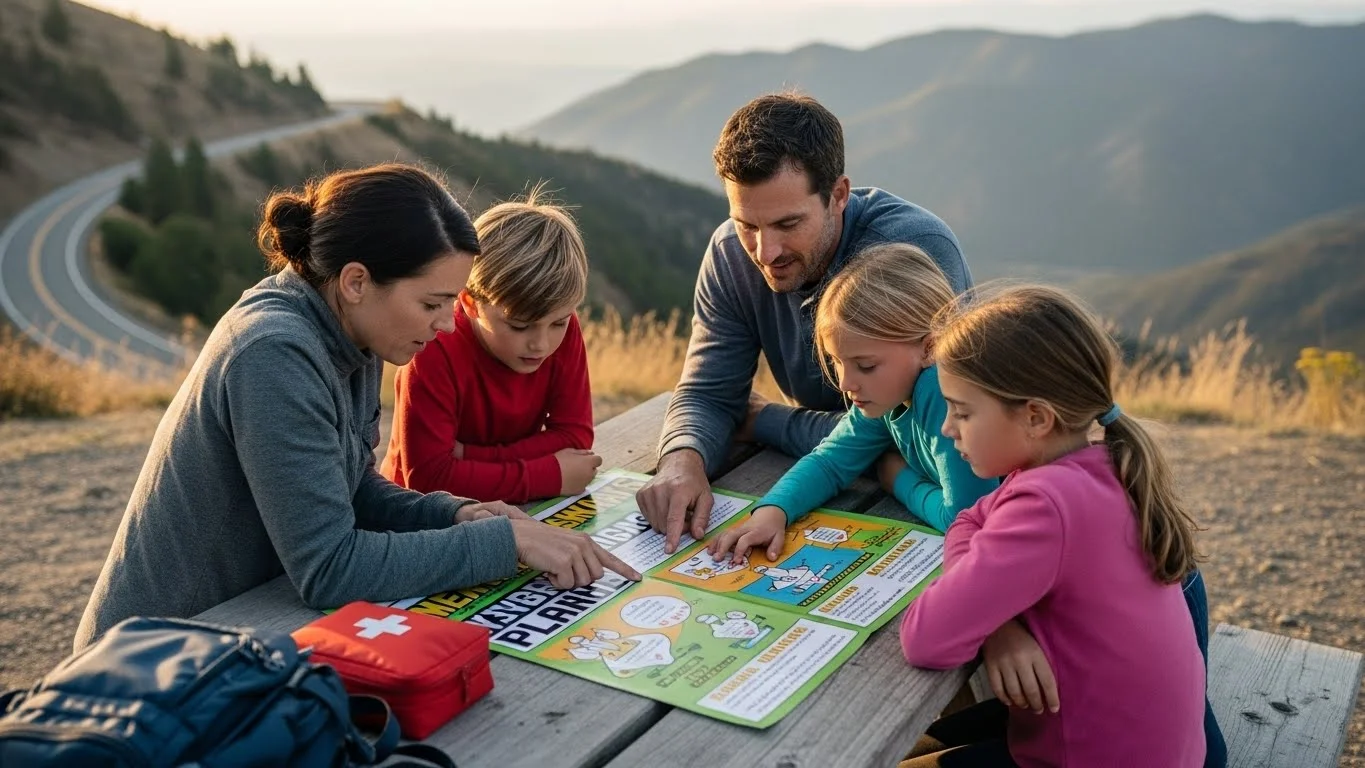
Visual aids are another tool I’ve used to help my kids remember important safety protocols. I decided to create colorful posters that outline our emergency procedures, which we then hung in our home. I included images and simple phrases to make it easy for them to understand. We also brought this idea on the road by creating mini versions of these posters that could fit in our travel kit.
In one instance, I noticed that my youngest was struggling with the concept of what to do if he got lost. So, we created a visual guide that included pictures of trusted adults and meeting points. The visual representation helped him grasp the idea better, and now he confidently refers to it during our trips. I believe that finding creative ways to communicate safety measures can make all the difference for kids.
Traveling with Special Needs Children
Additional Considerations for Special Needs
Traveling with special needs children has its unique challenges, and I’ve learned that preparation is even more vital in these situations. Each child has different needs, so we took time to assess what would make our travels smoother. For example, sensory sensitivities can make certain environments overwhelming. I remember our trip to a bustling theme park; the noise and crowds were initially too much for my youngest. To address this, we planned regular breaks in quieter areas where he could decompress. Bringing along noise-canceling headphones was a game-changer, allowing him to enjoy the experience without being overstimulated.
Another key consideration was dietary restrictions. I’ve found it incredibly important to research available food options ahead of time. During one trip, we discovered that many restaurants didn’t accommodate my child’s specific allergies. Thankfully, we had packed some safe snacks, but I realized how crucial it is to have a list of allergy-friendly places to eat. Additionally, I recommend carrying a card that outlines any special medical needs or allergies. It can be a helpful tool when communicating with staff in unfamiliar places.
Resources for Families with Special Needs
Over the years, I’ve come across numerous resources that cater specifically to families with special needs children. Websites and forums dedicated to special needs travel have been invaluable. They provide insights on accessible accommodations, child-friendly attractions, and other essential advice. One resource that I found particularly helpful was a travel blog focused on special needs families; it offered first-hand reviews and tips from other parents who have navigated similar experiences.
Moreover, I think it’s important to connect with local support groups. Before our trips, I’ve reached out to families who live in our destination and asked about their experiences. This not only gave us practical advice but also helped us feel more secure knowing there were others who understood our situation. I believe it’s also beneficial to check if there are local services—like respite care or special needs-friendly tours—available at our travel destination.
Reviewing and Updating Your Emergency Plan
When to Review the Plan
One of the often-overlooked aspects of having an emergency plan is the need to review it regularly. I’ve learned that circumstances change, whether it’s a new travel destination, growing children, or updated emergency contacts. I make it a point to sit down with my family to review our plan at least twice a year. This way, we’re all on the same page, and it reinforces the importance of being prepared. I find that doing this before any major trip also builds excitement and anticipation, as we discuss where we’re going and what we might encounter.
How to Update Contact Information
Keeping contact information up to date is another vital task. I’ve noticed that, over time, phone numbers and addresses can change. When we review our emergency plan, we make it a habit to double-check and update all our emergency contacts. I recommend storing this information not just in our emergency kit but also in our travel apps and devices. I also taught my kids how to access this information quickly in case they need it. Having digital backups ensures that we’re always prepared, even if something goes missing.
Incorporating New Destinations into the Plan
As we plan new trips, I find it’s essential to tailor our emergency plan to each destination. Different places have varying emergency services, local laws, and customs. I make it a point to research our new location’s specific emergency numbers and procedures. For example, while traveling internationally, I’ve learned about the local equivalent of 911 and any local customs that could affect our safety. I also encourage my children to help with this research. It not only teaches them about the importance of being prepared but also makes them feel like active participants in our travel experiences.
By consistently reviewing and updating our emergency plan, we create a sense of security and confidence as we travel. I believe that preparedness is not just about having a plan; it’s about feeling empowered to handle whatever comes our way. With our ongoing commitment to these practices, I hope to instill a strong sense of safety and resilience in my children, preparing them for a lifetime of adventures.
Additional Resources and Tools
Emergency Plan Templates
Finding the right resources can greatly enhance our emergency planning process. I’ve discovered several emergency plan templates online that are easy to customize. Using these templates has simplified our preparation, as they guide us through essential details like emergency contacts, meeting points, and safety protocols. I often recommend printing out a few copies and keeping them in our emergency kit as well as our luggage. This way, everyone has quick access to the vital information when needed.
Apps for Emergency Preparedness
In today’s digital age, I find that using apps is an incredibly effective way to stay organized. There are many emergency preparedness apps available that help families keep track of their plans and contact information. For example, some apps allow you to store important documents, such as medical information and emergency contacts, all in one place. I’ve found that having this information on our phones provides an extra layer of reassurance, especially when traveling. Plus, apps can send reminders to review and update our emergency plan, which is a great way to stay proactive.
Local Emergency Services Information for Destinations
Before heading off to a new place, I always make it a point to familiarize myself with the local emergency services. Knowing where the nearest hospital is or what number to call in case of an emergency can save precious time if something unexpected occurs. I typically search online for local services and save this information in my travel documents. It’s also helpful to ask hotel staff or locals about emergency services upon arrival, as they can provide insight into the best options available.
Frequently Asked Questions
Why is it important to have a kid-friendly emergency plan while traveling?
A kid-friendly emergency plan is essential because it prepares every family member for unexpected situations, reducing anxiety and helping everyone remain calm during emergencies. Knowing the plan can make a significant difference, especially in stressful situations like getting lost or facing minor medical issues.
What are some key components of a kid-friendly emergency plan?
Key components include identifying emergency contacts, creating a family communication plan, establishing meeting points, teaching kids basic safety protocols, and preparing kids for various scenarios such as separation or medical emergencies.
How can families prepare kids for separation scenarios?
Families can prepare kids for separation by practicing how to stay put and wait for their parents to find them, as well as teaching them to look for trusted adults, like security personnel or staff members, if they need help.
What should a travel emergency kit include?
A travel emergency kit should include essential items like a flashlight, batteries, a first-aid kit, water bottles, non-perishable snacks, and a whistle. Child-specific items such as a favorite toy, colored pencils, or necessary medications should also be included to cater to kids’ needs.
How should an emergency kit be packed for travel?
An emergency kit should be packed in a lightweight, easy-to-carry bag, using small pouches or zip-lock bags to categorize items. It’s helpful to keep a checklist of the kit’s contents and regularly review and refresh it, especially after each trip.
What role can children play in the emergency planning process?
Children can be involved by taking on age-appropriate roles, such as helping to pack the emergency kit or leading practice drills. This involvement helps them feel invested in their safety and the family’s well-being.
How can families conduct effective emergency drills?
Emergency drills can be made effective and engaging by turning them into fun family activities. Practicing different scenarios while keeping the atmosphere lighthearted can help children learn the procedures while enjoying the experience.
What additional considerations should be made for traveling with special needs children?
When traveling with special needs children, it’s important to assess their unique needs, such as sensory sensitivities or dietary restrictions. Planning for regular breaks, researching food options, and carrying a card outlining their medical needs can help ensure a smoother travel experience.
How often should an emergency plan be reviewed and updated?
An emergency plan should be reviewed at least twice a year and updated whenever there are changes in contact information, travel destinations, or as children grow. This regular review reinforces the importance of preparedness and keeps the family informed.
What resources can assist families in creating an emergency plan?
Families can utilize emergency plan templates available online, apps for emergency preparedness, and local emergency services information for their travel destinations. These resources can simplify the planning process and ensure vital information is easily accessible.