
Backpacking with toddlers can feel like a whirlwind of excitement and challenge. Balancing adventure and discipline on a budget is key to creating unforgettable family memories. For more insights, check out Budget Backpacking: Discipline Tips for Toddlers on the Move.
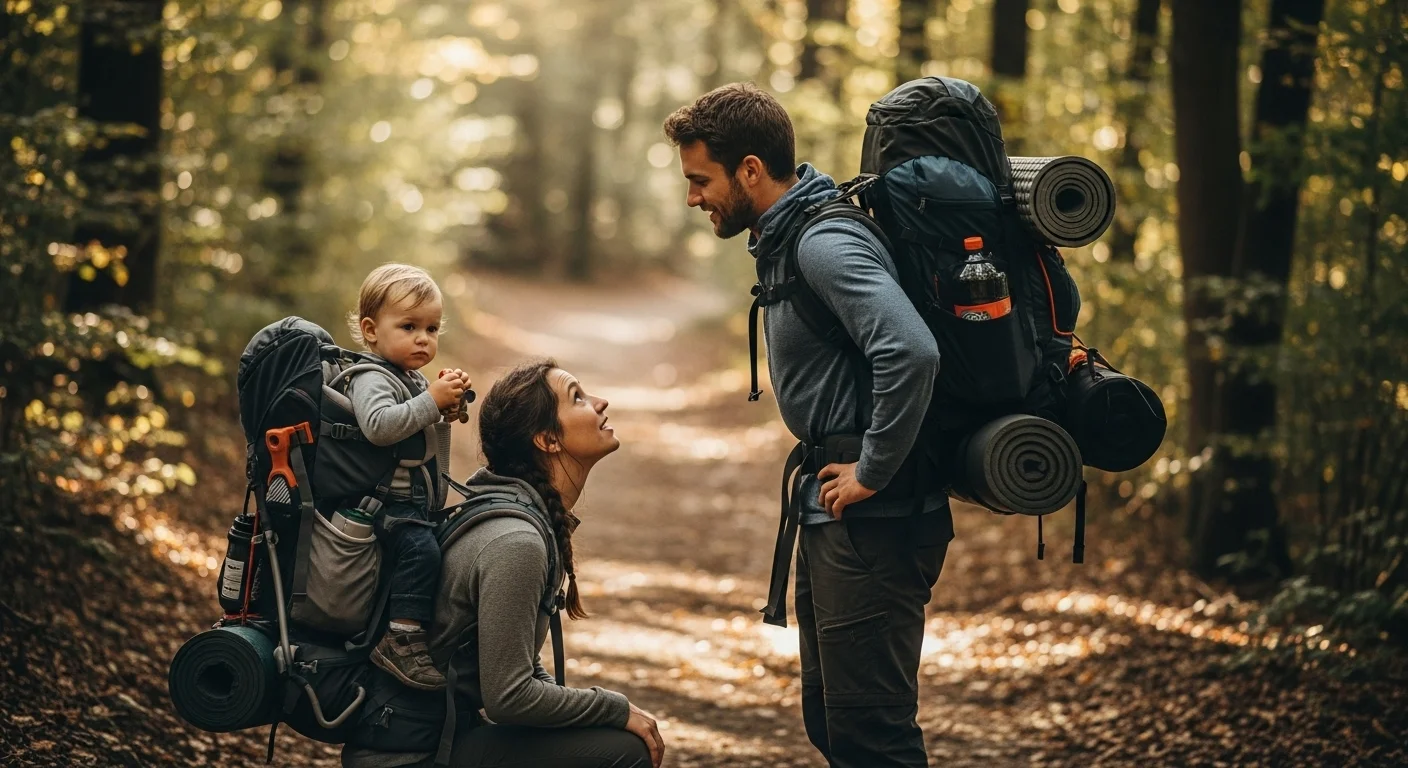
Understanding the Challenges of Backpacking with Toddlers
Traveling with toddlers is a unique experience, filled with joy and unexpected hurdles. I remember my first backpacking trip with my little one; it was both exhilarating and nerve-wracking. Toddlers are curious, energetic, and often unpredictable, which can lead to some common behavioral issues, especially when they are in unfamiliar environments.
Common Behavioral Issues
During our travels, I quickly noticed that my toddler expressed various behavioral challenges. Some of the most common issues include:
- Tantrums: These can erupt anywhere, especially when tired, hungry, or overwhelmed. I’ve had my share of embarrassing moments at scenic viewpoints!
- Refusal to Follow Instructions: When in nature, my child often wanted to explore rather than listen. I learned that wandering a bit further isn’t always a bad thing, but it does require some discipline.
- Separation Anxiety: New places can make toddlers clingy, and I found myself juggling their need for security with the excitement of exploration.
Understanding these challenges is the first step toward effective discipline while backpacking. It’s crucial to remember that children are learning how to navigate their emotions, and our reactions can significantly influence their behavior.
Why Discipline is Important While Traveling
Discipline on the road is about more than just maintaining order; it’s about ensuring our little ones feel safe and secure. From my experience, setting boundaries helps toddlers understand expectations in different environments. When we travel, they may not have the same comforts and routines they’re used to at home. Discipline provides them with a sense of stability amidst the chaos of new sights and experiences. I’ve found that when we outline what is acceptable behavior during our trips, it helps me manage both their expectations and my own! For more tips on this, see Mastering Toddler Discipline While Backpacking on a Budget.
Preparation Before the Trip
Preparation is essential for a successful backpacking adventure with toddlers. I learned this the hard way after forgetting crucial items on my first trip.
Choosing the Right Destination
Picking a toddler-friendly destination can make or break your trip. I remember visiting a park that was beautiful but not well-suited for young children. Opting for locations with family-friendly activities, safe trails, and plenty of rest areas can significantly reduce stress. It’s also worth considering places with short hikes or flat terrains where toddlers can explore without too much strain.
Packing Essentials for Toddlers
When it comes to packing, I recommend making a checklist. Some must-have items include:
- Comfort Items: A favorite blanket or stuffed animal can provide comfort in unfamiliar settings.
- Snacks: I always pack healthy snacks to keep energy levels up and moods stable. Granola bars, dried fruit, and crackers have been lifesavers.
- Extra Clothing: Accidents happen, and having a change of clothes can save the day when my little one spills or gets muddy.
- First Aid Kit: We never leave home without it! Scrapes and bumps are part of the adventure, but being prepared makes them easier to handle.
Setting Expectations with Your Toddler
Before we even hit the road, I find it helpful to talk with my toddler about what to expect. I usually say something like, “We’re going to see beautiful mountains and maybe some animals, but we’ll also have to walk a lot.” This gives them a heads-up about what’s in store. Using simple language and visuals—like showing pictures of where we’ll go—can help them understand better. I’ve found that when they know what to expect, they feel more secure and are less likely to act out.
With these preparations in place, we’ve managed to keep our adventures enjoyable and relatively smooth. In my experience, being proactive about potential challenges can help us all stay focused on the fun of exploring together. So, let’s continue this journey of discovering effective discipline strategies while backpacking! I can’t wait to share my favorite tips and tricks with you in the next section.
Effective Discipline Strategies While Backpacking
As we continued our backpacking adventures, I quickly realized that managing a toddler’s behavior while on the move required more than just preparation. It became clear that I needed effective discipline strategies to help navigate the highs and lows of travel with my little one. These strategies not only kept us all grounded but also ensured that our experiences were enjoyable. Here are some approaches that worked well for us.
Positive Reinforcement Techniques
One of the most effective tools I discovered was positive reinforcement. When my toddler behaved well, I made an effort to celebrate those moments. I would say things like, “I love how you listened when I asked you to stay close!” or I’d offer a small reward, like allowing them to pick our next snack. This approach really motivated my child to continue behaving well because they learned that good behavior brought positive attention and little rewards. I found that by focusing on what they did right, it encouraged them to repeat those behaviors throughout our trip.
Setting Clear Boundaries and Rules
Before we embarked on our journeys, I made it a point to establish clear boundaries and rules. I’d explain to my toddler what was expected in simple terms. For instance, we created a little rule like “We hold hands when crossing the street” or “We use our indoor voices in the campground.” This clarity helped my child understand what was acceptable, and it eased my worries about them wandering off or disrupting others. I learned that consistency was key. Whenever we broke a rule, I would gently remind them of our agreement. Following through made it easier for both of us to maintain those boundaries.
Redirecting Negative Behavior
There were definitely moments when my toddler’s energy would swing from excited to frustrated in a heartbeat. During those times, I found that redirecting their attention worked wonders. If they started to get upset because they were tired or bored, I’d quickly suggest a fun activity or change our scenery. For example, if they were restless while waiting for our meal at a rest area, I’d encourage them to explore a nearby tree or play a simple game like “I Spy.” This not only diffused potential tantrums but also kept the adventure feeling fresh and engaging.
Using Time-Outs in a Travel Context
While the idea of time-outs may seem counterproductive during a fun trip, I learned that they can be effective when used correctly. I adapted my approach to fit the travel context. Instead of placing my toddler in a quiet corner, I would designate a “calm-down area” in our camping space or on a bench during breaks. I’d encourage them to sit for a few minutes to breathe and relax. This not only gave them a chance to cool off but also provided me with a moment to collect my thoughts. I’d remind them that we all need a little break sometimes, especially when feeling overwhelmed. This simple technique helped reinforce that it’s okay to feel upset, but we also need to regain our composure to enjoy our adventures.
In my experience, a combination of these strategies not only helped maintain discipline but also fostered a stronger bond between my toddler and me. By focusing on positive reinforcement, setting clear expectations, redirecting negative behaviors, and using time-outs wisely, we could navigate the challenges of backpacking together. As we continued our journey, I was eager to share even more tips that helped us stay on budget while enjoying our time out in nature. For additional insights, check out Budget Backpacking: How to Talk to Your Toddler on the Road.
Budget-Friendly Tips for Traveling with Toddlers
Affordable Accommodation Options
Finding the right place to stay while traveling can be a daunting task, especially when you’re on a budget with a toddler. I remember our early trips where we splurged on accommodations only to find that we could have saved a lot more. I’ve found that camping can be an excellent and cost-effective option. Not only does it allow us to immerse ourselves in nature, but many campgrounds are inexpensive and family-friendly. We’ve also discovered that booking through platforms offering family deals can lead to affordable stays in hotels or lodges. We usually look for places that have kitchenettes, which helps us save on meals by cooking our own food.
Low-Cost or Free Activities for Families
One of the joys of traveling is discovering new and fun activities, but it’s easy to overspend on entertainment. I’ve learned that many parks and outdoor areas offer free or low-cost activities perfect for families. Hiking, bird-watching, and exploring trails are not only enjoyable but also offer opportunities to bond. We often pack a picnic and make a day of it! Many places also have visitor centers with free programs or workshops for kids. I always check local tourism websites before our trips to gather a list of these activities.
Food on a Budget: Healthy Snacks and Meals
Dining out can quickly eat up your budget, especially with a toddler in tow. I’ve found that planning meals in advance and packing healthy snacks can save us a lot of money. Before our trips, I often prepare easy-to-carry meals like wraps or pasta salads. Snacks like fresh fruit, trail mix, and yogurt are excellent options that keep my toddler satisfied without breaking the bank. When we do eat out, I look for family-friendly restaurants that offer kids’ menus or take advantage of lunch specials. This way, we can enjoy the local cuisine without overspending.
Managing Meltdowns and Tantrums on the Road
Even with all the preparation and strategies in place, I found that managing meltdowns and tantrums while backpacking is sometimes unavoidable. It’s a reality of traveling with toddlers, and I’ve had my fair share of challenging moments. What I learned is that understanding how to handle these situations can make all the difference in keeping our travels enjoyable.
Recognizing Triggers for Tantrums
Through experience, I’ve become more attuned to the triggers that lead to tantrums. I noticed that things like hunger, exhaustion, or overstimulation could quickly turn a happy little adventurer into a crying ball of frustration. For instance, I remember one hike where my toddler was on cloud nine, exploring the trails. But as the sun began to set and their energy waned, the mood shifted dramatically. I learned to keep an eye on the time and adjust our activities based on their mood and energy levels. When I sensed that a meltdown was brewing, I would try to intervene before it escalated.
Calming Techniques for Frustrated Toddlers
Having a few calming techniques up my sleeve has been invaluable during those meltdown moments. One approach I found effective was simply getting down to my toddler’s level and talking softly. I’d gently remind them to take deep breaths, encouraging them to breathe in and out slowly. Sometimes, just acknowledging their feelings with phrases like, “I can see you’re upset. Let’s take a moment together,” helps soothe them. We’d often find a quiet spot, and I’d hold their hands, guiding them through the breathing exercise. This simple act not only calmed my child but also helped me regain my composure.
I also discovered the power of distraction. If I sensed frustration bubbling up, I’d quickly redirect their attention to something engaging. Whether it was pointing out a cute squirrel or starting a silly dance, these small shifts in focus often worked wonders. I remember one time we were waiting for our food at a picnic area, and my toddler was getting restless. I started making funny faces and soon we were both laughing, completely diverting attention from their earlier frustration.
When to Take Breaks
Determining when to take breaks has been a game-changer for our travels. Sometimes, the best way to avoid a meltdown is to schedule downtime. I learned early on that pushing through a long hike or an activity when my toddler was clearly fatigued only led to further frustration for both of us. Instead, we started incorporating more frequent breaks into our itinerary. We’d find a nice spot to rest, maybe have a snack, or just sit and enjoy the scenery. During one trip, we found the coziest little glade in the woods. We took our time, letting my child explore the area, which revitalized them for our next adventure.
Understanding when to pause, listen to my child’s needs, and adapt our plans has often turned potential tantrum moments into treasured memories instead. It allowed us to embrace the journey rather than rush through it, which is what backpacking is all about.
Engaging Your Toddler During Travel
Finding ways to keep my toddler engaged during our travels has been essential. I wanted to create moments of joy and wonder while ensuring we stayed on track. Over time, I discovered some fun and interactive ways to make the journey enjoyable for my little one.
Interactive Games and Activities
I quickly realized that incorporating interactive games into our travels could keep my toddler entertained and focused. Simple games like “I Spy” or counting certain animals or colors became favorites. I remember one hike where we counted every blue car that passed by on the road. It transformed what could have been a monotonous stretch into a playful adventure. Also, bringing along a small travel-friendly game or toy can provide a nice distraction during downtime, whether we’re waiting for a meal or relaxing at a campsite.
Storytelling and Music as Distraction Techniques
Storytelling is another delightful way to engage my toddler. I love weaving little tales about the places we visit or creating characters based on the animals we see. Whether it’s a heroic bear or a curious squirrel, these stories not only entertain but also spark my child’s imagination. Adding in some fun songs or music that we can sing together during the drive or while hiking keeps our spirits high. I’ve found that music can change the mood in an instant, making even the longest car rides feel like a mini concert.
Incorporating Learning Opportunities
Traveling with my toddler has also allowed me to turn our adventures into learning experiences. I try to point out interesting facts about nature, such as the names of different plants or animals, which keeps my child engaged and curious. For example, during one trip to the beach, I introduced them to the concept of tides and sea life. We collected shells, and I explained how they are homes for sea creatures. It was amazing to see their eyes light up, and the enthusiasm made the learning feel like an adventure rather than a lesson.
Incorporating these fun and educational elements into our travels has not only kept my toddler engaged but has also created a deeper bond between us. It turned our backpacking trips into memorable experiences filled with laughter, curiosity, and discovery, allowing us to make the most out of our time together in the great outdoors.
Frequently Asked Questions
What are some common behavioral issues toddlers may exhibit while backpacking?
Some common behavioral issues include tantrums, refusal to follow instructions, and separation anxiety. These can arise when toddlers are tired, hungry, or overwhelmed in unfamiliar environments.
Why is discipline important while traveling with toddlers?
Discipline is important because it helps toddlers feel safe and secure in new environments. It sets boundaries and expectations, providing stability amidst the chaos of travel.
What are some essential items to pack for toddlers during a backpacking trip?
Essential items include comfort items (like a favorite blanket or stuffed animal), healthy snacks, extra clothing, and a first aid kit.
How can I set expectations with my toddler before a trip?
Talk with your toddler about what to expect using simple language and visuals. For example, explain that they will see beautiful mountains and may need to walk a lot, which helps them feel more secure.
What are some effective discipline strategies while backpacking?
Effective strategies include positive reinforcement techniques, setting clear boundaries and rules, redirecting negative behavior, and using time-outs in a travel context.
How can I find budget-friendly accommodation options while traveling with toddlers?
Camping is a great cost-effective option, and booking through platforms offering family deals can also lead to affordable stays. Look for accommodations that have kitchenettes to save on meals.
What types of activities are low-cost or free for families while traveling?
Many parks and outdoor areas offer free or low-cost activities like hiking, bird-watching, and exploring trails. Packing a picnic can also enhance the experience without overspending.
What are some calming techniques for managing toddler meltdowns on the road?
Calming techniques include getting down to the child’s level, encouraging deep breaths, acknowledging their feelings, and using distraction methods like pointing out interesting things around them.
How can I engage my toddler during travel?
Incorporate interactive games like “I Spy,” storytelling about the places you visit, and music to keep them entertained and focused during the journey.
What should I look out for to prevent tantrums in toddlers while traveling?
Recognizing triggers such as hunger, exhaustion, or overstimulation is key. Adjusting activities based on their mood and energy levels can help prevent potential meltdowns.