
Ensuring proper nutrition for vegan children can feel like a daunting task for many parents. However, with the right knowledge and resources, we can provide our little ones with a balanced and healthy plant-based diet that meets their nutritional needs. Read Interesting article: Top Tips for Meeting Vegan Children’s Nutritional Needs
Understanding Vegan Nutrition for Children
What is a Vegan Diet?
A vegan diet is one that excludes all animal products, including meat, dairy, and eggs. It centers around whole, plant-based foods like fruits, vegetables, grains, nuts, and seeds. When I first explored veganism for my family, I was amazed by the variety of foods available. I quickly discovered that a vegan diet can be just as delicious and satisfying as any other, but it requires a bit more planning, especially for growing children. I believe it’s essential to understand what a vegan diet entails, as this knowledge lays the groundwork for ensuring our children receive all the nutrients they need.
Key Nutritional Needs for Children
Children are in a crucial stage of growth and development, meaning their nutritional needs are distinct from adults. They require higher amounts of certain nutrients to support their physical and cognitive growth. I remember when my child first transitioned to a vegan diet; I felt a responsibility to ensure they weren’t missing out on essential nutrients. Key nutrients to focus on include protein, iron, calcium, vitamin D, omega-3 fatty acids, vitamin B12, and zinc. These elements are vital for energy, strong bones, healthy brain function, and overall development. For more information, check out Vegan Diets for Kids: Key Nutritional Considerations.
The Importance of Balanced Meals
As I learned more about vegan nutrition, I realized that balance is key. A well-rounded meal includes a variety of food groups and provides all the nutrients our children need. For instance, I often combine grains, legumes, vegetables, and healthy fats to create a complete meal. I have found that meals like quinoa bowls topped with black beans, avocado, and colorful veggies not only taste great but also deliver a powerful nutritional punch. Teaching children about balanced meals can help them develop a positive relationship with food as they grow.
Essential Nutrients for Vegan Children
Protein Sources for Vegan Kids
Protein is crucial for growth, repair, and overall health. While animal products are often seen as the main source, there are plenty of plant-based options that are just as effective. I love to incorporate beans, lentils, chickpeas, tofu, tempeh, and edamame into our meals. Nuts and seeds also pack a protein punch, making them great additions to snacks. For example, I often prepare a hearty lentil soup or a chickpea salad, and it’s always a hit with my kids.
Importance of Iron and Good Sources
Iron is essential for energy and cognitive function, and I quickly learned that vegan diets might lack enough of it. Plant-based iron comes in the form of non-heme iron, which isn’t absorbed as efficiently as the heme iron found in animal products. To boost absorption, I pair iron-rich foods like spinach, lentils, and fortified cereals with vitamin C-rich foods such as oranges and bell peppers. This little trick has worked wonders for us. I remember one particular day when I made a spinach and orange salad, and my kids gobbled it up without realizing how nutritious it was!
Calcium and Vitamin D: Building Strong Bones
Calcium is crucial for developing strong bones and teeth, which is especially important for children. Luckily, there are many plant-based sources of calcium, such as fortified plant milks, tofu, almonds, and leafy greens. Vitamin D works hand in hand with calcium to promote bone health. I make sure my family gets some sunlight and consider fortified foods when necessary. I remember when I started incorporating fortified almond milk into our breakfast smoothies; it was a game-changer for ensuring we got enough calcium. For additional insights, see Essential Nutritional Needs for Vegan Kids Explained.
Omega-3 Fatty Acids for Brain Development
Omega-3 fatty acids are vital for brain health and development. Finding vegan sources can sometimes be tricky, but I’ve found that chia seeds, flaxseeds, hemp seeds, and walnuts are fantastic options. We often sprinkle chia seeds on our oatmeal or blend them into smoothies. I was pleasantly surprised when my kids didn’t even notice they were in there! By incorporating these seeds into our meals, I feel confident that my children are getting the omega-3s they need for their growing brains.
Vitamin B12: Why It’s Critical
Vitamin B12 is one of the nutrients that can be challenging for vegans, as it’s primarily found in animal products. It plays a vital role in nerve function and the production of red blood cells. I made it a point to include fortified foods, like plant-based milks and nutritional yeast, in our diet. I also learned about the option of B12 supplements, which I decided to use for peace of mind. It’s essential to monitor B12 levels, especially in children, to ensure they’re getting enough of this crucial vitamin.
Zinc and Its Role in Growth
Zinc supports growth, immune function, and overall development. I found that beans, nuts, seeds, and whole grains are excellent sources of zinc. One of my favorite meals to prepare is a quinoa and black bean bowl, topped with pumpkin seeds for extra zinc. I’ve noticed that when I focus on including zinc-rich foods in our meals, my kids seem to have more energy and resilience, which is always a bonus!
Fiber for Digestive Health
Fiber is incredibly important for digestive health, and a vegan diet naturally lends itself to high fiber intake. Fruits, vegetables, whole grains, legumes, nuts, and seeds provide ample fiber and help keep our kids’ digestive systems running smoothly. I make sure to include a variety of colorful fruits and veggies in our meals. I remember when my kids discovered the joys of colorful vegetable sticks with hummus; it became one of their favorite snacks! This approach not only promoted fiber intake but also made eating healthy fun.
Meal Planning for Vegan Children
Creating a Balanced Vegan Plate
When I first started planning meals for my vegan kids, I wanted to ensure that each plate was not only appealing but also balanced. I learned that a good way to do this is to follow the “half your plate” rule. I try to fill half of their plates with colorful fruits and vegetables, a quarter with whole grains, and the remaining quarter with protein sources. For example, I might serve a bowl of brown rice topped with stir-fried vegetables and chickpeas, garnished with avocado. This method has made meal planning simpler and more fun for my family. I think it’s important for kids to see a variety of colors and textures on their plates; it makes eating feel like an adventure!
Incorporating Variety and Color
Variety is key in keeping meals exciting and nutritionally balanced. As I began exploring different cuisines, I discovered that many cultures offer delicious vegan dishes that are packed with nutrients. For instance, I love making Indian-inspired lentil curries or Mediterranean falafel wraps. Not only do these meals introduce new flavors, but they also ensure that my children are exposed to a range of ingredients. I remember one time, I prepared a rainbow vegetable stir-fry, and we turned it into a game where each family member had to name one veggie they hadn’t tried before. It turned into a delightful culinary experience, and my kids were eager to try everything on their plates!
Sample Meal Plans for Different Ages
Meal planning can feel overwhelming, especially if you’re trying to cater to different age groups. I often create specific meal plans tailored to my kids’ ages and preferences. For younger children, I focus on finger foods and easy-to-eat meals. A typical day might include oatmeal topped with berries for breakfast, a hummus and veggie wrap for lunch, and a simple quinoa stir-fry for dinner. For my older kids, I try to include more complex flavors and ingredients. They love experimenting with international cuisines, so I might make tacos with lentils, avocado, and fresh salsa for lunch, and a hearty veggie chili for dinner. I’ve found that involving them in the planning process makes them more excited about their meals.
Healthy Snacks for Vegan Kids
Snacks are an important part of any child’s diet, especially for active kids. I’ve learned that preparing healthy snacks ahead of time can save us from reaching for less nutritious options. Some of my favorite snacks include homemade energy balls made from oats, nut butter, and dried fruits, or fresh fruit with nut butter for dipping. I also enjoy making vegetable sticks with a tasty avocado dip or hummus. One time, we tried making our own granola bars together, and it became a fun weekend activity that everyone looked forward to. It’s a great way to bond and teach them about healthy eating habits at the same time.
Common Challenges in Vegan Nutrition for Children
Addressing Picky Eaters
Picky eating can be a real challenge for parents, and I experienced this firsthand with my children. I noticed that when they became resistant to trying new foods, it sometimes felt like we were at a standstill. To tackle this, I started involving them in the cooking process. I found that when they helped prepare a meal, they were more open to tasting it. I also try to present foods in fun and creative ways—like making a veggie rainbow or arranging fruits into a fun shape. I believe that patience and persistence are key when dealing with picky eaters, and I remind myself that it’s okay if they don’t eat everything right away. It’s all part of the learning process!
Nutritional Deficiencies to Watch For
As parents, we naturally worry about our children’s health, and I often think about potential nutritional deficiencies that can arise in a vegan diet. I make it a point to stay informed about what to look out for, especially as my kids grow. Regular check-ups with the pediatrician help monitor their growth and nutritional status. I also keep an eye on their energy levels and overall health, ensuring they’re thriving. If I ever feel uncertain, I don’t hesitate to consult with a nutritionist who specializes in vegan diets. It’s comforting to know that I’m doing everything I can to provide a well-rounded diet for my children.
Managing Social Situations (School, Parties)
Social situations can pose unique challenges for vegan families, and I’ve found that preparation is vital. I remember feeling anxious about birthday parties or school events where food is served. To manage this, I often send my kids with their own snacks or meals to ensure they have something to enjoy. I’ve also talked to teachers and party hosts about including vegan options, which has led to more awareness and acceptance over time. I encourage my children to talk about their dietary choices with their friends, making it less of a big deal and more of a fun topic to discuss. It’s all about creating a positive experience around their vegan lifestyle.
Practical Tips for Parents
Educating Your Child About Veganism
One of the most rewarding aspects of raising vegan children has been the opportunity to educate them about where their food comes from and why we choose this lifestyle. I remember when I first introduced the idea of veganism to my kids; their curiosity peaked as we discussed animals, the environment, and health. I believe it’s important to frame our conversations around veganism positively. By sharing interesting facts about plant-based foods and their benefits, we empower our children to make informed choices. I often involve them in discussions about the impact of food on their bodies and the planet, which has sparked their interest and understanding. We’ve even visited local farms to see how fruits and vegetables are grown, reinforcing the connection between our meals and their origins.
Cooking Together: Fun and Learning
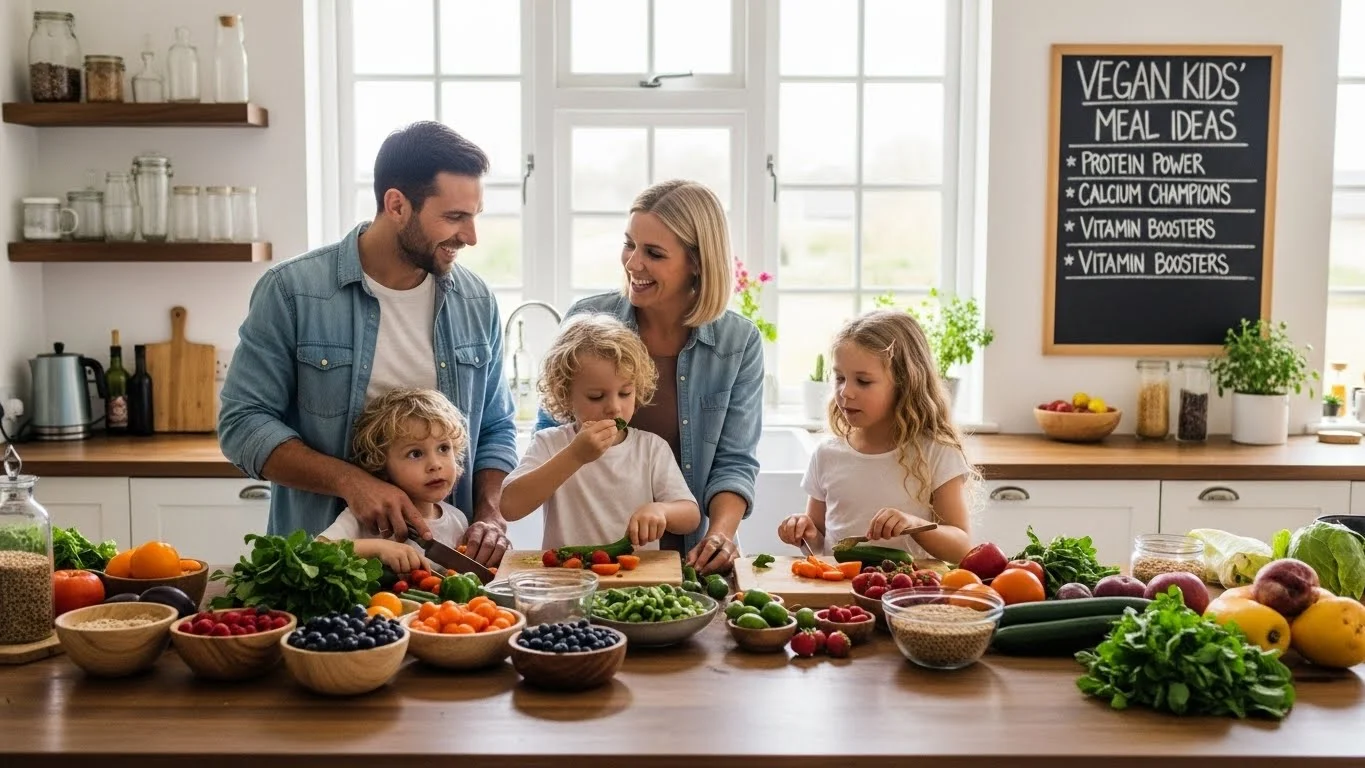
Cooking with my kids has been a fantastic way to bond while teaching them essential skills. I’ve discovered that involving them in the kitchen not only makes preparing meals enjoyable but also helps them appreciate the effort that goes into creating healthy dishes. We often choose a new recipe together, and I let them take the lead in measuring ingredients or mixing everything up. I remember the first time my youngest made vegan tacos; they were so proud to serve their creation at dinner! This experience taught them about flavors, textures, and the nutritional value of the ingredients we use. Plus, it’s a great way to encourage them to try new foods; they are usually more willing to eat what they’ve helped to make.
Reading Labels for Hidden Ingredients
As I became more familiar with vegan nutrition, I quickly learned that not all foods labeled as “vegan” are created equal. I made it a habit to read food labels carefully, looking out for hidden ingredients that may not align with our dietary choices. Many products, especially processed ones, can contain animal-derived ingredients like gelatin, casein, or certain colorings. I often take my kids grocery shopping and turn label reading into a fun game. I ask them to help me spot any ingredients they don’t recognize or that might not be vegan. This not only teaches them about the foods they consume but also empowers them to make healthy choices independently.
Finding Vegan-Friendly Restaurants
Eating out as a vegan family can be a challenge, but I’ve learned to navigate it by researching and planning ahead. I’ve discovered that many restaurants now offer vegan options or are willing to modify dishes to suit our needs. I often use apps and websites to find local vegan-friendly spots, and I also check menus online before heading out. When we do find a great restaurant, we make it a special outing. I remember the joy on my kids’ faces the first time we visited a plant-based café that had vegan pizza. It was a win-win; they got to enjoy a fun meal, and I felt good knowing it aligned with our dietary values. Involving my kids in the decision-making process about where to eat has made it a fun adventure rather than a hassle.
Resources and Support for Vegan Families
Books and Websites for Vegan Nutrition
Over time, I’ve found numerous resources that have greatly helped me in providing a balanced vegan diet for my children. There are some fantastic books and websites dedicated to vegan nutrition, offering meal plans, recipes, and nutritional advice. A couple of my favorites include “The Vegan Family Cookbook” and “Plant-Powered Families.” These resources not only provide practical tips but also inspire creativity in the kitchen. I often refer to these books when I’m looking for new meals to try or when I want to ensure I’m meeting my kids’ nutritional needs. I also follow several vegan nutrition blogs where I can find tips from other parents who share their experiences and learnings.
Support Groups and Community Resources
Finding a community of like-minded families has been incredibly supportive for our journey. I was pleasantly surprised to discover local vegan parenting groups and online forums where I could connect with other parents. These groups often share meal ideas, resources, and tips for navigating challenges. I remember attending a potluck hosted by one of these groups; it was wonderful to see so many families coming together to share their favorite dishes. It’s reassuring to know that we’re not alone in this journey, and having a community to turn to makes the experience so much richer.
Consulting with Healthcare Professionals
When it comes to nutrition, I believe it’s essential to consult with healthcare professionals, especially for growing children. After transitioning my kids to a vegan diet, I made it a priority to check in with a pediatrician who understands vegan nutrition. They helped us monitor growth and nutritional status, providing insights into any areas we needed to focus on. I’ve found that having professional guidance helps me feel more confident in our dietary choices. It’s also been beneficial to discuss any concerns I may have regarding my children’s health and nutrition with a nutritionist who specializes in plant-based diets. Their expertise has given me peace of mind and valuable information on how to best support my children’s health.
Frequently Asked Questions
What is a vegan diet?
A vegan diet excludes all animal products, including meat, dairy, and eggs, and is centered around whole, plant-based foods like fruits, vegetables, grains, nuts, and seeds.
What are the key nutritional needs for vegan children?
Vegan children require higher amounts of certain nutrients, including protein, iron, calcium, vitamin D, omega-3 fatty acids, vitamin B12, and zinc, to support their physical and cognitive growth.
How can I ensure my vegan child gets enough protein?
Plant-based protein sources include beans, lentils, chickpeas, tofu, tempeh, edamame, nuts, and seeds. Incorporating these into meals and snacks can help meet protein needs.
Why is iron important for vegan children, and how can I boost its absorption?
Iron is essential for energy and cognitive function. To boost absorption of non-heme iron found in plant foods, pair iron-rich foods like spinach and lentils with vitamin C-rich foods such as oranges and bell peppers.
What sources of calcium and vitamin D are important for vegan children?
Calcium sources include fortified plant milks, tofu, almonds, and leafy greens. Vitamin D can be obtained from sunlight and fortified foods to promote bone health.
What are some vegan sources of omega-3 fatty acids?
Vegan sources of omega-3 fatty acids include chia seeds, flaxseeds, hemp seeds, and walnuts. Incorporating these into meals can support brain health and development.
How can I address picky eating in vegan children?
Involving children in the cooking process and presenting foods in fun and creative ways can encourage them to try new foods. Patience and persistence are key when dealing with picky eaters.
What are common challenges in vegan nutrition for children?
Common challenges include addressing picky eaters, managing potential nutritional deficiencies, and navigating social situations like school events and parties where vegan options may be limited.
How can I educate my child about veganism?
Educating children about veganism can be done by discussing where food comes from, sharing interesting facts about plant-based foods, and involving them in the cooking process to foster their interest and understanding.
What resources are available for vegan families?
There are numerous resources, including books like “The Vegan Family Cookbook” and online forums, that provide meal plans, recipes, and nutritional advice specifically for vegan families.