
Traveling with an infant can be an adventure filled with excitement and challenges, especially when it comes to ensuring they get the sleep they need. Let’s dive into how we can make those trips safe and restful for our little ones.
Understanding Infant Sleep Needs
Before we embark on our travel adventures, it’s crucial to grasp what our infants really need for safe sleep. I often think about how different stages of development can affect their sleep patterns, and understanding this can make a significant difference when we travel. Infants, especially, have unique sleep requirements that change as they grow, so let’s break it down. Read Interesting article: Essential Safe Sleep Tips for Traveling with Newborns
Developmental Stages of Sleep
When my child was an infant, I learned that their sleep cycles are different from ours. Newborns typically sleep about 16 to 18 hours a day, but they wake up every few hours because their stomachs are so tiny! As they grow into the 3 to 6-month range, they start to develop more defined sleep patterns, which can include longer stretches at night and more daytime naps. It’s fascinating to observe, but it can also be challenging when you’re on the move.
By the time they hit 6 months, their sleep needs begin to change again. They may start to drop some naps, and their nighttime sleep may become more consolidated. I found that recognizing these stages helped me understand when my baby might be more tired or fussy during our travels. It’s all about working with their natural rhythms.
Safe Sleep Guidelines for Infants
When I think about sleep safety for my little one, a few key guidelines always come to mind. The American Academy of Pediatrics recommends that infants sleep on their backs, on a firm mattress with no soft bedding, pillows, or toys. I always make sure that wherever we stay, the sleep surface is safe. This is especially vital when we’re traveling, as it can be easy to overlook these aspects in unfamiliar environments. For more detailed information, check out Top Safe Sleep Practices for Your Backpacking Baby.
When choosing a travel crib or bassinet, I look for models that meet safety standards and have a sturdy design. I remember my first trip with my infant; I researched several options and opted for a travel crib with breathable sides to ensure good air circulation. It gave me peace of mind knowing that my little one was safe and secure.
Importance of Sleep Environment
The sleep environment plays a huge role in how well our infants rest. I noticed that when we traveled, the surroundings could sometimes be quite different from our home setup. The comfort level, noise, and even the light can impact sleep quality. We want our babies to feel cozy and secure, even in strange places.
I always try to recreate a familiar atmosphere as much as possible. For example, I pack their favorite blanket or sleep sack, which carries a familiar scent. It’s amazing how such small items can help soothe them. Additionally, I invest in portable blackout curtains or use a sleep mask to dim the light when we need to create a dark environment for sleep.
Noise is another factor I pay attention to. During one trip, we stayed in a hotel that was surprisingly noisy, which disrupted my baby’s sleep. I learned to bring along a white noise machine or even use my phone’s white noise app to drown out any unfamiliar sounds. It’s these little adjustments that can make a significant difference.
Understanding these basics of infant sleep needs has made my travels smoother and more enjoyable. When you know what to look for and how to prepare, traveling with an infant can be less daunting. Next, I’ll share some insights on how to prepare for travel with an infant, which is just as important as ensuring they have a safe sleep environment.
Preparing for Travel with an Infant
When I first started thinking about traveling with my infant, I realized that preparation was key. I wanted our trips to be enjoyable for all of us, and that meant planning ahead. Let’s share some tips that helped me make travel smoother while keeping my little one comfortable and safe.
Choosing the Right Destination
Picking the right destination can set the tone for our entire trip. I remember my first big family vacation with my baby. We chose a beach resort with family-friendly amenities that made things easier: a pool, a play area, and even a daycare service. I believe it’s important to think about whether a destination has these types of features, especially when you have an infant.
Also, consider your travel style. Do you want to relax, or are you looking for adventure? I found that destinations with a slower pace were perfect for us. This allowed more downtime for my baby to nap and adjust without feeling rushed. Additionally, I think it’s worth looking into the accessibility of medical facilities nearby, just in case.
Types of Accommodations: Hotels vs. Vacation Rentals
Choosing where to stay can significantly impact our travel experience. I’ve tried both hotels and vacation rentals, and each has its pros and cons. Hotels often provide cribs and baby supplies, which can be a lifesaver. However, I noticed that vacation rentals give us more room and the ability to cook or prepare food for the baby, which can save money and ensure that my little one is eating well.
In our case, we opted for a vacation rental on our last trip. It was nice to have a separate sleeping area for my baby, and I could easily maintain their bedtime routine. I always check reviews for cleanliness and safety features, as a clean environment is essential for an infant.
Essential Packing List for Safe Sleep
Packing for a trip with an infant can seem daunting, but I learned to keep it simple and focused. My essential packing list for ensuring safe sleep includes a travel crib or bassinet, sleep sacks, and familiar items like their favorite blanket. I also bring portable blackout curtains to create a cozy sleep environment, no matter where we are.
Here’s a quick rundown of what I always pack:
- Travel crib or bassinet
- Sleep sack
- Favorite blanket or stuffed animal
- Portable white noise machine or app
- Blackout curtains or eye mask
- Baby monitor (if needed)
Don’t forget about extras like diapers, wipes, and a change of clothes for both the baby and yourself! I remember one trip where my baby had a little spill, and having those extra clothes on hand saved the day.
Creating a Safe Sleep Space on the Go
Once we arrive at our destination, I focus on creating a safe sleep space for my baby. This is crucial for helping them settle in and feel secure. Here are some tips I’ve learned along the way.
Setting Up a Travel Crib or Bassinet
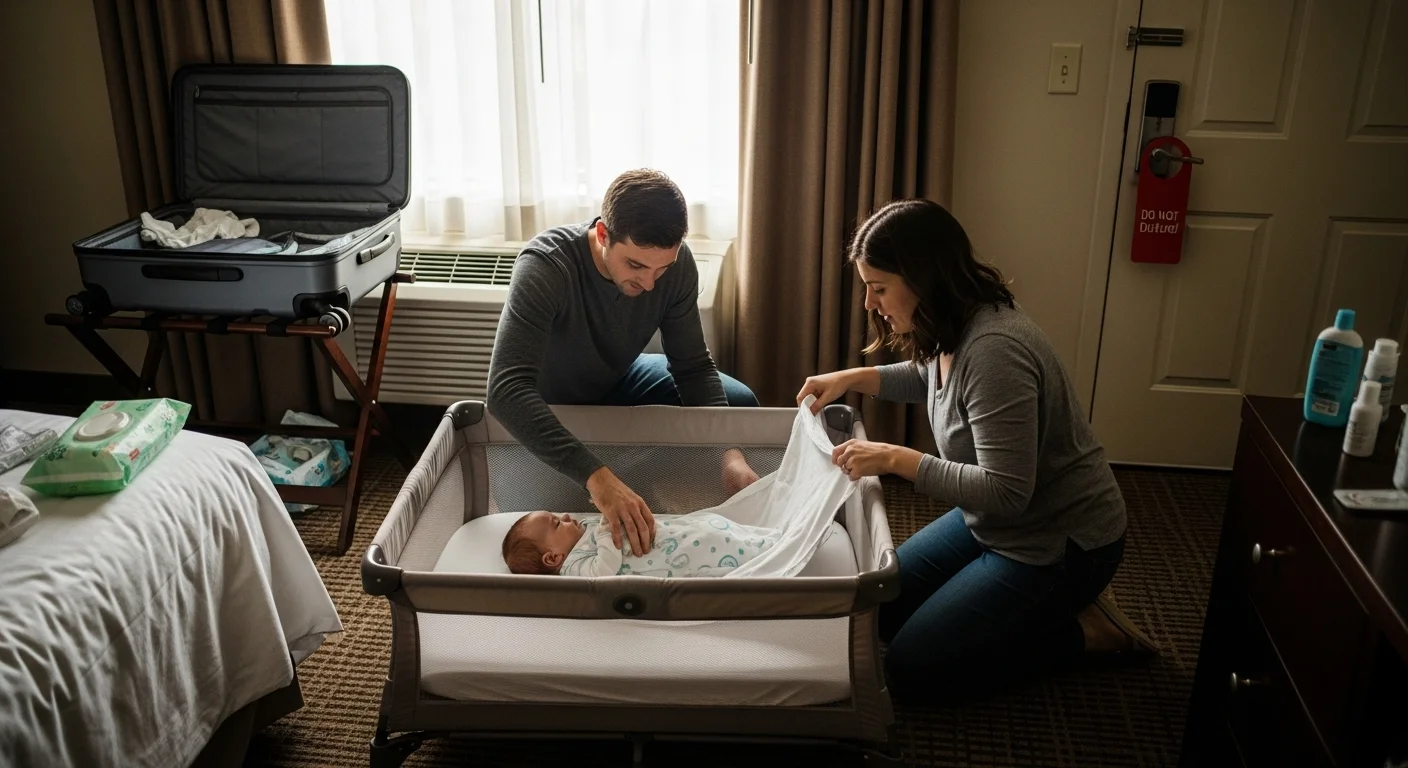
Setting up the travel crib or bassinet is one of the first things I do upon arrival. I look for a quiet corner in the room that’s away from noise and traffic. I remember the first time I set it up, I made sure to double-check the safety features and ensure it was stable. It always gives me peace of mind knowing I’ve set up a secure sleeping area.
To make the space feel more like home, I place familiar items inside the crib. A favorite blanket or a small toy can help my baby feel more comfortable in an unfamiliar place.
Using Sleep Sacks and Safe Bedding
I learned early on that sleep sacks are a fantastic option for safe sleep, especially while traveling. They keep my baby warm without the risk of loose blankets, which is a major plus for safety. I always ensure the sleep sack fits properly—too big can be a safety hazard while too small might be uncomfortable.
When it comes to bedding, I stick to the basics. A firm mattress with a fitted sheet is all I need. I avoid adding extra pillows or stuffed animals in the crib, following the safe sleep guidelines we discussed earlier.
Minimizing Noise and Light Disruptions
Noise and light can easily disturb my baby’s sleep, so I take steps to minimize these disruptions. I remember the first time we stayed at a hotel where the noise was relentless. It was a learning experience that taught me to always bring my portable white noise machine. I set it up near the crib to create a calming background noise that helps drown out any unfamiliar sounds.
For light, I use the portable blackout curtains I mentioned earlier, or sometimes I hang a blanket over the window if I need to improvise. Creating a dark, quiet environment has made a world of difference in how well my baby sleeps when we travel.
Traveling by Air with an Infant
Flying with an infant can be quite the adventure, and I’ve had my fair share of experiences navigating the airport and in-flight challenges. With some thoughtful planning and a few tricks up my sleeve, I’ve learned how to make air travel smoother for my baby—and for myself! Let’s dive into some tips that have helped me along the way.
Choosing the Best Flight Times
One of the first things I consider when booking flights is the timing. I’ve found that flying during my baby’s usual nap time or bedtime can be a game-changer. This way, there’s a good chance they might sleep through a portion of the flight. I remember choosing a late afternoon flight for our last trip, and my baby fell asleep right after takeoff. It made the flight so much more manageable, as I could focus on relaxing instead of trying to entertain a wide-awake little one.
Also, I try to avoid early morning flights. Those can be rough for everyone! I think it’s much easier for both of us if we can ease into the day and not rush out the door. Allowing extra time to get to the airport is important, too; I’ve learned that stress can affect our little ones just as much as it does us.
Tips for In-Flight Sleep Solutions
During the flight, I utilize a few strategies to help my baby sleep better. First, I pack a familiar blanket or a small pillow from home. When they see something they recognize, it can bring a sense of comfort and help them relax. I also make sure to have their favorite sleep sack handy, as it’s great for keeping them cozy during the flight.
Additionally, I’ve found that gentle rocking can work wonders. Holding my baby in my arms and gently swaying back and forth usually helps them settle down, especially when the plane takes off. If the flight gets bumpy, I try to maintain a calm demeanor, as babies can pick up on our stress. I sing softly or talk to them in a soothing voice—anything to help them feel secure.
And let’s not forget about distractions! I always bring a few lightweight toys or books to keep my baby entertained before they doze off. I learned that having a variety of options can prevent meltdowns and keep them engaged during the flight.
Using Infant Carriers and Strollers at the Airport
Navigating the airport can be overwhelming, but having the right gear makes a world of difference. I highly recommend using an infant carrier or a soft-structured baby carrier. It keeps my hands free and allows me to move around comfortably. I remember the first time I traveled with a stroller, and it felt like I had to maneuver through an obstacle course! Instead, the carrier lets me navigate crowds easily.
However, I also find that bringing a lightweight stroller is beneficial for longer walks through the airport. Many airports are large, and I’ve seen parents struggle with tired babies. A stroller can provide a safe space for them to snooze while you navigate from gate to gate. Just make sure it’s an easily foldable model, as you’ll need to collapse it for security checks.
Don’t forget to check if the airline has any specific policies regarding traveling with infants. Most airlines provide family boarding or allow you to check strollers at the gate, which can be super helpful.
Road Trips and Safe Sleep Practices
Road trips can be a fantastic way to explore new places, and they can also be a fun way to travel with an infant. I’ve had memorable journeys with my little one in the backseat, and I’ve learned how to make these trips comfortable for everyone involved.
Planning Rest Stops for Sleep Breaks
When planning a road trip, I always look at the route and identify good spots for breaks. Frequent stops are essential, especially for my baby to stretch out and have some downtime. I aim to take a break every couple of hours, which gives my little one a chance to move around and, hopefully, get a quick nap!
During these stops, I like to find quiet areas like parks or rest areas where I can lay out a blanket and let my baby play for a bit. It’s a great way to break up the drive and keep the mood light. I remember one trip where we found a lovely park with a shady area, and it allowed my baby to nap peacefully while I enjoyed a cup of coffee.
Securing the Infant Car Seat Properly
Ensuring that the car seat is properly secured is another crucial aspect. I always take the time to double-check that it’s installed correctly, as safety is our top priority. It’s also helpful to practice putting the car seat in and out of the car before the trip, especially if you’re trying a new model.
During the drive, I like to play soft music or audiobooks to create a calming atmosphere. Sometimes, I’ll even sing along to keep my baby engaged while they’re awake. I’ve found that a soothing environment can help them feel more relaxed and make for a more enjoyable ride.
Creating a Comfortable Car Environment
Comfort in the car is key when traveling with an infant. I always ensure the temperature is just right—too hot or too cold can lead to cranky babies. Having sunshades on the windows helps protect them from direct sunlight, making it easier for them to nap. I also keep a few essentials within reach, such as diapers and wipes, in case of any unexpected situations.
Lastly, I try to avoid long stretches without a break. I’ve learned that keeping the journey enjoyable means we all arrive at our destination happy and ready to explore. It’s all about balancing travel time with comfort and fun!
Adjusting to New Time Zones
Traveling across time zones can be exciting, but it also brings its own set of challenges, especially when it comes to our little ones and their sleep. I remember our first trip to Europe; the time difference was quite a shock for my baby. I realized that understanding how to help my infant adjust to new time zones was crucial for ensuring a smoother transition.
Understanding Jet Lag in Infants
Jet lag can affect infants just like it affects adults, though they may express it differently. I observed that my baby was fussier than usual during our trip, which led me to learn more about the signs of jet lag. Symptoms can include irritability, disrupted sleep patterns, and a general sense of disorientation. It was a bit overwhelming at first, but understanding what my baby was going through helped me respond better to their needs.
I quickly learned that jet lag tends to be more manageable for younger infants, but as they grow, they can take longer to adjust. I think it’s fascinating how their little bodies handle changes, but I also believe it’s important to be patient and supportive during this transition.
Strategies for Adjusting Sleep Schedules
One of the strategies that worked well for us was gradually adjusting our baby’s sleep schedule a few days before our trip. I tried to shift their bedtime closer to the destination’s time zone, even if it was just by an hour or so. This small change made a noticeable difference. I found that taking this gradual approach helped lessen the shock to their system.
Once we arrived, I also made an effort to expose my baby to natural light during the day. Sunlight helps regulate the sleep-wake cycle, and I noticed that it really helped my baby stay alert during the day and sleep better at night. I remember taking long walks in the stroller during the day, and it was a great way for both of us to adjust to the new environment.
Maintaining Consistent Sleep Routines
Even while traveling, I prioritized maintaining a consistent bedtime routine. I discovered that keeping familiar elements in place, like reading a short story or singing a lullaby, helped signal that it was time to wind down. It created a sense of predictability, which I believe is comforting for my baby, especially in a new place.
While we were on vacation, I made sure that the sleep environment was as close to home as possible. This included using their favorite sleep sack and familiar smells. I noticed that these little touches made a big difference in how well my baby adjusted to the new time zone.
Managing Sleep Disruptions While Traveling
Traveling with an infant can lead to unexpected sleep disruptions. I’ve gone through my fair share of sleepless nights during trips, and I’ve learned some helpful strategies along the way to manage those moments.
Common Sleep Issues and Solutions
One common issue I faced was my baby waking up more frequently than usual. I found that this could stem from discomfort or unfamiliar surroundings. To address this, I always kept the essentials close by—like their pacifier or a favorite toy. Having these comforting items on hand seemed to help them resettle more easily after waking up.
Also, I learned to be flexible with my expectations. Some nights might not go as planned, and that’s okay! I found it helpful to stay calm and be prepared for changes in sleep patterns. If my baby needed a little extra love and attention during the night, I reminded myself that it was just part of the adventure.
Dealing with Overstimulation
Another challenge I encountered was overstimulation. New places can be overwhelming for little ones, and I noticed that when my baby got too much stimulation, it was tough for them to wind down. To combat this, I created quiet, calming spaces when we were out and about. Finding a quiet corner in a cafe or even a quiet spot in the hotel room allowed my baby to take a break from the hustle and bustle.
Additionally, I made sure to plan downtime into our days. I realized that giving my baby time to relax and recharge made a big difference in their mood and sleep quality. Sometimes, we would just hang out in our room for a bit, and it turned out to be just what we needed.
When to Seek Professional Help
While most sleep disruptions are temporary and manageable, there may be times when you feel concerned about your baby’s sleep patterns. I learned that if my baby was experiencing persistent sleep issues or if their behavior seemed off, it was important to consult a pediatrician. They can provide guidance and help determine if there’s a deeper issue that needs addressing.
Trusting my instincts as a parent and being proactive about my baby’s sleep health has always been a priority for me. It’s important to remember that we’re not alone in this journey, and seeking help when needed is a sign of strength, not weakness.
Resources for Parents Traveling with Infants
As I navigated the challenges of traveling with an infant, I discovered a wealth of resources that were incredibly helpful. I want to share some of my favorites with you, as they might make your journey smoother, too.
Recommended Apps for Tracking Sleep
There are several apps designed to help track infant sleep patterns, and I’ve found them to be quite useful. These apps allow you to log naps and nighttime sleep, which can help identify patterns and adjust schedules when needed. One I particularly enjoyed using was Baby Tracker, which has a user-friendly interface and keeps everything organized in one place.
Useful Websites for Family Travel Tips
When I was planning trips, websites like Family Travel Forum and TravelingMom provided a treasure trove of insights. They cover everything from destination-specific tips to packing lists tailored for families with infants. I remember finding a great article on traveling with a baby on a budget—just what I needed! Additionally, for parents on a budget, the article Safe Sleep Solutions for Budget Backpacking Parents offers valuable tips.
Support Groups and Online Communities
Connecting with other parents who share similar experiences can be incredibly reassuring. I joined a few online communities where parents discuss their travel adventures with infants. These groups are full of supportive advice, shared experiences, and even some laughs. I believe having a network of fellow parents makes the journey a little less lonely.
Final Thoughts
Traveling with an infant can certainly be challenging, but with the right strategies and a bit of preparation, it can also be an immensely rewarding experience. I’ve learned that being flexible, understanding my baby’s needs, and creating a nurturing environment go a long way in making our adventures enjoyable. Embracing the ups and downs of travel has taught me so much about patience and the joys of watching my child explore the world. Here’s to many more adventures ahead, filled with laughter, love, and cherished memories!
Frequently Asked Questions
What are the typical sleep needs of an infant?
Newborns typically sleep about 16 to 18 hours a day but wake up every few hours due to their small stomachs. As they grow, their sleep patterns become more defined, with longer stretches at night and more daytime naps, particularly around the 3 to 6-month range.
What are the safe sleep guidelines for infants?
The American Academy of Pediatrics recommends that infants sleep on their backs on a firm mattress without soft bedding, pillows, or toys. It’s essential to ensure that the sleep surface is safe, particularly in unfamiliar environments while traveling.
How can I create a comfortable sleep environment for my infant while traveling?
To create a comfortable sleep environment, try to recreate familiar aspects from home, such as packing their favorite blanket or sleep sack. Using portable blackout curtains to minimize light and a white noise machine to drown out noise can also help improve sleep quality.
What should I consider when choosing a destination for traveling with an infant?
When selecting a destination, consider family-friendly amenities such as pools, play areas, and daycare services. A slower-paced destination can allow more downtime for your baby to nap and adjust without feeling rushed.
What are some essential items to pack for safe sleep while traveling?
Essential items to pack include a travel crib or bassinet, sleep sacks, familiar blankets, a portable white noise machine or app, blackout curtains or eye masks, and a baby monitor if needed. Don’t forget extras like diapers and wipes!
How should I set up a travel crib or bassinet for my infant?
When setting up a travel crib or bassinet, choose a quiet corner away from noise and traffic, check safety features for stability, and place familiar items like a favorite blanket inside to help your baby feel secure.
What strategies can help my baby sleep better during a flight?
To help your baby sleep better during a flight, consider flying during their usual nap time or bedtime. Packing familiar items like a blanket, using gentle rocking, and having lightweight toys or books for distraction can also be beneficial.
How can I ensure my infant is safe and comfortable during a road trip?
Plan rest stops every couple of hours for your baby to stretch and nap. Ensure that the car seat is properly secured, maintain a comfortable temperature in the car, and keep essentials within reach for quick access.
What are some tips for helping an infant adjust to new time zones?
Gradually adjusting your baby’s sleep schedule a few days before traveling can help ease the transition. After arrival, exposing your baby to natural light during the day and maintaining consistent bedtime routines can also assist in adjusting to the new time zone.
When should I seek professional help regarding my baby’s sleep issues?
If your baby experiences persistent sleep issues or their behavior seems off, it’s important to consult a pediatrician. They can provide guidance and help determine if there’s a deeper issue that needs to be addressed.