
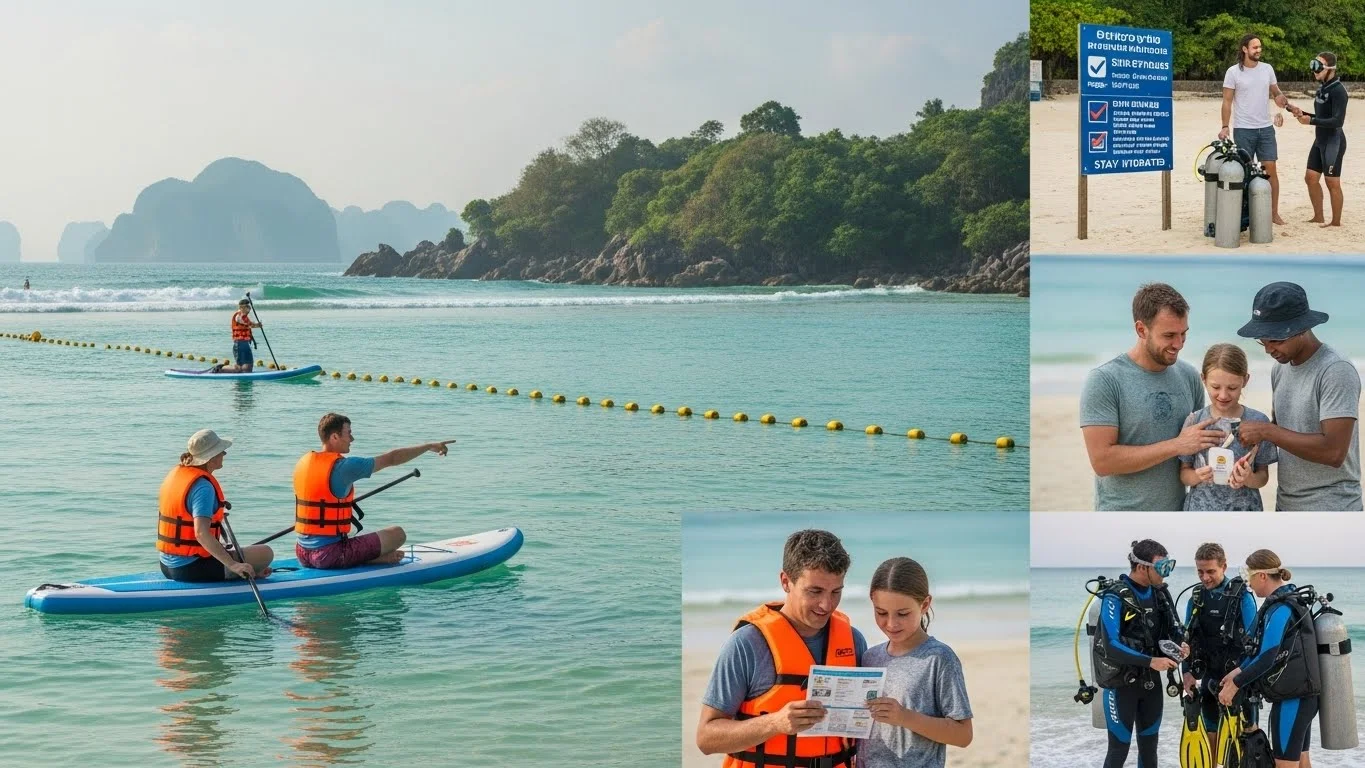
Traveling abroad for recreational activities can be thrilling, but ensuring safety is crucial. With the right precautions, we can enjoy our adventures while minimizing risks and staying secure. Let’s explore how to navigate safety during these exciting experiences.
Understanding Safety Risks in Recreational Activities
When planning recreational activities abroad, I’ve learned that understanding the potential safety risks is fundamental. No matter where we go, each destination presents unique challenges. From hiking in the mountains to diving in the ocean, being aware of these risks can help us make informed decisions and enjoy our time to the fullest.
Common Risks Associated with Outdoor Activities
During my travels, I’ve encountered various risks that come with outdoor activities. One of the most significant is the physical risk of injury. Whether we’re hiking, biking, or skiing, falls, sprains, and fractures are common. I remember one time while hiking in the Rockies; I slipped on a loose rock and twisted my ankle. It was a stark reminder of how quickly things can change.
Other common risks include drowning while swimming or kayaking, getting lost during a hike, or even getting caught in sudden weather changes. I’ve spoken to fellow travelers who experienced unexpected storms while camping, which can lead to dangerous situations. Recognizing these risks helps us be better prepared.
Health and Medical Considerations
Health is another crucial aspect to consider. Before embarking on a trip, I always check if there are any health risks associated with my destination. For instance, some regions have a higher prevalence of certain diseases, like malaria or dengue fever. I remember preparing for a trip to Southeast Asia and ensuring I was up to date on my vaccinations and medications.
Also, if you have any pre-existing medical conditions, it’s wise to consult with a healthcare professional before traveling. I’ve learned that carrying a basic first aid kit and any necessary medications can make a huge difference in case of an emergency.
Environmental Hazards to Be Aware Of
Environmental hazards can pose threats during recreational activities abroad. I vividly recall a snorkeling trip where I discovered how strong currents can be. It’s essential to research the conditions of the area—riptides, rocky shores, and wildlife can create dangerous situations. For example, while enjoying a beach day, I encountered jellyfish warnings that reminded me to stay vigilant.
Being mindful of altitude sickness is also important if you’re traveling to higher elevations. I felt the effects when hiking in the Andes; the thin air can catch you off guard. Gradually acclimatizing can help prevent adverse reactions. I recommend taking the time to educate ourselves about the environment and potential hazards before diving into activities.
Pre-Travel Safety Preparations
Researching Your Destination
Before any trip, I dive deep into researching my destination. This preparation allows me to familiarize myself with the local culture, customs, and potential safety issues. I often read travel blogs, watch videos, and check forums where fellow travelers share their experiences. This research has saved me more than once from making poor decisions.
Understanding Local Laws and Regulations
Every country has its own set of laws and regulations, and I’ve found that understanding them is key. For instance, some areas may have specific rules for outdoor activities, such as permits for hiking in national parks. On one trip, I encountered a local guide who explained that off-trail hiking was prohibited in certain areas to protect the environment. That knowledge helped me avoid hefty fines and stay on the right side of the law.
Health and Vaccination Requirements
Before I travel, I make it a point to check health and vaccination requirements for my destination. This step can’t be emphasized enough. Some places may require specific vaccinations, and not being prepared can lead to unexpected complications. I once met a traveler who was denied entry into a country because he hadn’t fulfilled the vaccination requirements. It’s a situation I’d never want to find myself in.
Travel Insurance: Why It’s Essential
Travel insurance is something I consider a non-negotiable part of my travel checklist. I’ve learned from experience that unexpected events can happen, and having insurance gives peace of mind. Whether it’s trip cancellations, lost luggage, or medical emergencies, being covered means I can focus on enjoying my adventure. I remember a friend who had to cancel a trip due to illness and was grateful for the insurance that helped him recover some costs.
Emergency Contacts and Local Resources
Knowing emergency contacts and local resources can make all the difference when traveling. I always jot down the local emergency numbers, the nearest hospital, and the contact information for my country’s embassy. It’s a simple step that can provide security when I’m in unfamiliar territory. I once got lost while hiking, and having the contact information of a local guide saved me from a potentially stressful situation.
Choosing Safe Recreational Activities
Popular Outdoor Activities and Their Risks
When it comes to recreational activities, I often find myself drawn to the thrill of outdoor adventures. However, I’ve come to realize that not all activities are created equal in terms of safety. For example, while hiking offers incredible views and a connection with nature, there are inherent risks like slips and falls, as I experienced firsthand. Mountain biking can be exhilarating, but it can also lead to serious injuries if I’m not careful. I’ve noticed that each activity comes with its own set of risks, and it’s essential to weigh those against my skill level and comfort zone.
Water activities like kayaking or diving are equally thrilling yet come with unique challenges. I remember a kayaking trip where the current was stronger than expected. It was a wake-up call about the importance of checking water conditions beforehand. If I could give one piece of advice, it would be to always consider the risks associated with any activity and assess how they align with my abilities. Protecting Young Athletes: Best Safety Gear for Sports is a great resource for understanding how gear plays a role in safety.
Guided Tours vs. Solo Exploration
One of the decisions I often face when planning activities is whether to opt for guided tours or venture out on my own. I’ve done both, and each has its pros and cons. Guided tours provide experienced professionals who know the area, which often means they can help navigate potential dangers. During a guided rafting trip, I felt so much safer knowing that our guide was trained to handle emergencies and had a deep understanding of the river’s currents.
On the flip side, solo exploration can offer a sense of freedom and adventure. However, it requires a higher level of self-awareness and preparation. I’ve found that if I choose to explore alone, I need to have a solid plan, adequate knowledge of the area, and a reliable means of communication. I encourage anyone considering solo adventures to think critically about their abilities and the resources available.
Choosing Reputable Operators and Guides
In my travels, I’ve learned that the operators and guides we choose can significantly impact our safety. It’s vital to research and select reputable companies with good reviews and safety records. I remember a thrilling zip-lining experience in Costa Rica where the company’s safety protocols put me at ease. They had all the right safety gear and trained staff, which made all the difference in how much I enjoyed the activity.
Not only does this help ensure my safety, but it also enhances the overall experience. I recommend checking online reviews, asking fellow travelers for recommendations, and even visiting the company’s website to understand their safety practices. If something feels off during the initial interactions, trust that gut feeling and look for alternatives.
Assessing Physical and Skill Level for Activities
Another critical aspect to consider is my physical fitness and skill level related to the activity. I’ve had moments where I jumped into activities that were beyond my current capabilities, and it didn’t end well. For instance, I once decided to try rock climbing without sufficient preparation, and I quickly realized I was in over my head. It was a humbling experience that taught me the importance of knowing my limits.
Before committing to an activity, I take time to honestly assess my skills and physical condition. It’s okay to challenge myself, but I’ve learned to do so within a reasonable framework. I often choose activities that have varying levels of difficulty so that I can gradually build my skills. Seeking professional lessons or taking part in beginner-friendly classes can also be very beneficial. It’s a great way to learn safely while still enjoying the thrill of new experiences.
Safety Gear and Equipment
Essential Gear for Various Activities
Having the right gear can make all the difference when it comes to safety during recreational activities. Over the years, I’ve invested in high-quality equipment tailored to my adventures. For instance, when hiking, I never leave without sturdy boots, a comfortable backpack, and a well-stocked first aid kit. I’ve seen firsthand how crucial good footwear is after a long day on rocky trails. Essential Safety Gear for Young Athletes: A Complete Guide provides insights into the types of gear that can enhance safety for young adventurers.
For water activities, proper gear is equally important. I always wear a life jacket when kayaking, regardless of my skill level. I’ve witnessed too many situations where individuals underestimate the water and face dangerous outcomes. Whether it’s a helmet for biking or a wetsuit for diving, I believe that investing in the right safety gear is a non-negotiable part of preparation.
How to Choose Quality Equipment
Choosing quality equipment can feel overwhelming, especially with so many options available. I’ve learned to prioritize safety features and durability over trendy brands or lower prices. Researching product reviews and seeking recommendations from experienced adventurers has been incredibly helpful for me. I often check forums and watch videos that demonstrate gear in action, which gives me a better idea of what to expect.
Additionally, I’ve found that trying out gear in-store can provide valuable insights. Being able to test the fit and comfort level before making a purchase is a game changer. When I bought my climbing harness, I spent time in the store trying different models until I found one that felt just right. Investing in quality gear is an investment in my safety, and it pays off in the long run.
Local Rental vs. Personal Equipment
Deciding between renting equipment locally or bringing my own has been a common dilemma during my travels. In some cases, like skiing or diving, I’ve found that renting can be a smart choice, especially if I’m not sure how frequently I’ll participate in that activity. Local rental shops often provide up-to-date equipment that meets safety standards, which gives me peace of mind.
On the other hand, there are certain items I prefer to bring with me, especially those that are essential for my comfort and safety. My hiking boots, for example, are broken in and fit me perfectly, which is crucial for tackling challenging trails. I recommend evaluating the cost and convenience of each option before making a decision. Sometimes, the best choice is a combination of both—renting larger items and bringing personal favorites. Top Safety Gear Every Young Athlete Needs for Protection is a helpful reference for selecting gear that keeps young athletes safe during activities.
On-the-Ground Safety Practices
Awareness of Surroundings and Situational Awareness
One of the most important lessons I’ve learned while traveling is the value of being aware of my surroundings. When I’m out exploring, whether on a bustling city street or a remote hiking trail, I make it a habit to stay alert. This means observing not just the scenery but also the people around me and any potential hazards. I remember a day when I was wandering through a busy market, completely engrossed in browsing, and I almost bumped into a cyclist. It was a wake-up call to always keep my head up and be mindful of my environment.
Situational awareness isn’t just about avoiding physical obstacles. It’s also about understanding the social dynamics and cultural norms of the place I’m in. I’ve noticed that in some countries, certain behaviors can attract unwanted attention. By observing how locals interact, I can adjust my behavior accordingly. This approach has not only kept me safe but has also enriched my travel experiences.
Staying Hydrated and Fueling Up
Staying hydrated is crucial when I’m involved in outdoor activities. I’ve been on hikes where the sun was relentless, and I neglected to drink enough water. The result? A headache and fatigue that completely drained my energy. Now, I always carry a refillable water bottle and make it a point to drink water regularly, even if I don’t feel thirsty. I’ve found that setting reminders on my phone helps me stay on track.
Fueling up with nutritious snacks is just as important. I like to pack energy bars, nuts, or dried fruits to keep my energy levels up. I’ve learned that a quick snack can make a world of difference, especially during long hikes or days filled with activities. It’s essential to listen to my body and refuel when needed to maintain both stamina and focus.
Buddy System: Why It Matters
Traveling with a buddy or group is something I highly recommend, especially for outdoor adventures. There’s safety in numbers, and having someone else along means we can look out for each other. I remember a solo hike I took where I quickly realized how comforting it would have been to have a friend by my side. When I got a bit lost, it felt daunting, and I wished I had someone to share the experience with. The buddy system not only enhances safety but also makes the experience more enjoyable.
When exploring, we often share responsibilities, like navigating or carrying supplies. It’s like having a built-in support system. If one of us is feeling off or shows signs of fatigue, the other can step in and adjust plans accordingly. I think this is especially important in unfamiliar environments, where unexpected situations can arise.
Recognizing Signs of Fatigue or Danger
Recognizing when I’m pushing my limits is vital for safety during recreational activities. I’ve been in situations where I ignored early signs of fatigue, thinking I could push through. There was a day when I was hiking for hours and felt the initial twinge of exhaustion. Instead of turning back, I kept going and ended up feeling lightheaded and unsteady. That experience taught me to listen to my body more carefully.
It’s not just about physical fatigue; I’ve learned to watch for signs of danger as well. Whether it’s sudden weather changes or feeling uneasy in a crowded area, trusting my instincts has often kept me out of trouble. If I ever get that gut feeling that something isn’t right, I don’t hesitate to change my plans or seek help. I believe that being proactive and attentive can often prevent larger issues down the line.
Emergency Preparedness During Activities
What to Do in Case of an Accident
Accidents can happen, no matter how careful we are. I’ve had my fair share of mishaps during my adventures, and knowing how to respond can make a huge difference. If someone gets injured, I always try to stay calm and assess the situation first. I remember a hiking trip where a friend tripped and fell, spraining her ankle. Instead of panicking, I focused on keeping her calm and gathered any supplies we might need.
It’s essential to know basic first aid procedures for common injuries like cuts, sprains, or fractures. I often take first aid courses to refresh my knowledge. I’ve found that being prepared gives me confidence when accidents occur. If the situation is severe, calling for help is the priority. Knowing the local emergency services number is something I keep in mind during every trip, ensuring I can get assistance when needed.
First Aid Skills and Essentials
Having basic first aid skills has proven invaluable during my travels. I make it a point to carry a well-stocked first aid kit, ready for any situation. I’ve learned to include items like band-aids, antiseptic wipes, gauze, and pain relievers. I also pack a few specific items like insect repellent and allergy medication, considering the potential risks of the regions I’m visiting.
In my experience, learning simple skills like how to clean a wound or how to apply a splint can be lifesavers. I’ve taken workshops and watched online tutorials that have equipped me with the knowledge I need to respond quickly. In emergencies, acting swiftly can prevent minor injuries from becoming major issues.
How to Contact Local Emergency Services
Knowing how to contact local emergency services is crucial when I’m abroad. I often research the local emergency numbers before I leave home. In some countries, dialing for help might not be as straightforward as calling 911. I recall a time in a rural area where the emergency number was different than what I was used to. Having that information readily available helped me navigate a stressful situation without added confusion.
When I do need to contact emergency services, I try to remain calm and provide clear information. I’ve learned that speaking slowly and clearly, especially if there’s a language barrier, can help ensure my message gets across. If possible, having a local guide or someone who speaks the language assist me can be immensely helpful.
Frequently Asked Questions
What are some common safety risks associated with outdoor activities?
Common safety risks include physical injuries such as falls, sprains, and fractures while hiking, biking, or skiing. Other risks include drowning while swimming or kayaking, getting lost during hikes, and sudden weather changes.
Why is it important to check health and vaccination requirements before traveling?
Checking health and vaccination requirements is crucial because some destinations may require specific vaccinations. Failing to meet these requirements can lead to complications, including being denied entry into a country.
What kind of safety gear should I consider for recreational activities?
Essential safety gear includes sturdy boots for hiking, life jackets for water activities, and helmets for biking. Investing in high-quality equipment tailored to the activities can significantly enhance safety.
How can I prepare for environmental hazards when traveling?
To prepare for environmental hazards, research the local conditions, such as riptides, rocky shores, and wildlife warnings. Being aware of altitude sickness when traveling to higher elevations is also important.
What is the buddy system, and why is it beneficial?
The buddy system involves traveling with a companion or group, which enhances safety by allowing individuals to look out for each other. It also makes the experience more enjoyable by sharing responsibilities and support.
How should I respond in case of an accident while engaging in activities?
In case of an accident, it’s essential to stay calm, assess the situation, and gather necessary supplies. Knowing basic first aid for common injuries and having local emergency services numbers handy is also crucial.
What factors should I consider when choosing between guided tours and solo exploration?
When choosing between guided tours and solo exploration, consider the level of safety, your knowledge of the area, and your comfort with navigating potential dangers. Guided tours often provide experienced professionals who can enhance safety.
How can I stay hydrated and fuel my body during outdoor activities?
Staying hydrated involves carrying a refillable water bottle and drinking water regularly. Packing nutritious snacks like energy bars and nuts helps maintain energy levels during long hikes or activity-filled days.
What steps can I take to enhance my situational awareness while traveling?
Enhancing situational awareness involves observing your surroundings, understanding local social dynamics and cultural norms, and staying alert to potential hazards. Being mindful of your environment can prevent accidents and enrich travel experiences.
What should I do if I encounter signs of fatigue or danger while traveling?
Recognizing signs of fatigue or danger is vital. If you feel exhausted or sense something is wrong, it’s important to listen to your body, change your plans, or seek help to prevent larger issues from developing.