
Ensuring our kids get the right nutrients on a vegan diet can feel overwhelming at times, but it’s absolutely rewarding. I’ve learned that with a little planning and creativity, it’s entirely possible to provide a balanced and nutritious vegan diet for our little ones. Understanding essential vegan nutrients your kids need for growth is an important part of this journey.
Understanding Vegan Nutrition for Kids
As parents, we want the best for our children, especially when it comes to their nutrition. Transitioning to a vegan diet can raise questions about whether kids are getting all the essential nutrients they need to thrive. Understanding vegan nutrition is the first step in ensuring our kids flourish on a plant-based diet.
What Are Vegan Nutrients?
Vegan nutrients are the vitamins, minerals, and other essential compounds that we get from plant-based foods. Unlike traditional diets that include animal products, vegan diets focus solely on fruits, vegetables, grains, nuts, and seeds. This means that while we can get a wealth of nutrients from these sources, we also need to be mindful of certain nutrients that might be lacking. I’ve found that focusing on whole, unprocessed foods helps us maximize nutrient intake while keeping meals delicious.
Key Differences Between Vegan and Non-Vegan Diets
One of the key differences between vegan and non-vegan diets lies in the sources of protein and certain vitamins. For instance, non-vegan diets often rely on meat, dairy, and eggs for protein and nutrients like B12 and calcium. On the other hand, a vegan diet requires us to find alternative sources for these nutrients. It’s a bit of a puzzle, but once I started to piece it together, it became a fun challenge. I remember the first time I realized that lentils and chickpeas could be my go-to protein sources. It opened up a world of culinary possibilities!
Common Nutritional Deficiencies in Vegan Diets
With great benefits come some challenges. I’ve seen that kids on vegan diets may face certain nutritional deficiencies if their meals aren’t well-planned. The most common deficiencies include protein, iron, calcium, vitamin B12, and omega-3 fatty acids. Understanding these potential gaps helped me focus on incorporating a variety of foods. For example, I learned that pairing iron-rich foods like spinach with vitamin C-rich foods like oranges enhances iron absorption. It’s little tricks like these that make a big difference!
Essential Nutrients for Vegan Kids
Protein Sources for Growing Kids
Protein is essential for growth, and as a parent, I feel it’s crucial to ensure my kids are getting enough. Some fantastic vegan protein sources include legumes, tofu, tempeh, quinoa, and nuts. I’ve personally experimented with different meals, and I found that making lentil soups or chickpea salads can be a hit. Mixing these protein sources into their favorite dishes not only boosts their nutrient intake but also makes meals exciting! For more information, check out top vegan nutrient sources for healthy kids’ diets.
Importance of Iron and How to Get It
Iron is vital for energy and development. It’s something I keep an eye on, as I’ve learned that kids can be prone to iron deficiency. Foods like lentils, beans, and fortified cereals are great choices. I also try to include foods rich in vitamin C, such as bell peppers and strawberries, in the same meal to help with iron absorption. It’s a simple hack, but it’s made a noticeable difference in my kids’ energy levels!
Calcium-Rich Foods for Bone Development
Calcium is crucial for bone health, especially in growing children. Thankfully, there are plenty of vegan sources to choose from, like fortified plant milks, leafy greens, and almonds. I remember the first time I made a creamy almond milk smoothie with spinach and bananas; my kids loved it! To ensure they’re getting enough calcium, I’ve started incorporating these foods into breakfast and snacks.
Vitamin B12: Why It’s Crucial and How to Supplement
Vitamin B12 is a big one for vegans, as it mainly comes from animal products. I’ve found that using fortified foods, like plant-based milks and cereals, is essential for our family. Additionally, I’ve considered B12 supplements, especially for my kids, to ensure they’re meeting their daily needs. I always discuss this with our pediatrician, just to be safe!
Omega-3 Fatty Acids and Their Benefits
Omega-3 fatty acids are important for brain development. I’ve learned that while they’re often associated with fish, we can find them in flaxseeds, chia seeds, and walnuts. Incorporating these into our meals has been an exciting journey! I love making chia seed pudding or adding flaxseeds to smoothies; it’s an easy way to boost their omega-3 intake.
Vitamin D: Sources and Importance
Vitamin D is essential for calcium absorption and overall health. I make sure to get some sunlight with my kids, but I also look for fortified foods to help meet our needs during the winter months. If sunlight isn’t an option, I’ve considered discussing supplements with our healthcare provider to ensure they’re getting enough.
Fiber and Digestive Health
Last but not least, fiber is a superstar nutrient for digestive health. A vegan diet is naturally high in fiber, which is great. I’ve found that incorporating whole grains, fruits, and vegetables keeps my kids’ digestive systems happy. Smoothies packed with fruits and greens have become a favorite in our house, and it’s a great way to sneak in that fiber!
Daily Meal Planning for Vegan Kids
Creating a Balanced Vegan Plate
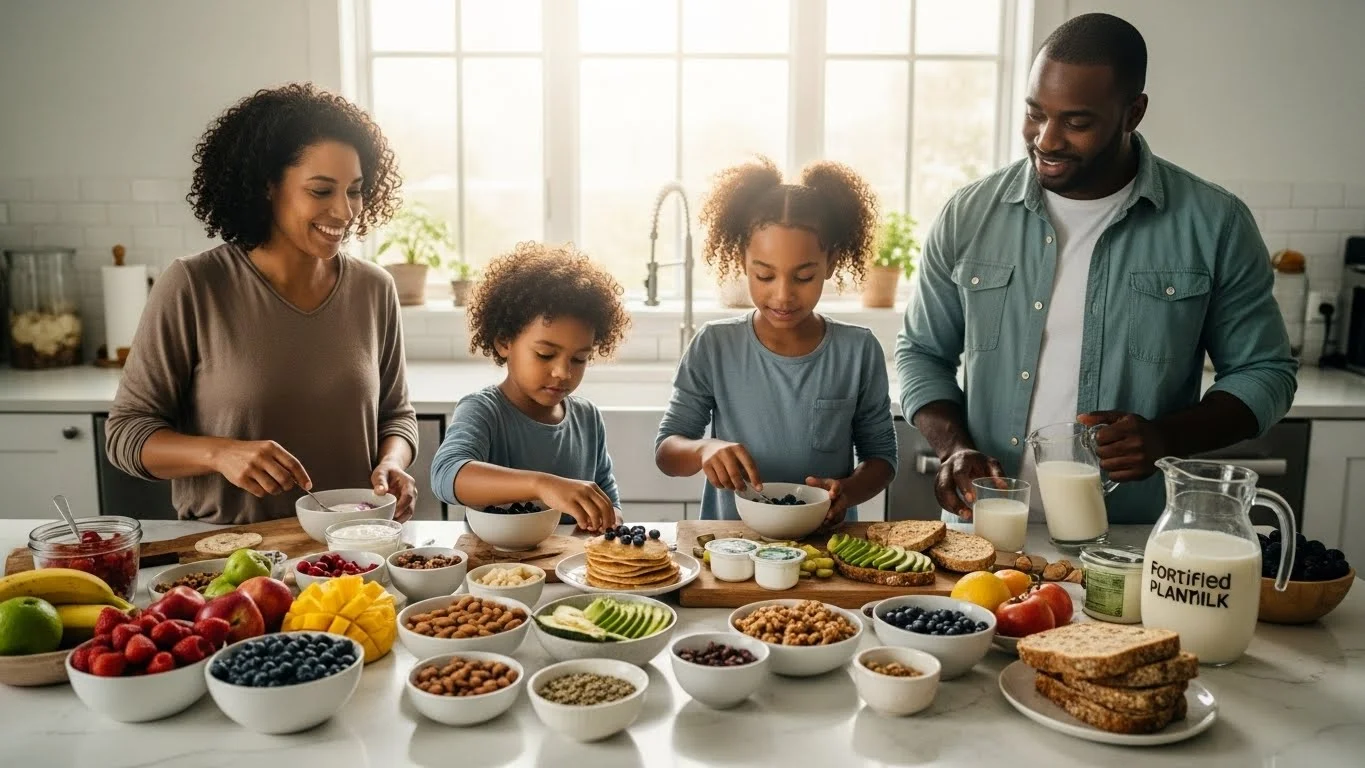
When planning meals for my kids, I always strive for balance. A balanced vegan plate should ideally include a variety of food groups: protein, grains, healthy fats, fruits, and vegetables. I’ve discovered that a simple rule of thumb is to fill half the plate with fruits and veggies, a quarter with whole grains, and the last quarter with protein sources. This visual guide helped me in meal prep and made it easier for my kids to understand what a nutritious meal looks like. I often involve them in the process, letting them pick a colorful assortment of veggies for their plates. It’s fun to see what they choose!
Sample Meal Plans for Different Ages
Planning meals can feel daunting, especially when considering the different nutritional needs of various age groups. I’ve found that having a sample meal plan can really simplify things. For toddlers, I focus on finger foods like avocado toast, steamed carrots, and small pieces of fruit. For older kids, I incorporate more complex dishes like stir-fried tofu with brown rice and a side of mixed veggies. I’ve learned that kids often enjoy meals that are visually appealing, so I try to play with colors and presentation. Here’s a quick breakdown of what a day could look like:
- Breakfast: Oatmeal topped with berries and a sprinkle of chia seeds.
- Lunch: Whole grain wrap filled with hummus, spinach, shredded carrots, and sliced cucumbers.
- Snack: Apple slices with almond butter.
- Dinner: Quinoa bowl with black beans, roasted sweet potatoes, and avocado.
This structure has made grocery shopping and cooking much easier for me, and the kids really enjoy trying new things each week!
Incorporating Variety to Avoid Monotony
One of the biggest challenges I faced in the beginning was avoiding meal monotony. I quickly realized that kids often want excitement in their meals, just like adults do. So, I’ve started rotating different cuisines and flavors to keep things interesting. One week, we could have Mexican-inspired dishes like black bean tacos, and the next week, we might explore Indian cuisine with lentil curry and rice. I love experimenting with spices and herbs, which not only enhances flavors but also adds nutritional benefits. Mixing up the meals keeps my kids looking forward to dinner instead of dreading yet another veggie stir-fry!
Healthy Snacks that Pack a Nutritional Punch
Snacks are an important part of our daily routine. I’ve found that having healthy snacks readily available helps prevent my kids from reaching for less nutritious options. Some of my go-to snacks include homemade energy balls made with oats, nut butter, and dried fruits, or sliced veggies with hummus. We also enjoy making smoothies together; it’s a fun way to sneak in greens and fruits. I remember one afternoon, we made a spinach and banana smoothie, and they didn’t even notice the greens! It’s little moments like these that make healthy eating a breeze.
As I’ve gone through this journey, I’ve learned that planning and variety are key to keeping my kids excited about their vegan meals. The more involved they are in the process, the more likely they are to embrace the food we prepare together!
Cooking Tips for Nutrient-Rich Vegan Meals
Using Fortified Foods Effectively
Incorporating fortified foods into our meals has been a game changer for my family. I’ve learned to look for options that provide essential nutrients like B12 and calcium. For instance, I often opt for fortified plant milks and breakfast cereals. I remember the first time I made a breakfast parfait with fortified cereal, almond milk, and fresh fruit; it was a hit! These small adjustments not only enhance our nutrient intake but also make meals more satisfying.
Creative Ways to Incorporate Vegetables
Getting kids to eat their veggies can be a challenge, but I’ve found that creativity goes a long way! I love sneaking vegetables into sauces, smoothies, and baked goods. For example, I often add grated zucchini or carrots to muffins, which my kids adore. It’s like a little secret ingredient that boosts nutrition without them even realizing it. Another fun idea is creating veggie-based dips, like a spinach and avocado spread, which makes veggies more appealing for snacking.
Batch Cooking and Meal Prepping for Busy Families
With our busy schedules, I’ve learned that batch cooking can save us a lot of time and stress during the week. On weekends, I often dedicate a couple of hours to prepare large portions of soups, stews, and grains. This way, we always have healthy options available. I remember the first time I made a big pot of chili; it fed us for days! Portioning meals into containers not only makes it easier to grab something healthy but also helps me avoid the temptation of takeout on hectic nights. Meal prepping has become a crucial part of our routine, and it really helps us stay on track nutritionally.
Addressing Common Concerns About Vegan Diets for Kids
How to Ensure Your Child Gets Enough Calories
One concern I often hear from parents is whether kids on a vegan diet are getting enough calories. It’s a valid question because growing kids need plenty of energy! I’ve noticed that incorporating calorie-dense foods can really help. Nuts, seeds, avocados, and nut butters are fantastic options to add healthy calories without overwhelming their plates with large portions. For instance, I love making peanut butter banana smoothies or adding a sprinkle of hemp seeds over salads. It’s all about finding those little additions that pack a nutritional punch while keeping meals enjoyable.
I also keep an eye on portion sizes and ensure that my kids are eating regularly throughout the day. Instead of just three big meals, I’ve found that having smaller, nutrient-rich snacks in between helps them stay energetic and satisfied. This way, they’re more likely to meet their caloric needs without feeling stuffed. Some favorite snack options in our house include trail mix, energy bars, or even avocado toast, which is always a hit!
Dealing with Picky Eaters
Ah, picky eaters—I’ve been through that phase! I remember when my kids were younger, and they had a very specific list of likes and dislikes. It felt like an uphill battle trying to get them to eat their veggies. What I learned is that patience and creativity are key. I’ve found that involving them in meal prep makes a world of difference. When they help choose and prepare meals, they are often more inclined to try new foods. I recall one weekend when we made homemade pizzas together; they were so excited to load up on colorful veggies and try different toppings. Not only did they end up eating a variety of vegetables, but they also had fun doing it!
Another trick I use is the “fun factor.” Making food visually appealing can entice even the pickiest eaters. I’ve enjoyed creating shapes with fruits and veggies or arranging them into smiley faces on their plates. It’s amazing how the simple act of presenting food in a fun way can spark their interest. I also try to keep the atmosphere relaxed during mealtime; I’ve noticed that when there’s no pressure, my kids are more willing to explore different flavors.
Consulting with Pediatricians and Nutritionists
As a parent, I truly value the advice of professionals. Consulting with a pediatrician or a nutritionist who understands vegan diets can provide peace of mind. I remember scheduling an appointment shortly after transitioning my kids to a vegan diet. Our pediatrician took the time to discuss their growth patterns, nutritional needs, and any concerns I had. It was reassuring to have a professional validate our meal choices and guide us on any necessary supplements. For further guidance, navigating vegan child nutrition: solutions to common issues is a great resource.
Sometimes, it helps to have a second opinion, especially when it comes to specific nutrient concerns like vitamin B12 or iron. Nutritionists can also offer personalized meal plans or recipes that cater to our kids’ tastes while ensuring they’re meeting their nutritional requirements. In my experience, this collaboration with health professionals has been invaluable in maintaining a balanced approach to our vegan lifestyle.
Resources for Vegan Parenting
Books and Guides on Vegan Nutrition for Kids
Investing in good resources has been incredibly helpful on this journey. I’ve found a handful of books that focus specifically on vegan nutrition for children. One of my favorites is “Vegan for Life” by Jack Norris and Virginia Messina, which provides solid nutritional advice and practical tips for families. There are also cookbooks like “The Vegan Family Cookbook” that offer delicious recipes tailored for kids. I love flipping through these books for inspiration and trying out new dishes together with my family.
Another fantastic resource is “Plant-Powered Families” by Dreena Burton. The recipes are not only nutritious but also kid-friendly, making it a breeze to cook meals that everyone enjoys. Having these guides at my fingertips has really boosted my confidence in meal planning and ensuring my kids are getting the nutrients they need!
Online Communities and Support Groups
I’ve discovered the power of community through online forums and social media groups. Joining vegan parenting groups has provided a platform to share experiences, ask questions, and exchange tips with other parents. It’s comforting to connect with others who are navigating similar paths. I remember posting a question about snack ideas and received a flood of suggestions that I hadn’t thought of before! From vegan recipes to advice on picky eaters, these communities have been a great source of support and encouragement.
Apps for Tracking Nutritional Intake
Technology can be a great ally in vegan parenting. I’ve started using apps to help track my kids’ nutritional intake, which has given me insights into their diets. Apps like MyFitnessPal and Cronometer allow me to input meals and see if they’re hitting their nutritional targets. This has been especially helpful for keeping tabs on vitamins like B12 and iron. I remember one week when I was concerned about my kids’ protein intake, and using the app helped me identify where I could make adjustments. It’s a handy tool that adds an extra layer of reassurance as we navigate this vegan journey together.
Frequently Asked Questions
1. What are vegan nutrients?
Vegan nutrients are the vitamins, minerals, and other essential compounds obtained from plant-based foods, which include fruits, vegetables, grains, nuts, and seeds.
2. What are some common nutritional deficiencies in vegan diets for kids?
The most common deficiencies in vegan diets for kids include protein, iron, calcium, vitamin B12, and omega-3 fatty acids.
3. What are some good protein sources for vegan children?
Excellent vegan protein sources for growing kids include legumes, tofu, tempeh, quinoa, and nuts.
4. How can I ensure my child gets enough iron on a vegan diet?
To ensure adequate iron intake, include foods like lentils, beans, and fortified cereals, and pair them with vitamin C-rich foods like bell peppers and strawberries to enhance absorption.
5. What are some calcium-rich foods suitable for vegan kids?
Vegan sources of calcium include fortified plant milks, leafy greens, and almonds.
6. How important is vitamin B12 for vegan children, and how can it be supplemented?
Vitamin B12 is crucial for vegans as it primarily comes from animal products. It can be supplemented through fortified foods like plant-based milks and cereals, and some families consider B12 supplements after consulting with a pediatrician.
7. What are some strategies to create a balanced vegan meal for children?
A balanced vegan plate should include a variety of food groups: protein, grains, healthy fats, fruits, and vegetables. A simple guide is to fill half the plate with fruits and veggies, a quarter with whole grains, and the last quarter with protein sources.
8. How can I address concerns about my child getting enough calories on a vegan diet?
To ensure kids receive enough calories, incorporate calorie-dense foods such as nuts, seeds, avocados, and nut butters, and offer smaller, nutrient-rich snacks throughout the day instead of just three large meals.
9. What can I do to encourage my picky eaters to try new vegan foods?
Involving kids in meal prep can increase their willingness to try new foods. Making meals visually appealing and keeping the atmosphere relaxed during mealtime can also encourage them to explore different flavors.
10. What resources are available for parents navigating vegan nutrition for kids?
Helpful resources include books on vegan nutrition for children, online communities and support groups, and apps for tracking nutritional intake, which can provide insights into dietary needs.