
Establishing a consistent sleep routine for your newborn can feel overwhelming, but it’s a journey that can lead to better sleep for both you and your baby. Let’s explore how to create a healthy sleep foundation together. Read Interesting article: Transform Your Newborn’s Sleep: Easy Routine Strategies
Understanding Newborn Sleep Patterns
What Are Normal Sleep Patterns for Newborns?
Newborns have unique sleep patterns that can baffle even the most experienced parents. In those early weeks, I remember feeling like my little one was always asleep or always awake, but I learned that newborns typically sleep between 14 to 17 hours a day, spread across short periods. They often sleep for 2 to 4 hours at a stretch, waking up primarily due to hunger or discomfort. I found it fascinating that their sleep is generally divided into two phases: REM (rapid eye movement) and non-REM sleep. During REM sleep, which is crucial for brain development, they may twitch or move around, while non-REM sleep allows them to rest deeply.
How Sleep Cycles Develop in Infants
As my baby grew, I learned about the development of sleep cycles. Initially, newborns have shorter sleep cycles, about 50-60 minutes long. Over the months, these cycles lengthen, and by the time they reach 3 to 6 months, they may start to sleep for longer stretches. It’s incredible to see how their ability to self-soothe and fall back asleep improves as they get older. I noticed that as my baby transitioned through different sleep stages, I could start to recognize certain patterns. This was crucial for me when trying to establish a routine.
Factors Affecting Newborn Sleep
Several factors can influence a newborn’s sleep. I quickly realized that hunger was the most significant factor for my little one. In those early days, every little cry seemed to signal a need for food. But it’s not just hunger; things like the baby’s temperament, room temperature, and even how well they were swaddled could impact their sleep. I also learned that babies can be sensitive to light and noise, which can disrupt their sleep. So, I made sure to create a calming environment, minimizing distractions during nap times. Read Interesting article: Essential Tips for Creating a Sleep Routine for Newborns
Preparing for a Sleep Routine
Creating a Sleep-Friendly Environment
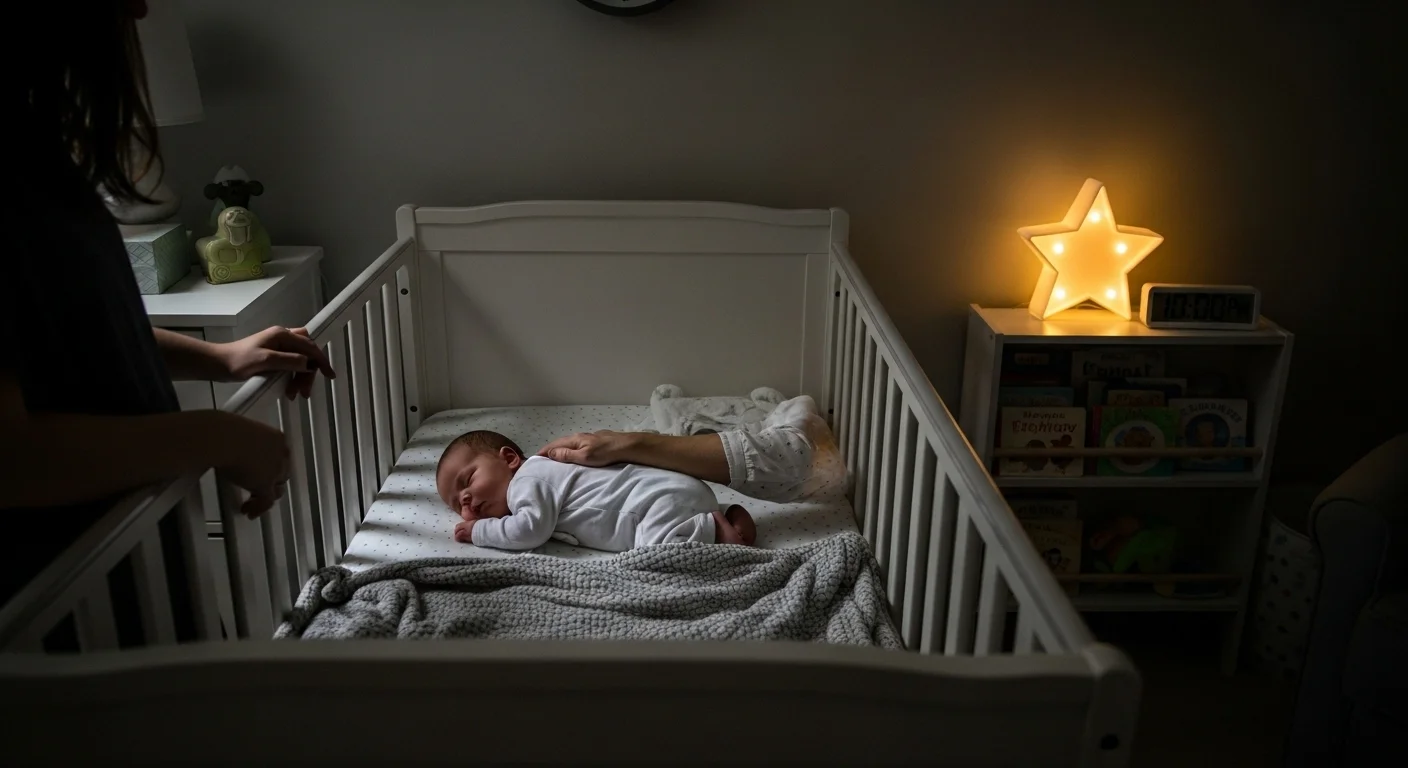
Creating a sleep-friendly environment was one of the first steps I took. I found that a dark, quiet room helps signal to my baby that it was time to sleep. I invested in blackout curtains to keep the light out and added a sound machine for some gentle white noise. It became part of our pre-sleep ritual, and I noticed my baby settling down more easily when the environment was calm and soothing. I also made sure the room temperature was comfortable, usually between 68 and 72 degrees Fahrenheit, to help my baby sleep better.
Choosing the Right Sleep Space: Crib vs. Bassinet
When it came to choosing between a crib and a bassinet, I had to weigh my options carefully. I loved the idea of having my baby close to me during those early weeks, so a bassinet felt like the right choice. It’s easier to access during nighttime feedings, and I could keep an eye on my baby without getting out of bed. Eventually, I transitioned to a crib as my baby grew and needed more space. I think it’s essential to consider your lifestyle and your baby’s needs when making this decision, as both options have their benefits.
Essential Sleep Accessories for Newborns
As I navigated the world of baby sleep, I discovered a few essential accessories that made a big difference. A good-quality swaddle was a game changer for us. It helped my baby feel secure and mimicked the cozy feeling of being in the womb. I also found a baby monitor to be invaluable, allowing me to keep tabs on my little one while I caught some much-needed rest. Other helpful items included a firm mattress and fitted sheets that fit snugly. Keeping the sleep area safe and comfortable was always a priority for me.
Establishing a Consistent Sleep Routine
When to Start a Sleep Routine
Thinking about when to start a sleep routine can be confusing. I remember when my baby was just a few weeks old, and I felt uncertain if it was too early. After chatting with other parents and doing some research, I learned that it’s never too soon to begin establishing a loose sleep routine. In fact, many experts suggest starting as early as 6 to 8 weeks. At that point, babies start to develop more regular sleep patterns. I found it helpful to pay attention to my baby’s natural rhythms and gradually introduce a routine that worked for us. This way, I was able to adapt it to fit our lifestyle and my baby’s needs.
Steps to Create a Sleep Schedule
Creating a sleep schedule can feel daunting, but I found it to be incredibly rewarding. I started by observing my baby’s natural sleep patterns. Each day, I noted when my little one seemed sleepy and when they woke up. This helped me identify a rough schedule. I then began to implement a consistent bedtime—around the same time each night—for my baby. In those early days, we often followed a simple sequence: a warm bath, a feeding, and some gentle rocking. I learned that keeping things predictable helped my baby feel secure and comfortable, making the transition into sleep smoother. Read Interesting article: Mastering Newborn Sleep: Establishing Routines for Success
Importance of Consistency in Sleep Timing
Consistency became one of my biggest allies. I discovered that sticking to the same sleep and wake times each day helped regulate my baby’s internal clock. It was remarkable how quickly I noticed the difference. When I kept the routine steady, my baby seemed to settle down more easily and even started sleeping for longer stretches. I think it’s essential to remember that while some nights may not go as planned, maintaining a consistent schedule overall can lead to more restful nights in the long run. It’s a journey, not a race, and finding what works best for your family is key.
Incorporating Relaxation Techniques
As I dove deeper into creating a sleep routine, I realized the importance of incorporating relaxation techniques. I found that gentle rocking, soft singing, or even reading a short story helped my baby wind down. I also discovered the magic of a calming bath before bedtime. The warm water seemed to soothe my little one, making it easier for them to transition from playtime to sleep time. I recommend trying out different techniques to see what resonates best with your baby. Whether it’s a gentle rub on the back or playing soft lullabies, these moments of connection can really help signal that it’s time to rest.
Common Challenges in Establishing a Sleep Routine
Dealing with Night Wakings
One of the challenges I faced was dealing with night wakings. I quickly learned that waking up during the night is completely normal for newborns. Some nights felt like an endless cycle of feeding and soothing. I found it helpful to remind myself that this phase wouldn’t last forever. When my baby woke up, I tried to keep the environment as calm as possible. I would change diapers and feed with minimal light and noise, making it clear that night was for sleeping. This approach helped my baby to learn that nighttime was not the time for play, but rather for rest.
Managing Sleep Regression
Just when I thought we had our sleep routine down, sleep regression hit us, and boy, was that a challenge! I remember feeling frustrated as it seemed like my baby had forgotten how to sleep through the night. I learned that sleep regression can occur at various stages, often around 4 months, 8 months, and even during growth spurts. When it happened to us, I reminded myself to be patient and flexible. I went back to basics—re-establishing our routine and reassuring my baby during those tough nights. It was tough, but I realized that these regressions are often temporary and part of their growth.
Handling Daytime Naps
Daytime naps were another area where I found myself navigating challenges. I learned that while some babies fall asleep easily during the day, others fight it with all their might. I used to stress about trying to get my baby to nap for a full hour or more, but I learned to embrace shorter naps too. I started recognizing my baby’s sleepy cues, like rubbing their eyes or getting fussy, and I would try to put them down before they became overtired. I also experimented with different nap environments. Sometimes a dark room worked wonders, while other times, a light and quiet area in the living room was just right. It was all about trial and error, but gradually, I found a rhythm that worked for us.
Tips for Encouraging Better Sleep
Recognizing Sleep Cues in Your Newborn
Learning to recognize my baby’s sleep cues was a game changer. At first, I didn’t realize how important it was to pay attention to those little signs. I remember feeling frustrated when my baby was fussy, thinking they were just being difficult. In reality, they were telling me they were tired. I started noticing things like yawning, rubbing eyes, or becoming less active. By tuning into these cues, I could get my baby down for a nap before they became overtired and irritable. I recommend being patient and observing your little one; with time, you’ll start to feel like you can read their mind! It’s like developing a sixth sense about your child’s needs.
Utilizing White Noise and Soothing Sounds
When it comes to helping my baby sleep, I found that white noise was incredibly effective. I had read about how it could mimic the comforting sounds of the womb, and after trying it myself, I totally agree! We started using a white noise machine during nap times and bedtime, and it seemed to help my baby drift off more easily and stay asleep longer. I also experimented with other soothing sounds, like gentle lullabies or soft nature sounds. It became part of our sleep routine and created a calming backdrop that signaled it was time for sleep. If you haven’t tried it yet, I highly recommend giving it a go; it might just work wonders for your little one too.
Establishing a Bedtime Ritual
One of the best decisions I made was to establish a consistent bedtime ritual. I found that having a predictable routine helped my baby understand that it was time to wind down. Our nightly ritual typically included a warm bath, some cuddling, and reading a short story or two. I loved how these moments became special for us, fostering a sense of connection before sleep. The routine didn’t have to be long or elaborate, but it was essential for signaling to my baby that the day was ending. I also noticed that my baby became more relaxed and ready for sleep as we followed this sequence. I believe that creating those intentional moments can enhance the bonding experience and make the transition to sleep smoother.
When to Seek Help
Signs of Sleep Disorders in Infants
As I navigated the world of newborn sleep, I learned to be aware of certain signs that might indicate a sleep disorder. I remember feeling concerned when my baby seemed excessively sleepy or had difficulty waking up for feedings. I also kept an eye out for frequent and prolonged night wakings, or if my baby seemed overly fussy and irritable during the day. If you notice any persistent issues that don’t seem to resolve with adjustments to your routine, it’s crucial to consult a professional. Trust your instincts as a parent; if something feels off, it’s always best to get it checked out. Remember, seeking help is not a sign of failure; it shows that you are committed to your baby’s well-being.
When to Consult a Pediatrician
There were times when I felt uncertain about my baby’s sleep patterns, and I found it helpful to consult our pediatrician. I learned that if your baby is under three months and consistently struggles to sleep, or if they seem to have irregular breathing during sleep, it’s essential to reach out for advice. Additionally, if you notice signs of extreme lethargy or feeding difficulties, don’t hesitate to contact your doctor. They can provide guidance, reassurance, and resources to help you address any concerns. I found that being proactive about my baby’s health ultimately led to better sleep for both of us.
Resources for New Parents on Sleep Issues
As I was learning the ropes of newborn sleep, I discovered various resources that were incredibly helpful. I found books, online forums, and parenting classes that tackled sleep issues, and they offered a wealth of information. One resource I particularly liked was a local parenting group where we could share experiences and tips. Hearing from other parents who were going through similar challenges made me feel less alone. I recommend exploring what works best for you—whether it’s reading, attending workshops, or joining a community. The more support we can find, the easier it can be to navigate the ups and downs of newborn sleep.
Final Thoughts
Reflecting on this journey of establishing a sleep routine for my newborn, I feel a mix of gratitude and relief. It’s incredible how much we can learn and adapt as parents, even in the face of sleepless nights. I believe that building a solid sleep foundation for our little ones is one of the most precious gifts we can give them. It’s not just about sleep; it’s about creating a nurturing environment where they feel safe and loved.
Throughout our experience, I learned the importance of being flexible. Each baby is unique, and what works for one might not work for another. I remember feeling overwhelmed at times, especially when our routines didn’t go as planned. But I found that patience was key. I learned to embrace the unpredictability and trust my instincts as a parent. It’s all part of the beautiful chaos of raising a child.
As we navigated the ups and downs of sleep training, I realized how crucial community and support are. Sharing experiences with other parents helped me feel less isolated and gave me new perspectives on handling challenges. Whether it was discussing sleepless nights or celebrating little victories, I treasured those connections. I encourage other parents to seek out their support systems, whether through friends, family, or local groups. We’re all in this together, and sharing our journeys can offer comfort and inspiration.
Ultimately, I found that establishing a sleep routine not only benefited my baby but also improved my own well-being. I learned to prioritize self-care, knowing that when I was well-rested, I could be more present and engaged. Taking the time to care for ourselves allows us to care for our little ones more effectively.
In closing, I hope that sharing my experience resonates with other parents who are embarking on this journey. Establishing a sleep routine for your newborn might seem daunting, but it’s a path filled with growth, learning, and connection. Remember, it’s perfectly okay to seek help, trust your instincts, and adapt as needed. Your baby’s sleep journey is uniquely theirs, and with time, love, and patience, you’ll find the rhythm that works best for your family. Here’s to restful nights and happy mornings ahead!
Frequently Asked Questions
What are normal sleep patterns for newborns?
Newborns typically sleep between 14 to 17 hours a day, spread across short periods of 2 to 4 hours at a stretch. Their sleep is generally divided into REM (rapid eye movement) and non-REM sleep phases.
When is the best time to start a sleep routine for my newborn?
Many experts suggest starting a loose sleep routine as early as 6 to 8 weeks, when babies begin to develop more regular sleep patterns.
What factors can affect my newborn’s sleep?
Several factors can influence a newborn’s sleep, including hunger, the baby’s temperament, room temperature, and sensitivity to light and noise.
How can I create a sleep-friendly environment for my baby?
To create a sleep-friendly environment, ensure the room is dark and quiet, use blackout curtains, and consider a sound machine for white noise. Maintain a comfortable room temperature between 68 and 72 degrees Fahrenheit.
What sleep space should I choose for my newborn: crib or bassinet?
Choosing between a crib or bassinet depends on your lifestyle and your baby’s needs. A bassinet is convenient for nighttime access, while a crib offers more space as your baby grows.
What are some essential sleep accessories for newborns?
Essential sleep accessories for newborns include a good-quality swaddle, a baby monitor, a firm mattress, and fitted sheets that fit snugly to ensure safety and comfort.
How can I manage night wakings with my newborn?
It’s normal for newborns to wake at night. Keeping the environment calm with minimal light and noise during diaper changes and feedings can help signal that night is for sleeping.
What should I do if my baby experiences sleep regression?
During sleep regression, be patient and flexible. Re-establish your routine and reassure your baby. Remember that these regressions are often temporary and part of their growth.
How can I recognize my baby’s sleep cues?
Look for signs such as yawning, rubbing eyes, or becoming less active. Recognizing these cues can help you put your baby down for a nap before they become overtired and irritable.
When should I consult a pediatrician regarding my baby’s sleep?
Consult a pediatrician if your baby is under three months and struggles to sleep consistently, exhibits irregular breathing during sleep, or shows signs of extreme lethargy or feeding difficulties.