
Fostering open communication with our children can transform our relationships and pave the way for trust and understanding. Let’s dive into how we can make this a daily practice. Read Interesting article: Top 5 Fun Ways to Boost Parent-Child Communication Skills
Understanding Open Communication
What is Open Communication?
Open communication is all about creating a space where thoughts and feelings can be shared freely without fear of judgment or retaliation. I’ve always believed that it’s not just about what we say, but how we say it and how we listen. When I think of open communication, I picture a two-way street where both my child and I can express ourselves honestly. This means encouraging them to share their ideas, concerns, and emotions while also being open about my own feelings. It’s a dance of sharing, listening, and understanding that builds a solid foundation for our relationship.
Benefits of Open Communication with Children
From my experience, the benefits of open communication are profound and far-reaching. I’ve seen how it strengthens our bond and encourages my child to feel valued and understood. Here are a few key benefits I’ve noticed:
- Building Trust: When children see that they can speak freely without repercussions, it fosters trust. I’ve found that this trust allows my child to come to me with questions or problems, big or small.
- Emotional Intelligence: Open conversations help children recognize and name their emotions. I’ve watched my child learn to articulate feelings, which is crucial as they grow and encounter more complex situations.
- Problem-Solving Skills: Engaging in discussions about challenges can empower children to think critically and develop solutions. I remember when my child faced a tough situation at school; our talks helped them navigate through it.
Common Barriers to Open Communication
Despite the benefits, I’ve encountered several barriers that can hinder open communication with my child. Recognizing these hurdles is essential for overcoming them.
- Fear of Repercussions: Sometimes, children may hold back their thoughts because they fear punishment or criticism. I’ve had to remind myself to approach conversations without judgment to create a safe space.
- Lack of Time: In our busy lives, it’s easy to rush through conversations. I’ve learned that dedicating even a few minutes daily can make a huge difference in keeping the lines of communication open.
- Distractions: With screens and devices everywhere, distractions can pull our focus away from meaningful conversations. I’ve made a conscious effort to set aside devices during our talks to fully engage with my child.
Daily Practices to Encourage Communication
Creating a Safe and Supportive Environment
Creating a nurturing atmosphere where my child feels safe to express themselves has been crucial. I strive to ensure that our home is a judgment-free zone. I’ve learned that using positive reinforcement when my child shares their thoughts encourages them to keep communicating. For instance, when they share a concern, I try to validate their feelings and let them know I appreciate their trust in me.
Establishing Routine Check-Ins
Routine check-ins have become a cherished part of our daily life. I find that having regular times to talk—perhaps during dinner or just before bedtime—allows us to connect. These check-ins have become our special moments to share highs and lows of the day. I’ve noticed that my child looks forward to these times, and it gives them the space to open up about what’s on their mind. Read Interesting article: Travel Smart: Boost Your Child’s Reading Readiness Today
Using Open-Ended Questions
I’ve realized that the way I ask questions can make all the difference. Instead of simple yes or no questions, I try to use open-ended ones that encourage my child to elaborate. For example, instead of asking, “Did you have a good day at school?” I might ask, “What was the best part of your day?” This subtle shift invites more conversation and helps me learn about their experiences in depth.
Active Listening Techniques
Active listening has been a game-changer for me. When my child speaks, I make a conscious effort to truly listen. I put my phone down, maintain eye contact, and show that I’m engaged. I often nod and provide feedback, like saying “I understand” or “That sounds really interesting.” This not only makes my child feel heard but also encourages them to share more. I’ve seen how this practice leads to deeper conversations and strengthens our connection.
Encouraging Expression Through Play and Activities
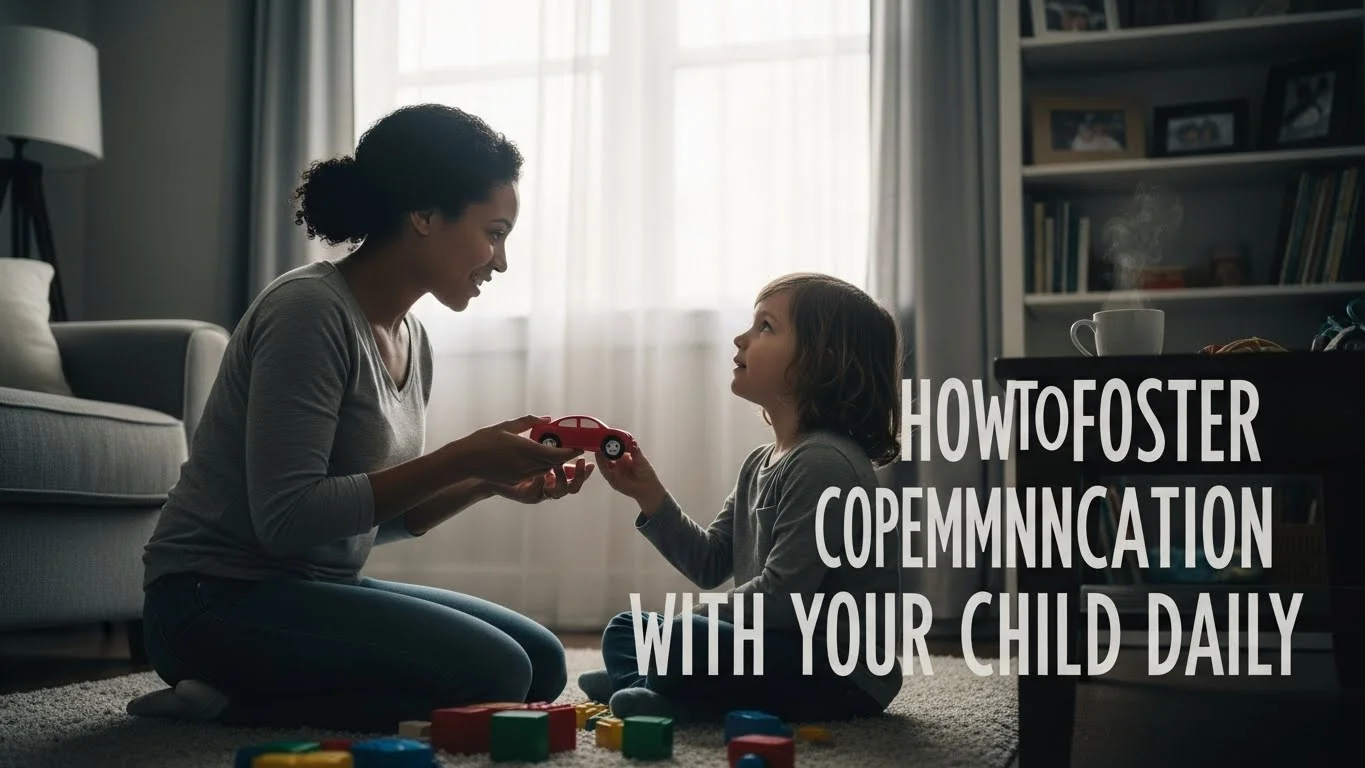
Sometimes, the best conversations happen outside traditional settings. I love using play and activities to encourage communication. Whether it’s drawing together, playing a game, or going for a walk, these moments often lead to spontaneous discussions. For instance, while we’re building with blocks, my child might share what they think about their friends at school. I’ve found that these relaxed environments can break down barriers and make communication feel natural.
Age-Appropriate Communication Strategies
Communication with Toddlers
When my kids were toddlers, I quickly learned that communication takes on a whole new form. At this age, they might not have the words to express themselves fully, but their feelings are so vivid. I remember getting down to their level, making eye contact, and using simple words and gestures to connect. For instance, if they were upset about something, I’d validate their feelings by saying, “I see you’re sad because your toy is stuck.” It was amazing to see how this simple acknowledgment would often calm them down. I realized that even though their vocabulary was limited, they understood my tone and warmth, which made them feel safe and loved.
Communication with Preschoolers
As my children transitioned into preschool, I found that they started to develop their own thoughts and opinions more clearly. This was such an exciting time! I made a point to encourage them to share their stories about their day. I often asked them questions like, “What was the funniest thing that happened today?” or “Who did you play with on the playground?” I noticed that these types of open-ended questions sparked their imagination and encouraged storytelling. I also learned to incorporate play into our conversations. Whether playing with dolls or building blocks, I would engage in dialogue that allowed them to express their thoughts and emotions in a fun and relaxed way.
Communication with School-Aged Children
Once my kids reached school age, I found myself navigating a whole new realm of communication. They were not only influenced by their peers but also starting to encounter more complex social situations. I focused on creating a routine of having one-on-one time with each child, which allowed them to share their experiences from school. I remember one evening, my child opened up about a disagreement they had with a friend. Instead of jumping straight into advice mode, I practiced active listening. I asked questions to help them think through the situation, such as, “How did that make you feel?” or “What do you think you could do to solve it?” This approach helped them feel empowered to handle their own problems and made them more willing to share in the future.
Communication with Teenagers
Teenagers, I’ve learned, can be a bit trickier when it comes to communication. I remember feeling the shift when my kids entered their teenage years; they became more private and sometimes withdrawn. I made it a priority to respect their space while still making it clear that I was there to listen. I often found that casual settings—like driving in the car or hanging out while cooking—allowed for more relaxed conversations. I’d ask about their interests and opinions on various topics, which often led to deeper discussions. I learned to balance my curiosity with patience, knowing that they would share when they were ready. I’ve found that building this trust during their teenage years is essential, as they navigate their own identity and experiences.
Building Trust and Connection
The Role of Empathy in Communication
Empathy has become a cornerstone of my communication style with my children. I’ve realized that simply hearing their words isn’t enough; I need to understand their feelings too. When they express frustration or sadness, I try to put myself in their shoes. For example, if they’re upset about a poor grade, instead of reacting with disappointment, I might say, “I can imagine how disappointing that must feel. What do you think we can do about it together?” This approach not only validates their feelings but also shows them that I’m on their team. I believe that this foundation of empathy strengthens our bond and encourages them to come to me during tough times.
Sharing Personal Experiences
I’ve always found that sharing my own experiences helps bridge the gap between us. I often recount stories from my childhood or even my own teenage years, especially when they face challenges similar to what I went through. I remember sharing my struggles with friendship during high school and how I coped. This opened the door for my kids to share their own stories and created a deeper sense of connection. They began to see me not just as a parent but as someone who understands their struggles. It’s a wonderful way to remind them that they’re not alone in their experiences, and it fosters an environment of trust.
Being Honest and Transparent
Honesty is key in our communication. I’ve found that being transparent about my own feelings, even when I’m stressed or worried, has helped my children understand that it’s okay to express their emotions. For instance, if I’m feeling overwhelmed with work, I might share that with them, explaining that it’s normal to feel this way sometimes. I encourage them to talk about their own stresses, whether it’s school pressure or social dynamics. This openness creates a culture of authenticity in our home, where feelings can be expressed without fear of judgment. I truly believe that this honesty strengthens our relationship and instills a sense of security.
Overcoming Communication Challenges
Dealing with Resistance or Defensiveness
I’ve noticed that sometimes, despite my best efforts, my child may become defensive or resistant during conversations. This can be especially true when discussing topics that touch on their insecurities or mistakes. In those moments, I remind myself to approach the situation with patience and understanding. I try to create an atmosphere where they don’t feel attacked or judged. Instead of pushing too hard, I often back off and let them know that I’m there whenever they’re ready to talk. I’ve learned that giving them space can sometimes lead to more honest discussions later on, as they come to terms with their feelings. It’s a delicate balance, but I’ve found that fostering a non-confrontational environment encourages them to open up when they are ready.
Addressing Sensitive Topics
Discussing sensitive subjects can be challenging, but I believe it’s essential for fostering open communication. I remember when I needed to talk to my child about topics like peer pressure or mental health. The key for me was to approach these discussions with a gentle hand. I often start by sharing a related story from my own life, which helps to normalize the conversation. For example, I once shared how I faced peer pressure as a teenager and how I navigated those situations. This not only reassured them that these challenges are common but also made them feel more comfortable discussing their own experiences. Asking for their thoughts and feelings on the matter has often led to deeper conversations and a stronger connection.
Managing Screen Time and Its Impact on Communication
In our tech-driven world, managing screen time has become a significant aspect of communication. I’ve noticed that excessive screen time can create a barrier between us, as my child may become absorbed in games or social media. To combat this, I’ve implemented specific times during the day when we put our devices away. For instance, during meals or family game nights, I encourage everyone to disconnect. I’ve found that these device-free times lead to more engaging conversations and laughter. It’s a time for us to share stories, play games, or just catch up on each other’s lives. I also try to model this behavior by limiting my own screen time, showing my child that I value our connection more than scrolling through my phone.
Resources for Parents
Books on Parenting and Communication
Throughout my journey in fostering open communication, I’ve found several books incredibly helpful. One of my favorites is “How to Talk So Kids Will Listen & Listen So Kids Will Talk” by Adele Faber and Elaine Mazlish. It offers practical strategies that I’ve applied in our daily conversations. Another book that resonated with me is “The Whole-Brain Child” by Daniel J. Siegel and Tina Payne Bryson, which emphasizes understanding how a child’s brain develops and how that impacts communication. I often recommend these books to friends or parents who are looking to strengthen their communication skills with their children. Read Interesting article: Why Extracurricular Activities Matter for Your Child’s Growth
Workshops and Support Groups
Participating in workshops and support groups has been a game-changer for me. Connecting with other parents who share similar challenges offers both insights and reassurance. I remember attending a local parenting workshop focused on communication skills, and it was fantastic to hear different perspectives and strategies. These gatherings often emphasize the importance of community and support, reminding us that we’re not alone in our parenting journey. I’ve made some lasting friendships through these groups, and we often share our successes and struggles, which has enriched my parenting experience.
Online Resources and Tools
Today, there are countless online resources that can help parents enhance their communication skills. I often find myself browsing websites and forums dedicated to parenting tips. For instance, websites like Parenting.com offer articles and advice on various topics, including communication strategies. I’ve also explored podcasts focused on parenting, where experts share their insights and experiences. These resources not only provide practical advice but also inspire me to continue improving my communication with my children. I believe that staying informed and engaged with others can make a significant difference in our parenting journey.
Final Thoughts
Throughout my journey in fostering open communication with my children, I’ve discovered that it’s not just a technique or a set of strategies; it’s a way of life that evolves as our children grow. Every stage of development brings its own joys and challenges, and I’ve learned to embrace these moments as opportunities for connection. I truly believe that the effort we put into communicating openly pays off in the long run, as it builds a foundation of trust and understanding that lasts a lifetime.
I often remind myself that it’s okay to make mistakes along the way. There have been times when I’ve let my own frustrations spill over, or when I’ve been too busy to engage fully. But each day presents a new chance to reconnect and improve our communication. I’ve also realized that it’s essential to be gentle with myself as a parent. If I slip up, I can always take a moment to apologize and express my desire to communicate better, showing my children that it’s okay to acknowledge our imperfections.
As our children grow into young adults, the need for open communication becomes even more critical. I’ve seen how the relationships we cultivate now will influence their ability to express themselves in the future, whether it be at school, in friendships, or in romantic relationships. Supporting them in developing their voices and opinions empowers them to navigate the world with confidence.
In my experience, it’s also vital to model the behavior we wish to see in our children. By being open about my feelings, sharing my own experiences, and actively listening, I set an example that encourages them to do the same. This not only strengthens our bond but also prepares them for the relationships they will foster outside of our home.
Ultimately, fostering open communication is about creating an environment where our children feel safe, respected, and valued. I genuinely believe that these conversations help shape them into empathetic, thoughtful individuals who understand the importance of connecting with others. So let’s keep the dialogue going, cherish those moments of connection, and continue to grow alongside our children.
As I reflect on my journey, I feel grateful for the lessons learned and the relationships built through open communication. It is a beautiful process that enriches my role as a parent and creates a nurturing atmosphere for my children. Together, we can navigate the challenges of parenting while fostering a lifetime of understanding and connection.
Frequently Asked Questions
What is open communication with children?
Open communication is about creating a space where thoughts and feelings can be shared freely without fear of judgment or retaliation. It involves both parents and children expressing themselves honestly, encouraging sharing ideas, concerns, and emotions.
What are the benefits of open communication with children?
The benefits of open communication include building trust, enhancing emotional intelligence, and developing problem-solving skills. It allows children to feel valued and understood, encouraging them to approach parents with questions or concerns.
What common barriers hinder open communication with children?
Common barriers include fear of repercussions, lack of time, and distractions from devices. Children may hold back their thoughts due to fear of punishment, busy schedules can lead to rushed conversations, and distractions can pull focus away from meaningful discussions.
How can I create a safe and supportive environment for communication?
Creating a nurturing atmosphere involves ensuring the home is a judgment-free zone and using positive reinforcement when children share their thoughts. Validating feelings and appreciating their trust encourages ongoing communication.
What are routine check-ins and why are they important?
Routine check-ins are regular times set aside to talk, such as during dinner or before bedtime. They provide special moments for children to share the highs and lows of their day, fostering connection and openness.
How can I use open-ended questions to improve communication?
Using open-ended questions encourages children to elaborate on their thoughts rather than answering with a simple yes or no. For example, asking “What was the best part of your day?” invites more conversation and insight into their experiences.
What is active listening and how can it enhance communication?
Active listening involves fully engaging with what a child is saying by maintaining eye contact, putting down distractions, and providing feedback. This practice makes children feel heard and encourages them to share more, leading to deeper conversations.
What strategies can be used for communicating with toddlers?
When communicating with toddlers, it’s important to get down to their level, make eye contact, and use simple words and gestures. Validating their feelings helps them feel safe and understood, even if they can’t express themselves fully.
How can parents encourage expression through play and activities?
Parents can use play and activities as opportunities for communication by engaging in relaxed settings, such as drawing or playing games. These informal environments can lead to spontaneous discussions and help children express their thoughts naturally.
What role does empathy play in communication with children?
Empathy is vital in communication as it involves understanding a child’s feelings. By acknowledging their emotions and validating their experiences, parents create a supportive atmosphere that encourages children to share openly and feel connected.