
Managing impulsive behaviors in children can feel overwhelming, but with the right guidance, we can help them thrive. Let’s explore effective strategies that can make a significant difference in their lives and ours. Read Interesting article: Top 7 Strategies to Help Kids Manage Impulsivity
Understanding Impulsive Behaviors in Children
Definition of Impulsive Behavior
Impulsive behavior in children can be defined as actions that are taken without forethought or consideration of the consequences. I remember when my child would blurt out answers in class or rush into situations without thinking. It was this spontaneous, often reckless decision-making that led to trouble and frustration. Impulsivity can manifest in various ways, from interrupting conversations to engaging in risky behaviors without considering the potential fallout.
Common Causes of Impulsivity
Understanding why children act impulsively is crucial. There are several factors at play. Brain development is a significant one; impulsive behaviors often stem from an immature prefrontal cortex, which is responsible for decision-making and impulse control. I found it helpful to learn that children’s brains are still developing, and many may not possess the ability to think through their actions fully.
Another factor is environmental influences. Stressful home situations, peer pressure, and even certain dietary choices can contribute to impulsive actions. I’ve noticed that when my child was hungry or tired, their impulse control seemed to diminish significantly. Additionally, underlying psychological conditions, such as ADHD, can amplify impulsivity, making it more challenging for children to manage their actions. Read Interesting article: How to Set Boundaries for Lasting Self-Discipline
Signs and Symptoms to Look For
Recognizing signs of impulsive behavior in our children can help us intervene effectively. Some common symptoms include difficulty waiting their turn, frequent interruptions, and acting out without thinking. I started paying attention to my child’s behavior during playdates. If they constantly grabbed toys from others or shouted out answers inappropriately, I knew it was time to step in and guide them. Other signs might include emotional outbursts or a tendency to engage in risky activities.
It’s essential to keep an eye on these behaviors, as they can escalate if not addressed. While we all have impulsive moments, if our children consistently struggle with impulse control, it could indicate a deeper issue that needs attention.
Establishing a Supportive Environment
Creating a Safe Space for Expression
One of the first steps I took to help my child manage impulsive behaviors was to create a safe space for them to express their feelings. I found that when children feel secure, they are more likely to open up about their emotions and actions. This space can be a quiet corner in the house, a special chair, or even a cozy blanket fort. Whenever I noticed my child struggling, I encouraged them to retreat to their safe space to process their feelings. This practice not only helped calm their impulsive reactions but also fostered a sense of security.
Encouraging Open Communication
Open communication is vital in any relationship, especially between parents and children. I made it a point to have regular conversations with my child about their day, their feelings, and their challenges. This practice helped my child feel heard and understood, which in turn allowed them to express themselves more thoughtfully. I learned that asking open-ended questions, like “What made you feel excited today?” or “How did you handle that situation?” encouraged deeper conversations and reflection.
Fostering Emotional Awareness
Teaching emotional awareness was another significant step in our journey. I introduced my child to the concept of feelings by using emotion charts and books. We’d sit down together and identify emotions, discussing when they felt happy, sad, or frustrated. By labeling their feelings, my child began to understand their emotions better and could express them without resorting to impulsive actions. I remember one day when my child was upset after losing a game; instead of lashing out, they used their words to explain their feelings, and it was such a proud moment for both of us.
By establishing a supportive environment that emphasizes emotional expression, we can empower our children to manage their impulsive behaviors more effectively. Each step we take together helps build a foundation of understanding and resilience that will serve them well throughout their lives.
Effective Strategies for Managing Impulsive Behaviors
Setting Clear Expectations and Boundaries
One of the most effective strategies I found for managing impulsive behaviors in children is setting clear expectations and boundaries. When I defined specific rules and guidelines, my child had a better understanding of what was acceptable and what wasn’t. I remember sitting down with my child to create a list of house rules together. This process made it feel more collaborative, and they took ownership of the rules. For instance, we agreed that interrupting during family meals was not okay, and if they wanted to speak, they could raise their hand. This simple act of defining boundaries helped reduce impulsive interruptions during dinner, allowing us to enjoy our time together.
Implementing Consistent Routines
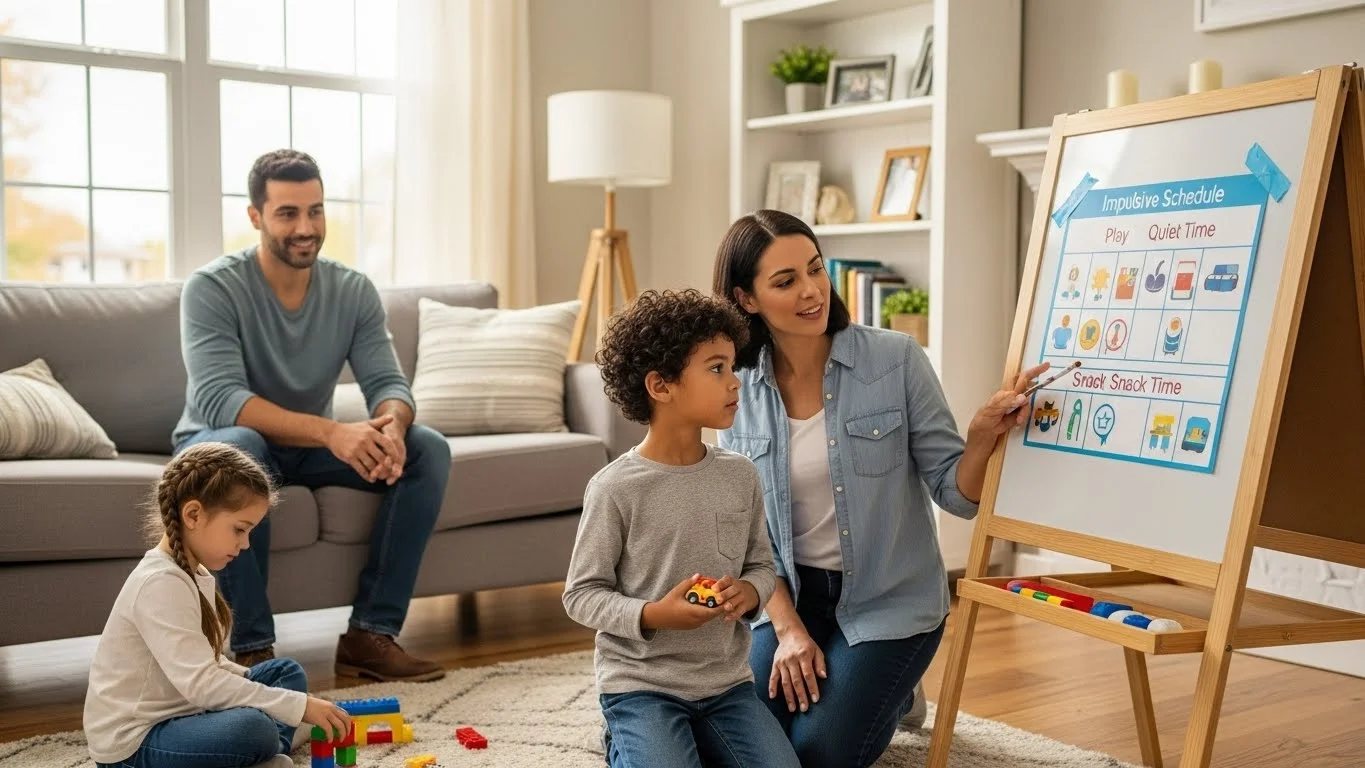
Establishing a consistent routine has been a game-changer in our household. I noticed that when my child knew what to expect throughout the day, their impulsivity decreased significantly. We created a daily schedule that included time for homework, play, and family activities, which provided structure and predictability. For example, before bedtime, we always had a calming routine that included reading and reflection. I found that this routine not only helped my child wind down but also gave them a sense of control over their environment. The more consistent we were, the more my child thrived, and I believe that routines can foster a sense of safety and stability for all kids.
Using Positive Reinforcement Techniques
Positive reinforcement can be a powerful tool for encouraging desired behaviors. I began to focus on rewarding my child for demonstrating good impulse control rather than solely addressing their impulsivity. For instance, if my child managed to wait their turn during a game, I praised them and noted how proud I was of their patience. We even created a chart that tracked their progress, and whenever they reached certain milestones, they earned small rewards. This method not only motivated my child but also reinforced the idea that good behavior leads to positive outcomes. In my experience, celebrating small victories can make a big difference in building self-control.
Teaching Problem-Solving Skills
Another important strategy I implemented was teaching my child problem-solving skills. I realized that impulsivity often stemmed from a lack of coping strategies when faced with challenges. We started practicing scenarios where my child would encounter a problem, like a disagreement with a friend. Instead of reacting impulsively, I encouraged them to think through possible solutions. I’d ask questions like, “What do you think would happen if you tried talking it out?” or “Can you think of another way to handle that?” This not only helped my child to process their thoughts but also empowered them to make more thoughtful decisions in the future. I remember the first time they applied this skill during a playdate, and it felt like a proud parenting moment when they successfully resolved a conflict without any impulsive outbursts.
Incorporating Mindfulness Practices
Mindfulness practices have also become a part of our daily routine. I discovered that teaching my child how to be mindful helped them to pause and reflect before acting. We started with simple breathing exercises, where we would take a few deep breaths together. I also introduced them to mindful activities, such as drawing or nature walks, where we focused on our surroundings and feelings. I noticed that these practices helped my child to slow down and think things through. On particularly challenging days, when I sensed their impulsivity rising, I would suggest we take a few moments to breathe together. This approach not only calmed them but allowed them to regain focus before making decisions.
By implementing these strategies, I’ve seen significant changes in my child’s ability to manage their impulsive behaviors. Each approach contributes to a more harmonious home life, and it feels rewarding to witness their growth. The journey isn’t always easy, but taking these steps together has strengthened our bond and equipped my child with tools to navigate their emotions and actions more effectively.
Tools and Resources for Parents
Books on Impulse Control for Parents and Children
One of the best ways I found to deepen my understanding of impulsive behaviors was through reading. There are some fantastic books out there that focus on impulse control both for parents and children. For instance, I came across “The Explosive Child” by Ross W. Greene, which really opened my eyes to the struggles faced by impulsive children. It offers practical advice on how to approach these situations with empathy and understanding. Another great read is “Your Defiant Child” by Russell A. Barkley, which provides insights into handling defiance and impulsive behavior effectively.
For children, books like “What to Do When You Worry Too Much” by Dawn Huebner can be incredibly helpful. It’s designed to guide kids through their feelings and teaches them coping strategies in a relatable way. I remember reading it with my child, and it sparked some great conversations about managing emotions. Finding the right books can truly empower both us and our kids, creating a shared learning experience that nurtures growth.
Apps and Online Resources for Managing Impulsivity
In this digital age, I discovered that there are numerous apps and online resources designed specifically to help children manage impulsivity. For example, the app “Breathe, Think, Do with Sesame” is a fantastic tool that teaches kids how to control their emotions through interactive scenarios. I found that my child enjoyed engaging with it, and it made learning about impulse control fun and relatable.
Another resource I found helpful is “Stop, Breathe & Think,” which offers mindfulness exercises tailored for children. It includes guided meditation and calming techniques that have worked wonders in our household. The combination of technology and mindfulness has created a unique way for my child to learn self-regulation in a format they enjoy. Exploring these apps together has not only been beneficial for their development but has also provided quality bonding time for us.
Support Groups and Community Resources
Sometimes, I felt overwhelmed navigating this journey alone, and I realized how important it was to connect with others who shared similar experiences. That’s when I sought out local support groups for parents of children with impulsive behaviors. Being part of a community where we could share our struggles and successes made a world of difference for me. I found that listening to other parents’ stories helped me feel less isolated and provided new strategies I hadn’t considered before.
Additionally, many communities offer workshops and seminars on child behavior management. I attended a few sessions hosted by our local mental health organization, and I gained practical insights and tools that I could implement at home. If you’re in need of support, I highly recommend reaching out to local resources. They often have valuable information about parenting programs and strategies that can help us all feel more equipped to handle impulsive behaviors in our children. Read Interesting article: Handling Tantrums: Tips for Toddlers to Teens
When to Seek Professional Help
Signs That Professional Intervention is Needed
While I appreciated all the strategies and resources available, there were moments I realized professional help might be necessary. It’s essential to recognize when impulsive behaviors go beyond the typical developmental phase. If my child’s impulsivity led to frequent accidents, significant disruptions at home or school, or a decline in their social relationships, I knew it was time to seek guidance from a professional.
Some other signs to look for include intense emotional outbursts, excessive risk-taking behaviors, or difficulties in managing daily activities. I learned that if a child’s impulsivity consistently interferes with their ability to function effectively, it’s a critical signal that professional support is needed. It’s okay to ask for help; I found that seeking assistance early on made a significant difference in how we approached my child’s behavior.
Types of Mental Health Professionals to Consult
If you find yourself in a position where professional help is needed, knowing who to turn to can be overwhelming. In my experience, starting with a pediatrician is a great first step. They can help assess the situation and refer you to a child psychologist or psychiatrist who specializes in behavioral issues.
Additionally, I discovered that therapists who focus on cognitive-behavioral therapy (CBT) can be incredibly effective. CBT helps children understand the link between their thoughts, feelings, and behaviors, empowering them to develop better coping strategies. I also found that school psychologists can be valuable resources, especially since they are familiar with the challenges children face in educational settings. They often provide insight on how to create a more supportive learning environment for our children.
Overview of Therapeutic Approaches
When it comes to therapy, I found that there are several approaches aimed specifically at addressing impulsivity. Cognitive-behavioral therapy is one of the most common methods. It focuses on changing negative thought patterns and behaviors, helping children to recognize their impulsive triggers and develop healthier responses. This approach worked well for my child, as it encouraged them to think critically about their actions.
Another approach is play therapy, which can be especially effective for younger children. This method allows children to express their feelings and experiences through play, providing valuable insights for parents and therapists. I remember watching my child engage in play therapy and realizing how much they communicated through their activities. It gave me a deeper understanding of their feelings and motivations.
Lastly, family therapy can also be beneficial. It involves the entire family in the therapeutic process, promoting communication and understanding. I found that when we worked together as a family, we could better support each other’s growth and work towards a more harmonious home life.
Understanding the Role of Schools and Educators
Collaborating with Teachers and School Staff
I quickly realized that managing impulsive behavior isn’t just a home effort; schools play a huge role too. Collaborating with teachers and school staff has been essential in our journey. I remember having an open conversation with my child’s teacher about their impulsive actions in class. This dialogue made a significant difference. The teacher was incredibly supportive and even adjusted their approach to help my child succeed. For example, they implemented a system where my child could take breaks when feeling overwhelmed, which allowed them to regain focus. I learned that keeping the lines of communication open with educators creates a partnership that benefits our children and helps them thrive in a structured environment.
Creating an Individualized Education Plan (IEP)
In some cases, an Individualized Education Plan (IEP) can be a valuable tool for children with persistent impulsivity issues. I found this option particularly helpful when my child struggled significantly in school. By working with educational professionals, we were able to outline specific goals and accommodations tailored to my child’s needs. I remember sitting down with the school’s special education team, discussing strategies like providing extra time for assignments and modifying classroom behavior expectations. This plan not only supported my child academically but also helped them feel understood and valued in their learning environment.
Promoting a Positive Classroom Environment
Creating a positive classroom environment is crucial for all children, especially those with impulsive behaviors. I noticed that when my child was in a nurturing, encouraging classroom, their impulsivity lessened. It was heartening to see teachers use positive reinforcement techniques, much like we did at home. They celebrated small achievements, which motivated my child to strive for better behavior. I believe that when teachers foster kindness and understanding, it not only helps impulsive children but also nurtures a sense of community among all students. Every little effort counts, and it’s amazing how much a supportive environment can change a child’s attitude and behavior.
Fostering Resilience and Coping Skills
Encouraging Healthy Risk-Taking
As I worked on managing my child’s impulsivity, I learned the importance of encouraging healthy risk-taking. Naturally, I was apprehensive about allowing my child to take risks, but I realized that some risk-taking is essential for growth. I started by supporting them in trying new activities, like joining a sports team or participating in a school play. I wanted to help them understand that it’s okay to step outside their comfort zone, and that not every decision has to be perfect. These experiences taught my child how to assess risks and rewards, and I felt proud watching them grow more confident with each new challenge.
Building Self-Esteem and Confidence
Building self-esteem was another crucial aspect of our journey. I found that when my child felt good about themselves, they were less likely to act impulsively. I made it a point to celebrate their achievements, big and small. Whether it was completing a school project or successfully managing their emotions during a tough situation, I praised them and reminded them of their strengths. I remember a time when my child struggled with a math test but still put in the effort; I focused on their determination rather than the grade. This approach helped my child see themselves positively, fostering resilience and reducing impulsivity over time.
Teaching Emotional Regulation Techniques
Emotional regulation techniques have been game-changers for managing impulsivity. I started teaching my child simple techniques like deep breathing and counting to ten when feeling overwhelmed. We practiced these techniques together, turning them into fun games. I recall a day when my child was about to lash out after losing a board game; instead, they took a deep breath and counted to ten. It was a proud moment for me, knowing that they were applying what we had practiced. By equipping my child with these tools, I felt we were setting them up for success in managing their impulses and emotions effectively.
Success Stories: Real-Life Examples
Case Study: Overcoming Impulsivity in Daily Life
Throughout our journey, I’ve seen remarkable changes in my child. One day, we attended a family gathering where my child usually struggled with impulsivity. To my surprise, they approached the event differently. They actively engaged in conversations, waited patiently for their turn to speak, and even handled minor conflicts with peers gracefully. It was incredible to witness the growth they had made, applying everything we had worked on together. I felt a sense of pride knowing that our efforts were paying off, and it reinforced my belief in the strategies we used.
Testimonials from Parents and Educators
Listening to other parents and educators share their success stories has been a source of inspiration for me. I remember attending a workshop where a parent shared how their child went from frequent disruptions in class to being a model student after implementing some of the same strategies I had tried. Hearing these stories reminded me that we aren’t alone in this journey. It’s encouraging to know that many families face similar challenges and that support is available in various forms. Sharing experiences and strategies with others has not only empowered me but created a sense of community among us all.
Final Thoughts
Managing impulsive behaviors in children is a journey filled with ups and downs, but it is also incredibly rewarding. By understanding our children, creating supportive environments, and implementing effective strategies, we can help them thrive. It’s a process that requires patience, love, and collaboration with educators and mental health professionals. I’ve learned that each small step we take can lead to significant changes over time. Let’s continue to encourage our children, celebrate their successes, and equip them with the tools they need for a brighter future. Together, we can foster resilience and empower them to navigate their world with confidence.
Frequently Asked Questions
What is impulsive behavior in children?
Impulsive behavior in children refers to actions taken without forethought or consideration of consequences, often manifesting as interruptions, risky behaviors, and reckless decision-making.
What are some common causes of impulsivity in children?
Common causes of impulsivity include immature brain development, environmental influences like stressful home situations and peer pressure, certain dietary choices, and underlying psychological conditions such as ADHD.
What signs should parents look for to identify impulsive behavior?
Signs of impulsive behavior include difficulty waiting their turn, frequent interruptions, emotional outbursts, engaging in risky activities, and acting without thinking.
How can parents create a supportive environment for their children?
Parents can create a supportive environment by establishing safe spaces for expression, encouraging open communication, and fostering emotional awareness through discussions about feelings.
What strategies can help manage impulsive behaviors effectively?
Effective strategies include setting clear expectations and boundaries, implementing consistent routines, using positive reinforcement techniques, teaching problem-solving skills, and incorporating mindfulness practices.
What resources are available for parents managing impulsive behaviors?
Resources for parents include books on impulse control, apps like “Breathe, Think, Do with Sesame,” online mindfulness resources, and local support groups or workshops for parents of children with impulsive behaviors.
When should parents seek professional help for their child’s impulsivity?
Parents should seek professional help if their child’s impulsivity leads to frequent accidents, significant disruptions at home or school, intense emotional outbursts, or if it interferes with their ability to function effectively.
What types of professionals can assist with impulsivity in children?
Parents can consult pediatricians, child psychologists, psychiatrists, and school psychologists, particularly those who specialize in behavioral issues and cognitive-behavioral therapy (CBT).
What therapeutic approaches are effective for addressing impulsivity?
Effective therapeutic approaches include cognitive-behavioral therapy (CBT), play therapy for younger children, and family therapy to promote communication and understanding within the family unit.
How can parents foster resilience and coping skills in their children?
Parents can foster resilience by encouraging healthy risk-taking, building self-esteem through celebrating achievements, and teaching emotional regulation techniques like deep breathing and counting to ten.