
Traveling for sports can be exhilarating, but it also comes with its fair share of risks. Knowing how to handle sports accidents while on a budget can make all the difference in your adventure. Read Interesting article: Your Guide to Vaccination Timelines While Traveling Abroad
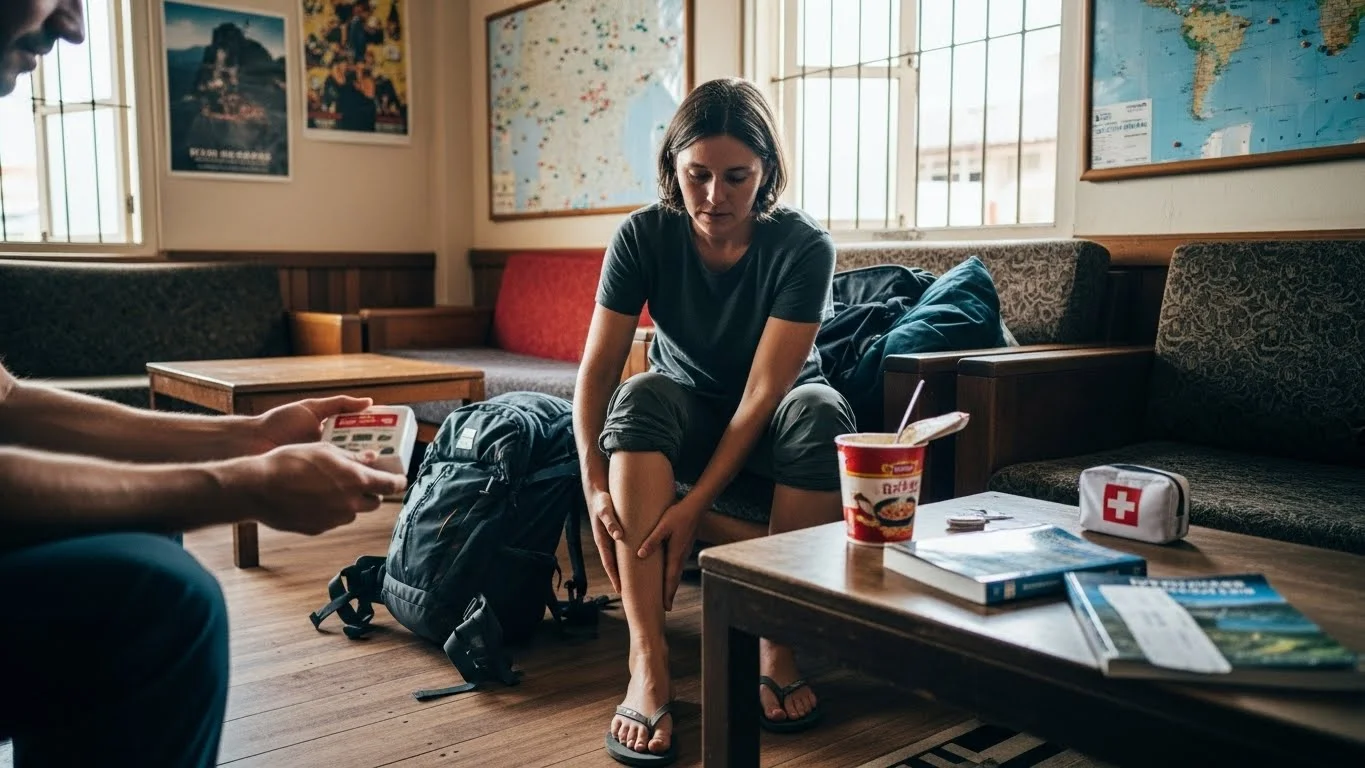
Understanding Sports Accidents While Traveling
When I think about traveling for sports, the thrill of the game and the excitement of new places come to mind. However, I’ve learned that it’s crucial to understand the risks involved. Sports accidents can happen to anyone, anywhere, and being prepared can save you a lot of trouble down the road. Let’s dive into what sports accidents are and how we can be ready for them.
Types of Sports Accidents
Sports accidents can vary widely, and knowing the types can help us prepare better. I remember when I was hiking in the Rockies, I slipped and twisted my ankle. It made me realize that accidents can happen even when you think you’re being careful. Here are some common types of sports accidents I’ve encountered:
- Falls: Whether you’re skiing, biking, or hiking, falls are one of the most frequent accidents.
- Collisions: These can occur in team sports like soccer or basketball, often leading to injuries like sprains or fractures.
- Overexertion: I’ve pushed myself too hard while running and ended up with cramps or strains.
- Equipment Failure: Sometimes, gear doesn’t work as it should. I once had a bike brake fail, which led to a nasty spill.
Common Causes of Sports Accidents
Understanding the causes of sports accidents can help us avoid them. From my experience, several factors often play a role:
- Inadequate Training: Jumping into a sport without proper training can lead to accidents. I’ve learned the hard way that it’s important to prepare.
- Poor Weather Conditions: Rain, snow, or even extreme heat can increase the risk of accidents. I always check the weather before heading out.
- Distraction: Whether it’s your phone or just not paying attention, distractions can cause serious accidents. I try to stay focused during activities.
- Inexperienced Participants: When you’re playing with others, their lack of skill can sometimes lead to accidents. I make sure to assess the group before starting an activity.
Statistics on Sports Accidents in Travel
Statistics can be eye-opening. I was surprised to learn that according to the National Safety Council, millions of people visit emergency rooms every year due to sports-related injuries. While I was on a trip to Costa Rica, I heard stories about tourists getting hurt while surfing, which only reinforced the importance of being careful. Recognizing that the risk is real encourages me to take preventive measures. It’s not just about the thrill; it’s about staying safe while enjoying the experience.
Preparing for Sports Activities on a Budget
Now that we understand the risks, let’s talk about how to prepare for sports activities without breaking the bank. I’ve found that with a little research and planning, we can enjoy our favorite sports without spending a fortune.
Researching Safe Sports Options
Before I travel, I always do a bit of research on the sports available at my destination. For instance, I once went to a small town in Vermont for a ski trip. I discovered that they had great beginner lessons, which made me feel more secure about hitting the slopes. It’s important to know what’s available and what’s safe. I recommend looking for local clubs or groups that offer rentals and lessons, as they often provide a safer environment for beginners. Read Interesting article: How to Ensure Safety During Recreational Activities Abroad
Budget-Friendly Sports Gear and Equipment
When traveling, I’ve learned that investing in proper gear is essential, but it doesn’t have to be expensive. Many destinations offer rental services for equipment, which can save us from lugging heavy gear around. For example, when I went kayaking in Florida, renting a kayak was much cheaper than buying one and ensured I had a quality boat that was safe to use. Additionally, searching online marketplaces or local thrift stores can yield great deals on gear.
Choosing the Right Destination for Sports
Choosing the right destination can make a huge difference in our experience and safety. Places with a good reputation for sports can provide better facilities and instructors. I once chose a beach destination known for its surf schools, and it was great! The instructors emphasized safety, and I felt comfortable learning. It also helped that the area was equipped with lifeguards, which gave me peace of mind while catching waves.
In these planning stages, I’ve realized that a little foresight can go a long way in helping us enjoy sports safely and affordably while traveling. By being aware of the types of accidents, their causes, and preparing wisely, we can minimize risks and maximize enjoyment during our sports adventures.
Essential Safety Tips for Travelers
As we prepare for our sports adventures, I believe it’s crucial to have a solid set of safety tips in our back pocket. When I think about my experiences, I often wish I had known certain things beforehand that could have kept me safer and more relaxed while enjoying my favorite activities. Here are some essential safety tips that I’ve gathered over the years.
Wearing Proper Safety Gear
One of the best lessons I learned was the importance of wearing the right safety gear. I remember a day spent biking along a scenic trail, and even though I was cautious, I neglected to wear my helmet. Thankfully, nothing happened, but it showed me how vital it is to prioritize safety. Depending on the sport, proper gear can include helmets, knee pads, life jackets, or even proper footwear. I always invest in good-quality gear that fits well, which has made a difference in my confidence and safety while participating in various sports. I recommend checking local regulations, as many places require specific gear for safety.
Understanding Local Regulations and Laws
Before diving into any sports activity, it’s wise to familiarize ourselves with local regulations. I’ve encountered situations where I was unsure of the rules, especially when trying out new sports in different regions. For instance, when I went rock climbing in a national park, I discovered that there were specific routes designated for different skill levels and regulations concerning equipment usage. Respecting these laws not only keeps us safe but also helps protect the environment. I always take a few minutes to read up on local laws, and I’ve found that it enhances my experience by keeping things organized and safe.
Staying Aware of Environmental Hazards
When I travel for sports, I’ve realized that the environment plays a massive role in safety. Each place has unique hazards, whether it’s rough terrain, changing weather conditions, or wildlife encounters. I once went kayaking in a remote area and was shocked by how strong the current was. I had to adjust my plans to stay safe. Before I start any activity, I make it a point to assess the surroundings and stay informed about any warnings. I also talk to locals or instructors about potential hazards, as they often have valuable insights. This proactive approach has helped me avoid dangerous situations.
First Aid and Emergency Response
Despite our best efforts, accidents can still happen. When I found myself in a situation where I had to deal with an injury, I understood the importance of being prepared for emergencies. Knowing how to respond quickly can make a significant difference. Here’s what I’ve learned about first aid and emergency response while traveling for sports.
Basic First Aid for Common Injuries
Having a basic understanding of first aid can be a lifesaver—literally! I took a first aid course a few years ago, and I still refer to the skills I learned. Common sports injuries include sprains, strains, cuts, and bruises. For example, when I sprained my ankle during a hike, I used the RICE method (Rest, Ice, Compression, Elevation) to manage the pain. I always carry a small first aid kit with essentials like adhesive bandages, antiseptic wipes, and pain relievers. It’s a simple step that makes me feel more secure when exploring new places. Read Interesting article: Essential First Aid Kits for Kids: A Parent’s Guide
Finding Medical Facilities While Traveling
Knowing where to find medical help is another crucial aspect of traveling for sports. I’ve had moments when I needed assistance, and it helped to have a plan. I usually research the nearest hospitals or clinics before going on a trip. For instance, when I went mountain biking in a remote area, I marked a medical facility on my map just in case. Plus, I’ve found that some resorts or sports facilities have on-site medical staff, which can be a lifesaver in emergencies. Having this information readily available allows us to act quickly if something goes wrong.
Emergency Contact Information and Insurance
Lastly, I can’t stress enough the importance of having emergency contact information and travel insurance. I always keep a list of emergency contacts, including family and local emergency services, in my phone and wallet. Travel insurance is another safety net I’ve learned to prioritize. It can cover unexpected medical expenses, and knowing that I have this safety net gives me greater peace of mind while traveling. I recommend checking your policy thoroughly to understand what’s covered, as it varies by provider.
By following these safety tips, I’ve managed to enjoy my sports adventures while minimizing risks. Preparing ourselves with knowledge, skills, and the right mindset can turn potential accidents into manageable situations, allowing us to focus on the joy of our activities.
Handling Accidents: What to Do Immediately
Even with all the precautions I take, accidents can still happen. In those moments, knowing what to do can make a huge difference. I’ve learned that staying calm and focused is key. Here are the steps I take when faced with an accident during my travels.
Assessing the Situation and Your Health
The first thing I do after an accident is to assess the situation. I find it essential to remain as calm as possible. I remember a time when I tripped while hiking and felt a sharp pain in my knee. Instead of panicking, I took a deep breath and checked for any visible injuries. I asked myself questions like, “Can I move?” and “Is there anyone around who can help?” It’s crucial to evaluate your health first. If I could move without severe pain, I would do a quick self-check of my body for any other injuries. If I was incapacitated, I would stay still and call for help. I’ve found that knowing my limits helps me make better decisions in these stressful moments.
Documenting the Incident for Insurance
After ensuring my safety and that of others, I focus on documenting the accident. I’ve learned the hard way that having evidence can be helpful when dealing with insurance claims. Taking photos of the scene, my injuries, and any other relevant details has proven invaluable. I remember when I had a minor collision while cycling; I quickly pulled out my phone and snapped pictures of the road conditions, my bike, and even the other party involved. If possible, I also gather contact information from witnesses. This step might feel tedious, but it has saved me a lot of stress in the long run.
Seeking Help From Local Authorities
Once I’ve documented the incident, I don’t hesitate to seek help from local authorities if needed. Depending on the severity of the situation, this could mean calling an ambulance or reporting the accident to local law enforcement. I learned this lesson during a surfing trip when I witnessed a serious accident. I immediately called for an ambulance and provided as much information as I could. I remember how important it was to inform them about the exact location and nature of the injuries. In my experience, local authorities are often familiar with the area and can get help to you faster.
Budget-Friendly Medical Care Options
Dealing with an injury while traveling can be daunting, especially when considering medical expenses. I’ve had to navigate this myself, and I’ve found a few strategies that can help keep costs down without sacrificing care.
Using Travel Insurance Wisely
One of the best investments I’ve made is travel insurance. I always make sure to read the fine print to understand what’s covered. For instance, I remember getting injured during a skiing trip, and my insurance covered the medical expenses, which relieved a lot of stress. Knowing that I had that safety net allowed me to focus on healing rather than worrying about costs. If you have travel insurance, don’t hesitate to call them for guidance on how to proceed after an accident. They can help coordinate your care and ensure you’re covered.
Negotiating Medical Costs
If you find yourself in need of medical care, I’ve discovered that don’t shy away from discussing costs upfront with healthcare providers. I had an experience in a small clinic in Mexico where I needed treatment for a minor injury. I asked about the prices before receiving any service, and the staff was understanding. They offered me a fair rate, and I was able to pay in cash, which often comes with discounts. Being upfront about needing to stick to a budget can go a long way in ensuring you receive the necessary care without breaking the bank.
Local Clinics vs. Hospitals: Pros and Cons
When it comes to seeking medical attention, knowing the difference between local clinics and hospitals can help me make the best choice. I usually opt for a local clinic for minor issues, as they tend to be more affordable and quicker. For example, when I had a small cut while kayaking, I visited a nearby clinic instead of a hospital, and I was in and out in no time. On the flip side, hospitals are better suited for serious injuries or emergencies. I’ve learned to assess my situation and choose the option that aligns with my needs and budget. It’s all about weighing the pros and cons in that moment.
By being prepared and informed, I feel more confident about handling accidents while traveling. It’s essential to know what steps to take immediately after an incident, how to manage medical care efficiently, and keep costs in check. These insights have helped me enjoy my travels even more, knowing I can handle unexpected situations effectively.
Preventing Future Accidents While Traveling
As I’ve reflected on my sports travels, I’ve come to realize that learning from our experiences can significantly reduce the chances of future accidents. Each trip has taught me something valuable, and I believe that we can prevent mishaps by applying those lessons. Here are some strategies I’ve found effective for minimizing risks on my adventures.
Learning from Your Experience
One of the first steps I take in preventing future accidents is to analyze my past experiences. I remember a time when I didn’t stretch properly before a long hike, leading to muscle soreness that affected my entire trip. Since then, I’ve made it a habit to incorporate a warm-up routine before any physical activity. I also keep a travel journal where I jot down my experiences, noting what went well and what didn’t. This reflection helps me identify patterns and areas for improvement, allowing me to be more prepared for my next adventure.
Participating in Safety Workshops or Briefings
Whenever I travel to a new destination, I search for any safety workshops or briefings offered. I attended a surfing safety workshop before hitting the waves in Hawaii, and it was one of the best decisions I made. Not only did I learn about proper techniques and safety measures, but I also gained insight into local conditions and potential hazards. These workshops often provide hands-on experience and are usually led by experts familiar with the area. I highly recommend looking into these opportunities; they can greatly enhance our understanding of how to stay safe while enjoying sports.
Staying Informed About Local Sports Safety Practices
Each location has its own unique set of safety practices, and I’ve learned that staying informed can make a big difference. I remember when I went rock climbing in a new area. I spoke with local climbers who shared their knowledge of the best routes and any specific hazards to watch for. I also found online forums and local sports clubs that provided useful safety tips. Engaging with locals not only enhances our experience but also keeps us aware of the best safety practices in that region. This proactive approach has helped me feel more confident and prepared on every trip.
Final Thoughts
Traveling for sports can be one of the most rewarding experiences, filled with adventure and excitement. However, it’s essential to face the realities of sports accidents and take steps to mitigate risks. From understanding the types of accidents to preparing for emergencies, I’ve learned that knowledge and preparation can transform potentially dangerous situations into manageable ones. By reflecting on our experiences, participating in safety workshops, and staying informed about local practices, we can truly enjoy our sports adventures while keeping ourselves safe and sound. Whether it’s a weekend getaway or an extended trip, let’s embrace the thrill of sports travel with confidence and caution.
Frequently Asked Questions
What are some common types of sports accidents that can occur while traveling?
Common types of sports accidents include falls, collisions, overexertion, and equipment failure. Falls are frequent in activities like skiing, biking, or hiking, while collisions often occur in team sports. Overexertion can lead to cramps or strains, and equipment failure can result in injuries, as experienced when gear doesn’t work properly.
What causes sports accidents while traveling?
Several factors contribute to sports accidents, including inadequate training, poor weather conditions, distractions, and inexperienced participants. Being unprepared or distracted can significantly increase the risk of accidents.
How can I prepare for sports activities on a budget while traveling?
To prepare for sports activities on a budget, research safe sports options available at your destination, consider renting gear instead of purchasing it, and choose destinations known for their good sports facilities and instructors.
What essential safety tips should I follow while participating in sports during travel?
Essential safety tips include wearing proper safety gear, understanding local regulations and laws, staying aware of environmental hazards, and having basic first aid knowledge. It’s important to prioritize safety and be prepared for emergencies.
What steps should I take immediately after experiencing a sports accident while traveling?
After a sports accident, assess the situation and your health, document the incident for insurance purposes, and seek help from local authorities if necessary. Staying calm and focused is crucial during these moments.
How can I find medical facilities while traveling for sports?
Before traveling, research the nearest hospitals or clinics, and mark their locations on your map. Some resorts or sports facilities may also have on-site medical staff, which is helpful in emergencies.
What should I know about travel insurance when it comes to sports accidents?
Travel insurance is essential as it can cover unexpected medical expenses. Always read the fine print to understand what is covered and don’t hesitate to contact your insurance provider for guidance after an accident.
How can I negotiate medical costs if I need treatment while traveling?
When seeking medical care, be upfront about your budget and discuss costs with healthcare providers before receiving services. Many clinics are willing to offer fair rates, especially if you are paying in cash.
What are the pros and cons of local clinics versus hospitals for medical care while traveling?
Local clinics are often more affordable and quicker for minor issues, while hospitals are better suited for serious injuries or emergencies. Assessing your situation can help you choose the best option for your needs and budget.
How can I prevent future sports accidents while traveling?
To prevent future accidents, analyze past experiences, participate in safety workshops, and stay informed about local sports safety practices. Engaging with locals can provide valuable insights and enhance your safety awareness.