
Traveling with toddlers can be a joy and a challenge all wrapped into one. Helping little ones navigate their emotions during these adventures is key to making the experience enjoyable for everyone. Traveling with Toddlers: Boost Emotional Regulation Skills can provide helpful insights for parents.
Understanding Toddler Emotions
The Development of Emotional Regulation in Toddlers
As I’ve journeyed through parenthood, I’ve come to realize just how complex toddler emotions can be. It’s fascinating to see how toddlers develop their feelings and learn to manage them. At this stage, they are just beginning to understand their emotions, which means they might feel overwhelmed at times. I think it’s important to remember that emotional regulation is a skill that takes time to develop.
From my experience, toddlers often feel big emotions but struggle to express them verbally. They might feel joy, frustration, sadness, or excitement, but instead of articulating these feelings, they may resort to crying or tantrums. I noticed that during our travels, these emotions can be amplified by new environments and experiences. Recognizing that toddlers are still learning to navigate their emotional landscape helped me approach situations with more compassion and patience.
Common Emotional Challenges During Travel
Traveling can introduce a whole new set of emotional challenges for toddlers. I’ve seen my little one’s mood shift dramatically when faced with long waits, unfamiliar places, or changes in routine. One of the biggest challenges I faced was during air travel. The airport’s noise and crowds can be overwhelming for a toddler, making them anxious or irritable. Similarly, the anticipation and excitement of a trip can quickly turn to frustration if things don’t go as planned.
Another common challenge is the disruption of their daily routine. Toddlers thrive on structure, and when that’s taken away, it can lead to meltdowns. I remember a road trip where my son’s usual nap schedule was thrown into chaos. The result? A very cranky toddler who struggled to cope with the long hours in the car. It’s crucial to be aware of these challenges and prepare for them, as it can make all the difference in how our little ones react. Essential Tips for Emotional Regulation in Toddler Travelers can be quite beneficial in this regard.
Preparation Before Traveling
Choosing the Right Destination for Toddlers
Choosing a destination can set the tone for your trip. I’ve learned that some places are more toddler-friendly than others. For instance, we once visited a city with lots of parks and kid-friendly attractions. This not only kept my toddler entertained but also provided ample opportunities to take breaks and manage energy levels. I recommend selecting destinations with activities suitable for toddlers, as this can make the experience enjoyable for everyone.
Setting Realistic Expectations and Goals
Before embarking on a trip, I’ve found it helpful to set realistic expectations. I learned the hard way that trying to stick to a packed itinerary with a toddler in tow often leads to stress. Instead, I now prioritize a few key activities each day and leave room for spontaneity. This way, we can enjoy our time without feeling rushed or overwhelmed. I think it’s important to remember that sometimes the best moments happen off the beaten path, and allowing for flexibility can lead to wonderful surprises.
Packing Comfort Items for Emotional Support
Packing comfort items can be a game changer when it comes to helping toddlers manage their emotions while traveling. I always make sure to bring along my toddler’s favorite blanket, stuffed animal, or even a beloved toy. These items can provide a sense of security in unfamiliar environments. I remember a time when we were stuck in a long airport delay, and having his favorite stuffed animal helped soothe my son’s anxiety. It’s a simple, yet effective way to help them feel safe and secure.
Discussing the Travel Plans with Your Toddler
One of the best tips I can share is to involve your toddler in the travel plans. Even at a young age, they can grasp the basics of what to expect. I like to talk about our trips in advance, using simple language and visuals, like picture books or maps. I’ve found that when toddlers know what to expect, they’re more likely to feel excited rather than anxious. For instance, explaining that we’ll be flying on an airplane or visiting a zoo can build anticipation and help them feel more involved in the experience.
Traveling by Different Modes of Transportation
Air Travel: Managing Emotions in Airports and Airplanes
Air travel can be particularly challenging for toddlers. I remember my first experience flying with my little one; I was both excited and anxious. The airport’s hustle and bustle can be overwhelming for a small child. I noticed that the noise, long lines, and waiting areas filled with strangers can heighten anxiety. To combat this, I found it helpful to create a game plan. Before our trip, we practiced what to expect at the airport. We talked about the check-in process, security checks, and boarding the plane. I even showed him videos of airplanes taking off and landing, which helped him visualize the experience.
During the flight itself, I made sure to pack a small bag of surprises—new coloring books, stickers, and snacks. These little distractions can work wonders. I often found that engaging my toddler in activity after activity kept his mind off the unfamiliarity of flying. I also learned to embrace the idea of taking breaks during the flight. If my child started to feel restless, we would stand up, walk around the cabin (with the flight crew’s permission, of course), and let him stretch his legs. I think it’s all about finding that balance between keeping them entertained and allowing them to express any discomfort they may feel.
Road Trips: Keeping Toddlers Engaged and Calm
Road trips have their own set of adventures, and I’ve had my share of ups and downs on the road with my toddler. One key lesson I’ve learned is to plan for frequent stops. I remember one long road trip where we tried to push through without breaks, and it ended up being a recipe for a meltdown. Now, I make sure to map out several rest stops along the way. These breaks give my little one a chance to run around, stretch, and burn off some energy, which tends to keep the mood light.
I also like to incorporate fun games we can play in the car. For example, we play “I Spy” or sing along to our favorite songs. If your toddler is a little older, you can create a simple travel bingo game using items you might see out the window. Keeping them engaged not only distracts from the long hours but also creates memories we can laugh about later. Snacks are also a huge hit. I keep a stash of healthy snacks and some fun treats to make the journey feel special. It’s amazing how a little treat can turn a frown upside down.
Train Travel: Creating a Comfortable Environment
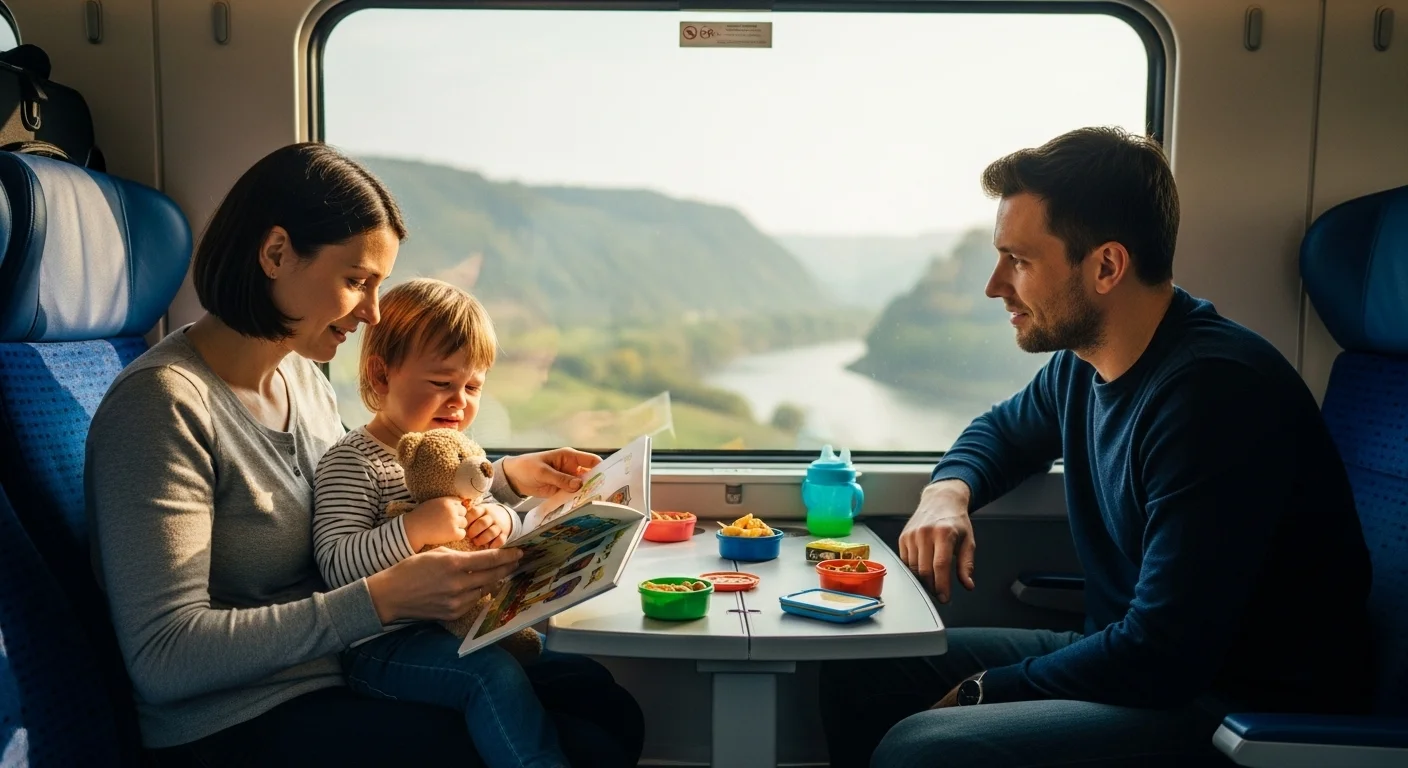
Train travel, in my opinion, can be one of the most relaxing ways to journey with toddlers. I love the spaciousness and the freedom to walk around. However, I’ve learned that preparation is still essential. Bringing along a familiar blanket or a favorite toy can help create a cozy environment for my little one. I like to choose seats near the windows; watching the scenery zoom by can be quite captivating for young minds. I remember one trip where my son was completely mesmerized by the passing fields and hills.
During train journeys, I also try to establish a mini-routine. For instance, we might have snack time, followed by a story, and then some coloring. This routine allows my toddler to know what to expect and helps keep him settled. I’ve found that maintaining a sense of predictability, even in the midst of travel, provides comfort. Additionally, if the train has a dining car, we often take a break there. It’s an exciting change of scenery and gives my toddler a chance to explore a bit more. Each of these little steps helps manage their emotions and makes traveling a much more enjoyable experience.
Strategies for Emotion Regulation During Travel
Establishing Routines to Provide Security
One of the most effective strategies I’ve found for helping my toddler manage emotions while traveling is establishing routines. Just like at home, toddlers thrive on predictability. I remember a family trip where we tried to keep some aspects of our usual routine intact, such as snack time and naptime. For example, we would always have a small snack break after visiting a new attraction, which helped my little one know what to expect. This routine not only provided comfort but also made it easier for my child to transition from one activity to another. It’s amazing how the familiar can provide a sense of security, even in new environments.
Using Distraction Techniques Effectively
Distraction can be a powerful tool during travel. I’ve learned that when my toddler starts to feel overwhelmed, redirecting their attention can often help diffuse the situation. On a recent trip, when we were in a crowded place, I pulled out a small toy or a fun app on my phone to bring back the smiles. I found that engaging my toddler in simple games, like counting the number of red cars we see or spotting animals, not only calmed them but also made our journey more enjoyable. I think it’s all about finding the right distraction that fits the moment, whether it’s a song, a game, or simply pointing out interesting sights along the way. Navigating Emotional Regulation for Toddlers on the Go can offer additional strategies.
Implementing Breathing Exercises for Calmness
Though it may sound a bit advanced for toddlers, I’ve had some success with simple breathing exercises. I remember reading about how deep breathing can help reduce anxiety, so I decided to give it a try. When my toddler started feeling anxious, I would model taking deep breaths and encourage him to join in. We would take a big breath in through our noses and then blow it out like we were blowing out candles on a cake. I could see the calming effect it had on him, and it became a little ritual we used throughout our travels. I think teaching them these skills early on can be beneficial, and it’s a great way to bond in the process.
Recognizing and Validating Your Toddler’s Feelings
Recognizing and validating my toddler’s feelings has become a crucial part of our traveling experience. I’ve found that acknowledging their emotions can really help. For instance, if my toddler was upset about leaving a fun place, I would crouch down to their level and say something like, “I know you’re sad to leave the park. It was so much fun!” This simple act of validation seemed to help them feel understood and less alone in their feelings. I believe that when toddlers feel heard, they are more likely to calm down and move on. It’s a small but powerful way to connect with them during what can sometimes be overwhelming experiences.
Activities to Help Toddlers Cope with Travel Stress
Interactive Games and Toys for Engagement
Keeping my toddler engaged during travel is essential for a smooth experience. I always pack a small selection of interactive games and toys. From my experience, things like magnetic travel games or simple puzzles can keep little hands busy for a while. On a recent train trip, I brought along a travel-friendly board game that we could play together. It not only distracted my toddler but also allowed us to bond during the journey. I recommend finding toys that are lightweight and easy to pack but can hold a toddler’s attention.
Storytelling and Reading as Emotional Outlets
Storytime has become a cherished part of our travel routine. I’ve noticed that reading books provides not only entertainment but also a way for my little one to express emotions. I always pack a couple of their favorite books, and during downtime, we snuggle up and read together. Sometimes, I even encourage my toddler to tell their own stories, which can be hilarious and heartwarming. This not only keeps them engaged but also helps them process their feelings through the characters and scenarios we read about.
Creative Activities: Drawing and Coloring
Art has always been a fantastic outlet, and I’ve found that bringing along some coloring supplies can be a lifesaver during travel. I pack a small sketch pad and a set of crayons or markers. I remember one flight when my toddler was feeling fidgety, and I handed them the coloring supplies. They got lost in their imagination, creating little masterpieces that kept them busy for a good chunk of the flight. It’s a wonderful way for them to express themselves and can often serve as a calming activity. Plus, these art pieces can serve as precious mementos from our travels.
Dealing with Meltdowns and Tantrums
Identifying Triggers for Emotional Outbursts
One of the most important things I’ve learned while traveling with my toddler is to identify the triggers that lead to emotional outbursts. It can be anything from hunger and tiredness to frustration with a new situation. I remember one trip where my son threw a tantrum as we waited in a long line at an amusement park. Looking back, I realized he was hungry and tired after a busy morning. Understanding these triggers has helped me prepare better. Now, I always keep snacks handy and we try to plan downtime to avoid meltdowns. It’s amazing how much a little forethought can change the mood of our travels.
Techniques for Calming a Distressed Toddler
When emotions do run high, having a toolkit of calming techniques is essential. I’ve found that gentle reassurance can work wonders. For instance, during one particularly stressful moment in a crowded place, I knelt down to my son’s level and spoke softly to him, reminding him that it was okay to feel upset. I also found that physical comfort, like hugging or holding his hand, helped to soothe him. Another effective technique I’ve discovered is to use a calm voice and give simple choices, like, “Would you like to sit down or walk for a bit?” This not only distracts him but gives him a sense of control over the situation.
When to Take Breaks: Listening to Your Toddler’s Needs
Recognizing when it’s time to take a break is something I’ve come to appreciate. There were times when I pushed through a schedule, thinking it would be fine, only to end up with a cranky toddler. Now, I’ve learned the importance of listening to my child’s cues. If he seems restless or irritable, we take a breather. Whether it means finding a quiet corner to relax or stepping outside to get some fresh air, these breaks can be vital. I remember one day during a long day of sightseeing when we decided to have a picnic in the park. It turned out to be one of the highlights of our trip and helped recharge our spirits.
Post-Travel Emotional Support
Reflecting on the Trip Together
Once the trip is over, I think it’s important to take time to reflect on our experiences together. I often sit down with my son and talk through what we did during our travels. I ask him about his favorite moments and what he enjoyed the most. This not only helps him process the trip but also reinforces positive feelings. I remember one time, he shared how much he loved feeding the ducks at a park, and that moment became a cherished memory we still talk about. It’s a great way to bond and helps solidify those happy experiences in his mind.
Reinforcing Positive Experiences from the Journey
After returning home, I find it helpful to keep the excitement of our trip alive. We often create a scrapbook or a photo album together, where we can look back at our adventures. This not only serves as a fun activity but also helps my toddler feel proud of the experiences we shared. I’ve noticed that discussing the fun moments or even silly things that happened during our travels reinforces positive connections and helps him look forward to future trips.
Maintaining Routine After Travel
Finally, maintaining some semblance of routine after travel is crucial for emotional well-being. After a busy trip, I make it a point to get back to our regular schedule as soon as possible. This includes meal times, playtime, and bedtime routines. I’ve found that consistency provides comfort and helps my toddler readjust after the excitement of traveling. It’s comforting for him to return to the familiar, and I think it helps ease any lingering travel fatigue.
Final Thoughts
Traveling with toddlers can be a delightful yet demanding experience. I’ve learned that understanding their emotions, preparing properly, and engaging in meaningful activities make all the difference. It’s about nurturing their feelings while creating lasting memories together. I believe that every trip, whether perfect or filled with challenges, offers valuable lessons for both us and our little ones. As we embark on new adventures, I look forward to using the strategies we’ve developed along the way to ensure everyone stays happy and engaged. Ultimately, it’s those little moments of joy and connection that make traveling with toddlers truly rewarding.
Frequently Asked Questions
What are some common emotional challenges toddlers face during travel?
Toddlers may experience mood shifts due to long waits, unfamiliar places, and changes in routine. The airport’s noise and crowds can heighten their anxiety, and disruptions to their daily routine can lead to meltdowns.
How can I prepare my toddler for travel?
Preparation can include choosing toddler-friendly destinations, setting realistic expectations, packing comfort items like favorite toys, and discussing travel plans with your toddler using simple language and visuals.
What strategies can help manage a toddler’s emotions during air travel?
Establish a game plan before the trip, practice what to expect at the airport, pack distractions like coloring books and snacks, and allow breaks during the flight to stretch legs and move around.
What should I do to keep a toddler engaged during a road trip?
Plan for frequent stops to let toddlers burn off energy, incorporate fun games like “I Spy” or travel bingo, and keep snacks handy to make the journey enjoyable.
How can routines help toddlers during travel?
Maintaining routines, such as snack time and naptime, provides predictability and comfort for toddlers, helping them transition smoothly between activities during travel.
What are some effective distraction techniques for toddlers in stressful situations?
Redirecting attention through games, toys, or interesting sights can help calm toddlers. Engaging them in counting games or singing can also diffuse overwhelming moments.
How can breathing exercises benefit toddlers during travel?
Simple breathing exercises can help reduce anxiety. Modeling deep breathing and encouraging toddlers to join in can create a calming effect during stressful moments.
What should I do when my toddler has a meltdown while traveling?
Identify triggers like hunger or tiredness, use gentle reassurance, offer physical comfort, and give simple choices to help them regain a sense of control over the situation.
How can reflecting on the trip together help my toddler after travel?
Discussing the trip and favorite moments reinforces positive feelings and helps toddlers process their experiences, creating cherished memories that can be recalled later.
Why is it important to maintain a routine after traveling?
Returning to a regular schedule after travel helps provide comfort and emotional well-being for toddlers, easing any lingering travel fatigue and reinforcing familiarity.