
Introducing solid foods to your little one can feel overwhelming, especially when you’re trying to keep costs down. Don’t worry; I’m here to share some insights and tips that will make this transition smooth and budget-friendly!
Understanding the Importance of Introducing Solid Foods
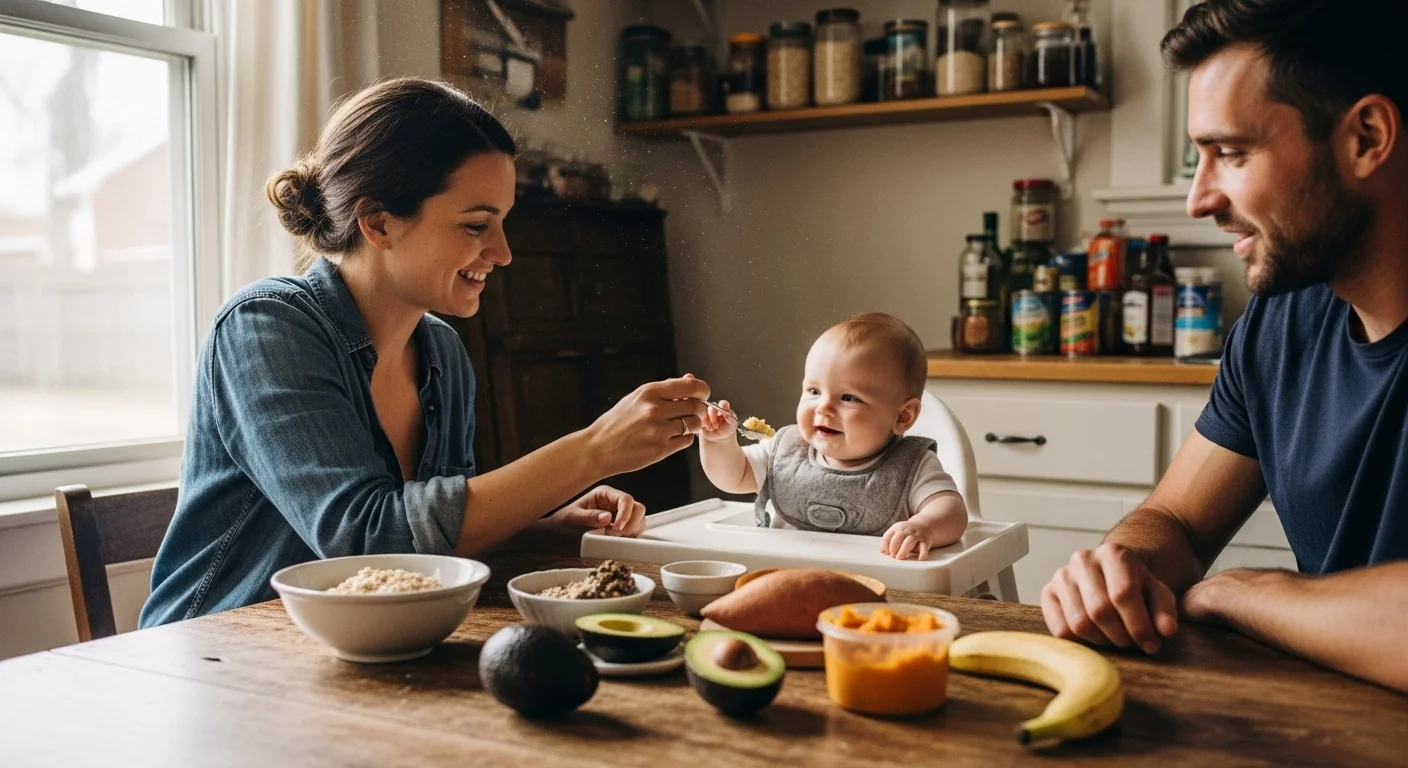
When I first started thinking about introducing solid foods to my baby, I felt a mix of excitement and anxiety. It felt like a huge milestone, marking the transition from a liquid diet to something more varied and nutritious. As I learned more about it, I realized there’s so much to consider, not just in terms of nutrition but also in ensuring it’s an enjoyable experience for both of us.
Benefits of Solid Foods for Infants
Introducing solid foods is not just about feeding your baby; it’s about giving them the nutrients they need to grow strong and healthy. I discovered that solid foods play a critical role in a child’s development. They help in developing chewing skills and can introduce different flavors and textures, which is essential for their palate. I noticed that watching my baby explore new tastes was such a delightful experience. Plus, solids can help them feel fuller longer, which can lead to better sleep for both baby and parents!
Moreover, introducing a variety of solid foods early on can help reduce picky eating later in life. I remember reading about how exposure to different flavors can make a difference, so I aimed to expose my baby to a range of fruits, vegetables, and grains. I wanted to create a positive eating environment, which I believe will benefit my child for years to come.
Signs Your Baby is Ready for Solid Foods
Before diving into solid foods, it was important for me to learn the signs that my baby was ready. I found that most babies are ready for solids around six months, but there are specific signs to look for. For instance, if your baby can sit up with minimal support and shows interest in your food, those are good indicators. I remember the first time my baby reached for my plate; it was such an adorable moment!
Other signs include being able to hold their head up steadily and showing an interest in chewing or mimicking eating motions. I often caught my baby watching me eat with wide eyes, and it felt like the perfect time to start. It’s essential to trust your instincts and your baby’s cues; they’ll let you know when they’re ready!
Cost-Effective Strategies for Introducing Solid Foods
Once I felt confident about the timing, the next step was figuring out how to introduce solids without breaking the bank. I quickly learned that with a little planning and creativity, it’s totally possible to keep costs low while providing nutritious meals for my baby.
Planning Your Baby’s First Meals on a Budget
When it comes to planning, I found that making a simple meal plan helped immensely. It didn’t have to be elaborate; just a list of what I wanted to introduce each week. I focused on simple meals that combined different food groups, which not only kept things interesting but also made shopping easier. I remember jotting down ideas like mashed bananas, pureed carrots, and oatmeal, which became staples in our kitchen.
Sticking to a plan allowed me to avoid impulse buys at the grocery store and keep track of what I needed. I also made sure to keep a running list of new foods to try, which helped keep me organized and excited about each new meal.
Homemade Baby Food vs. Store-Bought Options
One significant decision I faced was whether to make homemade baby food or buy store-bought. I quickly leaned towards making my own. Not only was it more cost-effective, but it also felt satisfying to know exactly what my baby was eating. I started with simple purees, and I was surprised at how easy it was! I felt like a superhero every time I whipped up a new batch.
While store-bought options can be convenient, I realized they often come with a higher price tag and sometimes have added sugars or preservatives. I occasionally bought them for travel days or outings, but I generally preferred the homemade route. It made me feel more involved in my baby’s nutrition journey, and I believe that connection made a difference.
Buying in Bulk: Saving Money on Ingredients
Another tip that saved me money was buying ingredients in bulk. I discovered that purchasing larger quantities meant lower prices per unit. Whether it was rice, oatmeal, or frozen fruits and vegetables, buying in bulk allowed me to stock up and save over time. I remember making trips to warehouse clubs and feeling like I was preparing for battle with all my grocery bags!
Frozen fruits and veggies are especially great; they’re often just as nutritious as fresh ones and can be stored for longer. I found that having a variety of frozen options on hand made it easier to whip up meals quickly, which was a lifesaver during busy days. I also tried to team up with friends to buy in bulk and split costs, which was a win-win!
Essential Ingredients for Homemade Baby Food
As I dove deeper into making homemade baby food, I realized that choosing the right ingredients was crucial for both nutrition and budget. I started to focus on a few essential items that were not only cost-effective but also packed with nutrients. Here’s what I discovered about the best ingredients to use for my baby’s first meals.
Fruits: Affordable Options for Baby Food
Fruits became a staple in our baby food lineup. I found that most fruits are not only nutritious but also naturally sweet, which made them appealing to my little one. Bananas became my go-to because they’re soft, easy to mash, and quite inexpensive. If I bought a bunch, I could use them over several days without worrying about spoilage.
Apples and pears were also fantastic. I learned that simple steaming and pureeing made them perfect for my baby’s palate. When I noticed sales on bulk apples, I bought a few bags, knowing I could easily make a big batch of applesauce. It felt great to have a healthy snack ready whenever my baby needed it. Plus, I loved how versatile fruits could be; I could mix them with oats or yogurt for variety.
Vegetables: Budget-Friendly Choices
Vegetables were another key component of our homemade baby food. I discovered that carrots, sweet potatoes, and peas were not only affordable but also packed with vitamins. I remember the first time I made pureed carrots; my kitchen smelled amazing, and the bright orange color was so inviting!
Buying whole vegetables like sweet potatoes was a game changer. They were filling and could be roasted or steamed, then blended into a smooth puree. I often bought a few at once and experimented with different combinations. Adding a little dash of cinnamon or nutmeg to sweet potatoes made them feel special and enjoyable. It’s amazing how just a little creativity can turn simple veggies into something delightful for both of us!
Grains and Proteins: Cost-Efficient Sources
Incorporating grains and proteins into my baby’s diet was essential, and I found many cost-effective sources. Oatmeal was one of my favorites. I purchased large bags of rolled oats, which were not only inexpensive but also super versatile. I could easily cook them down into a creamy cereal for breakfast or mix them into fruit purees for added texture and nutrition.
I also explored other grains like quinoa and brown rice. They provided essential nutrients and were easy to prepare in batches. I learned to cook a large pot of grains over the weekend and store them in the fridge for quick meals throughout the week. This made meal prep so much easier, and I felt good knowing I was providing a balanced diet for my baby.
When it came to proteins, I discovered that pureeing lentils or beans was a great way to introduce healthy options without spending too much. A little goes a long way, and they can be mixed with vegetables for a delicious meal. I often found myself making lentil purees that were packed with flavor and nutrition. These little changes made me feel empowered to provide the best for my baby while staying within budget!
Simple Recipes for Homemade Baby Food
After gathering my essential ingredients, I was eager to put them to good use. Experimenting with simple recipes made the process enjoyable and stress-free. Here are some easy recipes I created that quickly became favorites in our household.
Pureed Fruits: Step-by-Step Guide
Making pureed fruits was one of the simplest steps I took. For example, when I made banana puree, I just peeled a ripe banana, mashed it with a fork, and it was ready to serve! For apples, I’d peel, core, and chop them, then steam until soft before blending into a smooth puree. This could be stored in small containers for up to three days in the fridge, which was a huge plus!
Vegetable Purees: Easy Recipes to Try
Vegetable purees were also straightforward and rewarding. One of my favorite recipes was sweet potato puree. I’d peel and chop sweet potatoes, then steam them until they were tender. After blending with a bit of water or breast milk, the resulting puree was creamy and delicious. I remember my baby’s delighted expressions as they took their first bites!
Grain-Based Baby Foods: Oatmeal and Rice Cereal
For oatmeal, I’d cook rolled oats in water or formula until they were soft. I would then blend them to create a smoother texture, especially for those early feeding days. I even mixed in mashed fruits like bananas or peaches for added flavor and nutrition. Rice cereal was another easy option; I’d cook brown rice and blend it with water until it reached a smooth consistency. These grain-based meals provided essential energy for my little one.
As I continued exploring homemade baby food, I found that the possibilities were endless. Each new recipe reinforced my belief that introducing solids could be both healthy and budget-friendly. I felt a sense of pride knowing I was nourishing my baby with wholesome ingredients while saving money at the same time.
Tips for Meal Prep and Storage
Meal prepping became one of my favorite parts of introducing solids to my baby. I quickly realized that having a plan made life so much easier, especially on those busy days when time felt like a luxury. By preparing meals in advance, I was able to stay organized and ensure my little one always had nutritious options on hand. Here are some tips that worked well for me when it came to meal prep and storage!
Batch Cooking: Preparing Meals Ahead of Time
Batch cooking was a game changer for my schedule. I found that dedicating a couple of hours on the weekend to prepare baby food made my weekdays so much smoother. I would cook large quantities of purees and grains, storing them in portions for easy access later on. For example, I’d whip up a big batch of sweet potato puree and freeze it in individual servings. I remember the satisfaction of looking at my freezer, stocked with colorful containers of homemade goodness, ready to go whenever my baby needed a meal.
Additionally, I’d often prepare different combinations at once. One day, I made a mix of pureed carrots, peas, and oatmeal. This way, I could offer my baby a variety of flavors and textures without having to cook every day. Occasionally, I even turned it into a fun family activity, involving my partner in the cooking process. It became a bonding experience as we laughed and chatted while prepping meals for our little one.
Storage Solutions: Freezing and Refrigerating Baby Food
I learned that proper storage is key to keeping baby food fresh and safe. When I started making purees, I discovered that they could be stored in the refrigerator for about three days, but freezing them extended their life significantly. I often filled ice cube trays with purees, letting them freeze completely before popping them out into labeled freezer bags. This method allowed me to store small portions that I could easily thaw as needed. I remember the first time I pulled out a frozen cube of pear puree; it felt like I was unearthing a treasure!
Not only did this technique save space, but it also allowed me to mix and match different flavors. I could combine a few cubes of peas with a banana cube for a nutritious meal that was both filling and delicious. It felt great knowing I was minimizing waste while ensuring my baby got a balanced diet.
Using Ice Cube Trays and Containers Effectively
Ice cube trays became my best friends. They’re not just for making ice! I used them to portion out purees and even cooked grains. I found that silicone trays worked wonders because they made it easy to pop out the frozen food without any hassle. I’d fill the trays with different purees, and once frozen, I stored them in labeled plastic bags with dates so I wouldn’t lose track of what I had. This way, I could quickly grab a few cubes in the morning and thaw them for lunchtime.
In addition to ice cube trays, I also invested in some small, BPA-free containers. These were perfect for refrigerating leftovers or taking meals on the go. I remember packing a small container of pureed carrots during a day trip; it was so convenient to have a healthy meal ready for my baby while we were out and about. It really made me appreciate how easy meal prep could be when I had the right tools!
Overall, I discovered that with a bit of planning and creativity, meal prep and storage for baby food could be simple and enjoyable. Each batch I cooked and stored felt like a little victory, knowing I was providing my baby with the best nutrition while saving time and money. As we continued this journey, it became clear that these strategies would not only help my baby thrive but also give me peace of mind as a parent.
Shopping Tips to Save on Baby Food Ingredients
Seasonal Produce: When to Buy for the Best Prices
One of the things I learned while shopping for baby food ingredients is the value of seasonal produce. Buying fruits and vegetables that are in season not only helps you save money but also ensures that you’re getting the freshest options available. I remember the first time I filled my cart with strawberries in the summer; they were so sweet and affordable that I couldn’t resist making a big batch of strawberry puree!
Each season brings different produce, and I made it a point to study what was available in my area. For instance, I noticed that winter was a great time for sweet potatoes and squash, while spring brought fresh peas and asparagus. I would plan my meals around these seasonal offerings, which often led to delightful discoveries and kept our menu varied. This simple shift not only helped our budget but also brought a burst of flavor to my baby’s diet.
Local Farmers’ Markets: Finding Fresh and Affordable Options
Visiting local farmers’ markets became one of my favorite weekend activities. Not only was it a chance to support local farmers, but I also found that prices were often lower than at grocery stores. I loved the experience of picking out fresh produce while chatting with the vendors about their growing practices.
At these markets, I discovered unique varieties of fruits and vegetables that I might not find elsewhere. I remember being captivated by heirloom tomatoes and rainbow carrots, which added a fun twist to my baby’s food. Plus, buying directly from farmers allowed me to ask questions about their produce, and I felt good knowing exactly where my ingredients were coming from. It was a win-win for both my budget and my baby’s nutrition!
Coupons and Sales: Maximizing Your Savings
Another way I managed to save money was by keeping an eye out for coupons and sales. I started subscribing to newsletters from my favorite grocery stores, which often included coupons for baby food ingredients. I would sit down each week to check for any discounts, and I often planned my shopping list around those deals. It felt like a fun little challenge to save as much as I could!
Additionally, I learned to be flexible with my meal plans. If a certain item was on sale, I would adjust my menu to incorporate those ingredients. For example, if I found a sale on avocados, I’d make guacamole, which I could easily blend for my baby. These little strategies added up over time, making a noticeable difference in our grocery bills!
When to Transition to More Complex Foods
Signs Your Baby is Ready for Texture Changes
As my baby grew, I noticed signs that they were ready to explore more complex textures. Watching my little one eagerly try to chew on a piece of soft cucumber or a well-cooked pasta made me realize it was time to introduce new textures. I felt excited about this next phase of their culinary adventure!
Some signs I observed included my baby showing interest in what we were eating, reaching for food, and even attempting to feed themselves. I found that transitioning to mashed or finely chopped foods was a natural progression. I made sure to stay close during mealtime, as I was mindful of the new textures and potential choking hazards. It was both thrilling and nerve-wracking, but I knew my baby was ready for the next step!
Introducing New Food Groups Affordably
Introducing new food groups didn’t have to be expensive. I found that incorporating proteins, grains, and even small amounts of dairy could be done affordably. When my baby was ready for protein, I began with eggs, which are not only packed with nutrition but also budget-friendly. I would prepare scrambled eggs and mash them up for easy eating.
I also explored small servings of yogurt, which could be mixed with fruit purees for added flavor. This made for a nutritious snack that my baby loved. My approach was to keep it simple and focus on one new food at a time, allowing my baby to adjust to the flavors without overwhelming them.
Meal Planning for Older Infants and Toddlers
As my baby transitioned to more complex foods, meal planning became even more important. I started to incorporate meals that the whole family could enjoy, which saved time and effort. I would prepare dishes like vegetable stir-fries or pasta with sauce, making sure to set aside a portion for my little one before adding any spices or salt.
I remember the thrill of watching my baby explore different textures and flavors alongside us. It felt rewarding to see them grow more adventurous with food and develop their palate. Meal planning for older infants and toddlers meant being flexible and creative, and I discovered that leftovers could be transformed into new meals, minimizing waste while keeping things interesting!
Final Thoughts
Introducing solid foods to my baby has been an incredible journey filled with learning, creativity, and a few messes along the way! I’ve discovered that with a little planning and a focus on budget-friendly strategies, I could provide nutritious meals without overspending. Each new flavor and texture my little one experienced was a small victory, and I cherished those moments of discovery together.
As I continued this journey, I realized the importance of being adaptable and responsive to my baby’s needs. It’s okay to experiment and adjust along the way. Whether it’s discovering seasonal produce, finding great deals, or embracing new recipes, I learned that this experience could be both enjoyable and fulfilling. I hope that by sharing my experiences, other parents feel empowered to embark on this exciting path of introducing solid foods while keeping costs in check!
Let’s continue to support each other in this parenting adventure, making sure our little ones not only eat well but also develop a love for food that lasts a lifetime.
Frequently Asked Questions
“`htmlWhat are the benefits of introducing solid foods to my baby?
Introducing solid foods provides essential nutrients for your baby’s growth and development. It helps develop chewing skills, exposes them to different flavors and textures, and can lead to better sleep by keeping them fuller longer. Additionally, early exposure to a variety of solid foods may reduce picky eating later in life.
How can I tell if my baby is ready for solid foods?
Most babies are ready for solids around six months. Signs include the ability to sit up with minimal support, showing interest in food, holding their head up steadily, and mimicking eating motions. Trusting your instincts and observing your baby’s cues is important during this time.
What are some cost-effective strategies for introducing solid foods?
To keep costs low, consider making a simple meal plan, opting for homemade baby food instead of store-bought, and buying ingredients in bulk. Planning meals ahead can also help avoid impulse buys and ensure you have nutritious options available for your baby.
Is it better to make homemade baby food or buy it from the store?
Homemade baby food is often more cost-effective and allows you to control the ingredients, avoiding added sugars or preservatives. While store-bought options are convenient, making your own can be satisfying and help you feel more involved in your baby’s nutrition.
What essential ingredients should I focus on for homemade baby food?
Key ingredients for homemade baby food include fruits like bananas, apples, and pears; vegetables such as carrots, sweet potatoes, and peas; and grains like oatmeal and quinoa. These items are nutritious and cost-effective options for your baby’s meals.
How can I effectively prepare and store baby food?
Batch cooking is a great strategy for meal prep. Prepare large quantities of purees and grains in advance, then store them in portions for easy access. Use ice cube trays for freezing small servings and make sure to label containers with dates to keep track of freshness.
What shopping tips can help save money on baby food ingredients?
Buy seasonal produce to take advantage of lower prices and fresher options. Visiting local farmers’ markets can also yield better deals. Additionally, keep an eye out for coupons and sales to maximize savings while planning meals around discounted ingredients.
When should I transition my baby to more complex foods?
Look for signs of readiness such as interest in chewing, reaching for food, and attempts to feed themselves. Transitioning to mashed or finely chopped foods is a natural progression as your baby grows and becomes more adventurous with textures.
How can I introduce new food groups to my baby affordably?
Incorporate budget-friendly proteins like eggs and small servings of yogurt into your baby’s diet. Focus on one new food at a time to avoid overwhelming them, making it easier to monitor their reactions and preferences.
What are some simple recipes for homemade baby food?
For pureed fruits, simply mash ripe bananas or steam and blend apples. Vegetable purees can be made by steaming sweet potatoes and blending them until smooth. For grains, cook rolled oats in water or formula and blend for a smoother texture, mixing in fruits for added flavor.
“`