
Welcoming a newborn into the world is an exhilarating journey filled with joy, love, and a lot of responsibilities. One key aspect that every new parent should prioritize is maintaining hygiene for their little one. Essential Hygiene Practices for Newborns: A Complete Guide can provide valuable insights on this topic.
Understanding Newborn Hygiene
Importance of Hygiene for Newborns
When I brought my first child home, I quickly realized how crucial hygiene is for newborns. Their tiny bodies are sensitive, and even the smallest germs can lead to health issues. I remember feeling overwhelmed at first, but I soon understood that establishing good hygiene practices was essential for keeping my baby healthy. Newborns have underdeveloped immune systems, making them more susceptible to infections. Good hygiene helps protect them from illnesses and promotes their overall well-being. I found that when I was consistent with hygiene routines, it not only kept my baby healthier but also gave me peace of mind. Newborn Hygiene 101: Must-Know Practices for New Parents offers great tips for establishing these routines.
Common Hygiene Myths
As I navigated the world of parenting, I came across several myths surrounding newborn hygiene that I think are important to debunk. One common misconception is that babies don’t need to be bathed often. While it’s true that newborns don’t get dirty in the same way we do, they still need care to prevent skin issues. I also heard people say that using baby powder is a must for diaper changes, but I learned that it can actually lead to respiratory issues. Educating ourselves about these myths was essential, and I found that asking pediatricians and reading reputable sources helped clarify many of my concerns.
Bathing Your Newborn
When to Start Bathing
Bathing can be one of those delightful yet daunting tasks for new parents. I remember the first bath I gave my baby; it felt like a rite of passage. Doctors often recommend waiting until the umbilical cord stump falls off, which usually happens within the first few weeks, before giving a full bath. I found sponge baths to be a great way to start until my little one was ready for the big tub. The first bath can be an exciting moment, but it’s crucial to ensure your baby is ready and that you have everything you need at hand.
Types of Baths: Sponge vs. Full Bath
There are two primary methods for bathing a newborn: sponge baths and full baths. When I first started, sponge baths were my go-to. They’re simple and require minimal setup. All you need is a soft washcloth, some warm water, and a safe, flat surface. I learned to avoid using soap at first, as too much can irritate newborn skin. Eventually, as their cord healed, we transitioned to full baths. It was a delightful experience seeing my baby splash around in the water, surrounded by soft toys. Full baths can be a little more involved, but they can also be a fun bonding experience.
Safe Bathing Practices
Safety was always at the forefront of my mind when bathing my newborn. I remember being so nervous about dropping them or having the water too hot. I learned to always check the water temperature with my wrist; it should feel warm, not hot. I also made sure to have everything within reach before I started—towels, soap, and a clean diaper. I found a non-slip mat to be very helpful to prevent slipping, which gave me extra peace of mind. Most importantly, I never left my baby unattended during bath time, even for a moment.
Essential Bathing Supplies
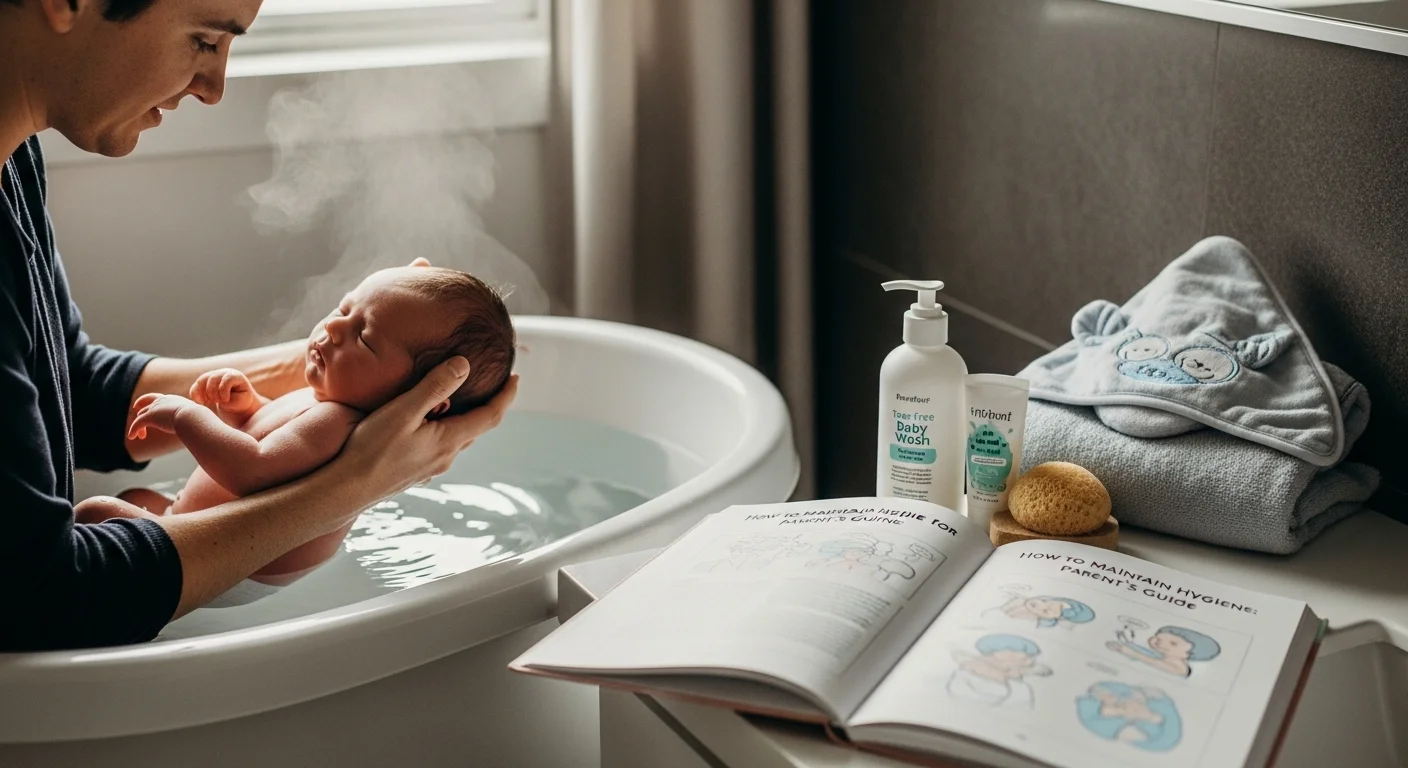
Having the right supplies can make bath time a breeze. I discovered that I didn’t need fancy products, just a few essentials. A gentle baby soap, soft washcloths, a hooded towel, and a baby tub were all I needed to get started. I preferred using organic products, as they tend to be gentler on a baby’s sensitive skin. During those early months, I also kept a small thermometer handy to ensure the water was just right. Keeping things simple made bath time enjoyable for both me and my baby.
Post-Bath Care
After the bath, I found that drying my baby gently and thoroughly was important to prevent any skin irritation. I learned to pat the skin dry instead of rubbing, especially in sensitive areas like the folds of their skin. Applying a gentle moisturizer helped keep their skin soft, especially in dry climates. I also made it a point to check for any signs of irritation or rashes after bath time. These little routines not only kept my baby comfortable but also helped me feel more connected to their needs.
Diaper Hygiene
Choosing the Right Diaper
When I first became a parent, I was surprised by the sheer variety of diapers available. It felt overwhelming! I had to decide between disposable and cloth options. Personally, I opted for disposable diapers because they seemed more convenient for my busy lifestyle. I found it helpful to try a few different brands to see which ones fit my baby best and helped prevent leaks. Each baby is unique, and what works for one might not work for another. I appreciated that some brands offered eco-friendly options, which made me feel better about my choice. In the end, the right diaper is one that keeps your little one dry and comfortable, and I remember feeling proud after finding the perfect fit for my baby.
Changing Diapers: Frequency and Technique
Diaper changing became a routine I quickly adjusted to. I learned that newborns typically need their diapers changed every two to three hours, but sometimes it felt like all I did was change diapers! It was essential for me to stay on top of this to prevent diaper rash and keep my baby comfortable. I made it a habit to check the diaper frequently, especially after feeds. When changing, I discovered that having a designated changing station with everything I needed—wipes, creams, and fresh diapers—made the process smoother. I also learned to always have a waterproof pad underneath, just in case of surprise messes. It’s true what they say: diaper changes are part of the adventure of parenting!
Preventing Diaper Rash
Diaper rash was a concern for me right from the start. I noticed that my baby’s skin was sensitive and could easily get irritated. To prevent diaper rash, I made sure to change the diaper as soon as it was wet or soiled. I also found that applying a barrier cream during each change was extremely helpful. I remember trying a few different creams until I found one that worked wonders. Keeping my baby’s bottom clean and dry became my mission, and I even let my little one enjoy some diaper-free time to help air things out. It was amazing how a little fresh air could make such a difference!
Cleaning Products: Wipes vs. Water and Cloth
When it came to cleaning my baby during diaper changes, I had to decide between using baby wipes or good old-fashioned water and cloths. Initially, I started with wipes because they seemed quick and convenient, but I quickly realized that some wipes contained fragrances and chemicals that could irritate my baby’s sensitive skin. So, I switched to gentle, unscented wipes. I also kept a stash of soft cloths and a small bowl of warm water nearby for when I wanted a more natural approach. I found that using warm water was soothing for my baby, and it gave me peace of mind knowing I was being gentle on their delicate skin. Ultimately, it’s about finding what works best for you and your baby.
Oral Hygiene for Newborns
When to Start Oral Care
It might seem surprising, but I learned that oral hygiene starts even before those tiny teeth make an appearance. I remember my pediatrician mentioning that I should begin cleaning my baby’s gums with a soft, damp cloth after feeds. This simple practice helps remove any milk residue and prepares the gums for the future arrival of teeth. It became a sweet little routine that I looked forward to, and it laid the groundwork for healthy oral habits.
How to Clean Gums and Emerging Teeth
As my baby’s teeth began to emerge, I realized that keeping their mouth clean was more important than I initially thought. I used a small, soft-bristled toothbrush designed for infants, along with a tiny smear of fluoride-free toothpaste. This was a new learning curve for me, but I found that brushing their teeth could be fun! I made it a game, singing silly songs while we brushed together. It was a bonding time that I cherished, and I felt good knowing I was setting the stage for a lifetime of good oral hygiene.
Choosing Baby Toothbrushes and Toothpaste
Choosing the right toothbrush and toothpaste for my baby was a task in itself. I discovered a variety of baby toothbrushes with different bristle types and handle shapes. I opted for one with a soft head and a non-slip grip, which made it easier to hold and maneuver. For toothpaste, I looked for one that was specifically formulated for infants, avoiding any that contained harsh ingredients. I felt a sense of responsibility as I selected these items, making sure they were safe and effective. Whenever I introduced new products, I paid close attention to how my baby reacted, ensuring it was a positive experience for them.
Hand Hygiene
Importance of Handwashing
Hand hygiene is something I quickly learned to take seriously once my baby arrived. It’s easy to overlook, but I realized that our hands are often the carriers of germs and bacteria. Before I held my newborn, I made it a point to wash my hands thoroughly. I remember being told that even the cleanest homes can harbor germs, so proper handwashing became a non-negotiable part of our routine. I found it comforting to know that by simply washing my hands, I could significantly reduce the risk of passing any harmful germs to my little one. It felt like a small but mighty defense against illness.
When to Wash Hands
Throughout the day, I discovered there were specific moments when handwashing was essential. For me, this included before and after diaper changes, after handling pet food, or after being in public spaces. I also developed the habit of washing my hands after I prepared food, especially if I was going to feed my baby. It was a bit of a learning curve, but I got into the rhythm of it quickly. I think it’s crucial for new parents to be mindful of these moments, as they can help protect our little ones from unnecessary germs.
Effective Handwashing Techniques
When it comes to effective handwashing, the technique matters just as much as the timing. I found that simply running my hands under water wasn’t enough. The CDC recommends scrubbing with soap for at least 20 seconds, and I made it a point to sing a little song in my head to keep track of the time. I focused on getting between my fingers, under my nails, and around my wrists. It felt good to have a routine that was so simple yet effective. And honestly, it became a moment for me to pause and breathe amidst the busyness of caring for a newborn.
Keeping Your Home Clean
Creating a Safe Sleep Environment
Creating a safe sleep space for my newborn was one of my top priorities. I remember researching safe sleep practices and was amazed by how much I learned. I made sure to follow the guidelines of placing my baby on their back to sleep and keeping the crib free from pillows, blankets, and stuffed animals. I invested in a firm mattress and fitted sheets, which provided the safest sleeping surface. It felt reassuring to know that I was creating an environment that minimized the risk of Sudden Infant Death Syndrome (SIDS).
Cleaning Baby Gear and Toys
When my baby came along, I quickly realized how important it was to keep baby gear and toys clean. I found myself washing toys regularly, especially those that could easily go in the mouth. I learned that most toys could be cleaned with mild soap and warm water, and some were even dishwasher safe. For me, it was satisfying to know that I was keeping my baby’s environment as germ-free as possible. I also made a habit of checking for any broken toys or gear that could pose a safety risk, keeping everything in top-notch condition for my little explorer. Top Hygiene Tips for Newborns: Keeping Your Baby Safe provides additional ways to ensure cleanliness.
Maintaining a Clean Nursery
Maintaining a clean nursery was another challenge I embraced. I learned early on that a tidy space not only looks nice but also promotes a healthier environment. I developed a routine of dusting surfaces, vacuuming the floors, and washing the bedding regularly. I found myself decluttering often, as less stuff meant fewer surfaces to clean and less chance for dust to accumulate. I also loved using natural cleaning products to avoid harsh chemicals. Creating a calming, clean space felt good for both me and my baby, and it became a little sanctuary for us.
Health Check-Ups and Vaccinations
Importance of Regular Pediatric Visits
One of the most important aspects of caring for my newborn was keeping up with health check-ups. I remember my pediatrician emphasizing how critical these visits were for monitoring my baby’s growth, development, and overall health. Each visit provided an opportunity to ask questions and address any concerns I had. I appreciated that the pediatrician could catch potential issues early on, ensuring that my baby received the right care at the right time. Those regular check-ups became a reassuring part of our routine.
Vaccination Schedule and Hygiene
When it came to vaccinations, I felt a mix of emotions. I understood their importance for my baby’s health, but I also worried about the pain of the needles. I learned that following the recommended vaccination schedule is vital for preventing serious illnesses. I kept a calendar to track when each shot was due and made sure to ask my pediatrician any questions I had about the process. It was comforting to know that vaccinations not only protected my baby but also contributed to the health of our community. I felt empowered to take this important step in safeguarding my little one.
Common Hygiene Concerns
Skin Conditions: Eczema and Cradle Cap
As I became more familiar with newborn hygiene, I encountered some common skin conditions that many babies experience. Eczema was one that I noticed in my little one early on. I learned that it can be triggered by various factors, including dry skin or allergens. To combat this, I made sure to keep my baby’s skin moisturized with gentle creams and avoided using harsh soaps. Cradle cap was another issue we faced, and I found that regular gentle brushing and using baby oil helped clear it up. Navigating these conditions taught me to be attentive to my baby’s skin needs.
Recognizing Signs of Infection
Staying vigilant about my baby’s health also meant knowing the signs of infection. I learned to look for symptoms like fever, unusual fussiness, or changes in feeding habits. If I noticed anything concerning, I wouldn’t hesitate to reach out to my pediatrician for advice. I remember the first time my baby had a mild fever; I felt a surge of worry, but my pediatrician reassured me and provided guidance. It’s essential for parents to trust their instincts and stay informed about what to look for.
When to Consult a Pediatrician
There were moments when I felt unsure about my baby’s health, and knowing when to consult a pediatrician became vital. I learned that if I ever had doubts or concerns, it was always better to err on the side of caution. Whether it was about a rash, feeding issues, or unusual behavior, I found that keeping an open line of communication with our doctor was invaluable. They were there to support us, and I felt a lot more confident navigating parenthood with their guidance.
Frequently Asked Questions
What is the importance of hygiene for newborns?
Maintaining hygiene for newborns is crucial as their underdeveloped immune systems make them more susceptible to infections. Good hygiene practices help protect them from illnesses and promote overall well-being.
When should I start bathing my newborn?
Doctors often recommend waiting until the umbilical cord stump falls off, which usually occurs within the first few weeks, before giving a full bath. Sponge baths can be used during this time.
What are the different types of baths for newborns?
The two primary methods for bathing a newborn are sponge baths and full baths. Sponge baths require minimal setup and are typically the first method used, while full baths can be introduced as the baby grows and the umbilical cord heals.
What safety practices should I follow while bathing my newborn?
When bathing your newborn, always check the water temperature with your wrist, have all supplies within reach, use a non-slip mat to prevent slipping, and never leave your baby unattended during bath time.
How often should I change my newborn’s diaper?
Newborns typically need their diapers changed every two to three hours. It is essential to check the diaper frequently, especially after feeds, to prevent diaper rash and keep the baby comfortable.
What can I do to prevent diaper rash in my newborn?
To prevent diaper rash, change the diaper as soon as it is wet or soiled, apply a barrier cream during each change, and allow for diaper-free time to help air things out.
When should I start oral care for my newborn?
Oral hygiene should start even before teeth emerge. Parents should begin cleaning the baby’s gums with a soft, damp cloth after feeds to remove milk residue and prepare for future teeth.
What should I do to maintain hand hygiene around my newborn?
It is important to wash your hands thoroughly before holding the newborn, especially after diaper changes, handling pet food, and being in public spaces. Effective handwashing includes scrubbing with soap for at least 20 seconds.
How can I create a safe sleep environment for my newborn?
To create a safe sleep environment, place your baby on their back to sleep, keep the crib free from pillows, blankets, and stuffed animals, and invest in a firm mattress with fitted sheets to minimize the risk of Sudden Infant Death Syndrome (SIDS).
When should I consult a pediatrician regarding my newborn’s health?
If you have any doubts or concerns about your baby’s health, such as rashes, feeding issues, or unusual behavior, it is always better to consult a pediatrician for guidance and support.