
Navigating your toddler’s nutritional needs can feel overwhelming, but understanding their requirements can make it much easier. Let’s explore how to nourish our little ones effectively, ensuring they grow strong and healthy. Read Interesting article: Understanding Nutritional Needs for Toddlers by Age Group
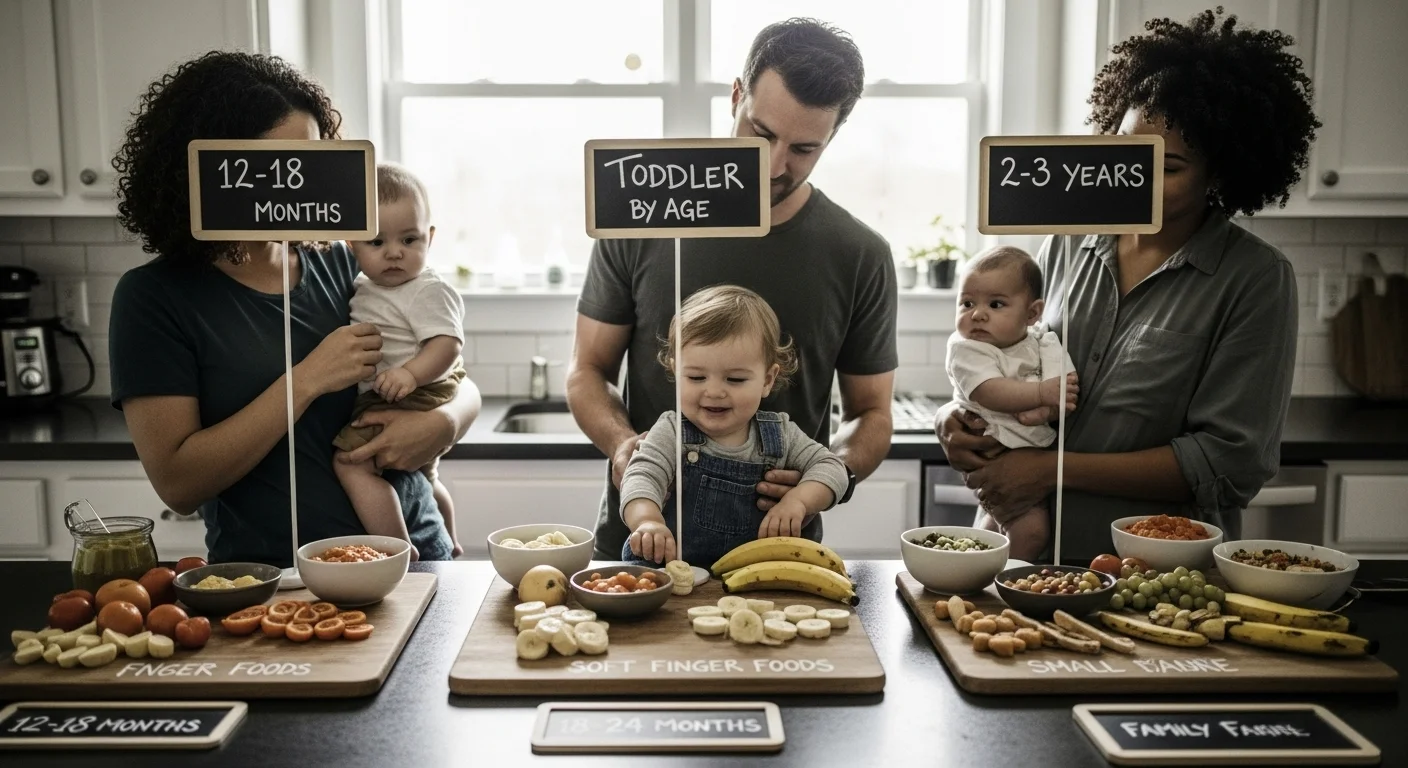
Understanding Toddler Nutritional Needs
Importance of Nutrition in Early Childhood
I remember when my first child was a toddler, and I was constantly worried about whether I was giving him the right foods. It’s no secret that early childhood is a critical period for growth and development. During these years, children are not only growing rapidly but are also developing their taste preferences and eating habits. Proper nutrition supports their physical growth, cognitive development, and immune system. I realized that what I fed him now would set the foundation for his health for years to come.
Key Nutrients for Toddlers
So, what are the essential nutrients that toddlers need? I learned that toddlers require a balanced diet rich in proteins, carbohydrates, fats, vitamins, and minerals. Each nutrient plays a vital role in their development. For instance, proteins are crucial for growth, while carbohydrates provide the energy they need to explore their world. Healthy fats support brain development, which is something I became particularly aware of when my son started learning new things every day.
Additionally, vitamins and minerals like calcium and iron are important for building strong bones and preventing anemia. I found myself often checking labels and making sure that every meal was packed with these essentials. The challenge was ensuring they got enough variety without overwhelming them with too many options at once. Read Interesting article: Essential Nutritional Needs for Your Growing Toddler
Common Nutritional Challenges
As I dove deeper into toddler nutrition, I discovered some common challenges many parents face. One significant hurdle is dealing with picky eaters. I remember my son going through phases where he would refuse vegetables one day and then love them the next. It can be frustrating, but I learned that this is a normal part of toddler development. Another challenge is finding the right balance in portion sizes, as toddlers tend to eat small amounts at a time. It often felt like I was preparing gourmet meals for someone who would only take a few bites!
Finally, many parents worry about food allergies, which can arise during these early years. I had to be especially mindful of introducing new foods one at a time and watching for any adverse reactions. It’s all part of the adventure in feeding our little ones!
Nutrition by Age Group
1-Year-Olds
Dietary Guidelines
At the age of one, toddlers are transitioning from baby food to more solid foods. I found that the key is to offer a variety of textures and flavors to develop their taste buds. The American Academy of Pediatrics recommends focusing on whole foods and minimizing processed options. This is when I started introducing my son to more family meals, cutting them into smaller pieces for easier handling.
Recommended Food Groups
For a one-year-old, the primary food groups should include fruits, vegetables, grains, proteins, and dairy. I often included mashed bananas, steamed carrots, small pieces of chicken, and oatmeal in his diet. It was a joy to see him experiment with different tastes and textures, even if it meant a messy kitchen.
Sample Meal Plan
- Breakfast: Oatmeal topped with mashed bananas and a sprinkle of cinnamon.
- Snack: Soft-cooked sweet potato sticks.
- Lunch: Small pieces of chicken, steamed broccoli, and brown rice.
- Snack: Yogurt with a few berries.
- Dinner: Mashed potatoes and peas.
2-Year-Olds
Dietary Changes and Recommendations
As my child turned two, I noticed a shift in his eating habits. He started asserting his independence, which often manifested in his food choices. It was essential to keep offering a variety of foods while also allowing him to choose what he wanted. This age is also when I learned that establishing a routine around mealtime is crucial in encouraging healthy eating habits.
Portion Sizes
At this age, toddlers need smaller portions compared to adults, but they may want to eat more frequently throughout the day. I found that offering snacks in between meals helped maintain his energy levels. The general guideline I followed was to provide about a quarter of an adult portion size for each meal.
Sample Meal Plan
- Breakfast: Scrambled eggs with spinach and whole-grain toast.
- Snack: Sliced apple with peanut butter.
- Lunch: Turkey and cheese roll-ups with cucumber slices.
- Snack: Whole grain crackers with hummus.
- Dinner: Quinoa with roasted vegetables and grilled salmon.
3-Year-Olds
Balanced Diet Essentials
By the time my child reached three, I was amazed at how much he had grown—not just physically, but in his eating habits as well. At this age, it’s essential to ensure they get a balanced diet that includes all food groups. I made it a priority to encourage him to try new foods, keeping mealtimes exciting and adventurous.
Introducing New Foods
I found that introducing new foods was an essential part of expanding his palate. I would make it a fun game, like introducing a “new food of the week.” Sometimes he surprised me by liking foods I thought he’d refuse. It was crucial to remain patient and persistent, as toddlers often need to be exposed to a new food several times before they accept it.
Sample Meal Plan
- Breakfast: Whole grain pancakes with fresh berries.
- Snack: Yogurt with granola.
- Lunch: Whole wheat pita filled with hummus, diced veggies, and chicken.
- Snack: Banana slices with almond butter.
- Dinner: Stir-fried brown rice with mixed vegetables and tofu.
Essential Nutrients for Toddlers
Proteins
Proteins are an essential building block for toddlers, playing a critical role in their growth and development. When my son was little, I made it a point to include a variety of protein sources in his diet, so he wouldn’t get bored. I learned that proteins help build muscles, repair tissues, and support the immune system, which is particularly important as toddlers are often exploring and occasionally getting into scrapes. I found that chicken, fish, eggs, and beans were great sources of protein that he enjoyed.
One of my favorite meals to prepare was homemade chicken nuggets. I’d bread small pieces of chicken with whole grain breadcrumbs and bake them instead of frying, making them a healthier option. It was a fun way to provide him with protein while also making him feel like he was indulging in a special treat.
Carbohydrates
Carbohydrates often get a bad rap, but in my experience, they are crucial for toddlers because they provide the energy they need to stay active and curious. I learned that focusing on complex carbohydrates—like whole grains, fruits, and vegetables—was essential. These types of carbs release energy slowly and keep little ones fueled throughout the day.
I remember serving whole grain pasta with a homemade tomato sauce loaded with veggies. It was always a hit, and I loved knowing I was giving him a nutritious meal. Sweet potatoes became a staple too; they were not only delicious but also packed with vitamins and fiber. It was all about finding those carbs that he would enjoy while still being healthy.
Fats
Healthy fats are another vital nutrient for toddlers, especially for brain development. At first, I was hesitant about including fats in my son’s diet, but I soon realized they are necessary for proper growth. I made it a point to introduce sources of healthy fats like avocados, nut butters, and olive oil.
One of my favorite snacks became avocado toast. I would spread mashed avocado on whole grain bread and top it with a sprinkle of salt. It was an easy way to ensure he was getting healthy fats while also enjoying something tasty. I felt reassured knowing that these fats were contributing to his brain development, especially as I watched him learn new words and concepts every day.
Vitamins and Minerals
Vitamins and minerals play a crucial role in a toddler’s diet. I remember feeling overwhelmed by the number of different vitamins my son needed, but I discovered that a colorful plate often meant a variety of nutrients. For example, leafy greens are great for calcium, which is essential for bone health, while citrus fruits provide vitamin C, boosting the immune system.
I often included spinach in his meals, whether it was blended into a smoothie or added to pasta sauce. Not only was I sneaking in those essential vitamins, but I also found that he loved the flavors. Iron was another nutrient I kept an eye on, knowing that it helps with energy levels and cognitive development. Foods like lentils and fortified cereals became regulars in our kitchen. I felt like a nutrition ninja, stealthily ensuring he got everything he needed!
Hydration Needs
While nutrition was my primary focus, I quickly learned that hydration is just as important. Toddlers can easily become dehydrated, especially during hot weather or after playtime. I made it a habit to offer water throughout the day and limited sugary drinks, which I felt were unnecessary.
One trick I discovered was to keep a fun water bottle handy. My son loved drinking from it because it made him feel like a big kid. I also introduced fruits like watermelon and cucumber as snacks, as they have high water content, which helped with hydration. Watching him stay active and cheerful was a reminder of how important it was to keep him well-hydrated.
Addressing Common Nutritional Issues
Picky Eaters
Picky eating can be one of the most challenging aspects of toddler nutrition. I remember the days when my son would refuse anything green on his plate. It was tough not to take it personally, but I learned that picky eating is a normal phase for toddlers. I started experimenting with different strategies to encourage him to try new foods without making mealtime a battle.
One thing I found helpful was to offer a variety of colors and textures on his plate. I discovered that sometimes presenting food in a fun way could spark his interest. For example, I would cut fruits and vegetables into interesting shapes or create smiley faces with his food. I also learned to avoid pressure or bribery tactics, as they often backfired and made him more resistant. Instead, I tried to model healthy eating myself. I would sit with him, enjoy the same foods, and talk about how delicious they were. Eventually, he began to try things he once refused, simply out of curiosity!
Food Allergies
When it comes to food allergies, I realized that caution is key. I had to be particularly careful when introducing new foods, especially those known to be common allergens, like peanuts and shellfish. I remember reading up on guidelines and consulting with our pediatrician to ensure I was doing everything right. It was a bit nerve-wracking at first, but I learned that introducing these foods in a controlled manner was the best approach. I started with small amounts, letting a few days pass before trying anything new, so I could monitor for any allergic reactions.
It was also important to educate myself about cross-contamination and how to read ingredient labels thoroughly. I wanted my son to have a variety of foods, but safety came first. It felt empowering to know that I could support his nutritional needs while being vigilant about potential allergies. Plus, as I researched, I discovered so many delicious alternatives that could replace potential allergens, making our meals diverse and enjoyable.
Digestive Issues
Alongside picky eating and allergies, digestive issues can also arise in toddlers. I noticed that my son sometimes had an upset stomach or constipation. I quickly learned that keeping an eye on his fiber intake was crucial for digestive health. I started incorporating more fruits, vegetables, and whole grains into his meals to help keep things running smoothly.
One of my go-to tricks became adding ground flaxseeds to smoothies or oatmeal. This not only provided fiber but also added a nutritional boost without my son noticing. I also made sure he stayed hydrated, as that was another key factor in digestion. When he had an upset stomach, I found that gentle foods like bananas or rice would help settle his tummy.
It was all about trial and error, and I realized that listening to his body and observing how different foods affected him was essential. I felt like a detective at times, but it was rewarding to see him feeling better after making simple dietary adjustments.
Strategies for Encouraging Healthy Eating
Creating a Positive Eating Environment
Creating a positive eating environment was something I focused on once I understood the challenges that came with toddler nutrition. I realized that mealtime should be a pleasant experience, free of stress. I made it a point to eat together as a family whenever possible. This not only helped model good eating habits but also turned meals into a bonding experience.
We would talk about our day, share stories, and enjoy each other’s company. I noticed that when my son felt relaxed and happy, he was more willing to try new foods. I also eliminated distractions like screens during meals, as I found that attention to the food on the table led to more mindful eating. There were times when we played music or lit candles to create a special atmosphere, turning ordinary dinners into fun occasions.
Involving Toddlers in Meal Preparation
Another strategy that worked wonders was involving my son in meal preparation. I discovered that when he had a hand in cooking, he was more interested in eating what we made together. Simple tasks like washing vegetables or mixing ingredients made him feel included and proud. I would set up a little “toddler station” where he could help, making it a fun activity rather than a chore.
We would try themed dinners based on different cultures, allowing him to explore flavors and ingredients from around the world. It was a great way to introduce him to new foods while making it an educational experience. Watching him become enthusiastic about cooking inspired me to keep trying new recipes and ingredients, and it made mealtime a lot more enjoyable for both of us.
Setting a Routine
Establishing a routine around meals was another game-changer. I found that toddlers thrive on consistency, and having set times for meals and snacks helped my son know when to expect food. I created a simple meal schedule, ensuring he had three meals and two snacks each day. This not only helped regulate his hunger but also minimized the complaining about being hungry or refusing food because he was not in the mood.
Routines also helped me plan meals in advance, which reduced the stress of last-minute cooking. I’d sit down on weekends to map out the week’s meals, incorporating new dishes while also keeping his favorites in rotation. In my experience, this approach made mealtimes smoother and less chaotic, allowing us to focus on enjoying our food together.
Helpful Resources for Parents
Nutrition Guidelines and Recommendations
As I navigated through the world of toddler nutrition, I found it immensely helpful to refer to established nutrition guidelines. The USDA’s MyPlate initiative has been a fantastic tool for understanding how to create balanced meals. It emphasizes the importance of including fruits, vegetables, grains, protein, and dairy in every meal, which helped me visualize what a well-rounded plate should look like for my son.
Additionally, the American Academy of Pediatrics offers resources specifically aimed at parents of toddlers. These guidelines helped me learn what portion sizes are appropriate at different ages and how to introduce new foods safely. Knowing that I could rely on these resources provided me with a sense of confidence in my choices.
Consulting a Pediatrician or Nutritionist
Whenever I felt uncertain about my toddler’s diet, I didn’t hesitate to reach out to our pediatrician. They were a great source of reassurance, especially when I had questions about allergies or specific nutritional needs. I also learned that consulting a registered dietitian can provide tailored advice for my child’s dietary requirements, especially if there are any medical concerns or food sensitivities. Having that professional support made a world of difference for me as a parent, and it helped me feel more equipped to handle any challenges that arose.
Online Resources and Tools
The internet is filled with a wealth of resources, and I discovered several fantastic websites and apps dedicated to toddler nutrition. Websites like HealthyChildren.org offer articles and tips for parents, while apps like MyFitnessPal help track food intake and nutritional values. I also found community forums and social media groups where fellow parents share their experiences and strategies. Connecting with others going through similar journeys not only provided practical tips but also made me feel less alone in my parenting experience. Read Interesting article: Ultimate Guide to Toddler Nutrition: Age-Specific Needs
Final Thoughts
Feeding toddlers can be a rollercoaster of emotions, from the joy of seeing them try new foods to the frustration of dealing with picky eating. Throughout my journey, I learned that patience, creativity, and understanding are key. By focusing on a balanced diet, creating a positive environment, and seeking support from resources and professionals, we can help our little ones develop healthy eating habits that will last a lifetime. Remember, every small step counts, and every meal is an opportunity to nurture their growth and curiosity. Together, we can make this journey enjoyable for both us and our children!
Frequently Asked Questions
What are the essential nutrients that toddlers need for their growth and development?
Toddlers require a balanced diet rich in proteins, carbohydrates, fats, vitamins, and minerals. Proteins are crucial for growth, carbohydrates provide energy, healthy fats support brain development, and vitamins and minerals like calcium and iron are important for building strong bones and preventing anemia.
How can I deal with picky eating in toddlers?
Picky eating is a normal phase for toddlers. Offering a variety of colors and textures on their plate, presenting food in fun shapes, and modeling healthy eating behaviors can encourage them to try new foods. Avoid pressure or bribery tactics, as they might make children more resistant.
What dietary guidelines should I follow for a one-year-old?
For a one-year-old, focus on a diet that includes a variety of textures and flavors, primarily from whole foods. Key food groups include fruits, vegetables, grains, proteins, and dairy. Sample meals could include oatmeal topped with mashed bananas, small pieces of chicken, and steamed vegetables.
What portion sizes should I consider for toddlers?
Toddlers need smaller portions compared to adults, generally about a quarter of an adult portion size for each meal. They may want to eat more frequently throughout the day, so offering snacks in between meals is helpful to maintain their energy levels.
How can I introduce new foods to my toddler?
Introducing new foods can be made fun by creating a “new food of the week” game. It’s important to be patient and persistent, as toddlers often need to be exposed to a new food several times before they accept it. Making the experience enjoyable can help expand their palate.
What strategies can I use to encourage healthy eating habits in toddlers?
Creating a positive eating environment, involving toddlers in meal preparation, and establishing a routine around meals can all encourage healthy eating habits. Eating together as a family and minimizing distractions can enhance the mealtime experience.
What are some common nutritional challenges parents face with toddlers?
Common challenges include dealing with picky eaters, finding the right portion sizes, and being mindful of food allergies. Parents may also encounter digestive issues such as upset stomach and constipation, which can often be addressed through dietary adjustments.
How important is hydration for toddlers?
Hydration is crucial for toddlers, as they can easily become dehydrated. Offering water throughout the day and incorporating hydrating snacks like watermelon and cucumber can help ensure they stay well-hydrated.
What resources can parents refer to for toddler nutrition guidance?
Parents can refer to established nutrition guidelines like the USDA’s MyPlate initiative and resources from the American Academy of Pediatrics. Consulting a pediatrician or registered dietitian can also provide tailored advice for specific dietary needs.
What role do vitamins and minerals play in a toddler’s diet?
Vitamins and minerals are essential for a toddler’s diet, supporting various functions such as bone health and immune system strength. A colorful plate often indicates a variety of nutrients, with leafy greens providing calcium and citrus fruits offering vitamin C.