
Traveling with kids can be one of the most exciting adventures, but it also comes with its share of challenges. Preparing them for emergencies can make a huge difference in ensuring their safety and your peace of mind. Read Interesting article: Essential Tips for Keeping Kids Safe in Emergencies
Understanding the Importance of Emergency Preparedness for Kids
When I first started traveling with my kids, I quickly realized that unexpected situations can arise at any moment. From natural disasters to minor injuries, the ability to respond effectively can be crucial. I believe that preparing our children for emergencies is not just a safety measure; it’s an essential skill that empowers them to handle stressful situations calmly.
Why Kids Need to Be Prepared
Kids are naturally curious and adventurous, which can sometimes lead them into risky situations. I remember traveling to a bustling city, and my little ones were fascinated by everything around them. It struck me then that while their excitement was great, they needed to understand certain safety protocols. By preparing kids for emergencies, we teach them to recognize potential dangers and respond appropriately. This preparation can foster confidence, making them feel secure even in unfamiliar environments.
Common Emergencies While Traveling
Throughout my travels, I have encountered various emergencies. Some of the most common situations include:
- Lost Child: Kids can easily wander off in crowded places, and it’s essential they know what to do if they become separated.
- Medical Emergencies: Accidents or sudden illnesses can occur, from cuts and scrapes to more serious health issues.
- Natural Disasters: Depending on the region, natural events like earthquakes or severe storms can happen, and having a plan is crucial.
- Travel Delays: Missed flights or transport issues can lead to stressful situations, especially when kids are involved.
These experiences have prompted me to think about how vital it is for our children to be prepared. Recognizing these potential emergencies allows us to create a solid plan together.
Creating an Emergency Plan
Having an emergency plan is like having a safety net. It gives everyone a clear idea of what to do and where to go in case something goes wrong. Here’s how I approach this important task.
Discussing the Plan with Your Kids
One of the first things I do is sit down with my kids to discuss our emergency plan. I make it a fun and engaging conversation, using scenarios that they can relate to. For instance, I might say, “What would you do if you got lost in a store?” This opens up a dialogue that allows them to express their thoughts and feelings. I emphasize the importance of staying calm and following our plan. I find that when they are involved in the planning process, they take it more seriously and feel empowered.
Identifying Safe Locations
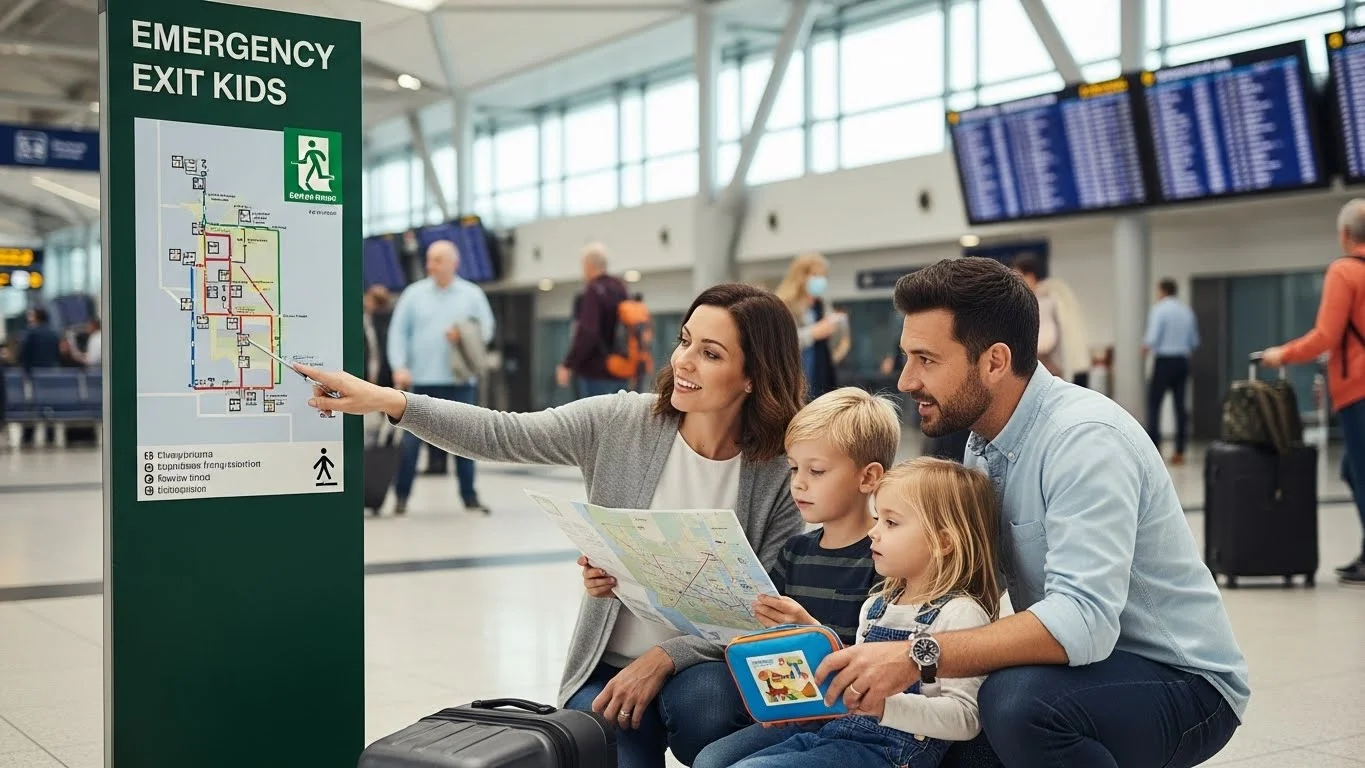
When we travel, I always make it a point to identify safe locations where my kids can go if they feel scared or lost. This could be a store, a police station, or even a designated meeting point in a park. I remember one time in a busy airport, we agreed that if anyone got separated, we would meet at the information desk. It gave my kids a sense of security knowing there was a safe place to go.
Creating a Family Meeting Point
In addition to safe locations, having a family meeting point is crucial. I recommend choosing a spot that is easy to find and recognizable. It can be something simple, like a specific statue in a park or the entrance of a museum. I once visited a large amusement park, and we decided on a meeting point right outside the main entrance. This way, if someone got lost, they would know exactly where to go. I encourage my kids to mentally map out these points as we explore new places, reinforcing their ability to navigate unfamiliar environments.
Preparing kids for emergencies while traveling is a journey that requires thought, patience, and creativity. By understanding the importance of emergency preparedness and creating a solid plan together, we can equip our children with the tools they need to stay safe and confident, no matter where their travels take them. In the next parts, I will delve deeper into essential emergency items, teaching kids basic safety skills, and more, to ensure we are fully prepared for any adventure ahead. Read Interesting article: Family Travel Safety: Must-Have Emergency Kits Explained
Essential Emergency Items to Pack
When I travel with my kids, I’ve learned that having the right emergency items can make all the difference. It’s like packing a safety toolkit that gives us peace of mind. Over the years, I’ve compiled a list of essential emergency items that I always make sure to include in our luggage. Here’s a look at what I consider must-haves.
First Aid Kit Essentials
A first aid kit is something I cannot stress enough when it comes to traveling with children. It’s surprising how often a scraped knee or a sudden headache can occur, especially when kids are running around exploring. I remember one trip where my daughter took a tumble while playing at a park, and having a well-stocked first aid kit on hand made the situation much easier to manage.
In my first aid kit, I always include:
- Adhesive bandages: For those minor cuts and scrapes.
- Antiseptic wipes: To clean wounds before applying bandages.
- Gauze and tape: For larger injuries.
- Antihistamines: If anyone in the family has allergies.
- Pain relievers: Kid-friendly options for headaches or fever.
- Emergency contact numbers: Including local emergency services.
I find it helpful to involve my kids in the packing process. It teaches them about the importance of these items and shows them where they can find them if needed.
Emergency Contact Information
Having emergency contact information readily available is another key component of my travel prep. I create a small card for each child that includes their name, our contact numbers, and any relevant medical information. I remember the first time I did this; it was a lightbulb moment for me. I realized how much easier it would be for someone to help my child if they had this information at hand.
I keep these cards in their backpacks, and I also make a point to share this information with my kids. We practice how to communicate this information if they ever find themselves in a situation where they need help. Knowing they have the necessary information boosts their confidence and gives me peace of mind.
Child Identification and Medical Information
I find that having some form of identification for my kids is crucial while traveling. Whether it’s a wristband with essential details or a simple ID card, it can help if they ever get lost or separated from us. I remember a time when my son got a bit too adventurous at a theme park, and having his ID on him made it a lot easier for the staff to help reunite us.
In addition to basic identification, I also keep a list of each child’s medical information, including any allergies, pre-existing conditions, or medications they might be on. This can be invaluable in case of a medical emergency. I recommend storing this information both physically in a waterproof pouch and digitally on our phones. It’s just another layer of security that helps us feel prepared for whatever comes our way. Read Interesting article: How to Create an Affordable Emergency Kit for Family Trips
Teaching Kids Basic Safety Skills
Beyond packing emergency items, I believe it’s essential for us as parents to teach our kids basic safety skills. This empowers them to handle emergencies confidently. I’ve found that these lessons can be simple yet impactful.
How to Communicate with Strangers for Help
One of the most important skills I teach my kids is how to approach strangers for assistance. It may sound scary, but I reassure them that not everyone is a threat. I explain the difference between safe and unsafe strangers. For instance, I tell them that police officers, shopkeepers, or other parents are usually safe to approach. I encourage them to look for someone who seems helpful and to ask calmly for assistance if they feel lost or scared.
We practice this by role-playing different scenarios, and it’s surprising how quickly they pick up on the cues. This skill gives them the ability to seek help should they find themselves in an unfamiliar situation. I often remind them that it’s perfectly okay to ask for help when they need it.
Recognizing Emergency Services and Signs
Another valuable lesson is teaching kids to recognize emergency services and signs. I’ve made it a point to point out police cars, fire trucks, and ambulances during our travels. I explain what each service does and how they can assist us in case of an emergency. Understanding these symbols helps demystify them and makes kids more comfortable in urgent situations.
During our travels, I also teach them to look for emergency exit signs and understand the importance of following them if necessary. I remember a trip to a large museum where we discussed where the exits were located, and it made my kids more aware of their surroundings. This awareness can be a game-changer in ensuring their safety.
Understanding Basic First Aid
Finally, I believe it’s valuable for kids to learn some basic first aid skills. While they may not become little doctors, knowing how to clean a small wound or apply a bandage can boost their confidence and help them feel more in control during emergencies. I’ve taken the time to show my kids how to perform these tasks in a fun, engaging way.
We’ve practiced applying band-aids on each other during our family adventures, and I explain the importance of keeping wounds clean. I think it’s crucial for them to understand that they can take small actions to help themselves or others, and this knowledge can be incredibly empowering.
Using Technology for Safety
In today’s world, technology plays a significant role in our lives, and I’ve found it to be incredibly helpful when it comes to ensuring our safety while traveling with kids. I remember the first time I used a travel safety app; it was like having an extra layer of protection right in my pocket. Here’s how we can leverage technology for emergency preparedness.
Apps for Emergency Preparedness
There’s an array of apps designed to help families stay safe while traveling. These apps can provide instant access to important information and resources. For example, I use an app that tracks local emergencies and alerts us to any potential threats in the area. It’s comforting to have real-time updates on weather conditions or safety alerts, especially when we’re in unfamiliar territory.
One of my favorites is an app that allows me to store all our emergency contact information and medical details securely. It’s great because I can quickly access this information if we need to visit a doctor or if my kids need help. I also encourage my children to familiarize themselves with these apps, so they feel empowered to use them if the situation calls for it.
I’ve also found family locator apps to be immensely beneficial. These apps let us share our locations with one another, which is especially useful if our group gets separated in a crowded place. It gives us that extra peace of mind knowing we can easily find each other. Whenever we travel, I make it a point to ensure that everyone’s phone has the app installed and they know how to use it.
Using GPS and Location Sharing
GPS technology is another invaluable tool for family safety. I remember a time when we were exploring a national park, and I lost track of my son for just a moment while he was excitedly chasing a butterfly. My heart raced, but then I remembered I had location sharing set up on our phones. Within seconds, I was able to pinpoint where he was. It made a potentially stressful situation manageable.
When we travel, I always make sure my kids’ phones, if they have them, are set up with location sharing. It’s vital for them to understand that this isn’t just a tool for me to keep track of them but also a way for them to feel secure. They can reach out or call for help if they ever find themselves in a tricky situation. I believe using GPS and location sharing responsibly can help us navigate the adventure of traveling safely.
Practicing Emergency Scenarios
While discussing plans and packing emergency items are crucial steps, nothing beats the value of practice. I’ve learned that role-playing different emergency scenarios not only prepares my kids but also makes them more confident in their ability to handle unexpected situations.
Role-Playing Different Emergency Situations
One of the activities we love is role-playing various emergency scenarios. I choose different situations to act out, like “What if you get lost at a theme park?” or “What would you do if there’s a sudden storm?” I find that by practicing these situations, my kids get to experience the emotions that might accompany them, like fear or confusion, in a safe environment.
When we role-play, I encourage them to think critically and come up with their own solutions. It’s amazing how their creativity shines through as they navigate through these scenarios. Not only does this help them learn practical responses, but it also fosters trust in their ability to handle real-life challenges. I believe that with each practice session, they become a little more resilient and self-sufficient.
Conducting Family Drills
In addition to role-playing, conducting family drills is equally important. Just like schools practice fire drills, I think it’s valuable for families to run through simple emergency drills at home or when we travel. For example, we might have a drill where we simulate getting separated in a crowded area. Everyone knows the meeting point and the steps to take if they can’t find each other.
We’ve even set aside special times during our trips to do this. It can be a fun family bonding activity that reinforces the lessons we’ve discussed. I feel it’s important for the kids to know that we take emergency preparedness seriously, but that it can also be a fun and engaging part of our travels.
By incorporating technology and practicing emergency scenarios, we help empower our kids to feel safe and confident wherever we go. We’re building a strong foundation for their safety that will serve them well in all their adventures. Next, I’ll share some practical steps on what to do in the event of an actual emergency, ensuring we are fully prepared for any situation that may arise.
What to Do in Case of an Emergency
Steps to Take if Separated
If my kids ever find themselves separated from me, we’ve established a clear set of steps to follow. I think it’s essential for them to know that remaining calm is the first and most important thing they can do. I remind them that panicking rarely leads to a good outcome. One of the first things we discuss is finding a nearby adult who can help. I often phrase it like this: “If you’re lost, look for someone in a uniform, like a police officer or a store employee.” This empowers them to seek help from someone they can trust.
Additionally, we practice what to say when asking for help. I teach them to clearly state their name, that they are lost, and where we were supposed to meet. I find that practicing this kind of communication helps them feel more confident. We also designate safe places they can go if they can’t find me, like a family information desk, a specific store, or even an employee at a nearby café. Knowing there’s a plan gives me peace of mind and helps them feel secure.
Contacting Authorities and Emergency Services
In the rare event that we encounter a more serious emergency, knowing how to contact authorities and emergency services is invaluable. I take the time to teach my kids the local emergency number, which can vary from country to country. For example, in the U.S., it’s 911, while in Europe, it might differ. I remember when we traveled to Europe, I made a point to explain the different emergency numbers while we were on the plane. This way, they would be prepared before we even landed.
We also talk about what information they would need to provide when calling for help. I guide them to remember their location, what the emergency is, and any details that might be critical, like if someone is hurt. Role-playing these scenarios has been extremely helpful; they get to practice talking to an operator and explaining a situation calmly. It’s a skill that might seem daunting at first, but practice makes it much more manageable, and I’ve seen their confidence grow each time we do it.
Resources for Families Traveling with Kids
Emergency Contact Numbers by Location
Before we embark on a trip, I take some time to research emergency contact numbers specific to our destination. This includes local police, medical facilities, and fire departments. I make a small list that I keep in my travel wallet, and I also share it with my kids. They find comfort in knowing they can reach out for help if they need to. Having these numbers readily available can save precious time in an emergency, and I think it’s one of the easiest ways to be prepared.
Travel Insurance Options
Travel insurance is another resource I can’t advocate enough. When we book our trips, I always look into insurance options that cover emergencies, whether that’s medical assistance, trip cancellations, or lost belongings. I share this with my kids to help them understand that we’re taking extra precautions to keep everyone safe. Knowing that we have a backup plan in case of unexpected events allows us to enjoy our travels more fully without the nagging worry of what might go wrong.
Online Resources for Emergency Preparedness
There are numerous online resources dedicated to emergency preparedness that I find helpful. Websites like the Red Cross offer guides tailored for families traveling with children. They provide useful tips on how to prepare for various emergencies and how to talk to kids about safety. I often sit down with my kids to explore these resources together. This not only helps us stay informed, but it also gives them a sense of ownership over their safety. Understanding that safety is a shared responsibility makes it a team effort.
Final Thoughts
Traveling with kids is a remarkable adventure filled with unforgettable experiences. Yet, being prepared for emergencies is what truly allows us to enjoy those moments fully. Through planning, practicing, and using resources, I’ve learned that we can equip our children with the skills and knowledge they need to navigate unexpected situations confidently. It’s a journey that requires patience and dedication, but the reward is immense. By fostering an environment where safety is a priority, we not only protect our children but also empower them to embrace their curiosity and adventure. Here’s to making every family trip not just memorable but also safe!
Frequently Asked Questions
Why is emergency preparedness important for kids while traveling?
Emergency preparedness is crucial for kids while traveling because it empowers them to handle unexpected situations calmly and safely. It helps them recognize potential dangers and respond appropriately, fostering confidence in unfamiliar environments.
What common emergencies should parents prepare their kids for while traveling?
Parents should prepare their kids for common emergencies such as getting lost in crowded places, medical emergencies like cuts or sudden illnesses, natural disasters, and travel delays like missed flights.
How can parents create an effective emergency plan with their kids?
Parents can create an effective emergency plan by discussing potential scenarios with their kids, identifying safe locations to go if they get lost, and establishing a family meeting point that is easy to find and recognizable.
What essential items should be included in a travel first aid kit for kids?
A travel first aid kit for kids should include adhesive bandages, antiseptic wipes, gauze and tape, antihistamines, kid-friendly pain relievers, and emergency contact numbers, including local emergency services.
How can parents teach kids to communicate with strangers for help?
Parents can teach kids to communicate with strangers for help by explaining the difference between safe and unsafe strangers, encouraging them to approach uniformed individuals like police officers or store employees, and practicing role-playing scenarios to build their confidence.
Why is it important for kids to recognize emergency services and signs?
Recognizing emergency services and signs is important for kids because it helps them understand who can assist them in emergencies, making them more comfortable and prepared to seek help if needed.
What technology can help ensure safety while traveling with kids?
Technology such as emergency preparedness apps, family locator apps, and GPS/location sharing can help ensure safety while traveling with kids by providing real-time updates and allowing family members to keep track of each other.
What steps should kids take if they become separated from their parents?
If kids become separated from their parents, they should remain calm, look for a nearby adult who can help, clearly state their name and situation, and go to designated safe places like an information desk or a specific store.
How can parents find emergency contact numbers for their travel destinations?
Parents can find emergency contact numbers for their travel destinations by researching local police, medical facilities, and fire departments before the trip, then keeping a list in their travel wallet and sharing it with their kids.
What role does travel insurance play in emergency preparedness?
Travel insurance plays a significant role in emergency preparedness by providing coverage for medical assistance, trip cancellations, or lost belongings, allowing families to enjoy their travels with greater peace of mind.