
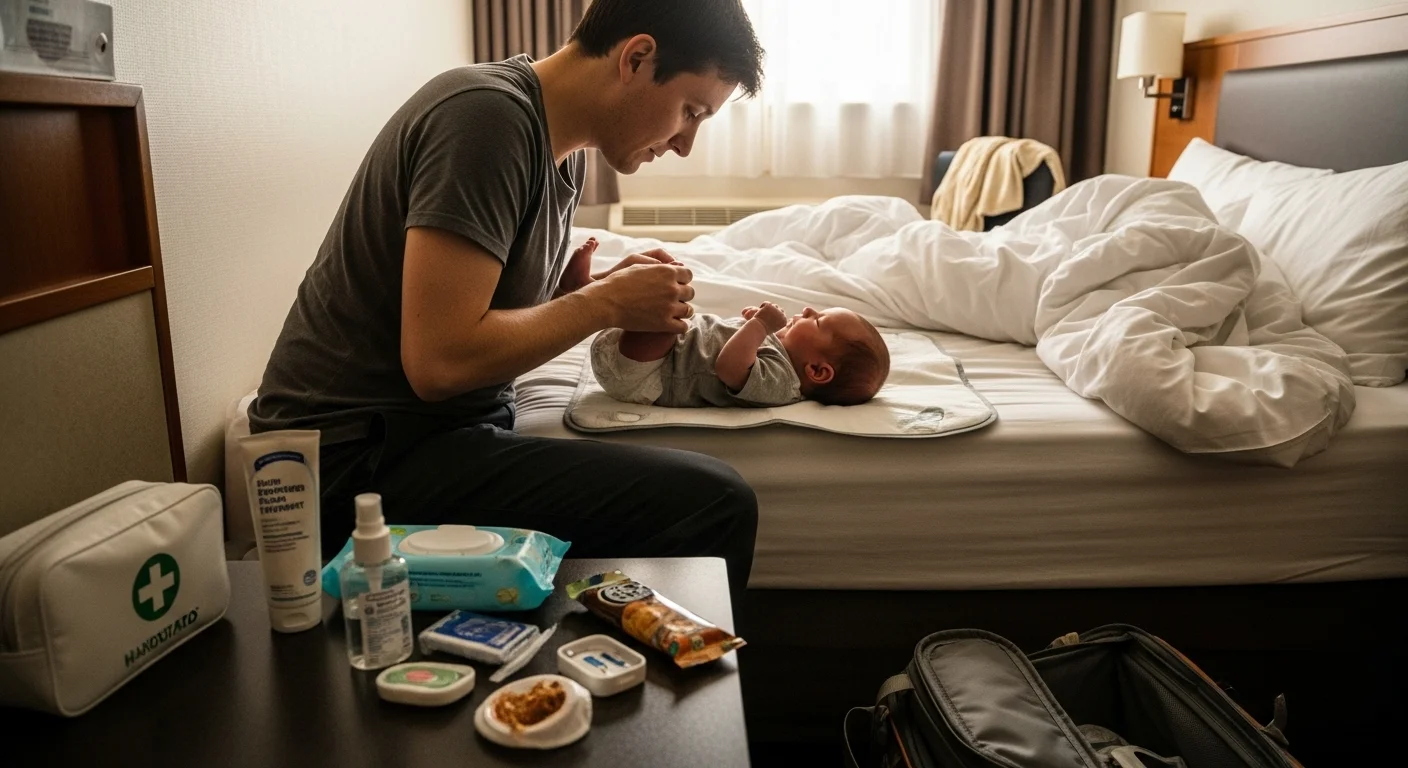
Traveling with a newborn can be both exciting and daunting, especially when it comes to managing diaper rash. I’ve been there, and I know how crucial it is to keep your baby comfortable on the go. Let’s dive into some essentials!
Understanding Diaper Rash: Causes and Symptoms
Diaper rash is one of those common issues that can make even the most delightful travel experiences challenging. I remember the first time my little one had a rash while we were on a weekend getaway. It was a wake-up call to understand what was happening and how to tackle it effectively. Knowing the causes and symptoms of diaper rash can help us stay prepared and keep our babies happy. Read Interesting article: Essential Tips for Preventing Diaper Rash on the Go
Common Causes of Diaper Rash
There are several reasons why diaper rash can occur, and it’s essential to recognize them to prevent and treat it effectively. One of the most common causes is prolonged exposure to moisture. When a diaper is left on too long, it can create a warm, damp environment that irritates the skin. This is something I learned the hard way during a long car ride when I couldn’t find a good spot to stop.
Another frequent cause is friction. The constant rubbing of the diaper against your baby’s sensitive skin can lead to irritation, especially if the diaper is too tight or not the right fit. I’ve found that ensuring a proper fit can make all the difference. Then there’s the introduction of new foods, which can lead to changes in stool, causing diaper rash as well. I remember when my baby first tried fruits; it was a cute mess but also a reminder to keep an eye on their skin.
Lastly, yeast infections can occur in warm and moist areas, and they can worsen existing rashes. This was something I wasn’t aware of until I did some research after my baby experienced a severe rash. It’s vital for us to be aware of these causes to take proactive measures.
Signs and Symptoms to Look For
Recognizing the signs of diaper rash is crucial for treating it promptly. The first thing I noticed with my baby was redness and inflammation on the skin covered by the diaper. It appeared tender, and I could tell it made my little one uncomfortable. Sometimes the rash would have raised bumps or patches, which can be concerning, but I learned that this is common with diaper rash.
In some cases, I noticed that my baby was fussier than usual, crying during diaper changes or when I touched the affected area. If you see these signs, it’s time to act. The sooner we address diaper rash, the easier it is to treat. Additionally, if you notice any blisters or open sores, it’s crucial to take those seriously, as they can lead to infections.
Preparing for Travel with a Newborn
Traveling with a newborn requires careful planning, especially regarding diaper care. I discovered that taking a little time to prepare can save a lot of stress on the road. Here’s what I learned about getting ready for our trips.
Choosing the Right Diapers for Travel
When I was getting ready for our travels, I realized that choosing the right diapers can make a big difference. I found that using super-absorbent diapers was a game-changer. They kept moisture away from my baby’s skin for longer periods, which is essential when traveling. I also opted for diapers that offered a snug fit without being too tight, as we all know how uncomfortable that can feel.
Consider packing a few different types of diapers. For example, I liked to keep some disposable, high-absorbency diapers for travel days and cloth diapers when we were settled in a location. This flexibility allowed us to adapt to various situations while keeping comfort in check.
Essential Packing List for Diaper Care
Packing the right items for diaper care is vital. Here’s a quick list of essentials I always brought along:
- Diapers: A mix of sizes and types based on our travel plans.
- Wipes: Gentle, fragrance-free wipes are essential for cleaning up messes.
- Barrier cream: A good barrier cream is my go-to for preventing rashes.
- Changing pad: A portable changing pad can make diaper changes easier, no matter where we are.
- Plastic bags: Perfect for disposing of used diapers or storing dirty clothes.
Having these items at hand helped ease my mind, knowing I was prepared for any situation. Read Interesting article: Travel-Friendly Remedies for Diaper Rash Relief
Traveling by Plane vs. Car: Considerations
Whether you’re traveling by plane or car, each mode presents its own considerations. I remember flying with my baby for the first time. It was a new experience, and I quickly realized that airport restrooms can be tricky. I made sure to carry enough supplies in my carry-on for the flight plus a little extra, just in case of delays.
On the other hand, road trips allowed for more flexibility. I could pull over whenever needed for diaper changes, but I still made it a point to plan our stops. I found that taking breaks every couple of hours kept my baby comfortable and allowed me to check for any signs of diaper rash.
In both cases, being organized and prepared made our travel experiences much smoother. I learned that the key is to be adaptable and stay ahead of any potential diaper issues.
How to Prevent Diaper Rash While Traveling
Preventing diaper rash while traveling is something I learned to prioritize as a new parent. With all the excitement and changes in routine, it’s easy to overlook the basics of diaper care. Here’s what I’ve discovered that works for us when we hit the road.
Maintaining Hygiene During Travel
Maintaining hygiene during travel is key to preventing diaper rash. I’ve found that keeping everything clean not only helps my baby feel better but also makes me feel more at ease. When we travel, I always make sure to have a designated changing area that is as clean as possible. Whether it’s a public restroom or the backseat of our car, I use disinfectant wipes to clean surfaces before laying down the changing pad.
I also pack extra hand sanitizer for myself. Keeping my hands clean before and after changing a diaper is crucial, especially when we’re on the go. I remember a time when I forgot to sanitize and ended up feeling a little uneasy about it. Now, I keep a small bottle in my diaper bag, so it’s always at hand. This little step can go a long way in reducing the risk of infections that might contribute to diaper rash.
Frequency of Diaper Changes
Another important aspect of preventing diaper rash is the frequency of diaper changes. I learned early on that it’s best to change my baby’s diaper as soon as it’s wet or soiled. During our travels, I set reminders on my phone to check and change diapers regularly, especially if we are in transit. It’s easy to lose track of time when you’re busy exploring new places, but I’ve noticed that staying proactive about changes really helps keep rashes at bay.
Even if the diaper looks okay, I make it a point to change it every couple of hours, particularly on long flights or road trips. This routine not only keeps my baby comfortable but also gives me peace of mind that I’m doing my best to prevent any skin issues.
Choosing the Right Wipes and Creams
The wipes and creams I choose can make a significant difference in preventing diaper rash, too. I learned that opting for gentle, fragrance-free wipes is the way to go. Some wipes can contain irritating ingredients, and I always read labels carefully. My favorite wipes have aloe vera and are hypoallergenic, which has worked wonders for my baby’s sensitive skin.
As for creams, a good barrier cream is non-negotiable for me. I apply it during every diaper change, especially if I know we’ll be on the road for a while. I like to use one with zinc oxide, as it protects the skin from moisture and helps prevent rashes. I remember a family trip where I forgot to pack the barrier cream and ended up regretting it. Now, I keep an extra tube in my diaper bag just in case!
Immediate Treatment Options for Diaper Rash
Over-the-Counter Treatments
Despite our best efforts, diaper rash can still happen, and knowing how to treat it immediately is crucial. I’ve had a few experiences where a rash popped up unexpectedly, and I was thankful to have some over-the-counter treatments on hand. There are so many options available, like creams and ointments specifically designed to soothe and heal irritated skin.
I’ve found that products containing hydrocortisone can be effective for reducing inflammation, but I always use them sparingly and only under a pediatrician’s advice. The key is to act quickly; the sooner I apply the treatment, the faster my baby feels relief. I also keep a list of recommended products from our pediatrician handy, so I know what works best for us.
Natural Remedies to Consider
In addition to over-the-counter options, I’ve also explored some natural remedies for diaper rash. Coconut oil is one of my favorites. It has natural antibacterial properties and is gentle on the skin. Whenever I notice a slight rash starting, I apply a thin layer of coconut oil to soothe the area. It’s worked remarkably well for us, and I appreciate knowing that it’s a natural option.
Another remedy I tried is oatmeal baths. I filled a small tub with lukewarm water and added finely ground oatmeal. It was such a calming experience for my baby, and I could tell that it provided relief from irritation. While on the road, I sometimes use oatmeal-based products that can be applied directly to the skin if a bath isn’t possible. These little tricks have made a world of difference in our diaper rash management while traveling.
Managing Diaper Rash in Different Environments
When you’re out and about with your little one, managing diaper rash can be even more challenging depending on the environment. I’ve had my fair share of experiences dealing with diaper rash in various situations, and I’ve picked up some helpful tips along the way. Here’s what I’ve learned about managing diaper rash in different settings.
Using Public Facilities: Tips and Tricks
Let’s face it, public restrooms can be hit or miss. I remember my first trip to a busy mall with my baby, and finding a clean changing station felt like searching for a needle in a haystack. However, I realized that there are a few tricks to make the process smoother. When I enter a restroom, I always scan for the changing table first. If there’s one available, I make sure to check its cleanliness before laying down my changing pad.
To avoid potential germs, I carry a small pack of disinfectant wipes to quickly clean the area where my baby will be changed. This simple step gives me peace of mind. I also try to bring along a portable changing mat that can be easily wiped down, just in case the surface isn’t as clean as I’d like.
Another tip is to keep the diaper bag organized. I always have my essentials in easy-to-reach pockets, so I can grab what I need quickly. Diaper changes can be time-consuming, especially if my baby gets fussy, so being prepared helps keep the experience as stress-free as possible.
Traveling in Different Weather Conditions
Weather can play a significant role in diaper rash, which I learned while traveling in different climates. On one trip to a warmer destination, I noticed that my baby’s skin reacted to the heat and humidity. It became apparent that I needed to adjust my diaper routine to accommodate the environment.
In hot weather, I found that changing diapers more frequently was crucial. The heat made my baby sweat, which increased the likelihood of diaper rash. I made it a point to check and change my baby’s diaper every couple of hours, even if it didn’t look wet. Keeping the skin dry was essential to prevent irritation.
On the flip side, during colder months, I noticed that the skin could become dry and irritated due to the cold air and indoor heating. To combat this, I applied a good barrier cream more frequently, especially if we were going out into the cold. I also dressed my baby in breathable fabrics to help prevent moisture build-up while still keeping them warm.
Humidity can also pose its own challenges. I remember a family vacation where we visited a particularly humid area, and my baby developed a rash more quickly than usual. I learned to carry a portable fan to help circulate air around the diaper area when changing. It sounds a bit extra, but I felt it made a difference in keeping my baby cool during changes.
When to Seek Medical Attention
Despite our best efforts, there are times when a diaper rash requires more than just home treatment. Knowing when to seek medical help is crucial, and I’ve learned to trust my instincts in these situations.
Identifying Severe Cases of Diaper Rash
Sometimes, diaper rash can escalate into something more serious, and recognizing those signs is essential. I’ve seen rashes that started with mild redness but quickly turned into more severe irritation. If I noticed my baby’s skin becoming extremely red or swollen, or if there were open sores or blisters, I knew it was time to consult a pediatrician.
Another sign to look out for is if the rash doesn’t improve after a couple of days of treatment. I’ve had cases where the rash persisted despite my best efforts at home, and that was my cue to get professional advice. It’s always better to be safe than sorry, especially when it comes to our little ones’ health.
What to Expect from a Pediatrician Visit
When I took my baby to the pediatrician for diaper rash, I was prepared for a thorough examination. The doctor examined my baby’s skin and asked questions about the rash’s history, changes in diet, and any recent medications. This helped them determine the best course of action. I appreciated how the pediatrician took the time to explain potential causes and the treatment options available.
They often recommended specific creams or ointments that I could use, and in some situations, they suggested dietary adjustments if they suspected allergens were contributing to the rash. I learned the importance of keeping a detailed log of any changes that might impact my baby’s skin health, which made follow-up visits much more informative.
By staying vigilant and knowing when to seek help, I felt empowered to manage diaper rash effectively while traveling. It’s all about listening to our instincts and being proactive in caring for our little ones. The journey might be challenging at times, but it’s also one filled with love and learning opportunities.
Traveling Home: Post-Travel Diaper Care
Returning home after a trip can bring its own set of challenges, particularly when it comes to diaper care. I’ve noticed that after traveling, my baby’s skin sometimes needs a little extra attention to recover from the changes in routine and environment.
Continuing Treatment After the Trip
Even after returning home, I found it beneficial to continue any treatment regimen that worked while we were away. If my baby had developed a mild rash during travel, I would keep applying the barrier cream regularly to ensure it healed properly. I also monitored the skin closely for any signs of lingering irritation.
Additionally, I made sure to keep my baby in breathable fabrics for a few days after returning home. This helped their skin adjust back to familiar conditions without the added irritation that can occur from switching back to regular clothing too quickly.
Monitoring Your Baby’s Skin Health
Post-travel, I made it a habit to keep an eye on my baby’s skin health for a week or so. I learned to look for subtle changes, like dryness or redness, and adjust my diaper routine accordingly. Keeping a consistent schedule for diaper changes and using gentle products helped maintain my baby’s skin health.
In my experience, every little detail counts when it comes to diaper care. The more attentive I am, the better equipped I feel to handle any issues that arise. With a little patience and preparation, we can make traveling with a newborn a joyful experience for both us and our little ones.
Frequently Asked Questions
What are the common causes of diaper rash?
Common causes of diaper rash include prolonged exposure to moisture, friction from a poorly fitting diaper, introduction of new foods, and yeast infections in warm and moist areas.
What symptoms should I look for to identify diaper rash?
Signs of diaper rash include redness and inflammation on the skin covered by the diaper, raised bumps or patches, fussiness during diaper changes, and blisters or open sores.
What should I pack for diaper care when traveling with a newborn?
Essential items for diaper care include a mix of diapers, gentle fragrance-free wipes, a good barrier cream, a portable changing pad, and plastic bags for disposing of used diapers or storing dirty clothes.
How can I maintain hygiene during diaper changes while traveling?
To maintain hygiene, use disinfectant wipes to clean changing surfaces, keep extra hand sanitizer handy for yourself, and ensure a designated changing area is as clean as possible.
How frequently should I change my baby’s diaper while traveling?
It is best to change your baby’s diaper as soon as it is wet or soiled. Setting reminders to check and change diapers regularly, especially during transit, can help prevent diaper rash.
What types of wipes and creams are recommended to prevent diaper rash?
Gentle, fragrance-free wipes are recommended, preferably those containing aloe vera and hypoallergenic ingredients. A good barrier cream with zinc oxide should be used during every diaper change to protect the skin.
What over-the-counter treatments can help with diaper rash?
Over-the-counter treatments include creams and ointments designed to soothe and heal irritated skin, such as those containing hydrocortisone, which should be used sparingly and under pediatrician advice.
When should I seek medical attention for my baby’s diaper rash?
Seek medical attention if the rash becomes extremely red or swollen, has open sores or blisters, or does not improve after a couple of days of treatment.
What should I expect during a pediatrician visit for diaper rash?
During a pediatrician visit, expect a thorough examination of your baby’s skin, questions about the rash’s history, changes in diet, and recent medications to determine the best course of action.
How should I care for my baby’s skin after returning home from travel?
After returning home, continue any effective treatment regimens, monitor for signs of lingering irritation, and keep your baby in breathable fabrics for a few days to help their skin adjust.