
Travel adventures can be transformative experiences for children, shaping their resilience and helping them navigate life’s challenges. Through exploration, they not only discover new places but also learn valuable life skills. Read Interesting article: Travel Tips for Parents: Boosting Children’s Resilience
Understanding Resilience in Children
Definition of Resilience
Resilience is often described as the ability to bounce back from setbacks, adapt to change, and keep going in the face of adversity. For children, this means developing the capacity to cope with difficulties, both emotionally and practically. I remember when my own child faced a tough situation at school; instead of breaking down, they found the strength to seek help and find solutions. This ability to recover is what we refer to as resilience, and it’s crucial for a child’s development.
Importance of Resilience in Child Development
Resilience isn’t just a nice-to-have trait; it’s essential for children as they grow. I’ve seen firsthand how resilient kids are more likely to take on challenges, whether that’s tackling a tricky math problem or trying out for a sports team. They develop a sense of self-efficacy, which helps them believe they can achieve their goals. In my experience, fostering resilience in children leads to better emotional health, improved academic performance, and increased social skills. Children who learn to cope with stress and setbacks also tend to become more independent and capable adults.
The Role of Travel in Development
Travel as a Learning Experience
Traveling is one of the most enriching learning experiences I have ever encountered. Each journey offers lessons that go beyond textbooks. I remember taking my family on a trip to a national park, where we learned about the local ecosystem firsthand. The kids were not just listening to a guide; they were actively participating in nature, asking questions, and discovering answers. I realized then that travel provides context for the lessons they learn in school—making it a practical extension of their education. Read Interesting article: Empowering Kids: Building Resilience While Traveling
Exposure to New Cultures and Perspectives
One of the most beautiful aspects of travel is the exposure to diverse cultures and perspectives. I recall our visit to a small village abroad, where we were welcomed by locals who shared their customs and traditions. My children were fascinated by the different ways of life, and I could see their minds expanding. This exposure helps children become more empathetic and open-minded. They learn that the world is big and varied, and that there’s so much to appreciate beyond their own experiences.
Adventure vs. Routine: Why Travel Matters
Travel introduces adventure into our lives, breaking the monotony of daily routines. I’ve noticed that stepping outside our comfort zones allows us to experience excitement and unpredictability. For example, during a family road trip, we got lost a couple of times, which turned into unexpected adventures and laughter. These moments teach children that while routines are comfortable, it’s often through adventure that we grow. By embracing the unpredictable nature of travel, kids learn that it’s okay to step outside their familiar environments.
How Travel Adventures Build Resilience
Facing Challenges and Overcoming Obstacles
Every travel experience comes with its challenges—whether it’s navigating an airport, dealing with language barriers, or facing unexpected weather. I’ve seen my own kids face these obstacles, and each time they do, they grow a little stronger. The process of overcoming these hurdles builds resilience. Every little triumph, like successfully ordering food in another language or figuring out directions, gives them a sense of accomplishment that they carry forward into other areas of their lives.
Boosting Problem-Solving Skills
Travel often requires quick thinking and problem-solving. I can’t count the number of times my family had to come together to find solutions on the go. When our flight was delayed, we had to brainstorm alternative plans and keep spirits high. This kind of teamwork fosters a spirit of collaboration and enhances their ability to think critically and creatively. I believe this skill is incredibly valuable as they navigate their lives, both academically and personally.
Encouraging Adaptability and Flexibility
Life doesn’t always go as planned, and travel is a perfect microcosm of that truth. I’ve learned that kids who travel often become more adaptable and flexible. When plans change, such as an unexpected detour or a hotel mix-up, children learn to adjust and make the best of the situation. This adaptability is a building block of resilience, preparing them to face life’s unpredictabilities with a positive attitude.
Building Confidence Through New Experiences
Each new experience on a trip can significantly boost a child’s confidence. I remember how proud my daughter felt after zip-lining for the first time. That moment of conquering her fear gave her a new sense of self-belief. These small victories, whether it’s trying a new food or engaging in a local festival, empower children. They realize that they can take on challenges and emerge victorious, which nurtures a lifelong sense of confidence.
Types of Travel Adventures That Foster Resilience
Nature and Outdoor Adventures
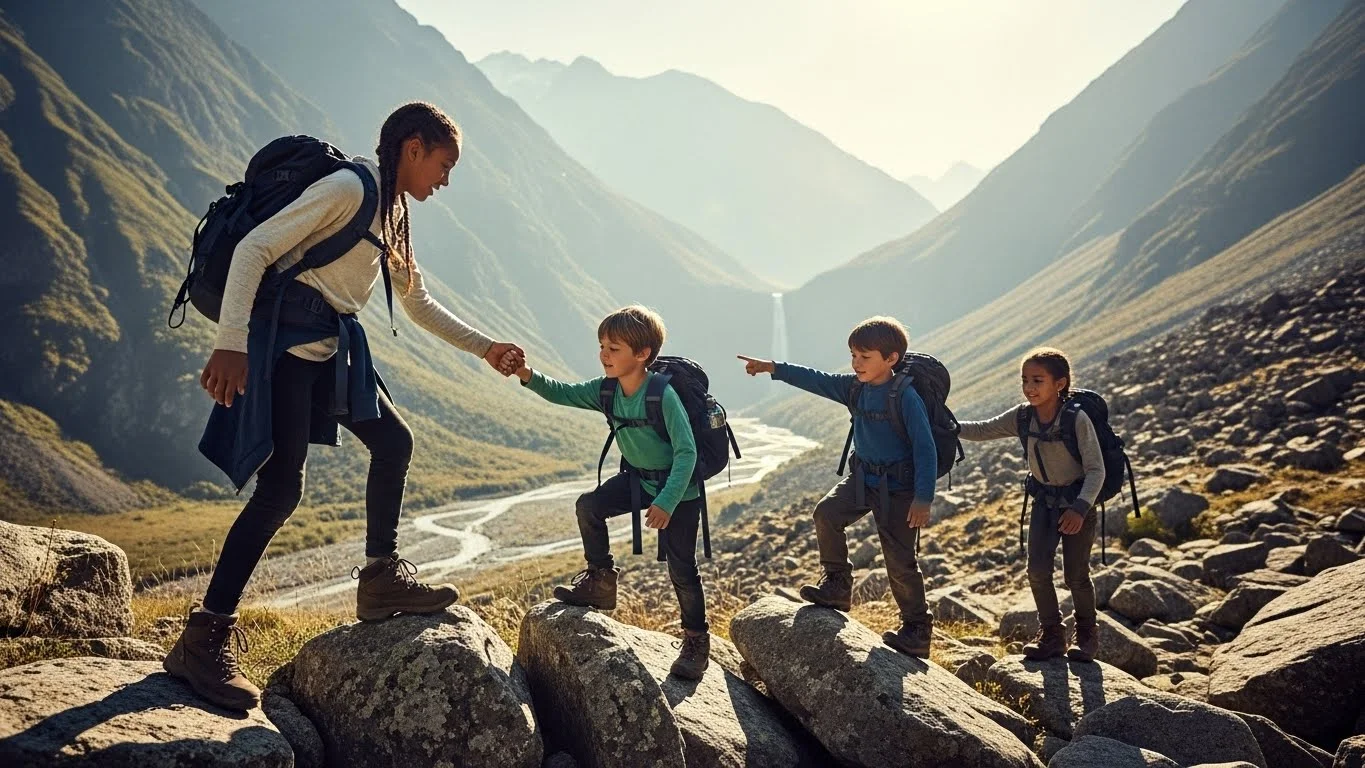
One of the most impactful ways to help children build resilience is through nature and outdoor adventures. I remember taking my kids on a hiking trip in the mountains. At first, they were hesitant, worrying about the steep climbs and the possibility of getting tired. However, as we ventured deeper into the wilderness, I saw them transform. The thrill of reaching the summit, surrounded by stunning views, was a moment that taught them perseverance. They learned that pushing through discomfort can lead to incredible rewards. Nature has this magical way of encouraging kids to challenge themselves while also connecting them with the environment. I believe these experiences foster a sense of appreciation for the world around them, enhancing their resilience both physically and mentally.
Volunteering and Service-Learning Trips
Engaging in volunteering and service-learning trips can significantly shape a child’s character and resilience. My family once participated in a community project abroad, helping to build a playground for children in need. Initially, my kids felt a bit out of their depth, but as they got involved, they discovered the joy of contributing to something bigger than themselves. They faced challenges while learning new skills, like using tools and working as a team. This experience taught them empathy and the importance of community. I noticed how they started to understand that their efforts could make a difference, which fueled their confidence and resilience in facing new challenges. Volunteering opens their eyes to diverse realities, helping them adapt and become more resourceful.
Cultural Immersion Experiences
Cultural immersion experiences are another fantastic way to build resilience in kids. I recall our family visiting a bustling city where we spent time participating in local traditions and festivals. My children stepped out of their comfort zones, trying new foods and learning phrases in a different language. What struck me was how this immersion pushed them to explore and adapt. They learned to navigate unfamiliar situations and communicate with people from different backgrounds. These moments taught them that embracing diversity can lead to beautiful connections. I believe cultural immersion not only fosters resilience but also cultivates a sense of global citizenship, helping them appreciate the rich tapestry of human experiences.
Family Road Trips and Local Exploration
Family road trips have a special place in my heart when it comes to building resilience. I remember packing the car with snacks and games, setting off on adventures to explore nearby attractions. Along the way, we faced our share of hiccups—like getting lost or dealing with unexpected detours. Instead of letting these moments frustrate us, we turned them into fun stories. I noticed my kids learned how to navigate challenges together, turning what could have been stressful situations into opportunities for laughter and bonding. Local exploration allows children to appreciate their own surroundings, and I found that even a short trip can lead to valuable lessons about resilience. These shared experiences strengthen family bonds while teaching kids that sometimes the journey is just as important as the destination.
Real-Life Examples and Case Studies
Success Stories from Families
There are countless families who have shared their success stories about how travel has helped their children grow. One family I know took their kids on a multi-country trip across Europe. Initially, the children were apprehensive about the flight and all the changes. However, by the end of the journey, they had transformed into confident little travelers, eager to share their experiences with friends. They learned to navigate different cultures, tried new foods, and even made friends with kids from different countries. This journey not only strengthened their bond as a family but also equipped the children with resilience and adaptability that I believe they will carry into adulthood.
Research Studies on Travel and Resilience
Research has increasingly shown the positive impact of travel on child development and resilience. Studies indicate that children who travel are more likely to develop critical thinking skills and adaptability. For instance, a study conducted by a well-known university found that children who engaged in travel experiences demonstrated higher emotional intelligence and problem-solving abilities. I find these findings reassuring, as I’ve witnessed similar growth in my own children. The ability to adapt to new environments and challenges is an essential life skill, and travel seems to be one of the best ways to nurture that capability. Read Interesting article: Travel Smart: Emotional Regulation for Budget Backpackers
Practical Tips for Parents
Choosing Travel Adventures for Different Ages
When planning travel adventures, I’ve found it essential to consider the age of my children. Each stage of development comes with its own set of interests and capabilities. For younger kids, short trips to local attractions can be exciting and manageable. I remember taking my toddlers to a nearby zoo; they were mesmerized by the animals, and it was a low-stress way for us to explore together. As they grow older, I think it’s a good idea to gradually introduce more complex adventures, like camping or visiting cities with rich history. For my preteens, a trip that mixes education with fun, such as visiting science museums or historical landmarks, has worked wonders. I believe that tailoring experiences based on age not only keeps them engaged but also ensures they can handle the challenges that come with travel.
Preparing Children for New Experiences
Preparation can make all the difference in how children handle new travel experiences. I learned early on that discussing our travel plans in advance can really ease anxiety. Before our last trip, we sat down as a family and talked about what to expect—where we were going, what we might do, and even the types of foods we could try. I found that involving my kids in the planning process made them feel more empowered and excited. I also recommend packing a familiar item, like a favorite toy or blanket, to help them feel secure in new environments. These small steps help build anticipation and ease any worries, creating positive associations with travel.
Encouraging Reflection After Travel
After returning from a trip, I’ve noticed the value in taking time to reflect on our experiences. It’s a great way to reinforce the lessons learned and the memories made. We often sit down together and discuss our favorite moments, what we learned, and what we found challenging. I encourage my kids to express their feelings and thoughts about the trip. By doing this, they not only consolidate their memories but also develop critical thinking skills about their experiences. I’ve even started a travel journal for my kids, where they can write or draw about each adventure. This practice has helped them appreciate the value of their experiences and has fostered deeper conversations about resilience and adaptability.
Incorporating Travel into Everyday Life
Travel doesn’t always have to mean hopping on a plane; it can be integrated into our everyday lives. I’ve discovered that local explorations can be just as enriching as far-off adventures. Simple activities like visiting a new park, exploring a different neighborhood, or attending local cultural festivals can introduce children to new experiences without the stress of long travel. We’ve made it a tradition to explore a new area during weekends or school holidays. These mini-adventures keep the spirit of exploration alive and teach my kids that there’s always something new to discover, even close to home. By nurturing this curiosity regularly, I believe we help them grow into adaptable individuals ready to embrace broader adventures in the future.
Potential Challenges of Traveling with Children
Travel Anxiety and How to Manage It
Traveling with children can sometimes bring about anxiety, both for them and for us as parents. I’ve experienced those moments when my kids feel nervous about flying or staying in a new place. Recognizing this anxiety is the first step. I’ve found that talking about their feelings openly helps a lot. We discuss what specifically makes them anxious and brainstorm ways to handle those situations. For example, if they worry about being lost, we practice identifying landmarks and using maps together. Role-playing can also be fun; pretending we’re in a new city and navigating it together can ease their fears. By addressing travel anxiety head-on, I believe we set the stage for more enjoyable experiences.
Safety Considerations While Traveling
Safety is always a top priority when traveling with kids. I remember when we were planning our first overseas trip; I felt a mix of excitement and concern. I made a checklist of safety tips, from teaching my kids about emergency contacts to ensuring they had proper identification. I also encourage them to stay close and be aware of their surroundings. Another thing I learned is to keep a first-aid kit handy for minor scrapes and bumps. By establishing safety routines, I’ve found that we can all enjoy our adventures with a bit more peace of mind. It helps kids feel secure, knowing they have a plan in place, which adds to their confidence as we explore.
Balancing Structure and Flexibility in Travel Plans
Finding the right balance between having a structured itinerary and allowing for flexibility can be tricky. I used to be a stickler for following our travel schedule, but I learned that some of the best moments come from spontaneity. When we traveled to a new city last summer, we had a loose plan but left plenty of room for exploration. This approach led us to discover a hidden café and a local street fair, both of which became highlights of our trip. I think it’s important to set a few key activities while remaining open to changing plans based on our kids’ energy levels and interests. This balance not only makes the journey more enjoyable but also teaches kids that life can be unpredictable, and that’s okay.
Final Thoughts
Reflecting on my journey as a parent, I can’t stress enough the impact that travel has had on my children’s resilience. Each trip has been like a mini-laboratory, where they experimented with new experiences and learned how to navigate the world around them. I believe that every family adventure, big or small, has the potential to teach valuable lessons that extend far beyond the trip itself.
I’ve found that the moments when things don’t go as planned often become the most cherished memories. Whether it was a flight delay that turned into an impromptu picnic at the airport or a wrong turn that led us to a charming little town, these hiccups have shown my kids that life is full of surprises. These experiences have fostered a sense of resilience that I hope will carry them through various challenges in life.
Moreover, cultivating resilience through travel has naturally translated into the everyday aspects of their lives. I’ve watched them handle disappointments at school or challenges in their friendships with a level of grace and problem-solving that I attribute to our adventures together. It’s heartening to see how they’ve started to approach obstacles with the mindset that they can find solutions, similar to how we tackled unexpected issues while traveling.
As I look at the world today, filled with uncertainty and change, I feel even more compelled to give my children the tools they need to adapt. Travel has provided them with a unique toolkit: emotional strength, flexibility, and a genuine curiosity about the world. I encourage all parents to consider how travel, in its many forms, can help weave resilience into the fabric of their children’s lives. Embracing both the planned and the unexpected during our journeys has taught us that every experience is an opportunity for growth.
In the end, it’s the shared moments and the lessons learned that shape our family bond and instill in my children a sense of adventure and resilience that will serve them well throughout their lives. So, let’s pack our bags and hit the road, not just to see new places, but to discover the inner strength within our children—and ourselves.
Frequently Asked Questions
What is the definition of resilience in children?
Resilience is the ability to bounce back from setbacks, adapt to change, and keep going in the face of adversity. For children, it means developing the capacity to cope with difficulties, both emotionally and practically.
Why is resilience important in child development?
Resilience is essential for children as they grow, as it helps them take on challenges, develop a sense of self-efficacy, and leads to better emotional health, improved academic performance, and increased social skills.
How does travel serve as a learning experience for children?
Traveling provides lessons that go beyond textbooks, offering context for the lessons learned in school. It allows children to actively engage with new environments and learn about different ecosystems and cultures firsthand.
What are the benefits of exposing children to new cultures through travel?
Exposure to diverse cultures helps children become more empathetic and open-minded. It teaches them that the world is big and varied, fostering appreciation for experiences beyond their own.
How do travel adventures build resilience in children?
Travel experiences often come with challenges, which children must navigate. Overcoming obstacles during travel builds resilience, as each small triumph gives them a sense of accomplishment that they carry into other areas of their lives.
What types of travel adventures can help foster resilience?
Nature and outdoor adventures, volunteering and service-learning trips, cultural immersion experiences, and family road trips are all effective ways to help children build resilience.
What practical tips can parents use when planning travel adventures for different ages?
Parents should consider the age of their children when planning travel. Younger kids may enjoy short local trips, while older children can handle more complex adventures. Tailoring experiences based on age ensures engagement and manageable challenges.
How can parents prepare children for new travel experiences?
Discussing travel plans in advance can ease anxiety. Involving children in the planning process and packing familiar items can help them feel secure and excited about upcoming adventures.
What role does reflection play after a travel experience?
Reflecting on travel experiences reinforces lessons learned and memories made. Discussing favorite moments and challenges helps children consolidate their memories and develop critical thinking skills.
What challenges might parents face when traveling with children?
Challenges can include travel anxiety, safety concerns, and balancing structure with flexibility in travel plans. Addressing anxiety openly, establishing safety routines, and allowing for spontaneity can help manage these challenges.