
Traveling with toddlers can feel daunting, but it’s incredibly rewarding. Beyond the fun, travel can significantly enhance your little one’s problem-solving skills, setting them up for future success in ways we often overlook. Read Interesting article: Top 5 Budget Backpacking Destinations for Toddler Problem-Solving
Understanding Problem-Solving Skills in Toddlers
What Are Problem-Solving Skills?
When I think about problem-solving skills in toddlers, I picture those moments when my child is faced with a challenge—whether it’s trying to fit a square block into a round hole or figuring out how to climb onto a high ledge at the playground. Problem-solving skills are the abilities we use to navigate obstacles, make decisions, and find solutions. For toddlers, these skills are still developing, but they play a crucial role in their everyday experiences. Problem-solving includes critical thinking, creativity, and the ability to analyze situations. I’ve noticed that when my child engages in activities that require these skills, they not only learn but also gain confidence in their abilities.
Importance of Problem-Solving in Early Childhood Development
From my experience, problem-solving is essential for toddlers as it lays the foundation for their future learning. These skills help children to think independently, explore their environment, and understand cause and effect. When my child encounters a problem—like getting a toy stuck under the couch—they learn to assess the situation and come up with strategies to resolve it. This kind of active thinking is critical during early childhood development. Studies show that children who develop strong problem-solving skills are better equipped to handle challenges later in life, whether in school or social situations. I believe that fostering these skills early on can lead to more resilient and adaptable individuals.
The Role of Travel in Learning
How Travel Exposes Toddlers to New Environments
Traveling opens up a world of experiences for toddlers that they might not encounter at home. I remember our first family trip to the beach; my child was fascinated by the sand, waves, and even the seagulls. Each new environment presents unique challenges and situations. For instance, navigating through an airport can be a mini-adventure where my toddler has to figure out how to walk through security, identify our gate, and even manage waiting times. These experiences encourage them to think on their feet and develop new strategies. I’ve seen firsthand how the unfamiliarity of a new place prompts my child to explore and interact in ways they wouldn’t at home.
Cultural Diversity and Its Impact on Cognitive Skills
Traveling exposes my child to diverse cultures, languages, and customs, broadening their worldview. When we visited a local market in another country, my child was intrigued by the colorful fruits and the different ways people interacted. This exposure not only enhances their cognitive skills but also encourages them to adapt their thinking. They learn to appreciate differences and find creative solutions in unfamiliar situations. I’ve noticed that my child becomes more adaptable and open-minded after such experiences, and it sparks their curiosity about the world around them. Read Interesting article: Exploring the World: Language Acquisition Strategies for Toddlers
Travel as a Hands-On Learning Experience
I believe that travel is one of the best hands-on learning experiences we can provide our toddlers. Instead of learning from a textbook, they interact with real-life scenarios. For instance, visiting a farm allowed my child to learn about animals and the environment while seeing everything up close. They faced various challenges, like figuring out how to feed the animals or understanding the layout of the land. Each of these moments promotes critical thinking and problem-solving as they discover new concepts firsthand. I often encourage my child to ask questions during our travels, which leads to even deeper understanding and engagement.
Key Benefits of Travel for Problem-Solving Skills
Enhancing Critical Thinking Through Exploration
Exploration is at the heart of travel, and it’s a fantastic way for toddlers to enhance their critical thinking skills. Whether we’re hiking through a national park or wandering through a bustling city, my child is constantly assessing their environment and making decisions—like choosing which path to take or deciding what to observe closely. This active engagement helps them develop a mindset that embraces inquiry and discovery. I recommend taking the time to let your toddler explore freely, allowing them to lead the way sometimes. It’s amazing what they come up with when they’re given the freedom to think critically.
Adapting to New Situations and Challenges
Every trip presents new situations that require quick thinking and adaptability. I’ve watched my child navigate unexpected delays, weather changes, and even language barriers while traveling. Each of these instances requires them to think creatively and find solutions. For example, during one trip, a sudden rainstorm forced us to change our plans. Instead of being disappointed, my child learned to embrace the moment, finding joy in jumping through puddles and discovering new indoor activities. These experiences teach them resilience and flexibility—key components of effective problem-solving.
Improving Communication Skills in Diverse Settings
Traveling exposes toddlers to a variety of communication styles, helping them develop their own communication skills. When my family visited a different country, my child encountered people speaking different languages and using non-verbal cues. This exposure encouraged them to express themselves more clearly and confidently. I noticed my child starting to mimic phrases or gestures, which shows how adaptable they can be in learning to communicate in diverse settings. These interactions foster their ability to convey thoughts and feelings effectively, a vital aspect of solving problems collaboratively. Read Interesting article: Traveling Smart: Enhance Your Toddler’s Language Development
Promoting Independence and Confidence in Decision-Making
One of the greatest rewards of traveling with my toddler has been watching them grow in independence. I’ve found that allowing them to make small decisions, like choosing a snack during a trip or deciding what to wear for an outing, boosts their confidence. Each choice they make reinforces their belief in their ability to solve problems on their own. I recall a moment when my child needed to figure out how to order food in a restaurant. With a little guidance, they stepped up to the challenge and felt proud of themselves afterward. Promoting this level of independence is essential for nurturing their problem-solving skills.
Activities to Foster Problem-Solving During Travel
Interactive Games and Puzzles While Traveling
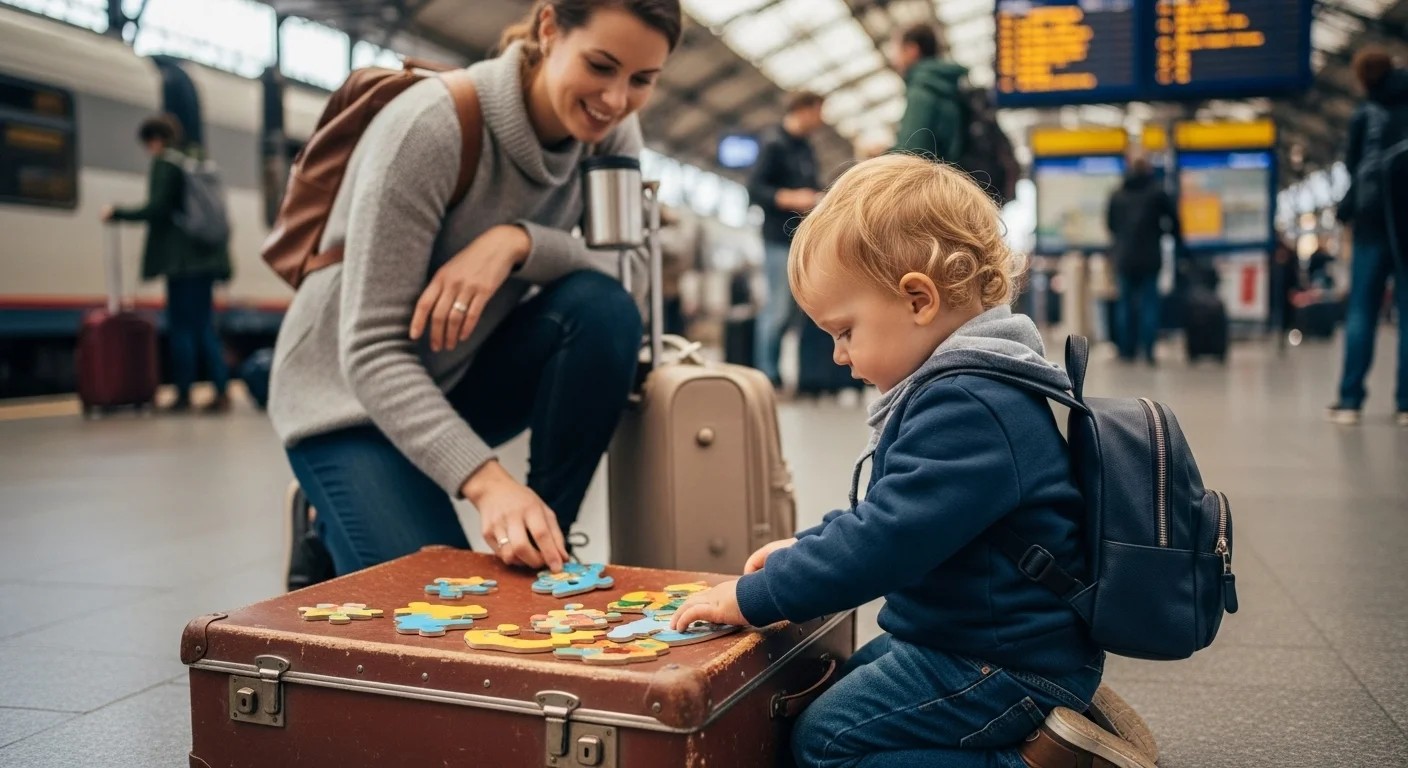
During our travels, I’ve discovered that interactive games and puzzles can be fantastic tools for fostering problem-solving skills in toddlers. Whether we’re waiting at an airport or relaxing in a hotel room, I always pack a few travel-friendly games. Simple puzzles or matching games can keep my child engaged while also encouraging them to think critically. For example, I might bring along a small jigsaw puzzle that relates to our destination, like a map of the city we’re visiting. This not only entertains them but also gives them a sense of ownership and connection to where we are. I’ve noticed that these activities help to hone their ability to focus and strategize, as they work out how to fit pieces together or complete tasks. It’s fun to watch their little minds at work!
Encouraging Exploration and Curiosity
One of the most rewarding aspects of traveling with toddlers is seeing their curiosity come alive. I’ve learned to embrace spontaneous moments where we can explore the surroundings. When we visit a new place, I try to provide opportunities for my child to discover things at their own pace. For instance, if we’re in a park, I allow them to wander and investigate the different plants or insects. I often ask open-ended questions like, “What do you think this flower is called?” or “How do you think that bug moves?” This encourages them to think deeply and explore their environment actively. I believe that curiosity is a powerful driver for learning, and fostering it during our travels can lead to significant growth in their problem-solving abilities.
Involving Toddlers in Planning the Trip
Involving my toddler in planning our trips has been one of the most enriching experiences for both of us. I remember the first time I let my child help choose our travel destination. We sat together, looked at pictures, and discussed places that sounded fun. This simple act of inclusion sparked a sense of excitement in my child and made them feel important. I also let them pick some activities from a list of kid-friendly options at our destination. This not only made the trip more enjoyable for them but also allowed them to practice decision-making. I noticed that when children feel included in the planning process, they become more invested in the experience, actively engaging with new situations as they arise.
Travel Destinations That Enhance Learning
National Parks: Engaging with Nature
National parks have become our go-to destinations for family trips. There’s something about being surrounded by nature that captivates my toddler’s imagination. I love how the vast landscapes and diverse wildlife provide endless learning opportunities. For example, on one of our trips to a national park, my child had the chance to spot different types of birds and even learn about their habitats. We took nature walks, where I encouraged them to observe their surroundings closely and ask questions. This active engagement in nature not only enhances their observational skills but also helps them develop an appreciation for the environment. I believe that being in nature encourages children to think critically about the world around them.
Cultural Cities: Learning Through History
Visiting cultural cities has always been a highlight for our family. Exploring places rich in history allows my child to connect stories from the past with the present. One time, while visiting a historic city, we stumbled upon a museum that had interactive exhibits tailored for young children. I watched my child light up as they engaged with the displays and learned about the city’s past. These experiences make history come alive and encourage my child to think about how events shape our world today. I find that fostering this connection between history and their own lives enhances their ability to solve problems and understand complex concepts.
Interactive Museums: Hands-On Learning Opportunities
We often seek out interactive museums during our travels because they are a treasure trove of hands-on learning opportunities. I remember visiting a science center where my child could touch, play, and experiment with various exhibits. They were able to engage in problem-solving activities, like building structures with blocks or experimenting with simple machines. These experiences not only make learning fun but also challenge them to think critically and creatively. I’ve seen how they become more engaged when they can experiment and see the results of their actions. Museums like these encourage curiosity and reinforce the idea that learning can happen anywhere.
Safety and Comfort Considerations While Traveling with Toddlers
Choosing Family-Friendly Accommodations
When I plan trips, one of the first things I consider is where we’ll be staying. Family-friendly accommodations can make all the difference in ensuring a smoother and more enjoyable experience for both my toddler and myself. I’ve learned the hard way that not all hotels or rentals are created equal. We once stayed in a place that wasn’t child-proofed, which led to a stressful situation with my curious little one trying to explore every nook and cranny. Now, I always look for accommodations that offer amenities like cribs, play areas, and even kitchenettes. These make it easier for us to settle in and feel at home. Plus, having a designated space for my child to play and unwind after a day of exploring keeps their spirits high! I recommend reading reviews from other families to find spots that have worked well for them.
Traveling Essentials for Toddlers
Packing for a trip with a toddler can feel overwhelming, but I’ve found that having the right essentials can make all the difference. I always include a small travel bag filled with items that keep my child entertained and comfortable. This bag usually contains favorite toys, a blanket, snacks, and a few books. I’ve learned that familiar items can provide comfort when we’re in a new environment, easing any anxiety my child may feel. Snacks are a lifesaver, too! I try to have a variety of healthy options on hand to keep their energy up without the sugar crash. I also pack an emergency kit with first aid supplies and any necessary medications. Being prepared gives me peace of mind and allows us to focus on enjoying our time together.
Maintaining Routine and Comfort During Travel
I’ve noticed that sticking to a routine, as much as possible, really helps my toddler during our travels. While it’s tempting to throw our schedule out the window when we’re on vacation, I find that keeping some familiar elements—like nap times and bedtime routines—helps my child feel secure. For example, I try to keep the same bedtime routine, which includes reading a story and cuddling, even if we’re in a hotel room. This consistency not only provides comfort but also helps them adjust to the new environment more easily. I also pay attention to their moods and energy levels, allowing for breaks when needed. I’ve found that a little downtime can go a long way in preventing meltdowns and ensuring that we all have a great time!
Parenting Tips for Maximizing Travel Benefits
Encouraging Open-Ended Questions
One of the most enriching aspects of traveling with my toddler has been the opportunity to ask open-ended questions. I’ve learned that these types of questions encourage deeper thinking and exploration. Instead of just asking, “Did you like the zoo?” I might ask, “What was your favorite animal, and why?” This not only sparks a conversation but also encourages my child to express their thoughts and feelings. I’ve seen how this helps them articulate their experiences and reflect on what they’ve learned. It’s fascinating to hear their little minds at work as they connect new ideas and observations!
Using Travel as a Teaching Moment
Traveling is an incredible opportunity for teaching valuable lessons outside the confines of a classroom. I believe that every experience can become a teaching moment. For instance, during a trip to the beach, I took the time to explain the importance of tides and how they work. We built sandcastles and talked about the materials we were using, discussing how different sands felt and behaved. I’ve found that when I tie learning to a hands-on experience, my toddler is much more engaged. This way, they’re not just absorbing facts; they’re making real-world connections that will stick with them long after the trip is over.
Documenting the Journey: Travel Journals and Scrapbooks
One of my favorite ways to preserve our travel memories and foster my child’s problem-solving skills is through documenting our adventures in a travel journal or scrapbook. I encourage my toddler to draw pictures or write about our experiences. We often collect small souvenirs like ticket stubs or postcards, which we can include in our scrapbook. I’ve noticed that this practice helps my child recall the details of our trips and think critically about what they enjoyed most. It’s a fun way to engage their creativity and reflection skills, and it gives us something tangible to look back on together. Plus, it becomes a cherished keepsake that we can revisit as they grow up!
Frequently Asked Questions
What are problem-solving skills in toddlers?
Problem-solving skills in toddlers are the abilities they use to navigate obstacles, make decisions, and find solutions. These skills include critical thinking, creativity, and the ability to analyze situations, which are crucial for their everyday experiences.
Why are problem-solving skills important in early childhood development?
Problem-solving skills lay the foundation for future learning by helping children think independently, explore their environment, and understand cause and effect. They prepare children to handle challenges later in life, such as in school or social situations.
How does travel enhance problem-solving skills in toddlers?
Travel exposes toddlers to new environments, cultural diversity, and hands-on learning experiences, all of which encourage them to think critically, adapt to new situations, and develop their problem-solving abilities through real-life challenges.
What types of activities can foster problem-solving skills during travel?
Activities that foster problem-solving skills include interactive games and puzzles, encouraging exploration and curiosity, and involving toddlers in planning the trip. These activities promote critical thinking and decision-making skills.
What are some recommended travel destinations for enhancing learning in toddlers?
National parks, cultural cities, and interactive museums are excellent travel destinations that provide hands-on learning opportunities and engage toddlers with nature, history, and science.
How can parents choose family-friendly accommodations?
Parents should look for accommodations that are child-proofed and offer amenities such as cribs, play areas, and kitchenettes. Reading reviews from other families can help identify suitable places for a smoother travel experience.
What essentials should parents pack when traveling with toddlers?
Parents should pack a travel bag with favorite toys, snacks, books, and a blanket to keep their toddler entertained and comfortable. An emergency kit with first aid supplies and necessary medications is also recommended for peace of mind.
How can maintaining routine help toddlers during travel?
Sticking to a routine, such as keeping familiar nap times and bedtime rituals, helps toddlers feel secure and adjust to new environments more easily. This consistency can prevent meltdowns and enhance the overall travel experience.
What is the benefit of asking open-ended questions during travel?
Asking open-ended questions encourages deeper thinking and exploration, allowing toddlers to express their thoughts and feelings. It helps them articulate their experiences and reflect on what they’ve learned during their travels.
How can documenting travel experiences benefit toddlers?
Documenting travel experiences through journals or scrapbooks helps toddlers recall trip details and think critically about their experiences. It engages their creativity and reflection skills, providing lasting memories they can revisit as they grow.