
Travel isn’t just about seeing new places; it’s a powerful tool for shaping a child’s development. From cognitive growth to emotional resilience, the environments we explore can leave lasting impacts on our little ones.
Understanding Child Development in Context
Key Concepts in Child Development
When I think about child development, I often reflect on how multifaceted it really is. It’s not just about physical growth or academic achievements; it encompasses social skills, emotional intelligence, and even creativity. I remember when my child first learned to express emotions effectively. It was a small moment, yet it felt monumental. Key concepts like attachment theory and the importance of play are foundational in this journey. Each stage of development brings its unique challenges and milestones, and understanding these can help us navigate the path more intentionally. For more insights, check out Understanding Cognitive Milestones in Early Childhood.
The Role of Environment in Development
Our environment plays a significant role in shaping who we become. I’ve seen firsthand how different settings influence my child’s behavior and learning. The theory of ecological systems by Urie Bronfenbrenner suggests that a child’s development is affected by various layers of their environment, from family and school to the broader community. There’s something magical about travel that offers a fresh perspective and varied experiences. Each new place provides a unique backdrop for learning and growth. For instance, visiting a museum ignited a passion for history in my child that I hadn’t noticed before. I often think about how some environments can stimulate curiosity and creativity, while others might restrict it. It’s these little revelations that make travel such a crucial element in child development.
The Impact of Travel on Child Development
Cognitive Development
Travel has an undeniable impact on cognitive development, which I’ve seen in my own experiences. When we go to new places, children are exposed to different cultures, languages, and lifestyles. This exposure fuels curiosity and encourages critical thinking. I remember the first time my child tried to navigate a foreign city. It was as if a light bulb went off. They were engaged, observing their surroundings, asking questions, and solving problems. This kind of real-world learning is irreplaceable, and it strengthens their ability to adapt and think analytically. Studies suggest that children who travel tend to perform better academically because they develop a broader perspective on the world and their place in it. You can learn more about this in the article Understanding Cognitive Milestones in Early Childhood.
Social Skills and Interaction
One of the most rewarding aspects of travel is watching children develop social skills. I’ve noticed my child becoming more confident in interacting with others when we travel. Whether it’s ordering in a restaurant or making friends at a park, these interactions build their communication skills and emotional intelligence. I remember a trip we took to a community event abroad where my child had to engage with locals. It was fascinating to see them step out of their comfort zone. They learned how to read social cues, negotiate, and even empathize with people from different backgrounds. This kind of social learning is invaluable, as it helps children understand and appreciate diversity. For more tips on enhancing these skills, read Travel Tips to Enhance Your Child’s Social Skills.
Emotional Resilience
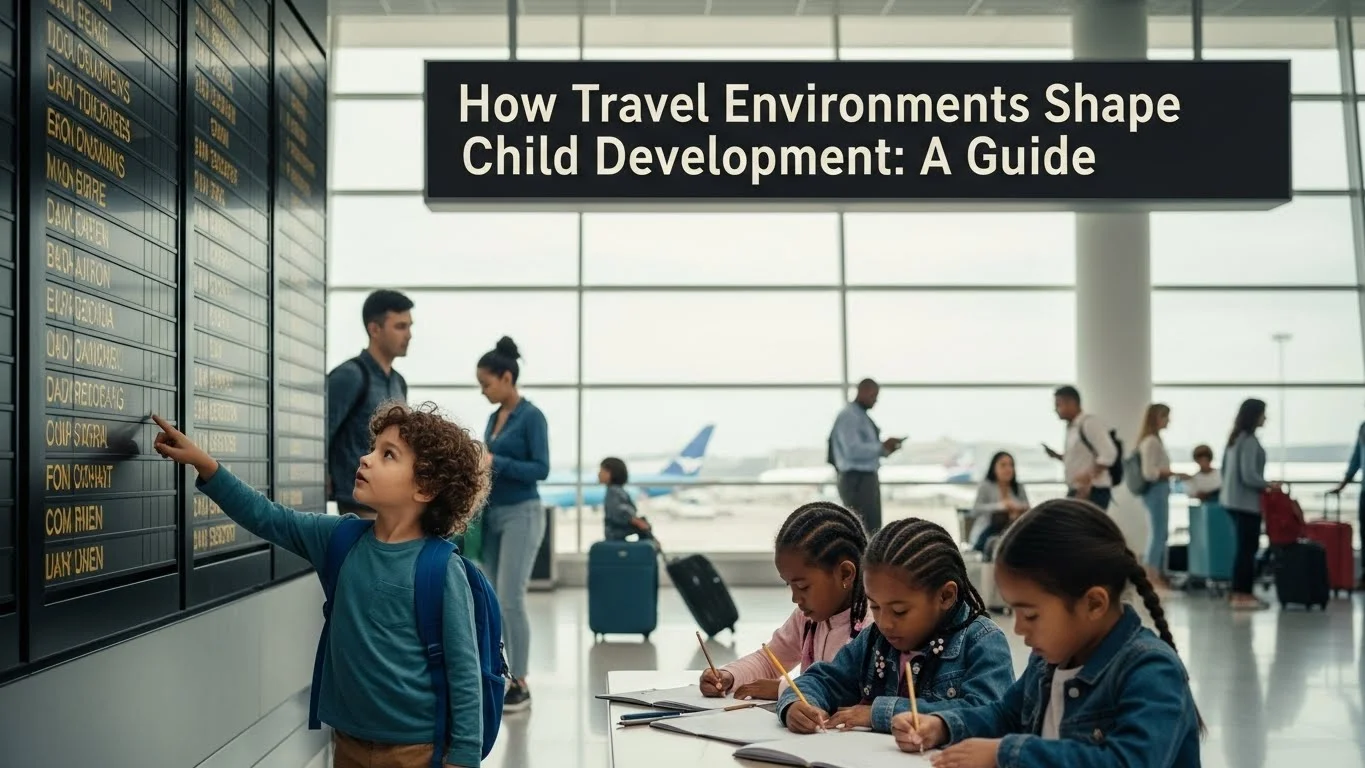
Travel can also foster emotional resilience. I’ve witnessed my child face challenges while traveling, like handling unexpected changes in plans or dealing with new environments. These experiences have taught them to be adaptable and resourceful, which are crucial life skills. I recall an instance where our flight got delayed, and instead of throwing a tantrum, my child handled it calmly. They learned to find fun in the waiting and even made friends with other kids at the airport. Developing resilience through travel helps children cope with future challenges, making them more equipped to handle life’s ups and downs.
Physical Health and Activity
Travel often encourages physical activity, which is essential for child development. I love how a simple trip can transform the way we engage with our bodies. Whether it’s hiking in the mountains or exploring a new city on foot, these activities promote physical health. I’ve seen my child grow stronger and more active during our travels. Being in a new place often sparks a sense of adventure and curiosity that leads to exploration. It’s a great reminder of how important it is for kids to move and play outdoors. By integrating physical activity into our travel plans, we not only enhance our experiences but also contribute to our child’s overall well-being.
As I reflect on these aspects, I realize that every trip we take is more than just a getaway. It’s an opportunity for growth, learning, and connection. We’re shaping our children’s futures one journey at a time, and that’s a powerful thing.
Types of Travel Environments
Urban Environments
Urban environments have a unique way of enriching a child’s development. I remember taking my child to a bustling city filled with skyscrapers, markets, and street performers. The energy was infectious! In these settings, children are exposed to diverse people and cultures, which fosters curiosity and adaptability. My child was mesmerized by the variety of languages being spoken and the different foods being offered. I found that urban travel is a fantastic way to teach children about the world’s diversity firsthand. They can learn valuable lessons just by observing the hustle and bustle around them, from understanding public transportation to interacting with people in cafes or parks. The fast-paced city life can boost their confidence and social skills as they navigate new experiences.
Rural Settings
On the other hand, rural settings offer a completely different but equally enriching experience. I cherish our trips to the countryside, where we could disconnect from the hustle of everyday life. The tranquility of nature allows for exploration and imagination. I noticed that in these settings, my child felt more free to roam and explore, leading to greater creativity. Nature walks became adventures filled with discovery—identifying plants, observing wildlife, and even stargazing at night. These moments foster a sense of wonder and appreciation for the environment. Engaging with rural communities often opens up discussions about agriculture, sustainability, and local cultures, which are crucial for a well-rounded worldview.
Natural Landscapes
Natural landscapes are perhaps my favorite travel environments due to their ability to inspire awe and learning. I think back to our family hikes in national parks; the beauty of the mountains and rivers left a lasting impression on my child. Immersing ourselves in nature not only encourages physical activity but also instills a sense of responsibility towards the environment. I’ve seen my child develop a genuine interest in wildlife conservation after witnessing animals in their natural habitats. The serenity of nature allows for introspection and emotional growth, as my child often expresses feelings and thoughts in these peaceful settings. It’s incredible how the calmness of nature can nurture emotional intelligence and resilience.
Cultural Immersion
Cultural immersion is another enriching travel experience that I believe fosters development in unique ways. When we traveled to different countries, we made a point to engage with local traditions, foods, and festivals. I vividly remember participating in a local festival where my child learned traditional dances and tasted homemade dishes. This kind of immersive experience not only builds appreciation for diversity but also enhances empathy and understanding. I’ve seen my child develop friendships with kids from different backgrounds, learning to respect and celebrate differences. These moments of connection help shape their worldview and encourage a sense of global citizenship.
Travel Experiences That Foster Development
Family Road Trips
Family road trips have a special place in my heart. There’s something about the open road that brings families closer together. I love how a road trip allows us to explore various places at our own pace. We often play games, listen to music, and share stories along the way, which strengthens our bond. I’ve noticed that these experiences foster teamwork and problem-solving skills as we navigate new routes and make spontaneous decisions about where to stop. It becomes an adventure filled with surprises and new places to discover. Each pit stop turns into a mini-exploration, allowing my child to learn about geography and local culture.
International Travel
International travel is a more expansive experience that broadens horizons significantly. I remember our first trip abroad, where my child was exposed to entirely different customs and languages. It was eye-opening to see how they adapted quickly, learning basic phrases in the local language and trying new foods. International travel opens doors to understanding global issues, histories, and perspectives. It encourages children to think critically about the world around them, and I truly believe it nurtures a sense of empathy and responsibility towards others. The memories we create during these trips are priceless and contribute to their growth in profound ways.
Camping and Outdoor Adventures
Camping trips have a way of bringing out the best in us. I’ve noticed that when we spend time outdoors, whether it’s in a tent or a cabin, my child learns practical skills like setting up a campsite or cooking over a fire. These experiences teach them self-sufficiency and teamwork. I remember a camping trip where my child helped gather firewood and learned to make s’mores. The joy on their face was priceless! Outdoor adventures also encourage appreciation for nature and wildlife, which is crucial in today’s world. It’s in these simple, unplugged moments that we often find the most meaningful connections and lessons.
Volunteering and Service Trips
Volunteering while traveling has been one of the most impactful experiences for my child. Engaging in community service during our trips has provided opportunities to learn about social issues and develop a sense of gratitude. I recall a trip where we participated in a beach cleanup. It was rewarding to see my child understand the importance of environmental stewardship and community involvement. These experiences not only foster empathy but also teach children that they have the power to make a difference. I believe that service trips can instill a lifelong commitment to helping others and being an active participant in society.
Key Developmental Benefits of Travel
Exposure to Diverse Cultures
I’ve always believed that exposure to different cultures is one of the most enriching benefits of travel. Each time we step into a new country, we’re not just entering a new place; we’re immersing ourselves in a way of life that challenges our perspectives. I remember our visit to a small village during one of our trips. The people there had such a different rhythm of life compared to ours. My child watched as locals engaged in traditional crafts, and it sparked an interest in learning about their customs and history. This type of exposure fosters open-mindedness and appreciation for diversity, which I find essential in today’s interconnected world. My child began to understand that there are many ways to live and many stories to tell, enriching their worldview and empathy for others.
Language Acquisition and Skills
Traveling also presents unique opportunities for language acquisition. I’ve seen my child pick up snippets of different languages simply by being in an environment where they are spoken. On one trip, we visited a market where vendors spoke a language I didn’t know well. My child, eager to communicate, tried to learn basic phrases to interact with the sellers. This hands-on experience made language learning exciting and engaging. I’ve learned that when children hear and use new languages in context, it sticks with them far more than traditional classroom learning. It’s a fantastic way to develop not just language skills but also confidence in communication. The joy of successfully ordering food in another language or chatting with a local is an immediate reward that deepens their learning experience.
Creative Thinking and Problem-Solving
One of the unexpected benefits of travel is how it nurtures creative thinking and problem-solving skills. I remember a trip where we got lost trying to find a particular attraction. Instead of panicking, my child took the lead, using a map and asking locals for directions. The look of determination on their face was so inspiring! This experience taught them to think critically and adapt to new situations. Travel naturally presents challenges, like navigating unfamiliar places or dealing with unexpected delays. These situations encourage children to think outside the box and come up with creative solutions, which is a valuable skill in life. I’ve noticed that my child approaches problems with a newfound resourcefulness that I believe stemmed from our travel adventures.
Building Independence and Confidence
Traveling can be a remarkable way to foster independence in children. I’ve seen firsthand how my child gained confidence by taking small steps to handle tasks on their own. For instance, during one trip, I allowed my child to carry their own backpack and navigate through the airport. They felt a sense of achievement when they successfully managed their belongings and found our gate. These little moments of independence, whether it’s choosing what to eat or deciding on activities for the day, help children learn to make decisions and trust their instincts. As they gain confidence in unfamiliar environments, they develop a belief in their abilities that can translate to other areas of their lives. I feel that travel equips them with the self-assurance needed to tackle challenges, both at home and in the future.
Practical Tips for Parents
Planning Travel with Children
When it comes to planning travel with children, I’ve learned that a little preparation goes a long way. I always start by discussing the trip with my child, allowing them to express their interests and ideas. This involvement makes them feel valued and excited about the journey ahead. I also consider the pace of our itinerary. When we traveled to a new city, I made sure to balance sightseeing with downtime. Kids can easily get overwhelmed, so scheduling breaks for play or relaxation is crucial. I recommend packing snacks and entertainment for longer journeys, as these small comforts can make a significant difference in keeping spirits high.
Choosing Age-Appropriate Destinations
Choosing the right destination is important for a fulfilling travel experience. I’ve found that some places are particularly kid-friendly, with activities that engage children and cater to their interests. For example, theme parks or interactive museums can be fantastic choices for younger children, while older kids might appreciate historical sites or nature explorations. I always consider how engaging the destination will be for my child. After all, a trip should be enjoyable for everyone involved. I think the best experiences come from places that offer a mix of fun and learning.
Incorporating Learning Opportunities
I believe travel is a golden opportunity to incorporate learning into our adventures. We often seek out local museums, cultural events, or workshops that allow my child to learn while having fun. I remember visiting a science museum where my child got to participate in hands-on experiments. It was thrilling to see them so engaged! I also encourage my child to keep a travel journal, where they can document their thoughts and experiences. This practice not only reinforces what they learn but also creates a wonderful keepsake to reflect on in the future.
Ensuring Safety and Comfort
Safety is always top of mind when traveling with children. Before every trip, I research safety tips specific to our destination, like local customs or health concerns. I also pack a small first-aid kit for unexpected bumps or scrapes. Comfort is equally important; I make sure to have familiar items like a favorite blanket or toy to help my child feel secure in unfamiliar places. I’ve noticed that these little touches can ease anxiety and help my child adapt to new environments more easily, making the travel experience enjoyable for everyone.
Frequently Asked Questions
How does travel impact a child’s cognitive development?
Travel impacts cognitive development by exposing children to different cultures, languages, and lifestyles, which fuels curiosity and encourages critical thinking. This real-world learning strengthens their ability to adapt and think analytically.
What role does travel play in developing social skills in children?
Travel helps children develop social skills by providing opportunities to interact with others, build communication skills, and enhance emotional intelligence. Engaging with locals during trips encourages children to step out of their comfort zones and learn to read social cues.
In what ways can travel foster emotional resilience in children?
Travel fosters emotional resilience by presenting children with challenges, such as unexpected changes in plans or new environments. These experiences teach adaptability and resourcefulness, which are crucial life skills.
How can travel contribute to a child’s physical health and activity?
Travel encourages physical activity through various outdoor adventures, such as hiking or exploring new cities on foot. These activities promote physical health and instill a sense of adventure and curiosity in children.
What are some benefits of traveling to urban environments for child development?
Urban environments expose children to diverse cultures and people, fostering curiosity and adaptability. Navigating city life helps boost their confidence and social skills as they engage with new experiences.
How do rural settings benefit children’s development?
Rural settings offer tranquility and opportunities for exploration, which can lead to greater creativity. Engaging with nature allows children to appreciate the environment and can open discussions about sustainability and local cultures.
What advantages does cultural immersion provide during travel?
Cultural immersion enhances empathy and understanding by allowing children to engage with local traditions, foods, and festivals. It helps shape their worldview and encourages a sense of global citizenship.
What are the key developmental benefits of family road trips?
Family road trips foster teamwork and problem-solving skills as families navigate new routes and make spontaneous decisions. They provide opportunities for bonding and learning about geography and local culture.
How can international travel enhance a child’s understanding of global issues?
International travel exposes children to different customs and histories, encouraging them to think critically about the world. It nurtures empathy and responsibility towards others as they learn about diverse perspectives.
What practical tips can parents follow when traveling with children?
Parents can ensure a successful trip by involving children in planning, choosing age-appropriate destinations, incorporating learning opportunities, and prioritizing safety and comfort throughout the journey.