
Traveling can be a magical adventure for both kids and parents. For toddlers, it’s more than just seeing new sights; it shapes their emotional understanding in ways we might not expect. Read Interesting article: How Travel Boosts Healthy Emotional Growth in Toddlers
Understanding Emotional Intelligence in Toddlers
Definition of Emotional Intelligence
Emotional intelligence, or EI, is the ability to recognize, understand, and manage our own emotions, as well as the emotions of others. I first came across this concept when I was trying to understand why my toddler reacted so differently in various situations. It’s not just about feeling happy or sad; it’s about navigating those feelings and responding appropriately. For instance, when my child throws a tantrum, it’s not just about the immediate frustration; it’s a learning moment for both of us about managing emotions.
Importance of Emotional Intelligence for Toddlers
Having strong emotional intelligence is crucial for toddlers. It helps them build relationships, communicate effectively, and cope with challenges. I’ve seen how my toddler interacts with their friends at the playground. When they can express feelings like joy, frustration, or excitement, it leads to more meaningful interactions. A child with better emotional intelligence is often more adaptable in social settings, which can lead to healthier relationships as they grow. In my experience, it’s these early stages where we lay the groundwork for a lifetime of emotional well-being.
Key Components of Emotional Intelligence
There are several key components to emotional intelligence that I’ve found particularly relevant in my parenting journey:
- Self-awareness: Knowing one’s own emotions and how they affect behavior. I remember a moment when my child realized they were upset after losing a toy, which was a big step in understanding themselves.
- Self-regulation: The ability to manage emotions and impulses. We often practice this by taking deep breaths when things don’t go as planned, teaching them to pause and think.
- Empathy: Understanding the feelings of others. I love seeing my toddler comfort a friend who falls down; they’re starting to grasp that others have feelings too.
- Social skills: Building relationships and interacting with others. It’s wonderful to watch my child share toys or take turns, showing they are starting to understand group dynamics.
How Travel Influences Emotional Development
Exposure to New Environments
Travel opens up a world of new experiences for our toddlers. When we took a family trip to the mountains, my child was exposed to a completely different environment than their usual surroundings. The sounds of chirping birds, the rustling of leaves, and the sight of wildlife sparked a curiosity that I hadn’t seen before. They started asking questions about the new environment and noticed things like the smell of pine trees and the feel of the cold wind. This exposure helps toddlers develop a sense of wonder and adaptability, which are both crucial for emotional growth. I found that these experiences made my child more comfortable with change, a skill that is invaluable in life.
Social Interactions with Diverse Cultures
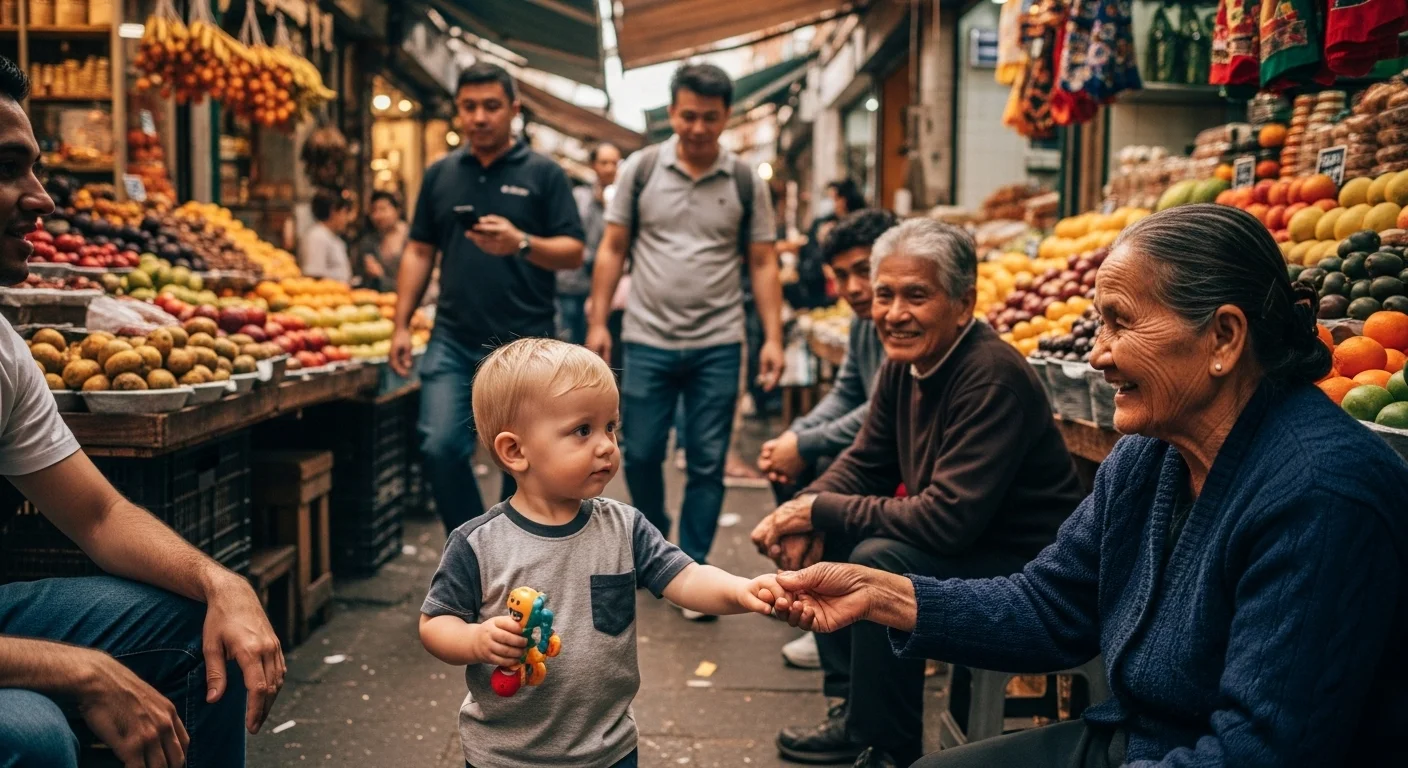
While traveling, my toddler has the chance to meet different people and experience various cultures. On a trip to a local festival, they interacted with children from diverse backgrounds, learning to share and play together despite language barriers. I believe these interactions enhance their social skills and empathy. When we engage with locals, whether it’s buying snacks from a street vendor or participating in a community event, my child learns to appreciate different perspectives. This not only enriches their understanding of the world but also fosters a connection with others, which I think is a cornerstone of emotional intelligence. Read Interesting article: Why Play is Essential for Your Toddler’s Emotional Wellbeing
Adapting to Changes and Challenges
Travel often comes with unexpected challenges—from flight delays to lost luggage. I remember one trip when our itinerary changed last minute. Instead of panicking, I decided to turn it into a fun adventure. I involved my toddler in the problem-solving process, asking them what they thought we should do next. This experience taught them resilience and adaptability. They learned that while things might not go as planned, it can still be a wonderful experience if we approach it with an open mind. I’ve seen this lesson resonate in their day-to-day life, from trying new foods to making new friends.
Benefits of Traveling with Toddlers
Enhancing Emotional Regulation
One of the most significant benefits I’ve noticed from traveling with my toddler is how it enhances their emotional regulation. Traveling can be a rollercoaster of emotions, from excitement and joy to frustration and anxiety. I remember when we took a trip to the beach; my toddler was over the moon building sandcastles and splashing in the waves. However, when a sudden rainstorm hit, I could see the disappointment wash over their face. Instead of letting it ruin the day, we turned it into a fun opportunity to explore the nearby café and indulge in some warm hot cocoa while watching the rain. This experience taught my child how to handle unexpected setbacks with grace, and I believe it reinforced their ability to manage emotions. It’s a powerful lesson that has helped them navigate both travel and everyday life more calmly.
Improving Empathy and Understanding
Travel has a unique way of enhancing empathy in young children. When my family visited a community that had experienced hardship, my toddler was introduced to children who lived very differently than they did. They noticed how some kids wore shoes that were too small and played with makeshift toys. Instead of feeling pity, my child seemed to understand that these children also found joy and laughter in their games. This realization sparked a conversation about kindness and sharing, and we ended up giving away some of our extra toys. I felt proud seeing my child grasp the importance of empathy for others. Traveling has opened their eyes to the rich tapestry of human experience, which is so crucial for developing emotional intelligence.
Boosting Confidence and Independence
As a parent, I want my child to feel confident in themselves and their abilities, and I’ve noticed that travel plays a significant role in this. When we traveled to a new city, my toddler was brave enough to try ordering their own food at a restaurant. I stood back, watching with a mix of pride and anxiety, but they confidently asked the waiter for their favorite dish. That moment of independence was huge! It showed them that they could communicate their needs and desires, even in unfamiliar settings. I’ve seen this confidence translate into other areas of their life, like expressing themselves in new social situations or trying out new activities. Traveling not only fosters independence but also invites children to take small risks, which can be incredibly empowering. Read Interesting article: Unlocking Emotional Development: The Power of Play in Toddlers
Types of Travel Experiences that Foster Emotional Intelligence
Family Road Trips
Family road trips are some of my favorite travel experiences with my toddler. They are filled with opportunities for bonding, conversation, and shared adventure. The hours spent in the car are not just about the destination; they are about the journey. I remember one trip to the Grand Canyon when we played games, sang songs, and shared stories about what we were excited to see. These moments fostered our connection and allowed my child to express their thoughts and feelings freely. Plus, the unpredictability of road trips often leads to unexpected detours and surprises, which are valuable lessons in adaptability and spontaneity.
International Travel
Taking my toddler internationally has been an eye-opening experience. I recall our visit to a bustling market in Thailand, where every sight and sound was new and stimulating. My child was initially overwhelmed but gradually became fascinated by the colors, smells, and flavors. Engaging with different languages and customs helped my toddler understand that there are many ways to communicate and connect with others. These international experiences not only broaden their horizons but also teach them to appreciate diversity, an essential aspect of emotional intelligence.
Camping and Nature Exploration
There’s something magical about camping that brings families closer together. I’ve taken my toddler on several camping trips, where we’ve explored nature trails, set up tents, and roasted marshmallows around a campfire. Being in nature has a calming effect, and I’ve seen my child thrive in the outdoors. They learn to observe their surroundings, notice wildlife, and appreciate the beauty of the world. Such experiences foster a sense of wonder and encourage them to express their feelings about nature. I believe this connection to the environment nurtures their emotional growth and resilience.
Visiting Historical Sites and Museums
Engaging with history through visits to museums and historical sites can be both educational and emotionally enriching. I remember when we visited a local history museum, and my toddler saw an exhibit on ancient civilizations. Their eyes lit up with curiosity, leading to numerous questions about the past. This sparked a conversation about empathy for those who lived differently than we do today. I’ve found that such experiences help children develop a broader perspective on life, fostering a deeper understanding of human experiences across time.
Practical Tips for Traveling with Toddlers
Choosing Family-Friendly Destinations
When planning our trips, I’ve learned that choosing family-friendly destinations makes a huge difference in our overall experience. I remember one vacation where we opted for a seaside resort known for its kid-friendly amenities. From the moment we arrived, my toddler was in heaven with activities tailored just for them—splash pads, playgrounds, and even a children’s club. These destinations often have safe environments and engaging programs that allow kids to explore while parents can relax, knowing their little ones are in good hands. I recommend doing a bit of research before booking; look for places that offer family-oriented attractions, which can enhance the trip for everyone involved.
Planning Activities that Promote Engagement
One of the best ways to ensure our travel experiences are enriching is by planning activities that promote engagement. I’ve found that a mix of structured and unstructured time works wonders. For example, during our visit to a national park, we signed up for a guided nature walk, which included storytelling about the local ecosystem. My toddler was captivated! After the tour, we spent time exploring on our own, allowing my child to collect leaves and rocks, fostering curiosity and creativity. I believe incorporating hands-on activities—like visiting farms, craft workshops, or cooking classes—can make learning fun and memorable for toddlers. It’s all about sparking their interest and encouraging them to ask questions.
Managing Expectations and Routines
Traveling with toddlers can be unpredictable, so managing expectations and keeping some semblance of routine is essential. I remember when we took a long flight to visit relatives. To prepare, we discussed what to expect, including the idea that we might have to wait at the airport or sit still for a while on the plane. I packed their favorite snacks, toys, and books to keep them entertained. During the journey, we maintained a loose schedule—snack time, playtime, and quiet time. This approach helped my toddler feel secure and less anxious about the new environment. It’s important to be flexible, of course, but having a guide can help both kids and parents navigate travel more smoothly.
Case Studies: Impact of Travel on Emotional Growth
Stories of Successful Family Trips
There’s nothing quite like hearing stories from other parents about their travel experiences with toddlers. One family I spoke with took a road trip across the country. They shared how their child, initially shy and reserved, blossomed into a confident little explorer during their travels. They visited various attractions and participated in local events, which helped their child engage with new environments and people. I was inspired by how this family encouraged their toddler to lead the way at times, allowing them to choose activities or even pick which route to take. From their experience, it was clear that giving children a sense of ownership in their travel journey can significantly boost their emotional intelligence.
Research Studies on Travel and Emotional Intelligence
Research has shown that travel can positively influence emotional growth, and I find it fascinating to read about these studies. For instance, one study I came across highlighted how children who traveled frequently exhibited higher levels of empathy and adaptability compared to those who stayed in familiar surroundings. The researchers noted that exposure to diverse situations and cultures helped children develop a more comprehensive understanding of the world. This resonated with my experiences, as I’ve seen similar results in my own child. It reinforces my belief that travel is not just a fun escape but a vital tool for emotional intelligence development. The more we can expose our toddlers to new experiences, the better equipped they will be to navigate their feelings and understand those of others.
Final Thoughts
Traveling with toddlers is an adventure that goes beyond the beautiful sights and sounds of new places. It’s about creating moments that shape their emotional intelligence and foster growth in ways we might not initially realize. From my personal experience, I’ve seen how each trip contributes to their understanding of emotions, empathy, and adaptability.
Reflecting on our journeys, I can’t help but feel grateful for the lessons learned along the way. Watching my child navigate different environments has been eye-opening. They’ve gone from being a little apprehensive in new situations to showing curiosity and enthusiasm. Each new city, beach, or forest has not only broadened their horizons but also enhanced their ability to express their feelings and understand those of others.
Travel has a unique way of opening up conversations about emotions. I remember a moment while visiting an art museum; my toddler gazed at a painting and asked why the people looked sad. This sparked a discussion about feelings and how art can express them. It’s these spontaneous moments that can really deepen their emotional understanding.
Moreover, the confidence gained from trying new things while traveling has been remarkable. Every time my toddler steps out of their comfort zone—be it tasting exotic foods or speaking to someone new—I see them grow a little bit more. They are learning that it’s okay to be vulnerable and that new experiences can be rewarding. This kind of confidence is something I wish for all children as they grow.
As our travels continue, I’m excited to see how these experiences further shape their emotional landscape. I believe that the more we expose our children to the world around them, the better equipped they will be to navigate life’s challenges. They develop a toolkit of skills that will serve them well throughout their lives, fostering resilience, empathy, and independent thinking.
In our journey as parents, it’s essential to embrace the bumps along the road—because they often become the most cherished memories. Whether it’s a delayed flight or a change of plans, how we handle these situations teaches our toddlers invaluable lessons about flexibility and optimism. I feel this is what makes traveling with toddlers not just an opportunity for fun but a crucial part of their emotional development.
So, if you’re considering traveling with your little ones, I wholeheartedly encourage you to take the plunge. The benefits are profound and long-lasting. We’re not just creating memories; we’re nurturing emotionally intelligent, compassionate, and resilient individuals. In the end, it’s these experiences that lay the foundation for a fulfilling life, one filled with emotional understanding and meaningful connections.
Frequently Asked Questions
What is emotional intelligence in toddlers?
Emotional intelligence, or EI, is the ability to recognize, understand, and manage one’s own emotions, as well as the emotions of others. It includes navigating feelings and responding appropriately in various situations.
Why is emotional intelligence important for toddlers?
Strong emotional intelligence helps toddlers build relationships, communicate effectively, and cope with challenges. It enhances their adaptability in social settings and lays the groundwork for a lifetime of emotional well-being.
What are the key components of emotional intelligence?
The key components of emotional intelligence in toddlers include self-awareness, self-regulation, empathy, and social skills. These components help children understand their own emotions and the feelings of others, facilitating better interactions.
How does travel influence emotional development in toddlers?
Travel exposes toddlers to new environments, diverse cultures, and unexpected challenges, fostering curiosity, adaptability, resilience, and empathy. These experiences contribute positively to their emotional growth.
What are the benefits of traveling with toddlers?
Traveling with toddlers enhances emotional regulation, improves empathy and understanding, and boosts confidence and independence. Such experiences help children manage emotions and develop a broader perspective on life.
What types of travel experiences can foster emotional intelligence?
Family road trips, international travel, camping, and visits to historical sites and museums are effective travel experiences that can foster emotional intelligence in toddlers by providing opportunities for bonding, exploration, and learning.
What practical tips can help when traveling with toddlers?
Choosing family-friendly destinations, planning engaging activities, and managing expectations while maintaining some routines can enhance the travel experience for both toddlers and parents.
How can family road trips benefit toddlers emotionally?
Family road trips provide bonding opportunities, encourage conversation, and allow for shared adventures. The unpredictability of road trips teaches adaptability and spontaneity, which are valuable lessons for emotional growth.
What impact does international travel have on toddlers?
International travel exposes toddlers to new languages and customs, broadening their horizons and teaching them to appreciate diversity. Such experiences enhance their emotional intelligence and understanding of different perspectives.
How does travel help develop empathy in children?
Travel introduces children to diverse experiences and lifestyles, helping them understand and appreciate the feelings of others. This exposure encourages kindness and sharing, which are essential for developing empathy.