
Uninvolved parenting can have profound effects on a child’s development. Understanding its characteristics and impacts helps us recognize the importance of parental engagement in shaping well-rounded individuals. For more insights, check out The Hidden Impacts of Uninvolved Parenting on Kids.
Understanding Uninvolved Parenting
Definition of Uninvolved Parenting
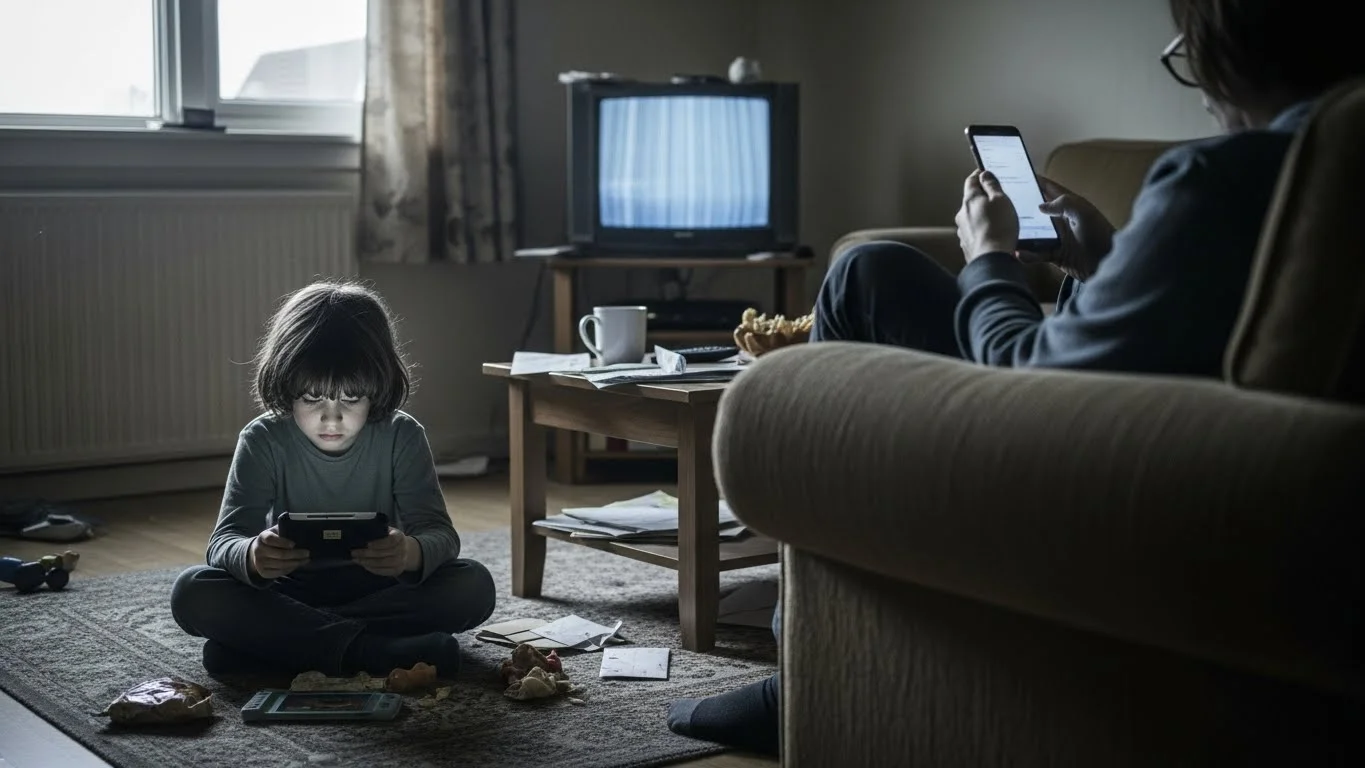
Uninvolved parenting, sometimes referred to as neglectful parenting, is a style where parents are emotionally detached and disengaged from their children’s lives. These parents often provide little guidance, nurturing, or attention, leaving children to fend for themselves in many aspects of their development. I recall reading about this style and realizing how often it could manifest in subtle ways, influencing a child’s future significantly.
Characteristics of Uninvolved Parents
As I delved deeper into the topic, I noticed several common traits among uninvolved parents. They often lack emotional involvement, showing minimal interest in their child’s activities or feelings. I remember hearing about a friend who felt completely invisible at home; her parents were busy with their own lives and rarely noticed her achievements or struggles.
Uninvolved parents might also struggle with setting boundaries. They may provide basic needs like food and shelter but fail to offer guidance on social norms or appropriate behavior. This can lead to children feeling lost and unsupported. From my perspective, it’s like navigating a ship without a compass—children are left to figure things out on their own, which can be a daunting task.
Another characteristic I found interesting is the lack of responsiveness. When children seek comfort or advice, uninvolved parents might not respond or may do so in a dismissive manner. This can create feelings of rejection and low self-worth in children. I think back to how important it is for kids to feel valued and heard; without that, they may struggle to develop a positive self-image.
Comparing Parenting Styles: Authoritative, Authoritarian, and Uninvolved
To better understand uninvolved parenting, I found it helpful to compare it with other parenting styles. Authoritative parenting, for instance, is marked by a balance of support and structure, where parents are warm and involved. I often see parents who embody this style actively engaging with their kids, helping them navigate challenges while encouraging independence. In contrast, authoritarian parents enforce strict rules and expect obedience without much warmth, which can lead to fear-driven compliance.
Uninvolved parenting sits at the extreme end of the spectrum, where the absence of both responsiveness and demandingness can leave children feeling unsupported. I’ve seen firsthand the differences this makes: kids raised by authoritative parents often thrive academically and socially, while those from uninvolved backgrounds may struggle to find their place in the world. It really emphasizes how vital engagement is to a child’s growth. For more on this topic, see Navigating Uninvolved Parenting: Key Insights for Families.
Considering these comparisons made me realize how crucial it is for parents to find a balance. Neither extreme should be the goal; a nurturing yet structured environment fosters healthier development. I believe that every child deserves to feel loved and guided along their journey.
The Impact of Uninvolved Parenting on Child Development
As I began to explore the impact of uninvolved parenting on child development, I was surprised to learn just how far-reaching these effects can be. Children who grow up with uninvolved parents often face significant challenges in various areas of their lives.
Emotional Development
Emotionally, these children may struggle with self-esteem and emotional regulation. I’ve observed that kids who receive little emotional support often have difficulty expressing their feelings. They might feel unworthy or unlovable, which can lead to emotional outbursts or withdrawal. I remember meeting someone who shared how they felt invisible in their family, leading to anxiety that carried into adulthood.
Cognitive Development
Cognitively, uninvolved parenting can hinder a child’s academic achievement. When parents do not engage in their child’s education, children may lack motivation and curiosity. I think back to stories I’ve heard where children, left to their own devices, struggle with homework or don’t see the value in learning. It’s heartbreaking to think of the potential that goes unrecognized.
Social Skills and Relationships
Socially, these children may have trouble forming healthy relationships. Since they often lack role models for effective communication, they might struggle to make friends or collaborate with peers. I know several individuals who found it challenging to trust others due to their upbringing, leading to isolation and loneliness. It’s a cycle that can be tough to break.
Behavioral Issues and Mental Health
Behaviorally, kids raised in uninvolved households may exhibit a range of issues, from delinquency to depression. The lack of parental guidance can lead to risky behaviors as they seek validation or excitement elsewhere. I’ve seen this play out in the lives of some friends, where the absence of parental involvement translated into rebellious actions that had long-term consequences. Understanding these patterns has helped me appreciate the importance of being present and involved in children’s lives.
Long-Term Effects of Uninvolved Parenting
Academic Performance and Educational Attainment
One of the most significant long-term effects of uninvolved parenting is on academic performance. I’ve often come across studies indicating that children from uninvolved backgrounds tend to have lower grades and a higher dropout rate. These kids frequently lack the encouragement and support they need to thrive in school. I remember a classmate who struggled immensely with her studies; when I learned about her home life, it made so much sense. With no one to help her with homework or discuss her school day, she felt lost. It’s heartbreaking to think about the opportunities that may slip away because of a lack of parental involvement.
Additionally, it’s not just about grades; the overall attitude toward education can be impacted. Children raised in uninvolved households might not see the value in learning or higher education. They might even view school as a chore rather than an opportunity. I believe that fostering a love for learning is essential, and without guidance, many children miss out on that crucial experience.
Adult Relationships and Social Connections
As these children grow into adults, the effects of uninvolved parenting can echo in their relationships. I’ve observed that many individuals who experienced this parenting style struggle with intimacy and trust. They might find it hard to build deep connections with others—something I think stems from their early experiences of emotional neglect. I recall talking to an acquaintance who shared how his distant upbringing made him wary of opening up to partners. He found it challenging to navigate relationships, often fearing abandonment or rejection.
Moreover, these adults may also replicate the patterns they grew up with. Without positive role models, they might not know how to nurture relationships effectively or express their feelings. I’ve seen friendships dissolve because one party couldn’t articulate their needs or fears, leading to misunderstandings. It’s a cycle that can perpetuate isolation and loneliness, making it hard for them to break free from the past.
Workplace Behavior and Professional Outcomes
The impact of uninvolved parenting often extends into the workplace as well. I have noticed that individuals who grew up without parental guidance sometimes struggle with authority and teamwork. They might have difficulties accepting feedback or collaborating with colleagues, which can hinder their career growth. I once worked with someone who had immense potential but constantly clashed with supervisors. It became evident that his inability to navigate workplace dynamics stemmed from a lack of support in developing social skills during his formative years.
Additionally, issues such as lack of motivation, poor time management, and difficulty in setting goals can also arise. I’ve heard stories of professionals who felt overwhelmed at work, not knowing how to prioritize tasks—something they never learned at home. These struggles can lead to job dissatisfaction and high turnover rates. In my opinion, recognizing these patterns is vital for both individuals and employers, as it can pave the way for interventions that support personal and professional development.
Identifying Signs of Uninvolved Parenting
Behavioral Indicators in Children
Recognizing the signs of uninvolved parenting can be crucial for intervention and support. In my experience, children from uninvolved households often display specific behavioral indicators. For instance, they may appear withdrawn or disengaged, lacking the enthusiasm typically seen in kids surrounded by supportive adults. I remember witnessing a child in my neighborhood who rarely participated in social activities and preferred to keep to himself. It was clear he longed for connection but didn’t know how to seek it out.
Another indicator is the struggle with self-discipline and responsibility. Kids might exhibit a lack of motivation for schoolwork or chores, which can stem from the absence of guidance. They may also have difficulty following rules or expectations, often pushing boundaries to test limits that were never clearly defined. I think it’s heartbreaking because these behaviors often reflect a deeper yearning for attention and validation.
Parental Attitudes and Behaviors
It’s also essential to look at the attitudes and behaviors of parents themselves. I’ve noticed that uninvolved parents often seem preoccupied with their own lives, whether it’s work, relationships, or personal issues. They may express little interest in their child’s activities or emotional needs, which can create a stark divide between parent and child. I remember meeting a couple who openly admitted they felt overwhelmed by their responsibilities and didn’t know how to engage with their kids, which left them feeling helpless.
Additionally, these parents might struggle with emotional availability. When children seek comfort or assistance, an uninvolved parent might dismiss their needs or fail to respond altogether. I think back to times when I felt unheard; it’s painful to imagine how much worse that must be for a child in need of love and support.
How to Differentiate from Other Parenting Styles
Understanding the nuances of uninvolved parenting is vital, especially when differentiating it from other styles like permissive or authoritarian parenting. While permissive parents may be lenient and indulgent, they still maintain a level of emotional involvement and care for their children. In contrast, uninvolved parents lack both the warmth and the structure, leaving their children without a moral compass or emotional safety net. I’ve often thought about how confusing it must be for children in these situations, as they don’t receive the guidance or affection they need.
Authoritarian parents, on the other hand, enforce strict rules and demand obedience but can still provide structure, albeit without warmth. In my view, the absence of any form of engagement in uninvolved parenting makes it particularly damaging. Recognizing these differences helps in understanding the full impact of uninvolved parenting and the urgent need for support and intervention for those affected. For a deeper understanding, check out Uninvolved Parenting Explained: Impact on Children’s Lives.
Strategies for Improvement and Support
Encouraging Parental Involvement
As I reflect on the many conversations I’ve had about uninvolved parenting, I realize that fostering parental involvement is essential for a child’s well-being. Encouraging parents to engage more actively in their children’s lives can significantly change the trajectory of their development. I’ve seen various strategies that can help parents become more involved. One effective approach is to create an open line of communication. Parents can start by asking their children about their day, interests, and feelings. This simple act can help bridge the emotional gap that often exists in uninvolved households. I remember a friend who began dedicating time each week to have one-on-one chats with her kids. It seemed to work wonders in helping her children feel valued and heard.
Another strategy is to set routine family activities. Planning regular family outings or game nights can build connections and create shared experiences. I’ve noticed that families who engage in such activities often find it easier to communicate and bond, ultimately leading to a more supportive environment. Additionally, parents can benefit from being more present during important moments, like attending school events or celebrating achievements. I find it heartbreaking when parents miss these opportunities because they are too preoccupied with their own lives. The more involvement parents show, the more confident and secure their children feel.
Resources for Parents Seeking Change
For parents who recognize the need to change but aren’t sure where to start, numerous resources can assist in their journey. Parenting workshops and community programs often provide valuable information and support. I remember attending a local workshop focused on active parenting strategies, where I learned practical techniques that could be implemented at home. It was enlightening to hear from professionals and other parents about their experiences and challenges.
Books and online resources can also play a significant role in fostering parental involvement. I’ve found several parenting guides that offer tips on how to engage more effectively with children. Websites that focus on child development can provide insights into the importance of emotional support and engagement. I encourage parents to explore these resources and find what resonates with them. The journey toward becoming a more involved parent can be both rewarding and transformative.
Professional Help: Therapists and Counselors
Sometimes, the journey to improvement requires more than just self-help strategies; it may necessitate professional assistance. I believe that therapists and counselors can offer invaluable support for parents struggling with uninvolved parenting. They can provide insight into underlying issues that may contribute to emotional detachment. I remember a family member who sought help from a counselor after realizing that her parenting style was affecting her children negatively. Through therapy, she uncovered personal challenges that hindered her ability to connect with her kids, and she learned how to create a more nurturing environment.
Family therapy can also be beneficial, as it encourages open communication among family members. It provides a safe space for everyone to express their feelings and concerns. I’ve seen families transform through this process, finding new ways to connect and support one another. It’s essential for parents to understand that seeking help is a sign of strength, not weakness. Every child deserves a loving and engaged parent, and taking steps toward change can lead to a healthier family dynamic.
Case Studies and Real-Life Examples
Successful Turnarounds: From Uninvolvement to Engagement
In my exploration of uninvolved parenting, I came across several inspiring case studies that showed the possibility of positive change. One standout example is a family I know where the father initially struggled with emotional detachment. He realized that his work-life balance was skewed, leaving little time for his children. After attending workshops on parental involvement, he began implementing small changes, like dedicating weekends to family activities. Over time, he noticed a significant shift in his children’s behavior; they became more open and expressive. It was heartwarming to witness how a commitment to change positively impacted their family dynamic.
Another case involved a mother who had always been preoccupied with her career, often neglecting her children’s emotional needs. After seeking therapy, she learned the importance of being present in her children’s lives. She started setting aside time each evening for family dinners, where they shared their highs and lows of the day. This simple practice fostered deeper connections and allowed her children to feel valued. I truly believe that these success stories highlight the potential for transformation and the importance of commitment to making a change.
Impact Stories from Affected Individuals
Hearing directly from individuals affected by uninvolved parenting can be both heartbreaking and enlightening. I remember listening to a podcast featuring adults reflecting on their childhood experiences. Many shared their struggles with forming relationships and coping with feelings of worthlessness. One woman described how her parents were always physically present but emotionally distant, which left her feeling isolated. She spoke about how it took years to build the self-esteem she lacked as a child. I thought it was powerful how she turned her pain into purpose by becoming a mentor for young people facing similar challenges.
Another individual shared a story about how she broke the cycle of uninvolved parenting. Growing up in a neglectful environment, she vowed to be different with her children. She spoke passionately about her commitment to fostering an emotionally supportive home. Hearing her journey was a reminder of how resilience can create positive change. It’s stories like these that inspire others to seek help and strive for a more engaged parenting approach. From my perspective, the strength it takes to address past hurts and build a better future for the next generation is truly commendable.
Frequently Asked Questions
What is uninvolved parenting?
Uninvolved parenting, also known as neglectful parenting, is a style where parents are emotionally detached and disengaged from their children’s lives, providing little guidance, nurturing, or attention.
What are the characteristics of uninvolved parents?
Uninvolved parents often lack emotional involvement, show minimal interest in their child’s activities or feelings, struggle with setting boundaries, and are unresponsive to their children’s needs for comfort or advice.
How does uninvolved parenting affect emotional development?
Children raised by uninvolved parents may struggle with self-esteem and emotional regulation, often feeling unworthy or unlovable, which can lead to emotional outbursts or withdrawal.
What impact does uninvolved parenting have on cognitive development?
Uninvolved parenting can hinder a child’s academic achievement, as children may lack motivation and curiosity when parents do not engage in their education.
How does uninvolved parenting influence social skills and relationships?
Children from uninvolved households may have trouble forming healthy relationships and may struggle with effective communication, leading to isolation and difficulties in trusting others.
What are the long-term effects of uninvolved parenting on academic performance?
Children from uninvolved backgrounds tend to have lower grades, higher dropout rates, and often lack the encouragement and support needed to thrive in school.
How does uninvolved parenting affect adult relationships?
Adults who experienced uninvolved parenting may struggle with intimacy and trust, leading to difficulties in building deep connections and potentially replicating unhealthy patterns in their own relationships.
What behavioral indicators might suggest uninvolved parenting?
Children from uninvolved households may display withdrawal, disengagement, lack of enthusiasm, and struggle with self-discipline and responsibility, often seeking attention and validation.
What strategies can encourage parental involvement?
Encouraging parental involvement can include creating open lines of communication, setting routine family activities, and being present during important moments to foster a supportive environment.
How can parents seek help for uninvolved parenting?
Parents can seek help through workshops, community programs, books, online resources, and professional counseling or therapy to address emotional detachment and improve their parenting approach.