
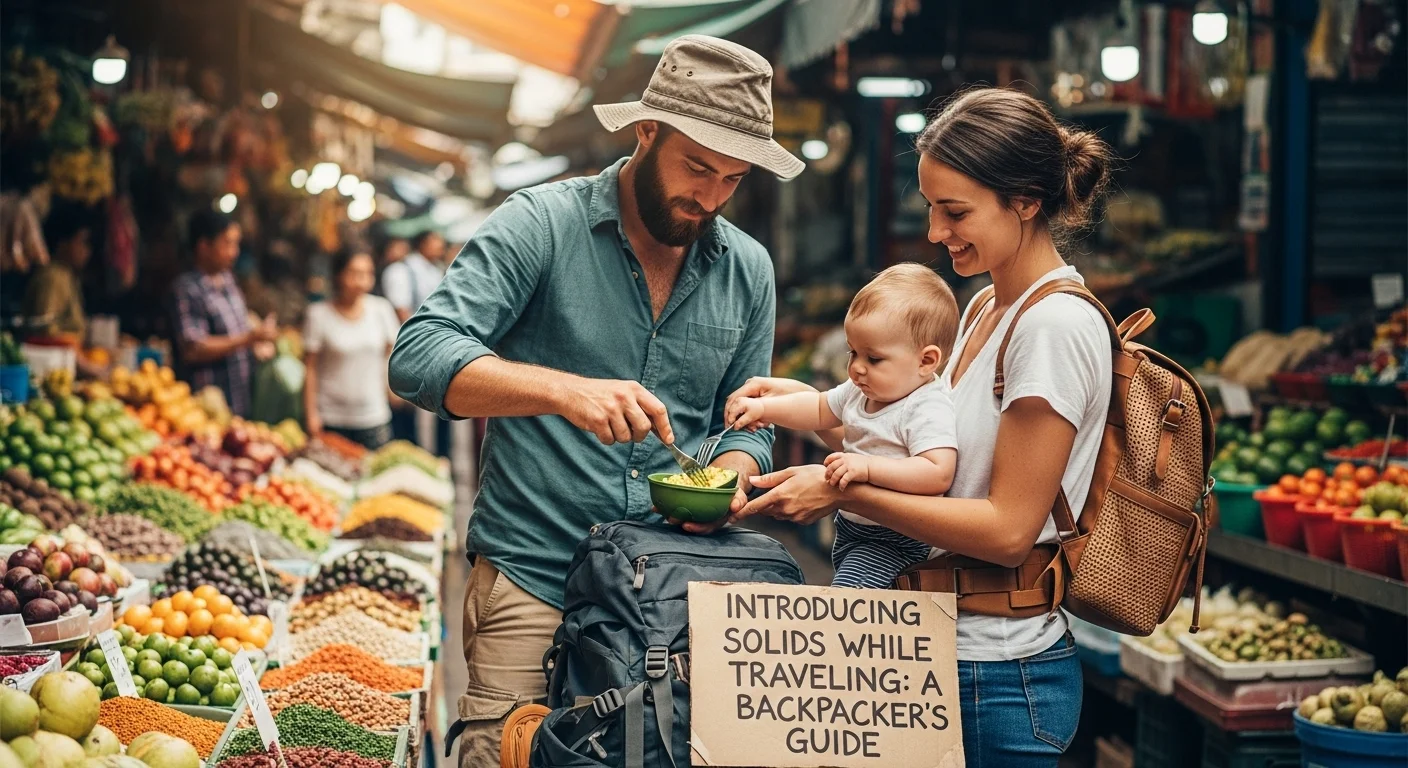
Traveling as a family can be an incredible adventure, especially when introducing your little one to solid foods. Let’s explore how to make this transition smooth and enjoyable for both you and your baby while on the road. Read Interesting article: Travel Tips: Introducing Solids for Your Little Backpacker
Understanding the Transition to Solids
What Are Solid Foods?
When I first thought about introducing solids to my baby, I quickly realized that it wasn’t just about moving from milk to food; it was a whole new world of flavors, textures, and experiences. Solid foods are any food that is not a liquid and can include pureed fruits and vegetables, grains, and eventually more complex meals. For me, this transition was all about exploration—discovering what my baby liked and introducing them to the joys of eating. I remember the first time my little one tasted mashed banana; the look of curiosity on their face was priceless!
When to Introduce Solids to Your Baby
The recommendation is to start introducing solid foods around six months of age. However, every baby is different, and I found it essential to observe my child’s readiness. I learned that the timing can greatly affect their acceptance of new foods. Some parents believe that the six-month mark is a strict rule, but I found that flexibility was key. If you’re traveling, aligning this introduction with a less hectic schedule can be beneficial, allowing you to devote the necessary attention to your baby’s new eating habits. Read Interesting article: Top Pelvic Floor Exercises for Pregnant Travelers
Signs Your Baby is Ready for Solids
It was pretty exciting for me to look for signs that my baby was ready for solids. I noticed that my baby could sit up with minimal support, seemed interested in the foods we were eating, and could move food to the back of their mouth. It felt like a little milestone—one that I wanted to capture and celebrate. Here are some signs you might notice:
- Good Head Control: Your baby should be able to hold their head up well while sitting.
- Curiosity about Food: If they reach for your food or watch you eat intently, it’s a good sign.
- Decreased Tongue Thrust Reflex: This reflex makes babies push food out of their mouths. If they’re keeping food in, they may be ready.
- Increased Appetite: If your baby seems hungrier after milk feeds, they might be ready for solids.
Recognizing these signs was empowering for me. It made the whole experience feel more collaborative between me and my baby. I think it’s important to take your time and not rush this process, especially while traveling, as being in new environments can be overwhelming for little ones.
Planning Ahead: Traveling with a Baby
Choosing the Right Time to Travel
When I planned our first trip with a baby in tow, timing became crucial. In my experience, I found that traveling during your baby’s happiest times can make a world of difference. I avoided trips during teething or sickness periods, as these times can be tough. I also discovered that traveling right after a milestone, like mastering a new skill, often made for a smoother journey. I recommend checking your baby’s schedule and aiming for times when they’re well-rested and content. This way, you’re more likely to enjoy the journey together.
Destination Considerations
Choosing the right destination can greatly impact your experience while introducing solids. I found that urban areas with access to grocery stores and restaurants made it easier to find baby-friendly foods. On the other hand, remote or rural locations posed challenges in sourcing appropriate food options. It’s also worth considering the climate—hotter destinations can affect how you store and prepare baby food. Always consider the availability of local resources; for instance, I made sure to pick up local fruits for my baby’s solid food adventures!
Health and Safety Precautions
Traveling with a baby requires extra vigilance, especially when introducing solids. I always made sure to pack a basic first-aid kit and any necessary medications. Researching local health facilities in advance provided peace of mind. Additionally, I paid close attention to food safety—making sure to wash fruits and veggies thoroughly and keeping food at safe temperatures. These precautions helped me feel more at ease, allowing for a more enjoyable travel experience.
Essential Gear for Traveling with Solid Foods
Portable High Chairs and Booster Seats
One of the best investments I made was a portable high chair. It has allowed my baby to join us at the table wherever we go. I remember being in a small café once, and the staff were amazed when I pulled out my portable seat—the look on their faces was priceless! It not only provided my baby with a safe eating space, but it also made feeding times more relaxed for me.
Baby Food Containers and Storage Solutions
When we traveled, I used small, airtight containers to store homemade baby food. I found that containers with compartments were especially useful for keeping different foods separate. I would often prepare batch meals at home before our trips, which saved me time and stress. I also learned that freezing baby food in ice cube trays made it easy to pack just the right amount for our outings. These little hacks were game-changers for our travel adventures.
Travel-Friendly Utensils and Bibs
Having the right utensils made feeding on the go so much easier. I opted for lightweight, easy-to-clean spoons and spill-proof bibs. I remember one time, I forgot to pack a bib, and I spent most of the meal trying to keep my baby clean with napkins—definitely not my finest moment! Investing in travel-friendly items has made feeding my baby less stressful and more enjoyable.
Meal Ideas for On-the-Go Eating
Homemade Baby Food Recipes
One of my favorite parts of traveling with a baby is preparing simple homemade baby food that’s easy to take along. I discovered that making baby food at home is not only cost-effective but also allows me to control the ingredients. For instance, I loved whipping up a batch of sweet potato puree before our trips. All I had to do was bake the sweet potatoes, mash them up, and store them in those handy airtight containers. I could even add a little breast milk or formula to thin it out if needed. Another hit was apple sauce—just peel, cook, and puree! Both of these were great for quick snacks while on the go.
Here are a couple of easy recipes I found super helpful:
- Avocado Mash: Just mash a ripe avocado. It’s creamy, nutritious, and requires no cooking!
- Carrot Puree: Steam carrots until soft, then blend until smooth. This one’s great served warm or cold.
- Peach Puree: Peel and chop ripe peaches, then blend until smooth. Perfect for hot summer travels!
These recipes made it so much easier to provide my baby with healthy options while we explored new places. Plus, I loved seeing how excited my little one got when trying new flavors!
Store-Bought Options: What to Look For
Sometimes, despite my best intentions, I found myself needing to rely on store-bought baby food, especially on busy travel days. I made it a point to read labels carefully; it was essential for me to choose options without added sugars or preservatives. I found that organic baby food brands often had simple, wholesome ingredients, which made me feel more comfortable using them.
Another tip I picked up was to look for pouches or jars that had a variety of flavors. It was a great way to introduce my baby to different tastes without much hassle. I remember once being stuck in an airport, and I was so grateful to find a brand that offered a delicious quinoa, blueberry, and spinach blend. My baby loved it, and it made me feel good knowing I was giving them something healthy.
Snack Ideas for Traveling Parents
As a parent, I quickly realized that I needed to pack some snacks for myself, too! Traveling can often lead to snacking on unhealthy options, but I found that bringing along a few healthy choices worked wonders for keeping my energy up. I started preparing snack bags with nuts, granola bars, and dried fruit. Not only were they easy to pack, but they also provided a nutritious boost when I needed it most.
I also loved bringing along some quick bites that I could enjoy while feeding my baby. Here are a few ideas that worked for me:
- Whole Grain Crackers: These are great for both me and my baby, and they can be paired with some cheese or nut butter.
- Fruit Sticks: I would cut up some apple or pear sticks for easy snacking; they were perfect for sharing with my little one.
- Homemade Energy Bites: I made small bites using oats, honey, peanut butter, and mini chocolate chips. A sweet treat that kept me going!
Having these snacks ready helped keep us both satisfied and made the journey much more enjoyable.
Feeding Your Baby While Traveling
Strategies for Feeding in Different Environments
Feeding my baby while traveling often felt like a challenge, especially in unfamiliar places. I learned that having a few strategies in my back pocket could make a world of difference. For instance, I always chose to find a quiet corner in restaurants or cafes where my baby could focus on eating without too many distractions. I remember one time, we found a cozy little spot at a roadside diner, and it turned out to be the perfect place for my baby to enjoy their meal.
Another strategy I found useful was to create a portable feeding station. I would set up a small blanket on the grass if we were at a park or use a table when dining out. This simple act of having a designated spot made feeding feel more special and less chaotic. I’ve also noticed that keeping meals short and sweet worked well, especially when my baby was getting antsy.
Finding Suitable Places to Eat
Finding places to eat that were baby-friendly was another adventure. I started looking for restaurants that had high chairs or even better, a kid-friendly menu. I also made sure to check if they were accommodating with food allergies or preferences, as this was essential for our travels. There were times when we stumbled upon fantastic family-friendly spots that offered healthy options, and it felt like a real win! My favorite was a local café that had a dedicated kids’ menu and allowed us to swap ingredients.
One of the best travel hacks I learned was to use apps that show kid-friendly restaurants in the area. This made it easier to plan our meals ahead of time, and I appreciated being able to read reviews from other parents to find out what worked best for them.
Dealing with Dietary Restrictions or Allergies
Traveling with a baby sometimes meant being cautious about dietary restrictions or allergies. I quickly learned the importance of informing restaurant staff about my baby’s needs. I remember being nervous the first time I asked about allergens but found that most places were accommodating and happy to help. It also felt empowering to advocate for my baby’s health and safety.
I kept a list of any allergens or foods to avoid on my phone, which made it easy to reference when ordering. Additionally, I made sure to pack some go-to snacks that I knew were safe and healthy, just in case. Having this backup plan eased my worries and allowed us to enjoy our meals, knowing my baby was safe.
Healthy Eating Tips While Traveling
Maintaining a Balanced Diet for Your Baby
As I traveled with my baby, I quickly realized how important it was to maintain a balanced diet during our adventures. I wanted to ensure that my little one was getting the nutrients they needed, even when we were on the go. I focused on incorporating a variety of foods, including fruits, vegetables, grains, and proteins, into their meals. A tip that worked for me was to always have a rainbow of options available. I remember visiting a farmer’s market and picking up colorful fruits and veggies. The vibrant colors not only made the meals visually appealing but also ensured that my baby was getting a range of vitamins.
When it came to meals, I tried to mix and match different food groups. For example, I would combine pureed peas with quinoa or mix sweet potato with lentils. These combinations not only tasted great but also provided a balanced meal. I found that flexibility was key. If I couldn’t prepare something from scratch, I could easily adapt store-bought options to create a balanced meal. Simply adding some fresh fruit or a sprinkle of oats could elevate a simple jar of baby food to a more fulfilling meal.
Hydration Tips for Babies
Keeping my baby hydrated while traveling was another priority. Babies can get dehydrated quickly, especially in warm weather or during travel days filled with excitement. I learned that breast milk or formula should still be the primary source of hydration, but I also offered small sips of water as they began to eat solids. I found that using a spill-proof sippy cup made this much easier. My baby loved the independence of holding their cup, and it helped keep things tidy during meals.
On particularly hot days, I made sure to offer extra fluids. I remember one day at the beach when I packed a cooler with chilled water and some pureed fruits. It was a refreshing treat for both of us! Infusing water with fresh fruits, like a slice of lemon or a few berries, was another trick I discovered; it made hydration more enticing for my baby. Just be sure to introduce water gradually and keep an eye on their overall intake.
Incorporating Local Foods Safely
One of the joys of traveling is experiencing local cuisines, and I wanted to share that with my baby while ensuring it was safe for them. When we arrived at a new destination, I always looked for opportunities to incorporate local foods into my baby’s diet. I found that many cultures have delicious, baby-friendly options that are perfect for little ones just starting with solids.
For instance, during a trip to Italy, I discovered that many dishes were simple and made with fresh ingredients. I could easily find pureed or mashed versions of local foods, like ripe tomatoes or sweet squash. I remember visiting a quaint little trattoria where the chef prepared a fresh vegetable puree just for my baby. It was a wonderful way for them to experience new flavors. I made sure to ask about preparation methods and ingredients to ensure there were no hidden allergens.
However, I also learned to be cautious about introducing new foods. I always followed the “three-day rule” when trying something completely new. This meant waiting three days between introducing new foods to monitor for any possible allergic reactions. This approach gave me peace of mind, especially while navigating new culinary experiences. I would document each new food in my travel journal, noting any reactions, which helped me keep track of what my baby enjoyed and what to avoid.
Traveling with a baby can certainly be a bit challenging, but I found that with some planning and a willingness to embrace new experiences, it could also be a delightful adventure for both of us. Watching my baby explore new flavors and textures while we traveled was one of the most rewarding parts of our journeys together.
Frequently Asked Questions
What are solid foods?
Solid foods are any food that is not a liquid and can include pureed fruits and vegetables, grains, and eventually more complex meals. It’s about introducing your baby to a whole new world of flavors, textures, and experiences.
When should I introduce solids to my baby?
The recommendation is to start introducing solid foods around six months of age. However, it’s essential to observe your baby’s readiness as every baby is different.
What signs indicate that my baby is ready for solids?
Signs your baby may be ready for solids include good head control, curiosity about food, decreased tongue thrust reflex, and an increased appetite after milk feeds.
What should I consider when planning to travel with a baby?
When traveling with a baby, consider timing your trip during your baby’s happiest times, choosing a suitable destination with access to baby-friendly foods, and being vigilant about health and safety precautions.
What essential gear should I pack for feeding my baby while traveling?
Essential gear includes a portable high chair, baby food containers, travel-friendly utensils, and spill-proof bibs to make feeding on the go easier.
What are some easy homemade baby food recipes for traveling?
Some easy recipes include avocado mash, carrot puree, and peach puree. These are nutritious and simple to prepare, making them great options for on-the-go eating.
How can I ensure my baby stays hydrated while traveling?
Keep your baby hydrated by continuing to offer breast milk or formula, providing small sips of water, and using a spill-proof sippy cup. Offer extra fluids on hot days as needed.
How can I incorporate local foods safely into my baby’s diet while traveling?
Look for baby-friendly local cuisines and always ask about preparation methods and ingredients to avoid allergens. Follow the “three-day rule” when introducing new foods to monitor for any allergic reactions.
What tips can help maintain a balanced diet for my baby while traveling?
Incorporate a variety of foods, including fruits, vegetables, grains, and proteins. Mixing and matching different food groups can help provide balanced meals, even with store-bought options.
How can I find suitable places to eat when traveling with a baby?
Look for restaurants with high chairs, kid-friendly menus, and accommodating staff. Using apps to find kid-friendly restaurants can also help in planning meals ahead of time.