
Have you ever wondered if permissive parenting is the right approach for your family? This style, with its focus on freedom and flexibility, can lead to unique outcomes for children. Let’s explore the ins and outs of permissive parenting together. Read Interesting article: Exploring Permissive Parenting: Pros, Cons, and Tips
Understanding Permissive Parenting
Definition of Permissive Parenting
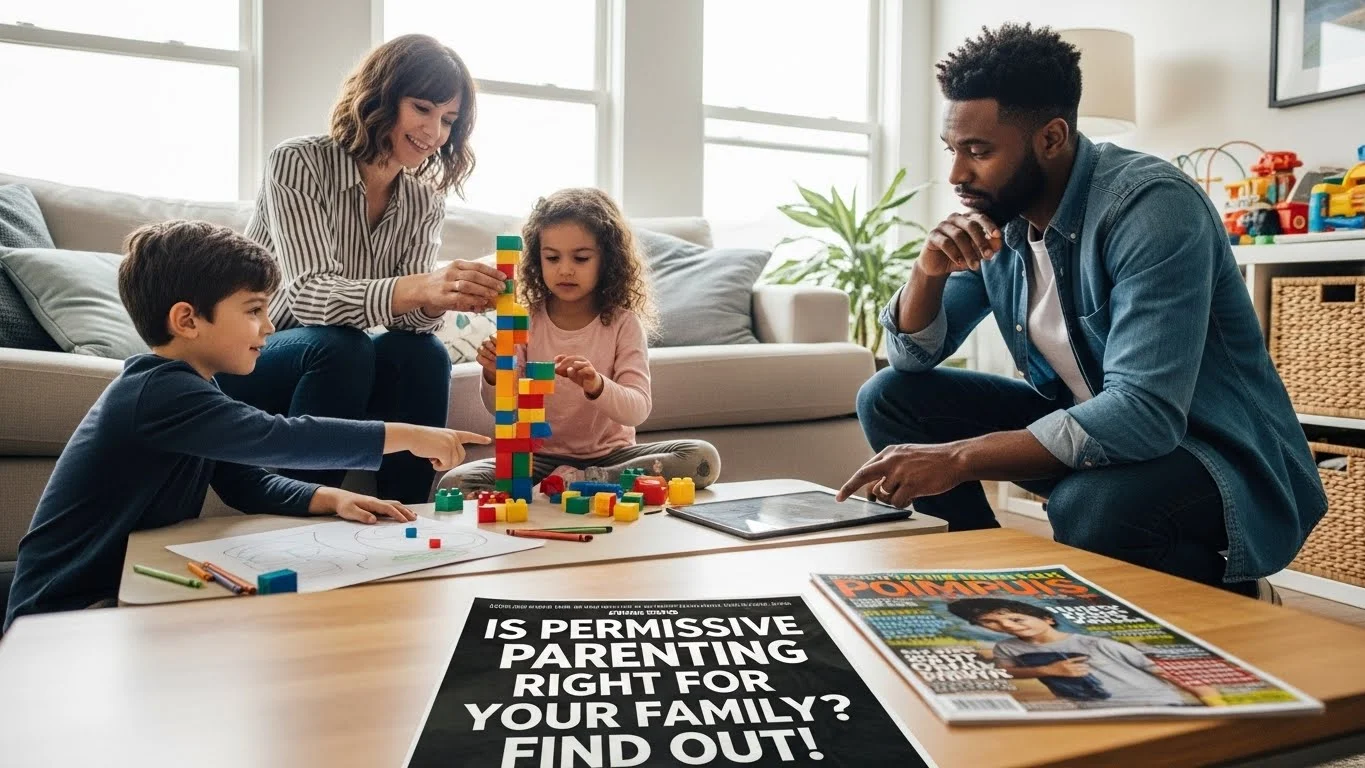
Permissive parenting, to me, feels like a breath of fresh air compared to more traditional styles. It emphasizes a nurturing, loving environment where children have the freedom to make their own choices. As a parent, I often find myself torn between wanting to guide my kids and giving them the leeway to explore. Permissive parenting is all about that freedom, allowing kids to set their own limits to some extent. This doesn’t mean parents lack involvement; instead, they act more like friends than authority figures, providing support and love without strict rules.
Characteristics of Permissive Parenting
Through my own experience and observations, I’ve noticed several key characteristics of permissive parenting. Typically, permissive parents are highly responsive to their children’s needs, often putting emotional connection above discipline. They tend to have fewer rules and expectations, preferring to let children learn from their own mistakes rather than imposing strict consequences. This can create a relaxed atmosphere at home, where kids feel comfortable expressing themselves without fear of judgment.
Another aspect I find interesting is that permissive parents usually value their child’s opinions and feelings highly. They are likely to encourage open discussions about decisions, allowing kids to weigh in on family matters, which can foster a strong bond. But I’ve also seen that this approach can sometimes lead to confusion in children about what’s acceptable behavior because the boundaries are often quite vague.
Comparison with Other Parenting Styles
When I think about how permissive parenting stacks up against other styles, it’s clear there are some notable differences. For example, authoritative parenting combines warmth with structure, where expectations are clear and boundaries are set. In contrast, permissive parents might avoid strict boundaries altogether, favoring a more lenient approach. This can lead to a more relaxed household, but it might not provide the guidance some children thrive on. Read Interesting article: Exploring the World: Authoritative Parenting Insights
On the other end of the spectrum is authoritarian parenting, which is characterized by high demands and low responsiveness. I often find myself reflecting on how children from these households may struggle with independence compared to those raised in more permissive environments, where they can explore and make choices freely.
Then there’s uninvolved parenting, which is quite the opposite of permissive parenting. Uninvolved parents typically provide little guidance, nurturing, or attention, which can lead to serious issues in children’s development. I believe that permissive parenting, when balanced, strikes a better chord since it nurtures relationships while allowing children some autonomy.
Benefits of Permissive Parenting
Fostering Independence in Children
One of the biggest benefits I’ve witnessed with permissive parenting is the way it fosters independence in children. When kids are given the freedom to make choices, they learn to trust their instincts. I’ve seen my children tackle challenges head-on because they feel empowered to make decisions. This independence can be incredibly beneficial as they grow older and face the complexities of life outside the home.
Encouraging Open Communication
I also appreciate how permissive parenting encourages open communication. It’s so vital for children to feel heard, and in my experience, this parenting style cultivates an atmosphere where kids are comfortable sharing their thoughts and feelings. This open line of communication not only strengthens our bond but also allows me to guide them through life’s challenges more effectively.
Enhancing Creativity and Self-Expression
Another remarkable aspect is that permissive parenting often enhances creativity and self-expression. I’ve noticed that when children are free to explore their interests without fear of criticism, their creativity flourishes. They try new things, whether it’s art, music, or sports, without the pressure of needing to succeed right away. This has led my kids to discover passions that I might never have guessed they’d have!
Potential Drawbacks of Permissive Parenting
Lack of Structure and Boundaries
While I love the freedom that comes with permissive parenting, I’ve also noticed that it can lead to a lack of structure and boundaries. This can be a double-edged sword. Without clear guidelines, kids might feel lost or unsure about what’s expected of them. I’ve seen this happen in my own home; there are days when my kids seem to thrive in the freedom, but other times, it feels like they need more direction. I believe that establishing some basic rules is essential, even if they are flexible. It’s all about finding that sweet spot between freedom and guidance.
Possible Behavioral Issues
Another concern I’ve encountered is the potential for behavioral issues. Kids who are raised in permissive households may struggle with self-discipline. For instance, I’ve seen a few friends’ children who, despite their loving environment, sometimes push the limits when it comes to respecting authority or understanding consequences. They might become accustomed to getting their way and may throw tantrums or become defiant when they encounter limits. This has made me realize how important it is to teach kids about accountability while still allowing them the freedom to express themselves.
Impact on Academic Performance
There’s also the consideration of academic performance. I’ve read studies suggesting that children raised with permissive parenting might not perform as well in school compared to those with more structured environments. It makes sense to me; if kids are used to making their own choices without much guidance, they might overlook the importance of routine and discipline necessary for their studies. I’ve had moments where I needed to step in and create a homework schedule for my kids to help them stay on track. In my experience, guiding them to balance their freedom with responsibilities has been crucial in supporting their academic success. Read Interesting article: Travel Tips for Kids Raised with Authoritative Parenting
When Permissive Parenting May Be Appropriate
Child’s Personality and Temperament
I’ve come to realize that permissive parenting might be more suited for certain children based on their personality and temperament. Some kids naturally thrive with a bit more independence, while others may feel overwhelmed without clear boundaries. I remember a friend who has a highly creative child who flourishes in an open environment. They’ve seen amazing results, as their child often comes up with brilliant ideas and solutions. Conversely, I’ve noticed that children who are more anxious or sensitive might benefit from a little more structure. It’s all about understanding your child’s unique needs and adjusting accordingly.
Family Dynamics and Values
Family dynamics also play a significant role in whether permissive parenting is appropriate. In my family, we value open communication and emotional support, which aligns well with permissive parenting. It works for us because we often discuss our values and encourage our kids to think critically about their choices. However, I’ve also seen families where a more traditional approach fits better due to cultural or personal beliefs. It’s important to reflect on how your family’s values influence your parenting style and how you can create an environment that feels right for everyone.
Specific Situations or Life Stages
There are certain situations or life stages where permissive parenting may shine. For example, during a transition like moving to a new school or dealing with a significant life change, I’ve found that being a little more lenient can help children cope. Allowing them to navigate their feelings and make some decisions can be empowering. I remember when my family moved across the country; I let my kids have more say in their routines, and it helped them feel more in control during that chaotic time. Each child is different, and being adaptable can make a world of difference.
How to Implement Permissive Parenting Effectively
Establishing Healthy Boundaries
Implementing permissive parenting effectively requires establishing healthy boundaries. I’ve learned that it’s essential to have some guidelines in place, even if they are flexible. It’s about creating an environment where kids can express themselves while understanding that certain behaviors are not acceptable. For instance, I set up core family values, such as respect and kindness, that my kids need to follow. This way, they know where the boundaries lie while still enjoying their freedom.
Balancing Freedom and Responsibility
Finding the balance between freedom and responsibility is crucial in permissive parenting. I strive to give my kids the freedom to make choices, but I also remind them that with that freedom comes responsibility. For example, when my children want to stay up late, I let them but encourage them to think about how that impacts their school performance the next day. It’s about empowering them to make decisions while also helping them understand the consequences of those choices.
Communicating Expectations Clearly
Clear communication is another key aspect of permissive parenting. I’ve found that discussing expectations is vital to avoid confusion. When I talk openly with my kids about what I hope for them, it helps them understand their responsibilities. I encourage them to share their thoughts as well, fostering a collaborative atmosphere where we can work together to set goals. This has helped us build a strong relationship based on trust and understanding, which I think is fundamental to effective parenting.
Alternatives to Permissive Parenting
Authoritative Parenting Style
As I’ve explored permissive parenting, I couldn’t help but notice how it stands in contrast to the authoritative parenting style. Authoritative parenting is often seen as the gold standard because it strikes a balance between responsiveness and demandingness. I’ve read that authoritative parents set clear expectations while still being supportive and nurturing. Personally, I think this style resonates with many parents who want to provide guidance but also value their children’s voices. I remember attending a parenting workshop where the facilitator encouraged us to adopt authoritative techniques, emphasizing the importance of setting boundaries while remaining approachable. This balance allows children to feel secure and loved while also understanding the importance of rules.
Attachment Parenting Approach
Another alternative that piqued my interest is attachment parenting. This style focuses on creating strong emotional bonds through responsive care. I’ve seen friends who practice attachment parenting and they often prioritize closeness, whether through co-sleeping or extended breastfeeding. They believe that nurturing a child’s emotional needs leads to healthier development. I appreciate how this approach emphasizes the importance of connection, which I think is vital for building trust. However, I also noticed that some parents struggle with feeling overwhelmed by the demands of constant responsiveness. It’s a delicate balance, and I believe each family must figure out what works best for them.
Comparing Parenting Styles
Comparing these different parenting styles has really opened my eyes to the vast spectrum of approaches available. While permissive parenting allows for freedom and self-expression, authoritative parenting provides a framework that can help children thrive academically and socially. I’ve seen how the structure of authoritative parenting helps children understand their responsibilities while still feeling loved. On the other hand, attachment parenting nurtures emotional closeness, which can be incredibly beneficial but might feel restricting to some parents. Ultimately, I feel that each style offers something unique, and the key is to find the right balance that fits your family’s needs and circumstances.
Advice from Parenting Experts
Insights from Child Psychologists
I’ve often found comfort in seeking advice from child psychologists when navigating the complexities of parenting. Many experts emphasize the importance of understanding your child’s unique temperament and needs. I remember reading an article by a child psychologist who suggested that while permissive parenting can be beneficial, it’s crucial to keep an eye on your child’s ability to handle freedom responsibly. They encouraged parents to engage with their children in conversations about choices and consequences. I think this approach not only helps children learn accountability but also fosters a sense of security as they know their parents are involved and care about their decisions.
Real-life Experiences from Parents
Listening to real-life experiences from other parents has been incredibly insightful for me. I joined a local parenting group where we share our stories and challenges. One parent shared how they initially embraced permissive parenting but later found that their child struggled with self-discipline. This led them to incorporate more structure into their home life. Hearing about their journey made me reflect on my own parenting and consider how I could adjust my approach if I noticed similar signs from my kids. I think sharing these experiences helps us all learn from one another, offering practical advice that can be applied in our own families.
Resources for Further Reading
Books on Parenting Styles
Finding the right resources has been a game-changer for me. I’ve discovered various books that delve into different parenting styles, including permissive parenting. One book that resonated with me is “The Whole-Brain Child” by Daniel J. Siegel and Tina Payne Bryson. It explains how understanding brain development can help parents connect with their children in meaningful ways. There’s also “Parenting with Love and Logic” by Charles Fay and Foster Cline, which offers strategies for allowing children to learn from their choices while still providing guidance. These books have not only enriched my understanding but also inspired me to try new techniques in my parenting journey.
Online Parenting Communities
Online parenting communities have also been an incredible resource for me. Sites like Reddit and parenting forums are great places to find advice and share experiences. I’ve connected with parents facing similar challenges, and it’s comforting to know that I’m not alone in navigating this journey. These communities often have discussions on various parenting styles, including permissive parenting, where I’ve found practical tips and different perspectives that have helped me think critically about my own approach.
Workshops and Seminars on Parenting
Attending workshops and seminars has been another valuable avenue for learning. I’ve participated in several parenting workshops that discuss various styles, including permissive parenting. These events often feature expert speakers and provide a space for discussion and questions. I remember one seminar where we practiced role-playing scenarios to better understand how to communicate with our kids. These hands-on experiences have given me confidence in my parenting choices, helping me blend techniques from different styles that work best for my family.
Final Thoughts
Reflecting on the journey of permissive parenting, I realize it’s a path filled with both joy and challenges. It’s not a one-size-fits-all solution, and I’ve come to appreciate its nuances. There’s a unique beauty in watching children explore their world, make choices, and sometimes stumble along the way. I’ve learned that this style fosters a sense of independence that can be invaluable as they grow, but it’s crucial to maintain balance.
In my experience, blending aspects of permissive parenting with some structure has created a nurturing environment where my children thrive. I’ve seen them develop confidence and creativity while also understanding the importance of responsibility. I think the key is to remain adaptable, paying attention to their individual needs and adjusting our approach as necessary. After all, every child is different, and what works for one may not work for another.
As I navigate this parenting journey, I often remind myself that it’s okay to seek support and advice. Whether it’s from books, online communities, or workshops, gaining insights from others has helped me refine my approach. I believe that parenting is a continuous learning experience, and being open to new ideas and strategies is essential.
Ultimately, I feel that permissive parenting can be a rewarding approach if implemented thoughtfully. It’s about finding that sweet spot where love, freedom, and guidance coexist, allowing our children to flourish in a safe and supportive environment. I encourage all parents to explore what resonates with their family and to embrace the journey, with all its ups and downs, as we strive to raise happy, well-adjusted individuals.
My hope is that by sharing my experiences and insights, I can inspire others to reflect on their own parenting styles and consider how they can create a positive atmosphere for their children. After all, parenting is a shared experience, and together, we can learn and grow in this beautiful adventure of raising the next generation.
Frequently Asked Questions
What is permissive parenting?
Permissive parenting is a style that emphasizes a nurturing, loving environment where children have the freedom to make their own choices. Parents act more like friends than authority figures, providing support and love without strict rules.
What are the key characteristics of permissive parenting?
Key characteristics of permissive parenting include being highly responsive to children’s needs, having fewer rules and expectations, valuing children’s opinions, and encouraging open discussions about decisions. This creates a relaxed atmosphere where kids feel comfortable expressing themselves.
How does permissive parenting compare to other parenting styles?
Permissive parenting differs from authoritative parenting, which combines warmth with structure, and authoritarian parenting, characterized by high demands and low responsiveness. It is also contrasted with uninvolved parenting, which provides little guidance or emotional support.
What are the benefits of permissive parenting?
Benefits of permissive parenting include fostering independence in children, encouraging open communication, and enhancing creativity and self-expression. Children learn to trust their instincts and feel comfortable sharing their thoughts and feelings.
What are the potential drawbacks of permissive parenting?
Potential drawbacks include a lack of structure and boundaries, possible behavioral issues such as struggles with self-discipline, and impacts on academic performance due to the absence of routine and discipline.
When might permissive parenting be appropriate?
Permissive parenting may be more suitable based on a child’s personality and temperament, family dynamics and values, and specific situations or life stages where flexibility can help children cope with transitions.
How can permissive parenting be implemented effectively?
Effective implementation of permissive parenting involves establishing healthy boundaries, balancing freedom and responsibility, and communicating expectations clearly to avoid confusion and foster understanding.
What are alternatives to permissive parenting?
Alternatives to permissive parenting include authoritative parenting, which balances responsiveness with demandingness, and attachment parenting, which focuses on creating strong emotional bonds through responsive care.
What advice do parenting experts offer regarding permissive parenting?
Experts advise understanding a child’s unique temperament and needs, keeping an eye on their ability to handle freedom responsibly, and engaging in conversations about choices and consequences to foster accountability and security.
What resources are available for further reading on parenting styles?
Resources for further reading include books like “The Whole-Brain Child” and “Parenting with Love and Logic,” online parenting communities, and workshops or seminars discussing various parenting styles to provide insights and practical advice.