
Understanding the nuances of authoritarian parenting can be eye-opening for many of us. By delving into its key traits, we can better recognize how this parenting style influences our children and relationships. To learn more about these traits, check out Understanding Authoritarian Parenting Characteristics Explained.
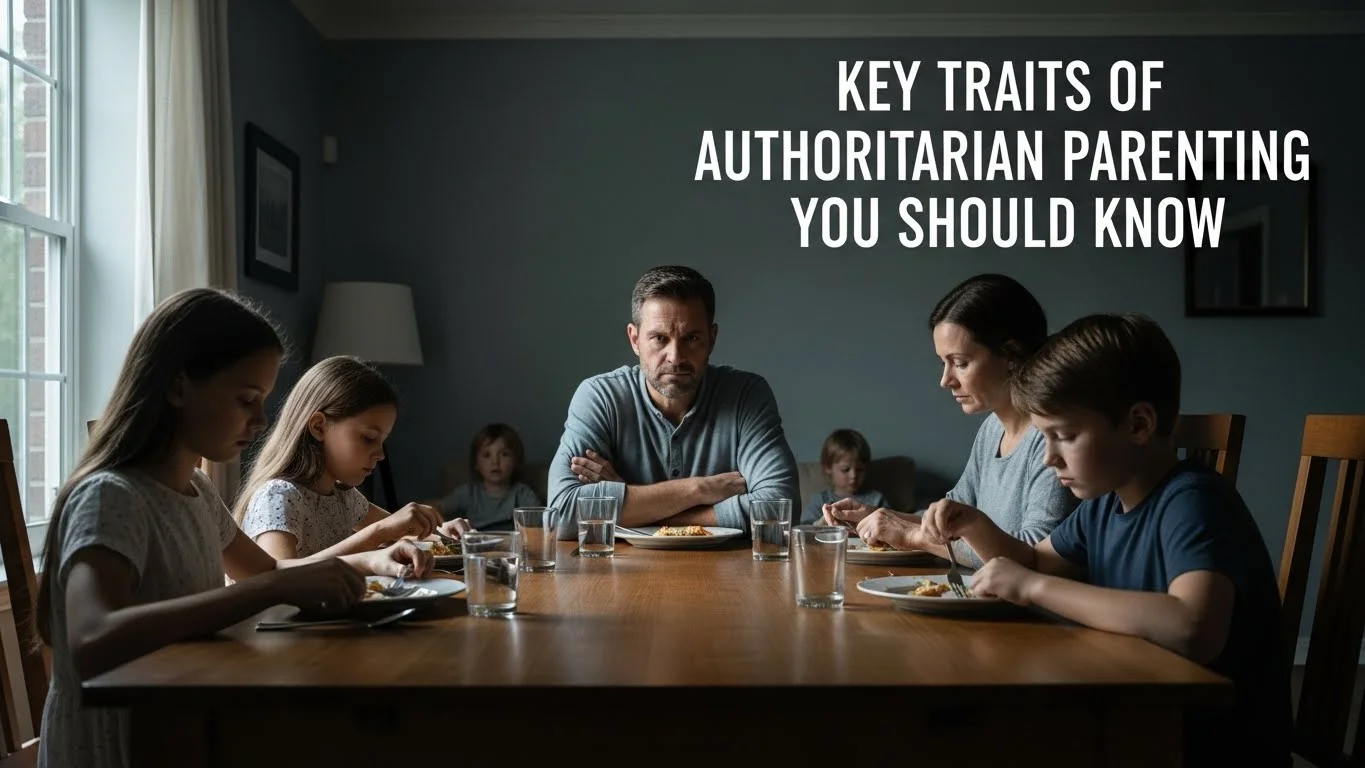
Understanding Authoritarian Parenting
Definition of Authoritarian Parenting
When I first heard the term “authoritarian parenting,” it struck a chord with me. I reflected on my upbringing and realized that many aspects of it aligned with this style. Authoritarian parenting is characterized by high demands and low responsiveness. Parents who adopt this style often enforce strict rules and expect unquestioning obedience from their children. The focus is on control rather than nurturing, and there’s little room for open dialogue or emotional support. It’s like living under a rigid set of guidelines where deviation is not tolerated.
Historical Context and Development
To truly grasp authoritarian parenting, it helps to understand its historical roots. This style emerged as a response to societal changes—particularly during times when discipline was highly valued. I’ve noticed that in many cultures, especially in the mid-20th century, there was a strong belief that strict parenting was necessary to raise successful and obedient children. Families often adhered to traditional gender roles and hierarchical structures. Parents believed that showing love equated to being authoritative and providing structure, which sometimes manifested in harsh discipline and limited emotional connection. Reflecting on this, I realize how deeply ingrained these values can be in society, influencing how we raise our children today.
Key Traits of Authoritarian Parenting
High Demands and Low Responsiveness
This trait really caught my attention. In an authoritarian household, parents set exceptionally high expectations for their children, often without providing the necessary support. I’ve seen this in friends who felt immense pressure to excel in school, sports, or any extracurricular activities. They were pushed to succeed but had little encouragement or emotional backing. This created a sense of anxiety and fear of failure. From my perspective, a balance between demands and responsiveness is vital for a child’s well-being. High expectations are essential, but they should be accompanied by understanding and support.
Strict Rules and Expectations
Another hallmark of authoritarian parenting is the presence of strict rules. I can recall a friend who wasn’t allowed to attend any social events unless her grades were perfect. This rigid approach left her feeling isolated and resentful. The rules set by authoritarian parents often leave little room for children to express themselves or explore their interests. I believe that while structure is crucial, flexibility fosters creativity and independence. Children thrive when they can learn from their mistakes rather than fear them.
Lack of Emotional Support
In my experience, emotional support is foundational to healthy development. However, in authoritarian parenting, this is often lacking. Parents might assume that providing basic needs is enough and fail to recognize the importance of emotional connection. I’ve met many individuals who grew up in such environments and struggled with expressing their feelings as adults. They often reported feeling unloved or unworthy, despite their parents’ intentions to raise them well. From what I’ve observed, nurturing a child emotionally is as crucial as setting boundaries; after all, children need to know they are valued beyond their achievements.
Use of Punishment and Discipline
Authoritarian parents commonly resort to punishment as a primary means of discipline. I remember a story from a friend who faced severe consequences for small mistakes, which created a climate of fear in their household. This method can lead to resentment and rebellion rather than genuine understanding of right and wrong. In my opinion, discipline should be about teaching rather than just punishing. It’s about helping children understand the consequences of their actions instead of instilling fear.
Limited Flexibility in Parenting Style
Flexibility is something I value highly in parenting, and I’ve seen firsthand how a rigid approach can be detrimental. Authoritarian parents often stick to their rules without considering the individual needs of their children. I’ve seen parents who refuse to adapt their expectations based on their child’s unique strengths and weaknesses. This lack of flexibility can lead to frustration and feelings of inadequacy in children. I believe that parenting should be a dynamic process, where we adjust our approach as our children grow and change. Acknowledging their individuality is essential for fostering a healthy parent-child relationship.
Effects of Authoritarian Parenting on Children
Impact on Child Development
I often think about how our upbringing shapes us, and authoritarian parenting can have profound effects on child development. From my observations, children raised in these strict environments may struggle with self-esteem and confidence. They grow up under constant pressure to meet unattainable expectations, leading them to doubt their abilities and worth. I remember talking to a friend who shared that even small achievements felt insignificant because they were never celebrated. Instead, they were overshadowed by the higher standards that their parents set. This perpetual comparison can stifle creativity and limit their willingness to take risks, which are crucial for personal growth.
Emotional and Psychological Effects
The emotional landscape for children of authoritarian parents is often rocky. I’ve met many people who grew up feeling unloved or unworthy, even if their parents provided materially. It’s heartbreaking to realize how often these feelings stem from a lack of emotional connection. The inability to express feelings—be it joy, sadness, or frustration—can lead to anxiety and depression later in life. In my experience, children from these backgrounds may find it difficult to form healthy relationships because they never learned how to connect emotionally. This disconnect can create a cycle of loneliness and misunderstanding that extends into adulthood.
Academic Performance and Behavior
Interestingly, the academic performance of children raised under authoritarian parenting can be a double-edged sword. On one hand, the strict rules might drive some children to excel in school, as they are motivated by fear of punishment or the desire to please their parents. I’ve seen this in peers who pushed themselves to meet high academic standards, often at the cost of their mental health. On the other hand, the stress associated with such pressure can lead to burnout and disengagement. The fear of failure looms large, and I’ve heard many stories of students who dropped out or underperformed in subjects they once enjoyed simply because they felt overwhelmed. For more insights on how different parenting styles affect children, check out How Authoritative Parenting Shapes Kids: Real Examples.
Long-term Effects into Adulthood
As I reflect on the long-term effects of authoritarian parenting, I can’t help but see a pattern. Adults who experienced this style of upbringing often carry residual feelings of inadequacy into their personal and professional lives. I know individuals who struggle to assert themselves in the workplace or engage in meaningful relationships, often due to their fear of authority or rejection. They might find themselves overcompensating, either by being overly compliant or rebelling against any form of control. From my perspective, this cycle can be debilitating, keeping them trapped in a state of conflict and uncertainty.
Comparing Authoritarian Parenting to Other Styles
Authoritative Parenting
When I learned about authoritative parenting, it felt like a breath of fresh air. Unlike authoritarian parents, those who adopt an authoritative style maintain high expectations but also offer warmth and support. I’ve noticed that this balance fosters independence and self-regulation in children. Friends who were raised by authoritative parents often report feeling valued and heard, which allows them to develop confidence and resilience. They embrace challenges rather than shy away from them, and I admire that in them. For more real-life success stories, you can explore Discover Authoritative Parenting: Real-Life Success Stories.
Permissive Parenting
On the flip side, there’s permissive parenting, which can be just as problematic but in a different way. I’ve seen friends who were allowed to do whatever they wanted without much guidance or structure. While they often enjoyed more freedom, they sometimes struggled with boundaries and self-discipline later in life. It’s interesting to me how both authoritarian and permissive approaches can lead to challenges in adulthood, just from opposite ends of the spectrum. Balancing freedom with guidance seems essential for healthy development.
Neglectful Parenting
Then there’s neglectful parenting, which, in my opinion, may have the most devastating impact. In these situations, children often feel invisible, as their parents may be emotionally or physically absent. I’ve encountered individuals who felt they had to fend for themselves from a young age, leading to feelings of abandonment and low self-worth. It’s heartbreaking to see how neglect can strip away a child’s sense of safety and belonging, often resulting in serious emotional issues later in life.
Identifying Authoritarian Parenting in Your Own Life
Signs of Authoritarian Parenting
Recognizing authoritarian parenting can be challenging, especially when we might have experienced it ourselves. I often suggest looking for signs such as an overwhelming focus on obedience, strict rules without explanation, and a lack of emotional connection. If you find yourself feeling constantly on edge or fearful of making mistakes around your parents, that could be a red flag. Reflecting on these dynamics can be uncomfortable, but it’s essential for understanding how they influence our behavior and relationships.
Self-Reflection Questions for Parents
If you’re a parent, I believe it’s crucial to ask yourself some reflective questions. Do you prioritize obedience over your child’s feelings? Are you willing to listen to their perspective when it differs from yours? Are your expectations realistic? These questions can help you evaluate your parenting style and its potential impact on your children. I’ve found that self-reflection can lead to meaningful changes, allowing us to break free from harmful patterns and foster healthier relationships with our children.
Strategies for Shifting Away from Authoritarian Parenting
Incorporating Flexibility and Openness
One of the most transformative steps I’ve seen in shifting away from authoritarian parenting is embracing flexibility. I remember a time when I was rigid in my expectations, believing that a fixed approach was the only way to raise responsible kids. However, I learned that being open to change can create a nurturing environment. This means allowing for adjustments in rules based on circumstances or your child’s evolving needs. For instance, instead of a strict bedtime, I started discussing with my kids the importance of sleep and letting them have a say in when they felt ready to wind down for the night. It was eye-opening to see how this simple act of collaboration fostered a sense of responsibility and trust. I recommend finding small areas where you can allow your children to make choices, as this can lead to more cooperative relationships.
Encouraging Communication and Emotional Support
Communication is something that I believe can bridge the gap between authoritarian and more supportive parenting styles. I’ve found that actively listening to my children’s thoughts and feelings has made a significant difference in our relationship. Instead of only stating rules, I started asking them how they feel about certain expectations. For example, during family meetings, we discuss upcoming events and I encourage them to share their opinions on plans. This open dialogue has allowed them to feel valued and understood, which in turn fosters emotional security. I also try to validate their feelings, whether they’re excited or anxious about something. By showing empathy, I’ve noticed they are more likely to come to me with their concerns, creating a safe space for emotional support.
Balancing Rules with Autonomy
Finding the right balance between setting rules and allowing autonomy has been a journey for me. I learned that it’s essential to establish boundaries while also giving my children the freedom to explore their interests and make decisions. For instance, I used to have a strict ‘no screen time’ policy during weekdays, but I realized that this approach was leading to rebellion and frustration. Instead, I started to involve my kids in the decision-making process. We set limits together, discussing how much screen time they felt was appropriate, which led to them being more responsible about their usage. This balance not only helps them learn self-discipline but also empowers them to take ownership of their choices. I’ve found that when children are given the chance to make decisions, they often rise to the occasion, demonstrating responsibility and maturity.
Resources for Parents
Books on Parenting Styles
Diving into literature on parenting styles has been a game-changer for me. I discovered several books that provide insights and strategies for creating a more balanced approach. One that stood out to me is “The Whole-Brain Child” by Daniel J. Siegel and Tina Payne Bryson. This book offers practical strategies for nurturing a child’s brain development while also emphasizing the importance of empathy and communication. Another favorite is “How to Talk So Kids Will Listen & Listen So Kids Will Talk” by Adele Faber and Elaine Mazlish, which provides tools for effective communication between parents and children. These resources have not only educated me but also inspired me to adopt a more open and understanding approach to parenting.
Support Groups and Counseling Options
Sometimes, talking to others who share similar experiences can be incredibly beneficial. I’ve found support groups, both online and in person, to be a valuable resource. They provide a space to share challenges and gain new perspectives. Local community centers or parenting workshops often host sessions where you can connect with other parents and professionals. Additionally, I believe that seeking counseling can be a constructive way to address deeper issues related to parenting styles. Professional guidance can help us understand our patterns and develop healthier ways of relating to our children.
Online Communities and Forums
The internet has opened up a world of connection for parents. I remember stumbling upon various parenting forums where individuals share their journeys, challenges, and successes. Websites like Reddit have parenting subreddits where you can post questions and receive feedback from a diverse group of parents. Facebook groups also serve as a fantastic platform for discussions, sharing resources, and creating a support network. Engaging with these communities can provide comfort, knowing that we are not alone in our experiences and that there are numerous perspectives on navigating the complexities of parenting.
Final Thoughts
As I reflect on the complexities of parenting styles, I find it important to recognize the profound impact they have on both children and parents. Authoritarian parenting, with its strict rules and expectation of obedience, can create a cycle of fear and disconnection that resonates throughout a child’s life. It’s essential to remember that while our upbringing shapes us, it doesn’t have to define us. Many of us can break free from the patterns of the past and foster healthier relationships with our own children.
I’ve realized that parenting is an evolving journey. We all make mistakes, and that’s okay. What matters most is our willingness to learn and adapt. By incorporating flexibility, open communication, and emotional support into our parenting practices, we can create an environment where our children feel valued and understood. I’ve seen firsthand how allowing kids to express their opinions and make decisions can lead to greater self-confidence and emotional security.
Embracing a more authoritative or even a permissive style doesn’t mean abandoning structure altogether. Instead, it’s about finding the right balance that works for our families. I’ve learned that setting boundaries is important, but so is allowing room for exploration and growth. Each child is unique, and adapting our parenting to meet their individual needs can lead to richer, more rewarding relationships.
For those of us who may have experienced authoritarian parenting in our own upbringing, self-reflection is crucial. It can be uncomfortable to confront these dynamics, but doing so can be liberating. By recognizing these patterns, we can choose to parent differently. I truly believe that understanding our past can help us create a brighter future for our children.
Ultimately, the goal of parenting is to raise happy, resilient, and emotionally healthy individuals. When we prioritize connection, empathy, and support, we’re not only nurturing our children but also enriching our own lives. I hope that by sharing my experiences and insights, I’ve inspired you to reflect on your own parenting journey and consider ways to foster a positive environment for your family.
Frequently Asked Questions
What is authoritarian parenting?
Authoritarian parenting is characterized by high demands and low responsiveness. Parents enforce strict rules and expect unquestioning obedience, focusing on control rather than nurturing, with little room for open dialogue or emotional support.
What are the key traits of authoritarian parenting?
The key traits include high demands with low responsiveness, strict rules and expectations, lack of emotional support, use of punishment and discipline, and limited flexibility in parenting style.
How does authoritarian parenting impact child development?
Children raised in authoritarian environments may struggle with self-esteem and confidence due to constant pressure to meet high expectations. They may also experience anxiety and fear of failure, stifling their creativity and willingness to take risks.
What are the emotional effects of authoritarian parenting on children?
The emotional effects can include feelings of being unloved or unworthy, difficulty in expressing emotions, and challenges in forming healthy relationships, which may lead to anxiety and depression later in life.
How does academic performance get affected by authoritarian parenting?
While authoritarian parenting may drive some children to excel academically out of fear of punishment, the resulting stress can also lead to burnout and disengagement, with some students dropping out or underperforming in subjects they once enjoyed.
What long-term effects can authoritarian parenting have on adults?
Adults who experienced authoritarian parenting may carry feelings of inadequacy, struggle with asserting themselves, and find it difficult to engage in meaningful relationships due to fear of authority or rejection.
How can one identify authoritarian parenting in their own life?
Signs include an overwhelming focus on obedience, strict rules without explanation, and a lack of emotional connection. Feeling constantly on edge or fearful of making mistakes can also indicate authoritarian parenting dynamics.
What self-reflection questions should parents consider regarding their parenting style?
Parents should ask themselves if they prioritize obedience over their child’s feelings, if they listen to their child’s perspective, and whether their expectations are realistic. These questions can help evaluate their parenting style and its potential impact.
What strategies can help shift away from authoritarian parenting?
Strategies include incorporating flexibility and openness, encouraging communication and emotional support, and balancing rules with autonomy to create a more nurturing environment for children.
What resources are available for parents looking to improve their parenting style?
Books on parenting styles, support groups, counseling options, and online communities or forums can provide valuable insights and support for parents seeking to adopt a more balanced approach to parenting.