
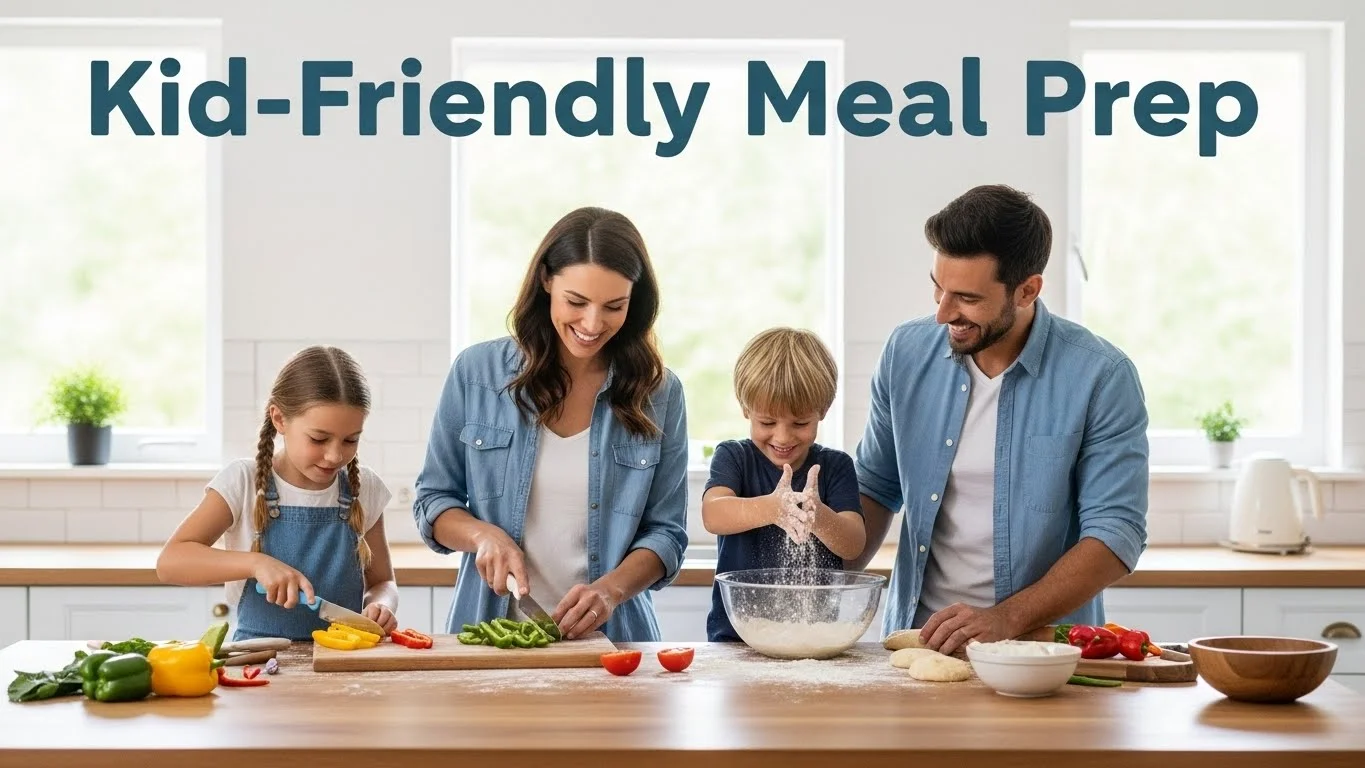
Transforming meal prep into a family adventure can turn everyday cooking into a fun and educational experience. Let’s dive into how we can make this journey exciting for everyone, especially the little ones!
Understanding Kid-Friendly Meal Prep
What is Meal Prep?
Meal prep, as I’ve come to understand it, is the practice of preparing meals in advance. It can involve cooking entire dishes, chopping vegetables, or portioning out snacks. I remember the first time I tried meal prepping; it felt like I was organizing my life! Instead of scrambling to whip something up during busy evenings, I found that having meals ready to go made our family time more enjoyable. It’s not just about efficiency; it’s about creating a routine that allows us to focus on each other instead of the chaos of cooking. Read Interesting article: Fun Ways to Involve Kids in Healthy Meal Prep
Benefits of Meal Prep for Families
From my experience, the benefits of meal prep for families extend well beyond just saving time. Here are a few things I’ve noticed:
- Healthier Choices: By planning our meals, we can choose healthier options. I’ve seen a huge difference in our eating habits since we started meal prepping. We can avoid last-minute fast food runs and instead enjoy homemade meals full of fresh ingredients.
- Reduced Stress: Knowing that lunchboxes are packed and dinners are ready to be heated takes away a lot of the stress that comes with busy weekdays. I remember when we used to be frazzled at 5 PM, but now, it’s a much calmer environment.
- Family Bonding: Meal prep becomes a family affair. When I cook with my kids, we share stories and laugh together. It’s a chance to connect and create memories, which is invaluable.
- Budget-Friendly: Planning our meals helps us stick to a budget. I find that by buying in bulk and avoiding impulse purchases, our grocery bills have gone down significantly.
Engaging Kids in the Kitchen
One of my favorite aspects of meal prep is involving my kids. I can’t stress enough how engaging them in the kitchen can transform their attitudes toward food. Initially, I worried they might not be interested, but I was pleasantly surprised at their enthusiasm. Here’s how we do it:
- Give Them Choices: When we plan our meals, I let my kids pick a few recipes they want to try. This simple act gives them a sense of ownership, and they’re more likely to eat what they help prepare. I noticed that when they chose a dish, they were excited to eat it, even if it was something new.
- Assign Age-Appropriate Tasks: Depending on their ages, I assign them tasks they can handle. My youngest loves washing veggies, while my older child enjoys measuring ingredients. It’s amazing to see their confidence grow as they learn new skills.
- Make it Fun: We play music and dance around while cooking. I find that creating a joyful atmosphere makes cooking feel less like a chore and more like a fun family activity. It’s also a great way to introduce concepts like teamwork and collaboration.
It’s fascinating how these little interactions lead to broader lessons about nutrition and cooking. My kids often ask questions about where our food comes from, what’s healthy, and why we use certain ingredients. This curiosity has turned meal prep into an educational experience that goes beyond just filling our bellies.
I’ve learned that meal prep doesn’t have to be a daunting task. Instead, it can be an adventure that brings us closer as a family while teaching our kids valuable life skills. I believe that when kids are engaged in the process, they are more likely to develop a lifelong love for cooking and healthy eating. So, grab your aprons, and let’s make cooking a family adventure! Whether it’s the excitement of trying a new recipe or the joy of enjoying a meal together, the experiences we create in the kitchen are truly priceless.
Essential Meal Prep Tools and Equipment
Kid-Safe Kitchen Tools
One of the best parts about cooking with my kids has been discovering the right tools that make it safe and enjoyable for them. I remember when I first introduced my children to kitchen tasks; I was worried about sharp knives and hot stoves. However, I found that there are plenty of kid-safe kitchen tools designed specifically for little hands. For instance, we use plastic knives that are safe for cutting fruits and vegetables without the worry of injuries. These knives are surprisingly effective and let my kids feel like chefs without the risk. I also found that silicone baking mats make cleanup a breeze, and they’re great for little ones trying to roll out dough.
Measuring cups and spoons are also a hit in our house. My kids love getting to scoop and pour ingredients. We opted for colorful, easy-to-hold measuring tools which not only make it fun but also visually appealing. It’s amazing how something as simple as measuring can help them learn about portion sizes and cooking accuracy. I think investing in kid-sized utensils has made a world of difference in how involved they feel in the cooking process.
Storage Solutions for Meal Prep
After a long day in the kitchen, I’ve learned that having the right storage solutions is just as crucial as the cooking itself. We use a variety of containers to store our meals, and I’ve discovered that clear, stackable containers are the best. They not only save space in our fridge but also let us see what we have at a glance, making it easier to grab meals on busy days. I also recommend labeling containers with the date and contents, which has helped my kids learn about food freshness and organization.
For snacks, we have a dedicated bin in the fridge filled with pre-portioned fruits and veggies. This not only keeps our snacks healthy but also encourages the kids to grab something nutritious when they’re hungry. I remember when we first started this system; my kids were so excited to pick their own snack from the “family snack bin.” It’s a small change, but it fosters independence and healthy choices. Read Interesting article: Easy and Affordable Kid-Friendly Snacks for Active Days
Organizing Your Kitchen for Family Cooking
Creating a kid-friendly kitchen setup has transformed our meal prep experience. I noticed that having everything within reach makes my kids more eager to help. We designated a lower shelf in our pantry for kid-friendly ingredients like pasta, rice, and snacks. This way, they can help themselves when we’re cooking, and it encourages them to take part in the process. I also keep a rotating selection of cooking tools and utensils available at their height, so they can grab what they need independently.
I’ve found that having a designated “prep station” on the counter works wonders. This area is their go-to space for washing, chopping, and mixing. It’s where they can truly get their hands dirty without worrying about messing up the whole kitchen. I believe this organization not only makes cooking more efficient but also sparks creativity. When the kids see all the tools and ingredients ready to go, they often come up with their own ideas for recipes!
By setting the stage for a kid-friendly cooking environment, I feel we’ve created a space that encourages exploration and learning. I think it’s important to make the kitchen a welcoming and functional area for everyone. It’s a place for creativity and fun, and by organizing it thoughtfully, we’ve made it that much easier for our family to bond over our meals. Remember, a little preparation in the kitchen can transform the entire cooking experience into an enjoyable family adventure!
Getting Started with Meal Prep
Choosing Recipes Together
One of the best parts of meal prep is choosing recipes together as a family. I remember the first time we sat down with a pile of cookbooks and a laptop. My kids’ eyes lit up as they flipped through pages filled with colorful images of delicious meals. It felt like a mini adventure! I encouraged them to pick a few recipes they were excited about, and we ended up with a great mix of old favorites and new dishes to try.
To make it more engaging, I suggest narrowing down the choices by theme. For instance, we might have “Taco Tuesday” or “Pasta Night,” which gives my kids some structure while still allowing them to express their preferences. This approach not only makes planning more organized but also gives them something to look forward to. I find that when they’re part of the decision-making process, they’re more enthusiastic about the meals we prepare together.
Creating a Family Meal Plan
After we’ve chosen the recipes, the next step is creating a family meal plan. This was a game-changer for us. I remember the first time we did it; we sat at our family table with a big calendar and a colorful set of markers. As we plotted out our meals for the week, my kids felt like they were in control. They loved seeing their choices written down and were excited about the meals we would share.
We typically plan for breakfast, lunch, and dinner, and I usually include one or two snack options, too. I’ve learned that flexibility is key here; we often leave a few blank spots for spontaneous meals or leftovers. This way, we keep things exciting and don’t feel restricted to a strict schedule. Plus, having a clear meal plan reduces the “What’s for dinner?” stress that used to plague our evenings!
Shopping for Ingredients: Making it a Fun Adventure
Grocery shopping has transformed into a fun family outing. I’ve discovered that bringing my kids along not only teaches them about ingredients but also makes it a bonding experience. I remember our first trip together; I gave each child a small list of items to find. They loved being my little helpers, racing through the aisles to locate everything from fresh veggies to spices.
To make shopping even more educational, I take the opportunity to discuss the health benefits of different foods as we explore the store. For example, when we pick out fruits, I talk about vitamins and how they help our bodies. This interaction keeps them engaged and reinforces the lessons we learn during meal prep.
We also make it a habit to visit the farmer’s market whenever we can. It’s a great way to support local farmers and introduce my kids to seasonal produce. They have fun picking out colorful fruits and vegetables, and it’s a wonderful way to encourage them to try new things. I find that when they see where their food comes from, they’re more likely to appreciate it and want to eat it.
Kid-Friendly Meal Prep Recipes
Fun Breakfast Ideas
Breakfast is often called the most important meal of the day, and I completely agree! I’ve found that prepping breakfast together can set a positive tone for the day. One of our favorite recipes is overnight oats. We create a breakfast bar with various toppings, like fruits, nuts, and honey, and let each child customize their own jar. It’s fun to see the combinations they come up with!
Pancakes are another hit in our household. We often make a big batch on the weekends and freeze them for busy mornings. My kids love adding chocolate chips or blueberries to the batter, and it’s a great opportunity for them to practice measuring ingredients. Plus, they feel like real chefs flipping pancakes on the griddle!
Easy Lunchbox Options
When it comes to lunch, I’ve learned that variety is key to keeping my kids excited. We like to prepare bento-style lunchboxes filled with colorful, bite-sized foods. I find it’s a great way to incorporate a range of nutrients. My kids love creating their own combinations, like cheese cubes, sliced veggies, and homemade hummus. They have fun assembling their lunches, and it makes eating a bit more adventurous!
Healthy Snacks for Kids
Healthy snacking has become a priority in our household. I’ve discovered that prepping snacks ahead of time helps us avoid unhealthy temptations. We often create snack packs with fruit slices, yogurt, and whole-grain crackers. My kids love grabbing these pre-portioned snacks when they get hungry, and I feel good knowing they’re making healthy choices.
Simple Dinners the Whole Family Will Enjoy
When it comes to dinner, I always aim for simple yet flavorful recipes that everyone will enjoy. One of our family favorites is a one-pan roasted chicken and veggies. We can prep everything together, and I love that there’s minimal cleanup! My kids enjoy helping to arrange the veggies and season the chicken, which makes them more invested in the meal.
Another go-to is homemade pizza night. We make the dough together, and everyone gets to choose their toppings. It’s a fun way to experiment with different flavors, and I’ve noticed that my kids are more willing to try new ingredients when they’ve had a hand in the preparation.
By involving my kids in every step of the meal prep process, from choosing recipes to making meals, I’ve seen their confidence and curiosity expand. The kitchen has become a space of creativity, exploration, and family bonding, which makes all the effort truly worthwhile.
Making Cooking Educational
Incorporating Math and Measurements
One of the unexpected joys of involving my kids in meal prep has been watching them learn math in a fun and practical way. I remember the first time we tackled a recipe that required measuring ingredients. My youngest was fascinated by the idea of using cups and spoons, and I realized this was a perfect opportunity to incorporate some math skills. We turned measuring into a game, asking questions like, “How many tablespoons are in a cup?” or “If we need two cups, how many half-cups do we need?” It was amazing to see their eyes light up as they engaged with these concepts while cooking. I believe this hands-on experience not only helps them grasp math but also builds their confidence in using these skills in other areas of life.
Learning about Nutrition
As we prepare meals together, we often dive into discussions about nutrition. I’ve made it a point to talk about the different food groups and the importance of balanced meals. I remember a moment when my daughter asked why we were using spinach in our smoothie. It opened up a conversation about vitamins and how they help our bodies stay healthy. I love that meal prep has become a platform for teaching them about nutrition, making healthy eating more meaningful. Whenever we incorporate new ingredients, I encourage them to research their benefits. This curiosity has helped them make informed choices and understand the value of what they eat.
Exploring Different Cuisines
Meal prep has also given us the chance to explore different cuisines around the world. I’ve noticed that my kids are more open to trying new flavors when they have a hand in the process. We’ve designated certain weeks to focus on a specific cuisine. For instance, we might have “Mexican Week” where we make tacos, enchiladas, and guacamole. My kids love learning about the culture behind the dishes we prepare. I think this exploration not only broadens their palates but also fosters a sense of appreciation for diversity, making our family meals an adventure in cultural learning.
Tips for Picky Eaters
Involving Kids in Choosing Ingredients
Dealing with picky eaters can be challenging, but I’ve found that involving my kids in selecting ingredients has made a significant difference. I invite them to help me choose fruits and vegetables at the grocery store or farmer’s market. By letting them pick out what they want to eat, I’ve noticed they’re more willing to try those items at mealtime. Sometimes, I’ll even set up a “mystery ingredient” challenge where they choose something unusual, and we find a recipe to incorporate it. This not only expands their taste buds but also empowers them to make decisions about their food. Read Interesting article: Traveling with Picky Eaters: Affordable Meal Solutions
Creative Ways to Present Food
Presentation matters, especially when it comes to enticing picky eaters. I’ve learned that making food visually appealing can spark interest. For instance, I often create fun shapes with cookie cutters or arrange fruits and veggies in a rainbow pattern on their plates. My kids get excited when they see their food transformed into a fun character or design. I believe that when meals are presented creatively, it stimulates their curiosity and makes them more eager to dig in.
Gradual Introduction of New Foods
When introducing new foods, I’ve found that a gradual approach works best. Instead of completely overhauling their plates, I start with small portions alongside their favorite dishes. For example, if we’re having spaghetti, I might add a few sautéed zucchini noodles to the mix. I’ve learned that this less intimidating way of introducing new flavors helps them adjust without feeling overwhelmed. Over time, they’ve become more adventurous eaters, willing to try new ingredients and flavors.
Safety in the Kitchen
Teaching Kids Kitchen Safety
Safety is a top priority when cooking with my kids. I make it a point to teach them the basics of kitchen safety, from handling tools to staying safe around hot surfaces. I remember the first time my son helped me chop vegetables; I emphasized the importance of keeping fingers away from the blade and using a cutting board. These lessons have made them more aware of their surroundings and cautious while cooking, which is essential for a positive kitchen experience.
Age-Appropriate Cooking Tasks
Assigning age-appropriate tasks has been a game-changer. I tailor responsibilities based on their abilities, which empowers them to take ownership of their contributions in the kitchen. For my youngest, that might mean washing produce or stirring ingredients. My older child handles more complex tasks like measuring and mixing. This division of labor not only keeps them engaged but also helps them develop skills at their own pace.
Supervision and Support
Even with the best intentions, I believe supervision is key. I always stay close by while my kids are cooking, offering guidance and support when needed. I’ve noticed that they feel more confident knowing I’m nearby to help if something goes wrong. It’s a great way to encourage independence while ensuring they stay safe, especially when using sharp tools or working with heat. I think this balance of support fosters trust and encourages them to tackle new challenges in the kitchen.
Fun Family Cooking Activities
Cooking Challenges and Competitions
To keep things exciting, we often set up cooking challenges where everyone gets to showcase their creativity. I remember when we had a “Chopped” style competition at home, where each family member had to create a dish using random ingredients. It was a hilarious and educational experience as we tasted each other’s creations. These friendly competitions not only bring laughter into our kitchen but also spark creativity and teamwork.
Themed Cooking Nights
Themed cooking nights have been another hit in our household. We dedicate one night a week to a specific theme, such as Italian night or breakfast-for-dinner. My kids love dressing up according to the theme and helping to prepare the corresponding dishes. It turns an ordinary meal into a memorable event, and I cherish the laughter and creativity that comes with it.
Creating a Family Recipe Book
One of my favorite projects has been creating a family recipe book. We gather our favorite recipes, including those we’ve tried together, and compile them into a special book. My kids help with writing down the recipes and adding pictures of our cooking adventures. It’s not only a wonderful keepsake but also a way to reflect on our journey together in the kitchen. I believe that this shared project strengthens our family bond and preserves our culinary memories for years to come.
Storing and Reheating Meals
Best Practices for Meal Storage
After all the cooking, the way we store our meals can make a huge difference in enjoying them later. I’ve learned that using airtight containers is essential for keeping our meals fresh. We make it a routine to label our containers with dates and contents, which not only helps with organization but also teaches my kids about food safety and waste reduction. I remember a time when we discovered a forgotten dish in the fridge, and it sparked a discussion about being mindful of our food.
Safe Reheating Methods
When it comes to reheating meals, I emphasize the importance of doing it safely. We often use the microwave for quick meals, but I also teach my kids how to reheat on the stove or in the oven, depending on the dish. I think it’s a valuable skill for them to learn, ensuring they can enjoy their meals safely. We chat about the right temperatures and the importance of stirring to heat evenly, reinforcing our lessons on kitchen safety.
Making Meals Last Longer
Another technique we’ve adopted is portioning meals before freezing them. I’ve found that preparing smaller servings not only helps with portion control but also makes it easier to defrost what we need. My kids enjoy helping with this process, and it gives them a sense of responsibility for our food. This practice has not only reduced waste but also made meal times more flexible, allowing us to enjoy a variety of dishes throughout the week.
Encouraging Healthy Eating Habits
Involving Kids in Grocery Shopping
Involving my kids in grocery shopping has been an eye-opener for all of us. I’ve noticed that when they help choose items, they’re more likely to eat them. We’ve turned our shopping trips into educational experiences, discussing seasonal produce and exploring new foods together. I try to explain how different foods can help our bodies, and it’s amazing to see their enthusiasm grow as they make connections between what we buy and what we eat.
Discussing Food Choices and Their Benefits
During our meals, I make it a point to discuss our food choices. I’ve found that engaging my kids in conversations about nutrition and the benefits of particular ingredients helps them appreciate their meals more. It’s become common for us to share thoughts on why we might choose a whole grain over a white one or why we include a variety of colors in our meals. I believe these discussions cultivate a deeper understanding of healthy eating and empowers them to make smart choices.
Celebrating Healthy Eating Milestones
To encourage healthy habits, we celebrate milestones together. Whether it’s trying a new vegetable or successfully cooking a meal, I make it a point to acknowledge these achievements. We might have a special treat or a fun family outing to commemorate their efforts. I’ve found that celebrating these moments reinforces the importance of healthy eating and motivates my kids to continue exploring and enjoying food.
Final Thoughts
Transforming meal prep into a family adventure has brought us closer together in ways I never imagined. The kitchen has become a place of creativity, learning, and laughter. I’ve witnessed my kids grow in confidence as they discover new flavors and skills, and I cherish the memories we create together. Embracing this journey has taught us all the value of healthy eating and the joy of cooking as a family. I hope you find inspiration in these experiences and create your own meaningful moments in the kitchen with your loved ones. So, let’s keep cooking, exploring, and enjoying every delicious bite together!
Frequently Asked Questions
What is meal prep?
Meal prep is the practice of preparing meals in advance, which can involve cooking entire dishes, chopping vegetables, or portioning out snacks. It helps families create a routine that allows them to focus on each other rather than the chaos of cooking.
What are the benefits of meal prep for families?
The benefits include healthier choices, reduced stress during busy weekdays, enhanced family bonding through shared cooking experiences, and budget-friendly meal planning that helps avoid impulse purchases.
How can I engage my kids in the kitchen during meal prep?
Engaging kids can be done by giving them choices in meal planning, assigning age-appropriate tasks, and making the cooking process fun by playing music and creating a joyful atmosphere.
What tools are considered kid-safe for cooking?
Kid-safe kitchen tools include plastic knives for cutting fruits and vegetables, silicone baking mats for easy cleanup, and colorful, easy-to-hold measuring cups and spoons that help teach kids about portion sizes and cooking accuracy.
How can I create a kid-friendly kitchen setup?
A kid-friendly kitchen setup involves designating lower shelves for kid-friendly ingredients, keeping cooking tools at their height, and creating a designated prep station where they can wash, chop, and mix ingredients safely.
What are some fun breakfast ideas for family meal prep?
Some fun breakfast ideas include overnight oats where kids can customize their jars with toppings, and making pancakes together, which allows kids to practice measuring ingredients and feel like real chefs.
How can I make grocery shopping a fun experience for my kids?
To make grocery shopping fun, involve your kids by giving them a small list of items to find, discuss the health benefits of different foods while shopping, and take trips to local farmer’s markets to explore seasonal produce.
What strategies can help with picky eaters during meal prep?
Involving kids in choosing ingredients, presenting food creatively, and gradually introducing new foods in small portions alongside their favorites can help address picky eating habits effectively.
How can I teach my kids about kitchen safety?
Teaching kitchen safety involves explaining the importance of handling tools carefully, assigning age-appropriate tasks, and providing supervision while they cook to ensure they stay safe around hot surfaces and sharp tools.
What are some ways to celebrate healthy eating milestones with kids?
Celebrating healthy eating milestones can involve acknowledging achievements like trying new vegetables or successfully cooking a meal, and rewarding them with special treats or fun family outings to reinforce their efforts.