
Labor and delivery can be one of the most exciting yet nerve-wracking times in a person’s life. With so many myths floating around, it’s easy to feel overwhelmed. Let’s break down the realities of labor and delivery together.
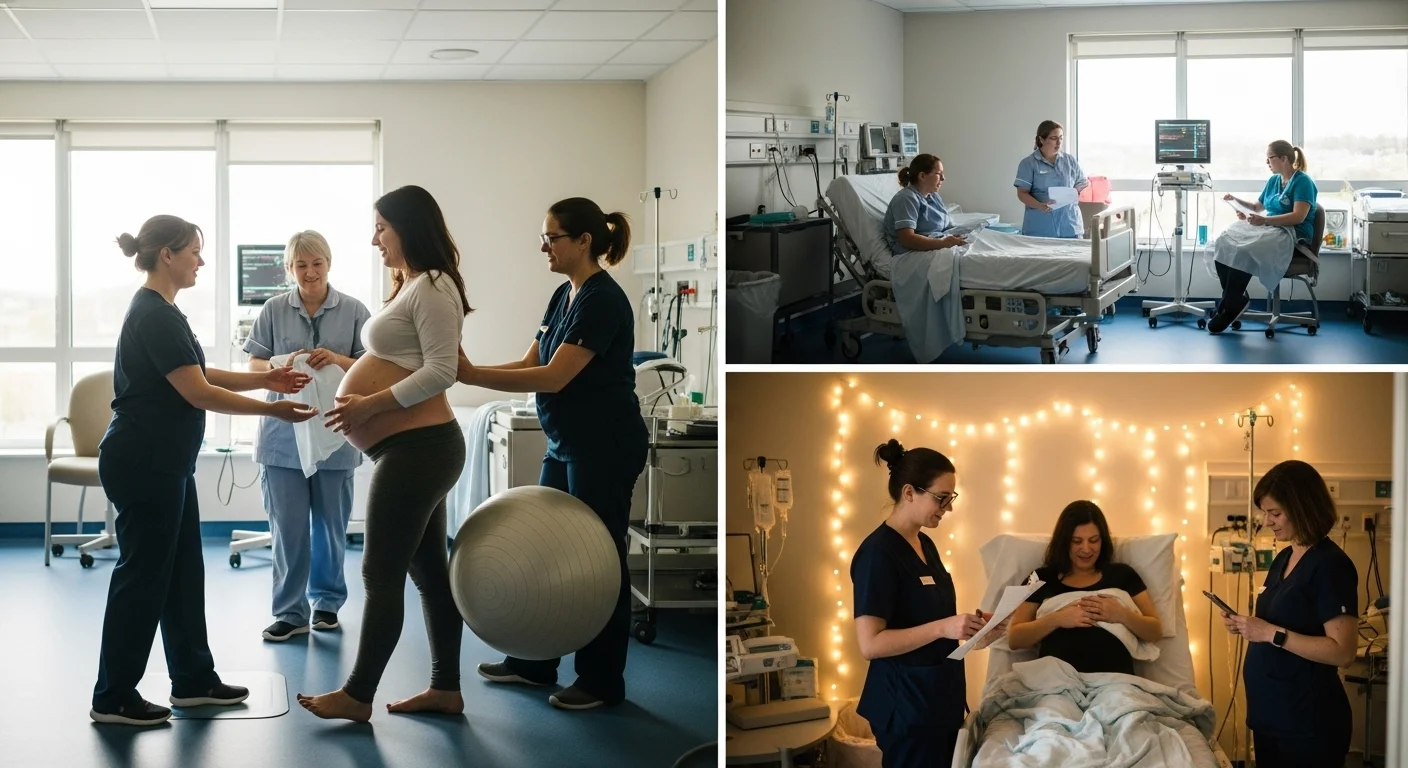
Understanding Labor and Delivery
What to Expect During Labor
When I first thought about labor, my mind was filled with a jumble of images from movies and stories I’d heard. I expected chaos, pain, and uncertainty. However, from my experience, I learned that while every labor is unique, there are common elements that can help prepare us for the journey ahead. Understanding what to expect can ease some anxiety and help us feel more in control. Busting Labor Myths: What Every Expecting Parent Should Know can provide additional insights.
Labor typically begins with a series of contractions, which might feel like intense menstrual cramps or back pain. I remember feeling a mix of excitement and fear as the contractions started. I was taught to recognize their pattern: they would come and go, increasing in intensity and frequency. It’s important to time these contractions to help determine when it’s time to head to the hospital or birthing center.
Stages of Labor
Labor is generally divided into three stages, and knowing this helped me mentally prepare:
- The First Stage: This is the longest stage and is where the cervix dilates to 10 centimeters. It can last from several hours to over a day. I found it helpful to know that this stage has two phases—latent and active. In the latent phase, contractions are usually mild and spaced apart, while in the active phase, they become stronger and closer together.
- The Second Stage: This is when the baby is born. I remember the feeling of empowerment during this stage. It’s all about pushing! Although it can be exhausting, knowing that my baby was so close to being in my arms made every push worth it.
- The Third Stage: This is the delivery of the placenta, which usually happens shortly after the baby is born. I was surprised to learn how important this stage is, as it helps to prevent complications post-delivery.
Each stage of labor comes with its own set of expectations and emotions. Having an idea of what I might face helped me stay focused and positive during the process.
The Role of Healthcare Providers
Healthcare providers play a vital role during labor and delivery. I remember how reassuring it was to have skilled professionals by my side. They not only monitor the baby’s heart rate and my contractions but also provide emotional support, which I found invaluable.
My doctor and the nursing staff explained each step of the process, which made me feel more empowered and informed. They also guided me on pain relief options, which I appreciated. I learned that whether it’s through an epidural, medicated options, or natural methods, it’s essential to discuss these beforehand to find what works best for you.
Having a healthcare provider who listens to your concerns and preferences can significantly impact your labor experience. I appreciated having someone who respected my birth plan while also being flexible and ready to adapt if necessary.
Common Labor and Delivery Myths
Myth 1: Labor Always Starts with Water Breaking
Many people believe that the first sign of labor is when your water breaks. I used to think that was the case, too! However, I learned that only about 10% of women experience this as the first sign. For most, contractions begin first, and the water might break naturally during labor or even need to be broken by healthcare providers. It’s comforting to know that there are different ways labor can start.
Myth 2: You Can’t Eat or Drink During Labor
This myth made me anxious. I worried that I’d be starving during labor! However, I found out that many hospitals and birthing centers allow light snacks and clear liquids, especially in the early stages of labor. It’s important to stay hydrated and have some energy, and I was grateful to have some juice and crackers available during my own experience.
Myth 3: Epidurals Always Slow Down Labor
I heard so many conflicting opinions on epidurals, and it made me nervous. Some friends warned me that they would stall my labor, but research shows that this isn’t true for everyone. In my case, I found that the epidural allowed me to relax and focus, which actually helped my labor progress more smoothly.
Myth 4: You Must Have a C-Section After a Previous One
I used to think that once you had a C-section, you were destined for another. However, many women can have successful vaginal births after a cesarean (VBAC). It’s essential to discuss your options with your healthcare provider to understand what’s best for you.
Myth 5: All Women Experience Labor Pain the Same Way
It’s easy to generalize and assume everyone experiences labor pain similarly, but that’s not the case. My friend had a very different experience from mine. Pain levels can vary widely based on individual pain thresholds, medical history, and even the baby’s position. It’s essential to understand that everyone’s journey is personal.
Myth 6: Inducing Labor is Always Dangerous
When I heard about labor induction, I was scared it could lead to complications. However, I learned that induction is sometimes necessary for medical reasons and can be done safely under the right circumstances. Having a thorough discussion with my healthcare provider helped me feel more comfortable about the process.
Myth 7: A Bigger Baby Means a Longer Labor
This was a myth I believed for a while. I thought that a bigger baby automatically meant a longer labor. However, it turns out that the size of the baby doesn’t always predict the length of labor. Many factors contribute to labor duration, and I found this reassuring.
Myth 8: You Can’t Move Around During Labor
Lastly, I thought I’d be stuck in one position during labor. But I learned that moving can actually help with pain management and progress labor. Whether it’s walking, swaying, or using a birthing ball, I found freedom in movement was empowering during my experience.
Debunking the Myths: Evidence-Based Insights
Scientific Studies on Labor Processes
As I delved deeper into the world of labor and delivery, I found that many myths are often rooted in outdated beliefs rather than current science. Research has made significant strides in understanding the labor process, and I was surprised to discover how evidence-based insights can change perspectives. For instance, studies have shown that the timing of labor often varies greatly among women, with each experience being unique. I learned that while some elements are common, they all depend on individual circumstances, which helped me feel more at ease.
One thing that stood out to me was the importance of continuous support during labor. Research indicates that having a supportive partner or doula can lead to shorter labors and less need for medical interventions. This was encouraging for me, as I had a wonderful support system that made my experience much more positive.
Expert Opinions from Obstetricians
In my quest for knowledge, I also sought out expert opinions from obstetricians. Speaking with them shed light on many misconceptions around labor. For example, many physicians emphasize that labor pain is subjective, and it’s crucial to communicate openly about it. I remember one obstetrician telling me that pain management is not a one-size-fits-all approach. Instead, each person should feel empowered to explore various options. This advice was invaluable, as it allowed me to feel more proactive in my labor journey.
I also learned from experts that while complications can arise, they are not as common as some myths suggest. Having a conversation with my healthcare provider about the risks and benefits of different labor options made me feel more informed and prepared for whatever might come my way. The Truth Behind Common Pregnancy Myths Every Parent Should Know was particularly insightful.
Real Experiences from Mothers
Nothing beats hearing real stories from other mothers. I had the chance to connect with several women who shared their labor experiences, and it was eye-opening. Each story was filled with unique challenges and triumphs, which reinforced the idea that no two labors are alike. Some mothers expressed their fears about certain aspects of labor, only to find that their reality was much different than they had anticipated. I found comfort in knowing that it’s okay to have fears and questions, and that sharing these experiences can help us all learn and grow together.
One friend of mine shared her story about how she had planned for a natural birth but ended up needing a C-section due to unforeseen circumstances. Instead of feeling disappointed, she embraced her experience and found strength in it. Hearing her perspective helped me realize that flexibility is key during labor, and being open to change can lead to a more positive outcome.
Preparing for Labor and Delivery
Creating a Birth Plan
When it came time to prepare for my labor, creating a birth plan felt like a necessary step. I thought of it as a way to clarify my preferences and communicate them with my healthcare team. My plan included details about the environment I wanted, any pain management options I preferred, and who I wanted by my side during labor. I remember feeling a mix of excitement and nervousness as I put pen to paper.
However, I quickly learned that while it’s great to have a plan, flexibility is equally important. I decided to keep my plan as a guideline rather than a strict script. This mindset helped me stay calm when things didn’t go exactly as I envisioned.
Choosing the Right Healthcare Provider
Finding the right healthcare provider was another crucial step for me. I knew I wanted someone who respected my wishes and shared my values regarding birth. After a few interviews with different doctors and midwives, I finally found someone who made me feel comfortable and heard. I appreciated how she took the time to answer my questions, which helped build my confidence in her abilities. I believe that having the right provider can make all the difference in our experiences.
Understanding Pain Management Options
Exploring pain management options was a significant part of my preparation. I wanted to know what was available and what would work best for me. I learned about everything from breathing techniques and meditation to epidurals and other medications. Each option had its pros and cons, and it was vital for me to discuss these thoroughly with my healthcare provider. Knowing I had choices helped me feel empowered and ready to tackle whatever came my way during labor. Busting Exercise Myths: What Pregnant Women Need to Know is also worth a look for helpful tips.
What to Pack for the Hospital
Finally, I couldn’t forget about packing for the hospital! I remember making a list of essentials to ensure I had everything I needed. Comfortable clothes, toiletries, and snacks were at the top of my list. I also packed a few items to keep me occupied during any waiting periods, like a book or my favorite playlist. Preparing my bag in advance helped me feel organized and reduced some of the anxiety surrounding the unknown.
As I look back on my preparations, I realize how important it was to take the time to get ready for this life-changing experience. With each step, I felt more empowered and excited about the journey ahead.
Post-Delivery Myths and Realities
Myth 1: Breastfeeding Comes Naturally for Everyone
Before I became a mother, I had this romanticized notion that breastfeeding would be an instinctive process. I thought it would just happen naturally, without any hiccups. However, I quickly discovered that this wasn’t the case for everyone. In my experience, it took some time for both my baby and me to get the hang of it. I remember feeling a mix of frustration and determination as I navigated through the challenges.
Many mothers I spoke with shared similar stories. Some struggled with latching issues, while others faced difficulties with milk supply. It’s crucial to know that breastfeeding is a skill that often requires practice, patience, and sometimes support from lactation consultants. I found that connecting with other moms facing similar challenges helped me feel less isolated and more empowered to keep trying. The journey of breastfeeding can be different for everyone, and that’s okay!
Myth 2: You Can’t Get Pregnant Right After Delivery
This was another myth that caught me off guard. I had always assumed that once a baby is born, it would take some time before my body could conceive again. However, I learned that it is possible to become pregnant shortly after delivery, even if you’re breastfeeding. I remember a friend sharing her experience of getting pregnant just a few months after her first child was born. It made me realize that understanding our bodies and their cycles is crucial.
If you’re not ready for another baby right away, it’s essential to discuss birth control options with your healthcare provider. I found it helpful to have a plan in place to ensure that I could make informed decisions about my reproductive health.
Myth 3: Newborns Sleep Through the Night
One of the biggest surprises for me was how much newborns actually wake up during the night. I had heard stories of babies sleeping peacefully for hours, so I was a bit unprepared for the reality. In my case, my little one woke up every couple of hours to feed, which was exhausting but also a bonding experience. I remember feeling like a zombie in those early days, but I also cherished those quiet moments in the middle of the night.
Talking to other parents, I realized that sleep patterns in newborns can vary greatly. Some babies might start sleeping longer stretches earlier than others, but the truth is that waking up is a normal part of their development. It helped to remind myself that this phase, although challenging, is temporary.
Myth 4: All Postpartum Recovery is the Same
After giving birth, I thought that recovery would follow a set timeline. However, I soon learned that postpartum recovery can vary widely from person to person. I remember discussing my healing process with friends, and we all had different experiences. Some recovered quickly, while others faced complications or unexpected emotional challenges.
In my case, I experienced a mix of physical and emotional changes, which sometimes felt overwhelming. It was comforting to know that support was available, whether through healthcare providers, friends, or online communities. I learned the importance of being gentle with myself during this phase and recognizing that healing takes time. Each woman’s journey is unique, and it’s okay to seek help if needed.
Resources for Expecting Parents
Books and Guides on Labor and Delivery
As I prepared for labor, I found a wealth of resources that helped me feel more informed and confident. Books like “The Birth Partner” by Penny Simkin were invaluable in providing insight into the labor process and pain management techniques. I also appreciated “Ina May’s Guide to Childbirth,” which shares empowering birth stories and encourages women to trust their bodies. I recommend exploring various books and guides that resonate with you, as they can offer different perspectives and coping strategies.
Support Groups and Online Communities
Connecting with others going through similar experiences was a game-changer for me. I discovered several local support groups for expecting and new parents, where we could share our fears, joys, and everything in between. Online communities also offered a sense of camaraderie. Platforms like Facebook and forums dedicated to parenting provided spaces to ask questions and seek advice. Knowing I wasn’t alone in my experiences made a world of difference.
Consultations with Healthcare Professionals
I found that my healthcare provider was a tremendous resource during my pregnancy, labor, and postpartum journey. Regular check-ins helped address any concerns I had, from labor questions to postpartum recovery. I appreciated the opportunity to discuss my birth plan and pain management options in detail. I encourage anyone expecting to build a strong relationship with their provider and utilize their expertise. They can guide you through the many choices you’ll face along the way.
Frequently Asked Questions
What is the first sign of labor?
Many people believe that the first sign of labor is when your water breaks. However, only about 10% of women experience this as the first sign. For most, contractions begin first, and the water might break naturally during labor or need to be broken by healthcare providers.
Can you eat or drink during labor?
Yes, many hospitals and birthing centers allow light snacks and clear liquids, especially in the early stages of labor. It’s important to stay hydrated and have some energy during labor.
Does having an epidural always slow down labor?
No, research shows that epidurals do not always slow down labor for everyone. In some cases, including the author’s experience, an epidural can help a person relax and focus, which may aid in labor progression.
Can a woman have a vaginal birth after a previous C-section?
Yes, many women can have successful vaginal births after a cesarean (VBAC). It is essential to discuss options with a healthcare provider to understand what is best for individual circumstances.
Do all women experience labor pain the same way?
No, labor pain can vary widely based on individual pain thresholds, medical history, and even the baby’s position. Each woman’s experience is personal and unique.
Is inducing labor always dangerous?
No, induction is sometimes necessary for medical reasons and can be done safely under the right circumstances. A thorough discussion with a healthcare provider can help alleviate concerns about the process.
Does a bigger baby mean a longer labor?
No, the size of the baby does not always predict the length of labor. Many factors contribute to labor duration, and it’s not solely based on the baby’s size.
Can you move around during labor?
Yes, moving can actually help with pain management and progress labor. Activities like walking, swaying, or using a birthing ball can be empowering during the labor experience.
Is breastfeeding instinctive for all mothers?
No, breastfeeding may not come naturally for everyone. It often requires practice, patience, and sometimes support from lactation consultants as many mothers face challenges with latching and milk supply.
Can a woman get pregnant shortly after delivery?
Yes, it is possible to become pregnant shortly after delivery, even if breastfeeding. It’s important to discuss birth control options with a healthcare provider if not ready for another pregnancy.