
Making healthy snacks for kids’ lunchboxes doesn’t have to be a chore. With a little creativity and some simple ingredients, we can whip up delicious, nutritious options that our kids will love! Read Interesting article: Simple DIY Healthy Snacks for Kids Under 5 Ingredients
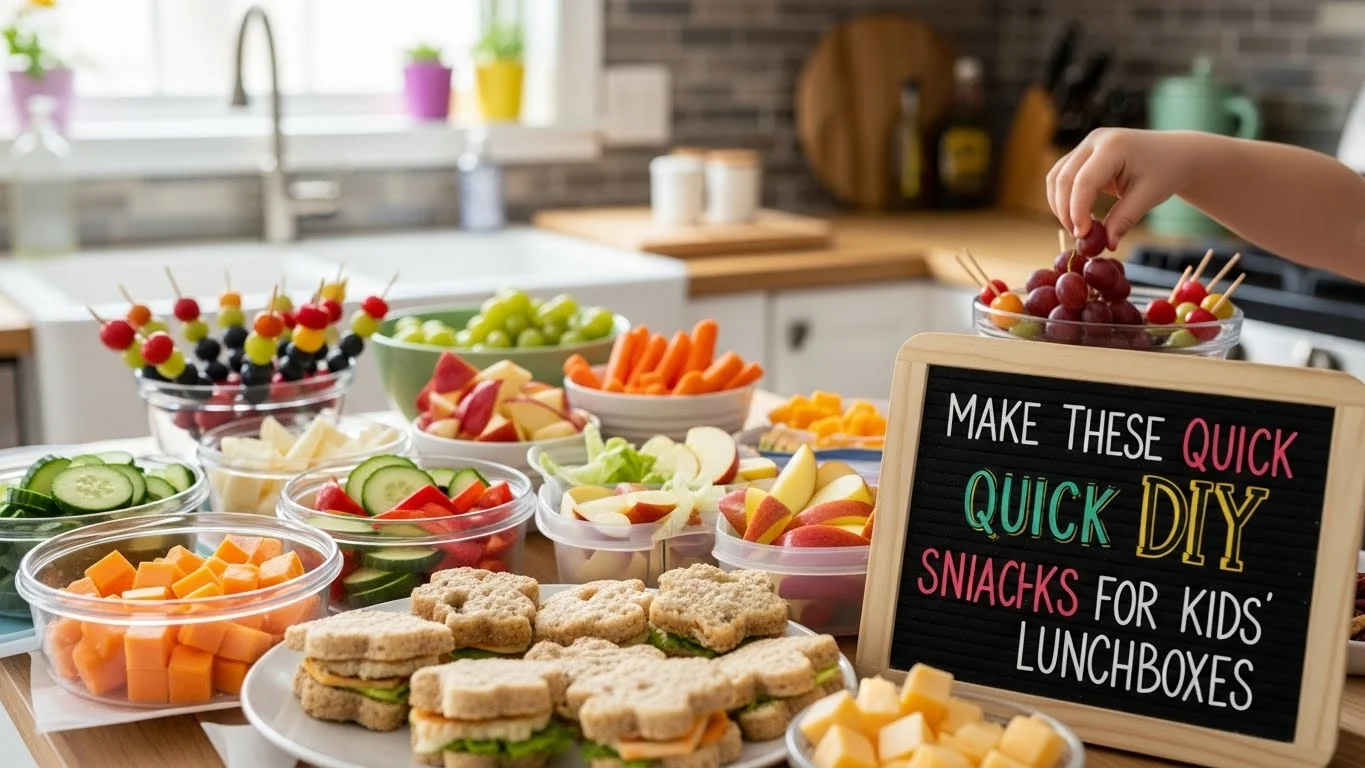
Overview of Quick DIY Healthy Snacks
When it comes to kids and their lunchboxes, the snacks we choose can make a huge difference in their day. I’ve noticed that when my kids munch on healthy snacks, they have more energy and better focus in school. It’s amazing how the right fuel can change everything!
Importance of Healthy Snacks for Kids
I think we all know how important it is for kids to have proper nutrition. Healthy snacks play a key role in keeping our little ones energized and satisfied between meals. They provide essential vitamins and minerals that support growth and development. When I started paying more attention to the snacks I packed for my kids, I noticed they felt more alert and ready to learn. Plus, it helps curb those pesky cravings for sugary junk food.
Benefits of DIY Snacks
Creating DIY snacks is not just fun; it also gives us control over what goes into our kids’ bodies. When we make snacks at home, we can avoid preservatives, artificial flavors, and excessive sugars that are often found in store-bought options. I remember the first time I made a batch of homemade granola bars. Not only did my kids love them, but I felt great knowing exactly what ingredients were included. DIY snacks are also often more cost-effective, and we can customize them to fit our family’s tastes and dietary needs. Read Interesting article: Budget-Friendly DIY Healthy Snacks for Happy Kids
Essential Ingredients for Healthy Snacks
To make quick and healthy snacks, having a well-stocked pantry is key. Here are some staples that I always keep on hand:
Fruits and Vegetables
Fresh fruits and veggies are a must for any healthy snack. They’re packed with vitamins, minerals, and fiber, making them a great choice for kids. I love to involve my kids in picking out fruits at the grocery store. They’re much more likely to eat what they’ve chosen themselves! Some of my go-to options include sliced apples, baby carrots, cherry tomatoes, and cucumber sticks. I often prepare these ahead of time and store them in the fridge, so they’re ready to go when it’s time to pack lunch.
Whole Grains
Whole grains are another essential ingredient to include. They provide sustained energy and keep our kids feeling full. I usually opt for whole grain crackers, oats, or whole grain bread for wraps. For instance, I love making mini sandwiches with whole grain bread, and my kids enjoy the different flavors. It’s a win-win!
Protein Sources (Nuts, Seeds, Dairy)
Including protein in snacks can help keep hunger at bay. I often turn to nuts and seeds, but I also make sure to offer dairy options like yogurt and cheese. If your kids aren’t allergic, nut butter is a fantastic option too. I remember the first time my kids tried almond butter on whole grain bread – they were hooked! For a quick snack, I mix Greek yogurt with honey and some fruit. It’s a delicious treat that feels indulgent, but it’s packed with protein.
Healthy Fats
Healthy fats are crucial for brain development and overall health. I like to incorporate avocado, olive oil, or nut butters into our snacks. I found that spreading avocado on whole grain toast, sprinkled with a little salt, makes for a tasty and filling snack. Plus, it’s super easy to whip up!
With these essential ingredients, we can create a variety of quick and healthy snacks that our kids will love. It’s all about having the right components on hand and being a little creative in the kitchen. I’ve enjoyed discovering new snack ideas, and I can’t wait to share some of my favorites with you! Read Interesting article: 10 DIY Healthy Snacks for Kids That They’ll Actually Love
Quick and Easy DIY Snack Ideas
Now that we’ve gathered our essential ingredients, let’s dive into some quick and easy DIY snack ideas that I absolutely love making for my kids. These snacks are not only nutritious but also fun to prepare, and I’ve found that involving my kids in the process makes them even more excited to eat them!
Fruit and Nut Energy Balls
Fruit and nut energy balls have become a family favorite in our house. They’re so simple to make and are perfect for a quick snack. I typically combine oats, nut butter, honey, and a mix of dried fruits and nuts in a bowl. After mixing everything together, I roll the mixture into small balls and store them in the fridge. My kids love the chewy texture, and I love that they’re packed with healthy energy. They’re great for after school or even as a pre-game snack before sports!
Veggie Sticks with Hummus
This is a classic that I can always count on. I slice up a variety of colorful veggies like carrots, bell peppers, and cucumbers, and pair them with hummus. The creamy, flavorful hummus takes the veggies to another level, making them super appealing to my kids. I’ve found that the more vibrant the colors, the more my kids are drawn to it. It’s a win-win: they’re getting their veggies in, and I get peace of mind knowing they’re snacking healthily!
Yogurt Parfaits
Yogurt parfaits are not only tasty but also visually appealing, which is a big plus for my kids. I layer Greek yogurt with fresh fruits like berries and some granola for crunch. Sometimes, I let my kids choose their own toppings, which makes them even more excited about eating it. It’s like a mini dessert but without all the added sugars. I often make these for breakfast, too, making them a versatile option!
Homemade Trail Mix
Creating our own trail mix is a fun and creative way to get my kids involved in snack prep. I let them choose their favorite nuts, seeds, dried fruits, and a few dark chocolate chips for a little sweetness. It’s a great option for on-the-go snacking, and I love that I can control the ingredients. My kids enjoy mixing it all together in a big bowl, and then we pack it into little bags for easy grab-and-go snacks throughout the week.
Peanut Butter Banana Wraps
These wraps are a huge hit at our house. I spread peanut butter (or any nut butter) on a whole grain tortilla, add a banana, and roll it up. Sometimes I slice it into pinwheels, which makes it more fun to eat. My kids adore the flavor combination, and it’s a fantastic way to incorporate fruit into their snacks. Plus, it’s a filling option that keeps them satisfied until dinner!
Cheese and Whole Grain Crackers
Simple yet effective, cheese and whole grain crackers are a staple in our snack rotation. I often pack a variety of cheeses – sometimes cheddar, sometimes mozzarella – alongside whole grain crackers. It’s a great way to get some protein and fiber in their diet, and my kids love to create their own little cheese and cracker sandwiches. I sometimes add a few slices of apple or a handful of grapes to round it out, making it a balanced snack!
These snack ideas have not only been a hit with my kids but have also made my life easier as a parent. They’re quick to prepare, require minimal cleanup, and can be adjusted based on what we have in the pantry. I’ve discovered that having a variety of snacks on hand keeps my kids excited about healthy eating, and it’s a great way to introduce them to new flavors and textures!
Preparation Tips for Busy Parents
As busy parents, we often juggle a million things at once, and preparing healthy snacks can sometimes feel overwhelming. I’ve been there too, but with a few preparation tips, I’ve found that it’s possible to create nutritious snacks without sacrificing time or sanity. Here’s what I’ve learned along the way.
Batch Cooking and Meal Prep
One of the best strategies I’ve discovered is batch cooking. Setting aside a little time on the weekend to make snacks for the week can really save us during those hectic weekdays. For example, I often prepare a big batch of energy balls or granola bars. After they cool, I cut them into portions and store them in the fridge or freezer. This way, when my kids are hungry, I just grab a few, and they’re ready to go! I’ve also started prepping veggies for the week. Slicing up carrots, cucumbers, and bell peppers, and storing them in containers makes it super easy to grab a healthy snack before heading out the door. It’s amazing how just a little prep can make such a big difference.
Involving Kids in Snack Preparation
Involving my kids in the snack prep process has not only made it easier for me but has also made them more excited about eating healthy. I let them choose which fruits and veggies they want to include in their snacks. Sometimes, we’ll even have a “snack-making day” where we create a variety of snacks together. I find that when they have a hand in making their snacks, they’re more likely to try new things. Plus, it’s a great bonding experience! I remember one afternoon when my kids and I made yogurt parfaits together. They loved layering the yogurt, fruit, and granola, and they couldn’t wait to eat their creations!
Storage Tips for Freshness
Keeping our homemade snacks fresh is essential, so I’ve picked up a few storage tips that I want to share. For things like energy balls or granola bars, I store them in airtight containers to maintain their freshness. I also like to label the containers with dates to keep track of how long they’ve been in there. If I make larger batches, I’ll freeze some portions to extend their shelf life. For veggie sticks, using a damp paper towel in the container helps to keep them crisp. I also make sure to keep snacks in easy-to-reach places in the fridge or pantry, so my kids can grab them themselves. It’s all about creating a setup that encourages healthy eating!
Nutrition Facts and Serving Suggestions
Understanding nutrition can be a bit tricky, but I’ve learned that keeping it simple helps a lot. When planning snacks, I think about balancing macronutrients and ensuring my kids are getting a variety of foods to support their growth and energy needs.
Balancing Macronutrients
For me, balancing carbohydrates, proteins, and fats in snacks is key. I try to include a source of whole grains, protein, and healthy fats in each snack. For instance, when we make peanut butter banana wraps, the whole grain tortilla provides carbs, the peanut butter adds protein and healthy fats, and the banana gives natural sweetness and fiber. I’ve noticed that when my kids have a good balance in their snacks, they’re more satisfied and have a steadier energy level throughout the day. I recommend experimenting with different combinations to see what works best for your kids!
Portion Sizes for Kids
Portion sizes can be tricky, especially since every child is different. I’ve found that smaller, more frequent snacks work best for my kids. A handful of trail mix or a small yogurt parfait is often enough to keep them satisfied without filling them up too much before mealtime. I usually keep an eye on their hunger cues and adjust portions as needed. It’s a learning process, and I believe encouraging them to listen to their bodies helps foster a healthy relationship with food early on.
Common Allergens and Substitutions
As we navigate snack prep, I’ve realized that allergies and dietary restrictions can come into play. It’s important to be aware of common allergens and have alternatives on hand, especially if we are packing snacks for playdates or school.
Nut-Free Alternatives
For families with nut allergies, there are plenty of delicious nut-free options. I often substitute sunflower seed butter for peanut butter in wraps or energy balls. It’s just as creamy and tasty! Additionally, using seeds like pumpkin or chia seeds in trail mixes can add crunch and nutrition without the risk of nuts. My kids have enjoyed these versions just as much, and it’s a great way to keep everyone safe while still enjoying nutritious snacks.
Dairy-Free Options
For my dairy-free friends, there are plenty of alternatives to yogurt and cheese. I’ve found that coconut yogurt is a fantastic substitute for parfaits, and dairy-free cheese can be used in place of regular cheese in cracker snacks. Almond or oat milk can also be great for smoothies or as a base for homemade puddings. It’s all about experimenting and finding what works best for your family!
Gluten-Free Snack Ideas
Gluten-free snacks have become easier to create, thanks to the variety of gluten-free grains available. I love using rice cakes, quinoa, or gluten-free oats to create snacks. For example, I make gluten-free energy balls using oats, nut butter, and honey, which are always a hit. I recommend checking labels to ensure products are certified gluten-free, especially if allergies are a concern.
Creative Presentation Ideas
Let’s be honest, how a snack looks can be just as important as how it tastes, especially for our little ones! I’ve found that getting creative with presentation can make a big difference in how much my kids enjoy their snacks. Here are some fun ideas that have worked for us.
Fun Shapes and Colors
Using cookie cutters to create fun shapes from fruits, vegetables, or sandwiches has been a game changer in our house. I remember the first time I cut apple slices into stars and hearts; my kids couldn’t get enough! They were so excited to eat their “star apples” that they didn’t even realize they were having something healthy. I also love using colorful fruits and veggies to create a rainbow plate. The more colors on their plate, the more appealing it is! When I pack their lunch boxes, I try to include a variety of colors and shapes, which makes the meal feel like a fun adventure rather than just another lunch.
Lunchbox Organization Tips
My approach to organizing lunchboxes has evolved over time, and I’ve learned a few tricks that really help. Using small containers or silicone dividers can keep different snacks separate and looking neat. I love the idea of creating a “snack station” in the fridge or pantry with pre-portioned snacks. This way, my kids can grab what they want without making a mess. I’ve also discovered that involving my kids in choosing and packing their lunches can lead to them being more excited about what they’re eating. They feel a sense of ownership over their meals! We’ve even made it a fun family ritual to pack lunch together on school nights, chatting about what everyone is looking forward to eating the next day.
Frequently Asked Questions (FAQs)
How to Keep Snacks Fresh?
To keep snacks fresh, I recommend using airtight containers. This keeps moisture and air out, which can make snacks go stale quickly. For fruits and veggies, I sometimes use a damp paper towel in the container to help maintain their crunch. I also make sure to store snacks in the fridge if they need to be kept cool, like yogurt or energy balls. Keeping them organized and in easy-to-reach places helps us grab them quickly without compromising freshness!
Are These Snacks Suitable for School?
Absolutely! Most of the snacks I’ve shared are perfect for school lunches. However, it’s always good to check with your school’s guidelines on food restrictions. Some schools have rules about nuts or certain allergens, so I always look out for those when packing snacks for my kids. I’ve found that things like cheese and whole grain crackers, yogurt parfaits, or veggie sticks with hummus generally go over well. Just make sure to pack everything in a way that keeps it fresh until lunchtime!
How to Introduce New Snacks to Picky Eaters?
Introducing new snacks to picky eaters can be a challenge, but it’s definitely doable! I’ve had success by involving my kids in the process. When they help choose or make a new snack, they’re more likely to try it. I also start by mixing familiar favorites with the new snacks. For example, if I want them to try a new fruit, I might combine it with yogurt or a smoothie they already love. It’s all about creating a positive association! I remember when my kids were hesitant about trying hummus. I offered it alongside their favorite veggie sticks, and they ended up loving it! Keeping an open mind and being patient can go a long way in helping them expand their palates.
Final Thoughts
Creating healthy snacks for our kids can truly be a rewarding experience. By keeping things simple, involving them in the process, and getting a bit creative, we can not only encourage them to enjoy nutritious options but also foster a positive relationship with food. Whether it’s fun shapes, colorful presentations, or tasty recipes, I believe that every little effort counts. I feel proud knowing that I’m providing my children with the fuel they need to thrive, both in and out of the classroom. Let’s continue to explore new ideas together and make snack time an enjoyable part of our day!
Frequently Asked Questions
How can I keep snacks fresh?
To keep snacks fresh, it is recommended to use airtight containers to keep moisture and air out. For fruits and veggies, a damp paper towel in the container can help maintain their crunch. Additionally, store snacks in the fridge if they need to be kept cool, such as yogurt or energy balls, and keep them organized for quick access.
Are these snacks suitable for school?
Most of the snacks shared are perfect for school lunches. However, it is important to check with your school’s guidelines on food restrictions, especially regarding nuts or allergens. Snacks like cheese and whole grain crackers, yogurt parfaits, or veggie sticks with hummus generally work well.
How can I introduce new snacks to picky eaters?
Introducing new snacks to picky eaters can be effective by involving them in the process. When kids help choose or prepare a new snack, they are more likely to try it. Mixing familiar favorites with new items, such as combining a new fruit with yogurt, can also create a positive association.
What are some essential ingredients for healthy snacks?
Essential ingredients for healthy snacks include fresh fruits and vegetables, whole grains, protein sources like nuts, seeds, and dairy, and healthy fats such as avocado and olive oil. Having these ingredients on hand allows for a variety of nutritious snack options.
What are some quick DIY snack ideas for kids?
Some quick DIY snack ideas include fruit and nut energy balls, veggie sticks with hummus, yogurt parfaits, homemade trail mix, peanut butter banana wraps, and cheese with whole grain crackers. These snacks are nutritious and fun to prepare.
How can batch cooking help with snack preparation?
Batch cooking can save time during busy weekdays by allowing parents to prepare a large quantity of snacks in advance. By dedicating time to make snacks like energy balls or granola bars over the weekend, they can easily grab pre-portioned snacks throughout the week.
How can I involve kids in snack preparation?
Involving kids in snack preparation can make them more excited about eating healthy. Allowing them to choose fruits and veggies or having a designated “snack-making day” fosters enthusiasm and ownership over their food choices.
What should I consider regarding portion sizes for kids?
Portion sizes should be adjusted based on individual children’s needs, but smaller, more frequent snacks tend to work best. Keeping an eye on hunger cues and providing a variety of snack options can help kids listen to their bodies and develop a healthy relationship with food.
What are some nut-free alternatives for snacks?
For families with nut allergies, nut-free alternatives include sunflower seed butter for wraps or energy balls, as well as using seeds like pumpkin or chia seeds in trail mixes. These options provide similar textures and flavors without the risk of nut allergies.
What are some creative presentation ideas for snacks?
Creative presentation can enhance kids’ enjoyment of snacks. Using cookie cutters to create fun shapes from fruits, vegetables, or sandwiches and incorporating colorful items to create a rainbow plate can make snacks more appealing and exciting.