
Mastering communication can transform your budget backpacking trips from good to unforgettable. Let’s explore how effective communication can enhance your travel experience, making it richer and more enjoyable. Read Interesting article: Guide to Effective Communication in Positive Discipline
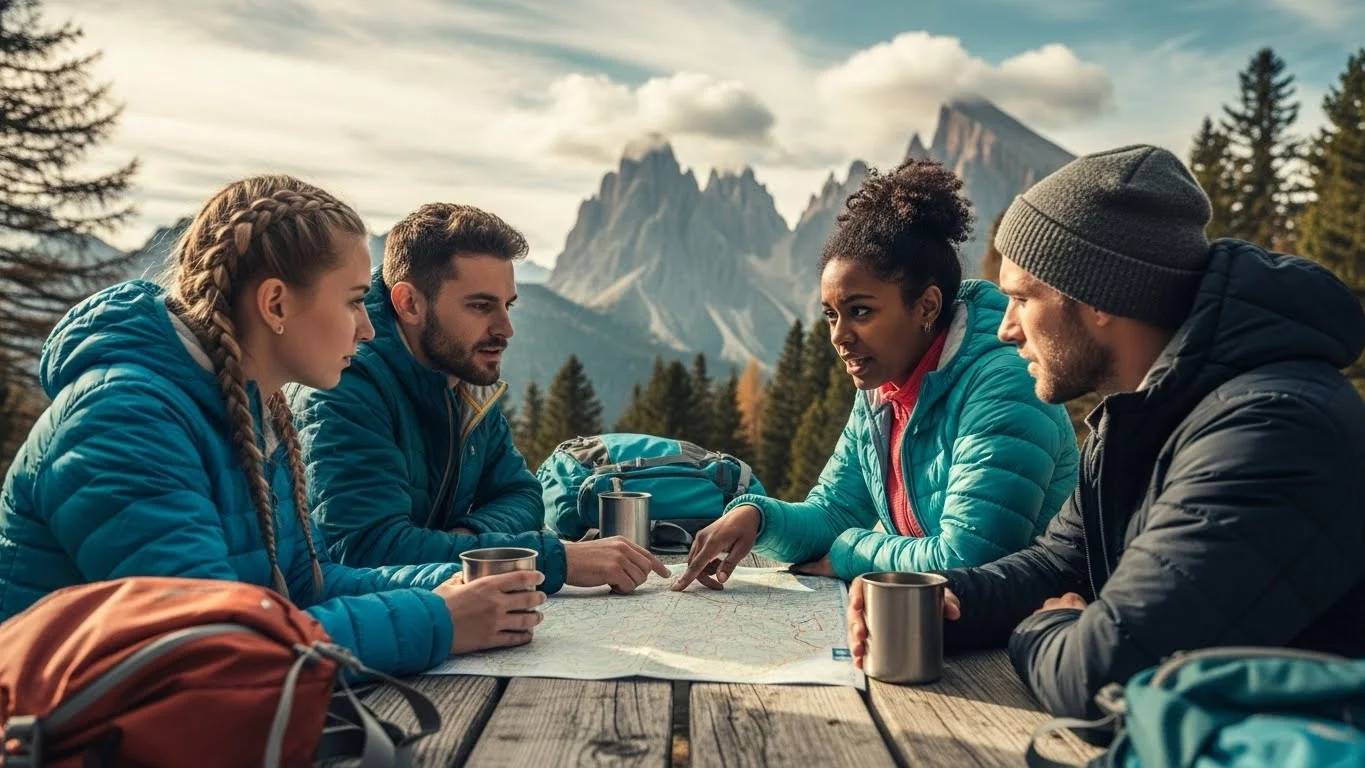
Understanding Effective Communication in Backpacking
The Importance of Communication for Travelers
From my experience, effective communication is one of the most crucial skills you can possess as a backpacker. I remember my first solo trip; I felt a mix of excitement and anxiety. I quickly learned that being able to express myself and understand others was vital. Whether it was asking for directions or ordering food, good communication made my travels smoother. It opened doors to conversations, local insights, and friendships that I cherish to this day.
When we travel, especially on a budget, we often rely on locals for information and help. A simple greeting can lead to a helpful recommendation for a hidden gem, or a genuine smile can turn a stranger into a friend. I’ve noticed that when you make an effort to communicate, even in broken language, it’s often met with kindness and warmth. This connection not only enhances your experience but also enriches the lives of those you encounter. Read Interesting article: Effective Communication Tips for Positive Discipline Success
Common Communication Barriers in Foreign Countries
Traveling abroad can come with its own set of challenges. One of the biggest hurdles I faced was the language barrier. I vividly recall a time in Italy when I tried to ask for a bus schedule. My limited Italian left me flustered and confused, and the local I approached didn’t speak much English. It reminded me that we often take our language skills for granted.
Additionally, cultural differences can create misunderstandings. Gestures that are common in one country can be offensive in another. I learned this the hard way when I unknowingly pointed my finger in a way that was considered rude in some cultures. Being aware of these barriers can help you navigate conversations more effectively. I recommend doing some research on local customs before you travel, as it can make a significant difference in your interactions.
Essential Communication Skills for Backpackers
Active Listening Techniques
Active listening is a skill that I found incredibly valuable while backpacking. It’s not just about hearing words; it’s about understanding the message behind them. When speaking with locals, I focused on making eye contact and nodding to show I was engaged. I also practiced paraphrasing what they said to confirm my understanding. This simple technique helped me build trust and encouraged them to share more with me.
Another aspect of active listening is being patient. Sometimes, conversations may take longer than expected due to language barriers. I learned to embrace this by taking my time and not rushing through interactions. It was during these slower moments that I discovered the most interesting stories and insights about the places I was visiting.
Non-Verbal Communication Cues
Body language often speaks louder than words, especially in places where language differences exist. I remember a time in Thailand when my limited Thai vocabulary left me stuck. Instead of feeling frustrated, I used gestures to convey my needs. Pointing at items on a menu or using hand signals for directions worked wonders. Locals responded positively, often with smiles and laughter, which made the experience enjoyable for both of us.
Facial expressions also play a crucial role in communication. A smile can bridge gaps and make interactions feel more welcoming. I’ve seen how a friendly expression can turn a potentially awkward situation into a warm exchange. I believe that being aware of these non-verbal cues can enhance your communication experience significantly.
Adapting Your Language Skills
While I certainly didn’t master every language I encountered, I made it a point to learn a few key phrases. Simple greetings and polite expressions go a long way. In Spain, I learned to say “por favor” and “gracias,” which opened up so many doors for me. Locals often appreciated my efforts, and it helped me establish rapport.
When you’re on a budget, being adaptable is crucial. I found that speaking slowly and clearly, using simple words, helped tremendously. If someone didn’t understand me, I would try rephrasing rather than getting frustrated. This adaptability allowed me to communicate better and made me feel more confident as a traveler. Read Interesting article: Unlock Positive Discipline Through Effective Communication
Using Technology for Communication
In today’s world, technology can be a backpacker’s best friend. I often relied on translation apps during my travels. Apps like Google Translate helped me navigate menus and signs, and I found them especially useful in markets. Having a reliable internet connection can make all the difference when trying to communicate effectively.
Moreover, social media has become an incredible tool for connecting with other travelers. I remember reaching out to fellow backpackers for tips on the best local experiences. These interactions not only provided valuable insights but also fostered a sense of community that I truly appreciated. I recommend using platforms like Facebook or Instagram to find local groups or travel forums that can enhance your journey.
Key Phrases and Vocabulary for Backpacking Trips
Basic Greetings and Introductions
When I travel, I always make it a point to learn a few basic greetings and introductions in the local language. It’s such a small effort that can lead to huge rewards! For instance, I remember landing in Japan and quickly learning how to say “Konnichiwa” (Hello) and “Arigatou gozaimasu” (Thank you). These simple phrases opened many doors and made locals more receptive to conversations.
In many cultures, a friendly greeting can break the ice. I often found that locals appreciated my attempts, even if my pronunciation wasn’t perfect. It’s incredible how a smile and a simple “Hello, my name is…” can set a positive tone for interactions. I encourage you to practice these phrases before your trip or download a language app so you can access them on the go.
Essential Questions for Travelers
As backpackers, we often find ourselves in need of information. I can’t tell you how many times I’ve needed to ask questions about directions, public transport, or local attractions. Learning essential questions can save you time and frustration. Phrases like “Where is…?” or “How much does this cost?” became my lifeline.
During one trip to Morocco, I learned to say, “Kifash nssil?” (How do I get there?) and “Shhal?” (How much?). These helped me navigate the bustling markets and find my way to stunning sights. I advise writing down a list of essential questions tailored to the locations you’ll be visiting. Having these phrases at your fingertips can make a world of difference in your travels.
Transportation Vocabulary
Transportation is another area where communication is crucial. I remember getting lost in the subway system in Paris, feeling overwhelmed by the signs and announcements in French. Knowing transportation vocabulary can help you decipher signs or ask for help when needed. Phrases like “Where is the train station?” or “Which bus goes to…?” can be incredibly useful.
I also found it helpful to learn the names of different types of transport, like “bus,” “train,” and “taxi.” In some places, I even jotted down the names of specific routes or destinations in the local language, which saved me from many awkward moments. This little effort pays off, as it shows locals that you’re making an effort, and they’re often more than willing to help.
Accommodation Terms and Phrases
Finding a place to stay is one of the first things we do when we arrive in a new city. Knowing key accommodation terms has helped me immensely. Phrases like “Do you have a room available?” or “What is the price per night?” have become second nature for me over the years.
During my travels in Southeast Asia, I learned how to say “Is breakfast included?” in the local languages. This not only helped me save money but also ensured I didn’t miss out on delicious local breakfast options. Writing down accommodation-related vocabulary tailored to your travel destination can ease the stress of finding a place to stay.
Food and Dining Communication Tips
Food is one of the best parts of traveling, and communicating about it can lead to some of the most memorable experiences. I learned early on that knowing basic food-related phrases can enhance your culinary adventures. Words like “vegetarian,” “spicy,” or “delicious” can help you navigate menus and order with confidence.
In Thailand, I became familiar with the phrase “Mai phet” (not spicy) when ordering food, which became a lifesaver for my sensitive palate. I often recommend learning how to ask for recommendations, like “What do you recommend?” or “What is the local specialty?” This opens up opportunities for trying new dishes and enjoying authentic local cuisine.
Additionally, don’t hesitate to use gestures while dining. Pointing at dishes on the menu or using body language to convey your preferences can be effective. When in doubt, remember that sharing a meal is a universal language, and most locals will appreciate your efforts to engage with their culture through food.
Effective Communication with Locals
Building Rapport with Local Hosts
Building rapport with locals can be one of the most rewarding aspects of travel. I remember staying at a small guesthouse in Vietnam run by a lovely family. From the moment I arrived, they welcomed me with open arms and genuine smiles. I made an effort to engage with them, asking about their daily lives and sharing stories about my own experiences. This simple act of connecting created a bond that made my stay memorable.
I learned that asking open-ended questions encourages locals to share more about their culture and experiences. Instead of just asking, “What’s this dish?” I would say, “Can you tell me about how you make this dish?” This not only deepened our conversation, but it also showed that I was genuinely interested in their culture. I believe that taking the time to learn about the people and their way of life can lead to some of the richest travel experiences.
Respecting Cultural Differences in Communication
Every culture has its unique way of communicating, and I discovered that respecting these differences is vital. For instance, in some countries, people may not maintain eye contact during conversations, as it can be considered rude. I remember feeling uncomfortable at first, but I learned to adapt by observing how locals interacted with one another. It was a great reminder that communication goes beyond just words; it’s about understanding and respecting cultural nuances.
Another important aspect is understanding local customs around gestures. I once waved goodbye to someone in Greece, only to realize that in some cultures, that gesture can have different meanings. I recommend doing a bit of research about common communication customs in the countries you’re visiting. This awareness can help avoid misunderstandings and enrich your interactions with locals.
Tips for Engaging in Small Talk
Small talk can feel daunting, especially in a foreign environment, but I found it to be a great way to break the ice. Simple topics like the weather, local events, or even discussing food can lead to delightful conversations. I remember chatting with a local shop owner in Thailand about the vibrant street food scene. This conversation not only helped me discover hidden food gems but also made the interaction more personal and enjoyable.
When engaging in small talk, I always try to be mindful of non-verbal cues. If someone appears busy or distracted, I take that as a sign to keep it brief. However, if they seem engaged, I dive deeper into conversation. It’s all about reading the room and being respectful of others’ time and energy. I suggest practicing some light conversation starters before you embark on your journey. This preparation can make it easier to connect with others when the opportunity arises.
Using Social Media and Travel Apps
Connecting with Other Travelers
Social media has become an invaluable tool for backpackers like us. I often find myself scrolling through travel-related groups on Facebook or Instagram, looking for tips and recommendations from fellow travelers. I remember posting a question about the best hiking trails in Peru and was flooded with responses from people who had been there. Their insights not only helped me plan my itinerary but also connected me with others who share my passion for adventure.
Moreover, I’ve utilized platforms like Couchsurfing to connect with locals who are willing to host travelers. This experience has led to friendships and shared experiences that go beyond typical tourist interactions. I recommend reaching out to other travelers or locals on social media to ask questions or seek advice. You’d be surprised at how willing people are to share their experiences!
Utilizing Translation Apps and Tools
In an age where technology is at our fingertips, translation apps have become my trusty companions. I can’t tell you how many times Google Translate saved me from awkward moments! I remember navigating a bustling market in Morocco, where local dialects varied widely. Being able to type in a phrase and have it translated instantly helped me communicate effectively and avoid misunderstandings.
Another useful tool is language-learning apps like Duolingo or Babbel. Before embarking on my travels, I often spend some time brushing up on basic phrases. Even learning just a few words can make a huge difference. I found that when I made an effort, locals were more than willing to assist me in my journey. I highly recommend downloading a few translation apps that can work offline, as internet connectivity can sometimes be an issue.
Finding Local Guides and Resources Online
With the vast resources available online, I’ve found it incredibly helpful to search for local guides and resources before I travel. Websites like Meetup can connect you with locals who share similar interests, whether it’s hiking, cooking, or exploring historical sites. I remember joining a walking tour in Lisbon organized through Meetup, which led to an unforgettable day filled with stories and laughter.
Additionally, travel blogs and vlogs are great resources for finding hidden gems and local insights. I often follow travelers who document their experiences in regions I’m planning to visit. These personal accounts not only provide practical tips but also inspire me with stories that resonate. I encourage you to seek out these resources as they can enhance your travel experience significantly.
Managing Conflict Through Communication
Handling Misunderstandings and Mistakes
Misunderstandings are bound to happen when you travel, especially when navigating language barriers. I recall a moment in Greece where I misinterpreted a local’s directions and ended up in the wrong neighborhood. At first, I felt a wave of panic wash over me, but I quickly realized that staying calm and approaching the situation with a positive attitude could help. I returned to the local shop I had left and explained my mistake, using gestures and the few Greek words I had learned. To my relief, the shop owner laughed and guided me with clear directions to get back on track. This experience taught me that being open about misunderstandings can often lead to laughter and solutions rather than frustration.
When I find myself in a tricky situation, I try to maintain a friendly demeanor and show appreciation for the help I receive. I’ve learned that expressing gratitude can go a long way in easing any tension that arises from mistakes. If you find yourself in a similar situation, don’t hesitate to ask for clarification or repeat your understanding to avoid further confusion. It’s all part of the adventure!
Negotiation Tactics for Budget Travel
As backpackers, we often find ourselves negotiating prices for accommodations, transportation, or activities. I remember bargaining for a taxi fare in Egypt, a skill that took some practice. I learned that a polite smile and a respectful approach can make a significant difference in these situations. Instead of demanding a lower fare, I would start by expressing my appreciation for the service and then gently suggest a price that fit my budget. This respectful approach often resulted in a better outcome for both parties.
It’s also helpful to do a bit of research on typical prices before you travel. Having a good idea of what to expect can give you the confidence to negotiate effectively. I recommend being flexible and open to compromise. Sometimes, adding a friendly conversation about where you’re from can create a connection that leads to a better deal!
Staying Calm Under Pressure
Travel can be unpredictable, and remaining calm during stressful moments is essential. I’ve had my share of missed flights, lost luggage, and unexpected changes in plans. I remember one instance in South America when I arrived at a bus station only to find out my bus had been canceled. Instead of panicking, I took a deep breath and approached the ticket counter to ask about alternative options. By staying composed and polite, I was able to find a different route and continue my journey without losing my cool.
In these high-pressure situations, I often remind myself that it’s all part of the travel experience. I’ve found that taking a step back, assessing the situation, and approaching it with a level head can turn a potentially frustrating ordeal into a memorable adventure. I encourage you to practice mindfulness and breathing techniques to help stay grounded when things don’t go according to plan.
Documenting Your Travel Experience
Keeping a Travel Journal
Documenting my travels has always been a special part of my journey. I love keeping a travel journal, where I jot down my thoughts, experiences, and even snippets of conversations I’ve had with locals. It’s a wonderful way to reflect on my adventures and capture the essence of each destination. I remember a time in Nepal, where I wrote about my interactions with locals in a small village. Those pages have become a treasure trove of memories that I cherish.
Writing doesn’t have to be lengthy or detailed; even a few sentences about your day can help preserve your memories. I suggest carrying a small notebook or using a note-taking app on your phone. You might be surprised at how much joy you find in revisiting your travel stories later.
Sharing Experiences on Social Media
Social media offers an exciting way to share your travel experiences in real-time. I love posting photos and stories on platforms like Instagram and Facebook, connecting with friends and family who enjoy following my adventures. It’s also a fantastic way to engage with other travelers; I’ve met some amazing people through shared interests on these platforms. I remember sharing a photo of a bustling market in Morocco, which led to a conversation with a fellow traveler who had visited the same place.
When sharing on social media, I encourage you to be authentic. Share the ups and downs of your journey, as both can resonate with others. Your genuine experiences can inspire someone else to embark on their own adventure!
Creating Travel Blogs or Vlogs
If you feel passionate about documenting your travels, consider starting a blog or vlog. I decided to create a travel blog after several trips, sharing tips, stories, and the lessons I learned along the way. It has become a fulfilling creative outlet for me. I remember how excited I felt when I received comments from readers who found my tips helpful for their own travels.
Sharing your journey can not only inspire others but also help you process your experiences more deeply. Whether you choose to write, create videos, or combine both, let your voice shine through. It’s a rewarding way to connect with a broader community of travelers.
Final Thoughts
Mastering communication while backpacking is an ongoing journey. From learning key phrases to navigating cultural nuances, each experience contributes to a richer and more fulfilling travel adventure. Embracing the process, staying open-minded, and being adaptable will serve you well on the road. Remember, every conversation is an opportunity to learn and connect, making your travels unforgettable. As I look back on my journeys, I realize that it’s these connections and shared moments that have shaped my experiences. So, pack your bags, keep an open heart, and let the world unfold before you in all its beauty!
Frequently Asked Questions
Why is effective communication important for backpackers?
Effective communication is crucial for backpackers as it helps in expressing oneself and understanding others, leading to smoother travels and enriching experiences through local insights and friendships.
What are common communication barriers faced while traveling?
Common barriers include language differences and cultural misunderstandings, such as gestures that may be seen as rude in certain cultures. Being aware of these barriers and researching local customs can help navigate conversations more effectively.
What are some essential communication skills for backpackers?
Essential communication skills include active listening, using non-verbal cues, and adapting language skills. Active listening involves engaging with locals, while non-verbal cues like body language and facial expressions can enhance interactions.
How can technology assist in communication while traveling?
Technology, such as translation apps like Google Translate, can help navigate menus and signs. Social media platforms also allow travelers to connect with others for tips and shared experiences.
What key phrases should backpackers learn before traveling?
Backpackers should learn basic greetings, essential questions for navigation, transportation vocabulary, accommodation terms, and food-related phrases to enhance their communication and overall travel experience.
How can one build rapport with locals while traveling?
Building rapport involves engaging with locals by asking open-ended questions about their culture and experiences, which encourages deeper conversations and connections during your travels.
What tips can help with handling misunderstandings while traveling?
To handle misunderstandings, approach situations with a positive attitude, express gratitude for assistance, and be open about mistakes. Staying calm and using gestures can also facilitate clearer communication.
What are effective negotiation tactics for budget travel?
Effective negotiation tactics include being polite and respectful when discussing prices, doing research on typical costs, and being flexible. A friendly demeanor and expressing appreciation can also lead to better outcomes.
How can travelers document their experiences effectively?
Travelers can document their experiences by keeping a travel journal, sharing on social media, or creating blogs and vlogs. These methods allow for reflection and sharing stories with a broader audience.
What final thoughts should travelers keep in mind about communication?
Travelers should embrace the journey of mastering communication, remain open-minded, and be adaptable. Each interaction is an opportunity to learn and connect, enhancing their travel experiences.