
Effective communication is the cornerstone of positive discipline. It not only helps in conveying messages but also builds stronger relationships, making discipline more effective and compassionate. Read Interesting article: Top 5 Fun Ways to Boost Parent-Child Communication Skills
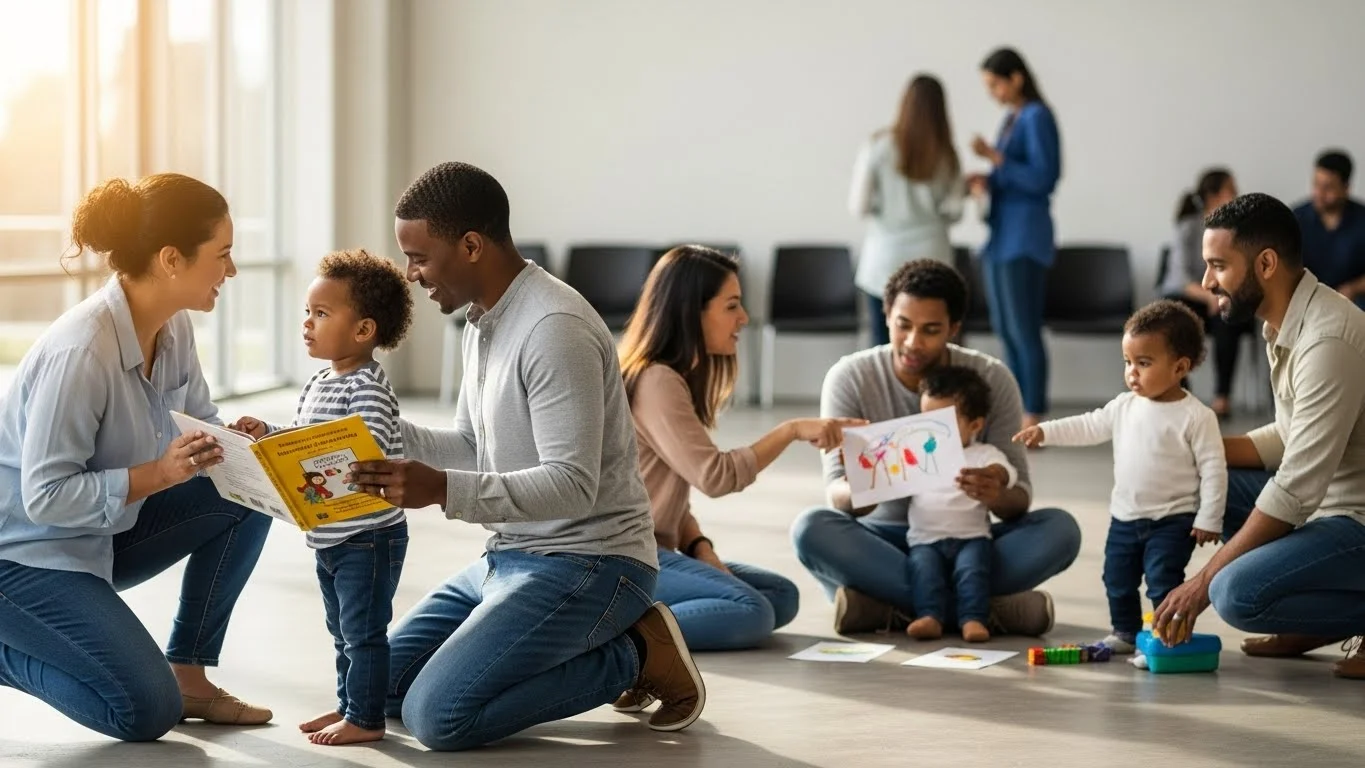
Understanding Effective Communication
The Importance of Communication in Discipline
When I think about discipline, I often remember a time when I struggled to get my point across to my kids. I found that yelling or punishing didn’t work as I had hoped. Instead, I realized that effective communication made a world of difference. It’s not just about telling someone what they did wrong; it’s about engaging with them in a way they can understand, feel valued, and learn from the experience. This approach not only fosters better behavior but also nurtures a respectful relationship.
Effective communication creates a space where children feel safe to express their feelings and thoughts. This is essential because when a child feels heard, they’re more likely to respond positively to discipline. I’ve seen firsthand how open discussions about feelings can help my children understand the impact of their choices, leading to more mindful behavior in the future.
Key Principles of Effective Communication
From my experience, there are several key principles that can enhance our communication skills, especially when it comes to discipline:
- Clarity: Speak clearly and directly. I’ve learned that vague instructions lead to confusion and frustration.
- Empathy: Try to understand the other person’s feelings. Acknowledge what they are going through and respond with compassion. This has helped me connect with my kids on a deeper level.
- Non-judgment: Approach conversations without judgment. I found that when I let go of preconceived notions, my children opened up more, allowing for genuine dialogue.
- Active Listening: Truly listen to what the other person is saying. I remember a moment when my daughter shared her feelings about a friend at school, and by actively listening, I could provide the support she needed.
By focusing on these principles, I’ve seen how discipline can transform from a punitive action into a learning experience for both my children and myself. We grow together through these discussions, which only strengthens our bond.
Core Components of Positive Discipline
Definition and Goals of Positive Discipline
Positive discipline, in my understanding, is about teaching and guiding rather than punishing. It aims to foster responsibility, respect, and self-discipline. I remember a time when my son made a mistake and I reacted impulsively. Later, I realized that instead of scolding him, I could guide him through the consequences of his actions. Since then, I’ve dedicated myself to understanding the goals of positive discipline.
The main goals are to help children learn from their mistakes, develop self-control, and maintain a strong parent-child relationship. By focusing on these objectives, I believe we can cultivate a more harmonious atmosphere in our homes.
How Communication Shapes Discipline
Communication is the bridge that connects discipline with understanding. I experienced a profound change when I started having conversations about rules and boundaries. Instead of just announcing what was right or wrong, I began to involve my children in discussions about our family’s values. This approach helped them feel a sense of ownership over their choices.
When we communicate effectively, we reinforce the lessons of positive discipline. For instance, when my daughter misbehaves, instead of reacting with frustration, I choose to ask her why she acted that way. This not only helps her reflect on her actions but also allows me to understand her perspective. It’s in these moments that I see her learning, growing, and becoming more responsible.
Moreover, I’ve noticed that positive communication can make a significant difference in how rules are perceived. When children understand why certain behaviors are unacceptable and what the consequences are, they are more likely to adhere to those rules. It transforms discipline from a power struggle into a collaborative effort.
NLP Techniques for Enhanced Communication
Understanding NLP (Neuro-Linguistic Programming)
Neuro-Linguistic Programming, or NLP, is a fascinating approach I stumbled upon while looking for ways to improve my communication skills. It focuses on the connection between neurological processes, language, and behavioral patterns learned through experience. I found that by incorporating some NLP techniques, I could enhance not only my communication but also my relationship with my children.
Applying NLP Principles for Better Interaction
One of the NLP techniques that resonated with me is mirroring. It involves subtly mimicking the person’s body language or tone. I tried this with my son during a difficult conversation, and it helped him feel more at ease. By reflecting his emotions, he opened up more, allowing for a genuine discussion about his feelings.
Another principle is the use of positive language. I made a conscious effort to frame my words positively. Instead of saying, “Don’t run,” I would say, “Please walk.” This small change has made a remarkable difference in how my children respond. They seem to appreciate being guided rather than told what not to do.
Incorporating these NLP techniques has not only improved my communication but also made it more effective. I’ve realized that by understanding and adapting to my children’s communication styles, I can foster a more positive environment for discipline.
Building Trust and Rapport
Creating a Safe Environment for Communication
When I think about effective communication, the first thing that comes to mind is the importance of building trust, especially with my kids. I’ve learned that creating a safe environment for communication is crucial. This means that they should feel comfortable sharing their thoughts and feelings without fear of judgment or punishment. I remember a time when my daughter was hesitant to talk about her school struggles because she feared I would be disappointed. It broke my heart to see her shutting down, and that moment taught me how vital it is to cultivate an atmosphere of safety and openness.
To foster this environment, I make it a point to validate their feelings. If my son is upset about something, I let him know that it’s okay to feel that way. I say things like, “I understand that you’re frustrated,” which encourages him to open up. I’ve found that when they know I’m genuinely listening and that their emotions are valid, it deepens our bond and makes them more willing to communicate openly. This foundation of trust allows us to tackle difficult topics together, knowing we can share without fear of backlash.
Active Listening Techniques
Active listening is a game-changer in our family discussions. I used to think that simply hearing what my kids said was enough, but I soon realized that active listening involves so much more. It’s about being fully present in the conversation and showing that I value what they are saying. I remember having a heart-to-heart with my son about peer pressure. Instead of just nodding along, I made an effort to engage with him by repeating back what he said and asking follow-up questions. This not only made him feel heard but also encouraged him to delve deeper into his feelings.
Some active listening techniques that I’ve found helpful include maintaining eye contact, nodding, and using verbal affirmations like “I see” or “I understand.” These small gestures signal to my kids that I’m truly invested in the conversation. I also make sure to eliminate distractions, like putting my phone away, which shows them that they have my full attention. By practicing active listening, I’ve seen my children become more open and willing to share their thoughts, leading to more meaningful conversations about discipline and expectations.
Non-Verbal Communication Skills
The Role of Body Language in Discipline
Non-verbal communication is something I didn’t pay much attention to at first, but I’ve come to realize how powerful it can be. Body language communicates feelings and attitudes just as much as words do. For instance, when I approach my children with crossed arms and a stern face, they immediately sense my frustration, even if I’m trying to convey something else. I learned that my physical presence and demeanor can either invite dialogue or shut it down.
In our home, I consciously try to adopt open body language. When discussing sensitive topics, I lean slightly forward and maintain an open stance, which seems to encourage my kids to engage more freely. I’ve noticed that when I smile or use gentle gestures, it helps to ease the tension. This non-verbal communication reinforces my messages and creates a more welcoming space for conversation.
Facial Expressions and Tone of Voice
Alongside body language, I’ve found that my facial expressions and tone of voice play a crucial role in how my children interpret what I say. I remember a moment when I was discussing a mistake my daughter made. My tone was firm, but I noticed that my facial expression was more harsh than I intended. It was a wake-up call for me to be more mindful of how I express my emotions while communicating.
Now, I pay close attention to my tone, ensuring it aligns with the message I want to convey. If I’m discussing something serious, I use a calm but firm voice rather than raising it in frustration. I also try to convey warmth and understanding in my expressions, especially during disciplinary conversations. By doing this, I’ve noticed that my kids respond better, feeling less defensive and more willing to engage in a productive dialogue about their behavior.
Strategies for Positive Communication
Using Positive Language and Framing
One of the most effective strategies I’ve adopted is using positive language. I used to focus on what not to do, but I quickly realized that framing things positively yields better results. Instead of saying, “Don’t yell,” I now say, “Let’s speak softly.” This shift in language not only guides my children towards the desired behavior but also creates a more positive atmosphere.
I remember a time when my son was playing too aggressively with his toys. Instead of scolding him, I said, “Let’s find a way to play gently so everyone can enjoy.” This approach sparked a conversation about sharing and kindness, and he was more receptive to the idea. I’ve seen how positive language encourages my kids to focus on what they can do rather than what they shouldn’t, which makes discipline feel less daunting for all of us.
Setting Clear Boundaries and Expectations
Setting clear boundaries has been another essential strategy in my parenting journey. I’ve learned that children thrive when they know what is expected of them. I remember when I established a rule about screen time. Initially, it was met with resistance, but I took the time to explain why we had that boundary in place. I emphasized the importance of balance and how it benefits their well-being. Read Interesting article: Effective Tips for Parents: Screen Time and Learning Balance
By clearly communicating the reasons behind our rules, I’ve noticed that my children are more willing to accept them. I make it a point to involve them in discussions about boundaries, which gives them a sense of ownership. This collaborative approach not only helps them understand the rationale behind the rules but also empowers them to make better choices, reinforcing the positive discipline we strive for.
Handling Difficult Conversations
Identifying Potential Communication Barriers
When it comes to difficult conversations, I’ve learned that recognizing potential barriers is crucial. I remember a time when I tried to discuss my daughter’s declining grades. I approached her with the best intentions, but I quickly realized she was defensive and shut down. It dawned on me that there were underlying issues at play, such as her fear of disappointing me, which created a barrier to effective communication.
Some common barriers I’ve noticed include emotional triggers, lack of understanding, and preconceived notions. For instance, if I’m feeling stressed or overwhelmed, it can cloud my ability to communicate effectively. I try to check in with myself before engaging in tough discussions. I remind myself to take a deep breath and approach the conversation with a calm mindset. This self-awareness can make all the difference.
Another barrier can be the child’s emotional state. If they are upset or anxious, they might struggle to receive the message I’m trying to convey. I’ve found that acknowledging their feelings first helps break down these barriers. If my child is upset about something else, I make it a point to address that emotion before diving into the conversation I want to have. This simple act of validation often leads to a more open and honest dialogue.
Techniques for De-escalating Conflict
Conflict can arise unexpectedly, especially in the heat of the moment. I’ve had my fair share of conflicts with my children, and I’ve learned some techniques that help de-escalate these situations. One technique I rely on is taking a step back. When emotions run high, I remind myself and my children to take a break if needed. This pause helps us cool off and approach the issue with a clearer mindset.
Another effective technique is using “I” statements instead of “you” statements. For example, instead of saying, “You never listen to me,” I might say, “I feel unheard when my suggestions are overlooked.” This shift in language softens the conversation and helps my children understand that I’m sharing my feelings rather than blaming them. It’s a subtle but powerful way to facilitate a more constructive discussion.
Additionally, I’ve found that offering choices can diffuse tension. For instance, if my child is upset about a rule, I might say, “Would you prefer to finish your homework before or after dinner?” By giving them a sense of control, I’ve noticed that they are more willing to engage in dialogue about the rules and the reasoning behind them.
Feedback and Reinforcement
Constructive Feedback Techniques
Providing feedback is an essential part of the communication process, especially in discipline. I’ve learned the importance of delivering constructive feedback rather than criticism. When I need to address a behavior, I try to focus on the action rather than labeling my child. For instance, instead of saying, “You’re a bad listener,” I would say, “I noticed you weren’t paying attention when I was talking.” This approach helps them understand that it’s their behavior that needs adjustment, not their character.
I also incorporate the “sandwich” method when giving feedback. This technique involves starting with a positive comment, followed by the constructive feedback, and ending with another positive remark. For example, I might say, “You did a great job on your project! However, I noticed some parts of it could be clearer. I’m proud of your effort and I know you’ll do even better next time.” This not only softens the blow of criticism but also motivates my children to improve.
The Role of Praise in Positive Discipline
Praise is another vital component of effective communication and positive discipline. I’ve discovered that recognizing my children’s efforts, big or small, reinforces positive behavior. When I acknowledge their hard work, it encourages them to continue striving for success. I remember a moment when my son completed a challenging task without prompting. I praised him for his initiative, and he beamed with pride. That little bit of recognition made him want to take on more responsibilities.
However, I’ve learned that praise should be specific. Instead of generic compliments like “Good job,” I aim to highlight what they did well. For instance, I might say, “I really appreciate how you took the time to help your sister with her homework. That was very kind of you.” This specificity not only boosts their confidence but also reinforces the behaviors I want to see more of, creating a positive feedback loop in our home.
Practical Exercises for Mastering Communication
Role-Playing Scenarios
One of the most effective ways I’ve found to enhance communication skills is through role-playing scenarios. I’ve sat down with my kids and we’ve acted out different situations that might arise in our daily lives, like resolving conflicts with friends or navigating tricky conversations at school. This practice has been invaluable not just for them but for me as well.
By stepping into their shoes, I gain insight into their perspectives and concerns. I remember a time we role-played a situation where my daughter was being teased at school. It helped her articulate her feelings and practice how she could respond. Role-playing gave her the confidence to handle real-life situations better, and it allowed us to discuss strategies in a safe space without the pressure of immediate consequences.
Self-Reflection and Improvement Techniques
Self-reflection is another powerful tool I’ve integrated into my communication approach. After challenging conversations, I take a moment to reflect on what went well and what could have been improved. I ask myself questions like, “Did I listen effectively?” or “Was my body language open and inviting?” This practice has helped me become more aware of my communication style and adjust it accordingly.
I also encourage my kids to reflect on their communication skills. After a conversation, I might ask them how they felt about our discussion. This not only helps them articulate their feelings but also teaches them to be mindful of their communication with others. By fostering a culture of self-reflection, we’ve all become more adept at navigating our interactions, leading to a healthier family dynamic.
Frequently Asked Questions
What is the cornerstone of positive discipline?
Effective communication is the cornerstone of positive discipline as it helps convey messages, build stronger relationships, and make discipline more effective and compassionate.
Why is effective communication important in discipline?
Effective communication is important in discipline because it engages children in a way they can understand, feel valued, and learn from their experiences, fostering better behavior and nurturing a respectful relationship.
What are some key principles of effective communication?
The key principles of effective communication include clarity, empathy, non-judgment, and active listening.
How does communication shape discipline?
Communication shapes discipline by connecting rules and boundaries with understanding. It involves discussing family values and helping children reflect on their actions, transforming discipline from a power struggle into a collaborative effort.
What techniques can enhance communication with children?
Techniques that can enhance communication with children include mirroring body language, using positive language, and actively listening to their feelings and thoughts.
How can a safe environment be created for communication?
A safe environment for communication can be created by validating children’s feelings, ensuring they feel comfortable sharing their thoughts without fear of judgment or punishment.
What role does body language play in communication?
Body language plays a significant role in communication as it conveys feelings and attitudes. Open body language can encourage dialogue, while closed or stern body language can shut it down.
What is the “sandwich” method in providing feedback?
The “sandwich” method involves starting with a positive comment, followed by constructive feedback, and ending with another positive remark to soften criticism and motivate improvement.
How can role-playing scenarios help in enhancing communication skills?
Role-playing scenarios help enhance communication skills by allowing children to practice handling real-life situations in a safe environment, providing insights into their perspectives and concerns.
What is the importance of self-reflection in communication?
Self-reflection is important in communication as it helps individuals evaluate their communication style, recognize areas for improvement, and foster a culture of mindfulness in interactions.