
Mastering positive reinforcement techniques can transform your experience as a parent. By encouraging good behavior in your toddler, you create a more joyful and cooperative environment for both of you. Read Interesting article: Successful Parenting: Positive Reinforcement for Toddlers
Understanding Positive Reinforcement
Definition of Positive Reinforcement
Positive reinforcement is a concept that focuses on encouraging desired behaviors by providing rewards or positive outcomes. When I first heard about it, I thought it was just about giving my toddler treats or toys for good behavior. However, I soon discovered that it’s much more nuanced and involves using various forms of acknowledgment to motivate my child. It’s all about recognizing and rewarding efforts, big or small, to create a positive feedback loop.
Benefits of Positive Reinforcement for Toddlers
When I started using positive reinforcement, I noticed a remarkable shift in my toddler’s behavior. One key benefit is that it boosts their self-esteem. When toddlers receive praise or a reward for their actions, they feel more capable and confident. I remember the first time my daughter received compliments for picking up her toys without prompting—it was like watching a light bulb go off in her head. She beamed with pride and was eager to continue the good behavior.
Another advantage is that it fosters a stronger bond between us. By actively engaging in positive reinforcement, I found that we communicated better. As I praised her for sharing her toys with a friend, I saw a genuine happiness in her that reinforced our relationship. Additionally, positive reinforcement can lead to better emotional regulation. Toddlers who are encouraged positively tend to develop healthier coping mechanisms as they grow. Read Interesting article: Boost Your Toddler’s Growth: Positive Reinforcement Tips
How Positive Reinforcement Differs from Punishment
Understanding how positive reinforcement differs from punishment was eye-opening for me. Initially, I believed that correcting my toddler through discipline was necessary. However, I quickly learned that punishment often leads to fear and anxiety rather than understanding. For example, when I raised my voice in frustration, I noticed my daughter would just shut down, becoming less responsive and more rebellious.
On the other hand, positive reinforcement focuses on what I want to encourage instead of just what I want to stop. By praising desired behaviors, I’m teaching my toddler what’s expected in a nurturing way. It’s about creating an environment where good behaviors are recognized and celebrated, rather than solely focusing on mistakes. This shift in approach was pivotal for our family dynamic; it made our interactions much more enjoyable.
Core Techniques for Positive Reinforcement
Verbal Praise: The Power of Words
Verbal praise has been one of the most effective techniques in my parenting toolkit. I remember a day when my son built an impressive tower with blocks. Instead of just saying, “Good job,” I took a moment to elaborate on what I appreciated. I said, “Wow! You stacked those blocks so high! I love how you used different colors.” That reaction lit him up! It made me realize that specific praise is incredibly powerful. It doesn’t just tell them they did something good; it helps them understand what they did right.
Being genuine in my praise is crucial, too. I always try to make sure my enthusiasm matches the behavior I’m reinforcing. If my praise feels forced, my child can sense it, and it loses its effectiveness. I aim for a balance of spontaneity and sincerity, which keeps the encouragement fresh and exciting.
Reward Systems: Sticker Charts and Beyond
Implementing a reward system, like a sticker chart, was another turning point for us. When I first introduced a simple chart, I wasn’t sure how my toddler would respond. To my delight, it worked wonders! For every good behavior—like helping to set the table or putting away toys—my child earned a sticker. After collecting a certain number of stickers, they could choose a small reward like a fun outing or a new book.
The visual representation of progress was motivating for my toddler. It made them more eager to engage in the behaviors we wanted to encourage. I found that even small rewards, like extra cuddle time or a favorite bedtime story, can be just as effective as more significant incentives. The key is to ensure the rewards are meaningful to them and that they clearly understand the connection between their good behavior and the reward.
Quality Time: Engaging and Bonding Activities
One of my favorite techniques is incorporating quality time into positive reinforcement. I discovered that spending focused time with my toddler can itself be a huge reward. Whether it’s reading together, playing a game, or even cooking, these moments of connection reinforce positive behaviors. I remember the joy on my son’s face when I praised him for sharing toys and immediately suggested we build something together. It was a win-win situation! He felt recognized, and we bonded over an enjoyable activity.
By intentionally setting aside moments to engage with my child, I show them that their good behavior directly impacts our relationship. It teaches them that fun and love are tied to positive actions, making them more likely to repeat those behaviors.
Physical Affection: Hugs and High-Fives
Never underestimate the power of physical affection! I’ve learned that hugs, high-fives, or even a gentle pat on the back can be incredibly reinforcing for toddlers. When my daughter helps clean up her toys, I often give her a big hug and say, “Thank you for helping! You’re such a great helper!” The warmth of a hug combined with positive words creates a sense of security and appreciation. It signals to my child that their efforts are valued and encourages them to continue behaving positively.
Incorporating physical affection into our daily routine has made a significant difference. It’s a simple, yet effective way to reinforce good behavior and strengthen our bond. I feel that the more love and acknowledgment I give, the more my child is willing to express kindness and cooperation.
When to Use Positive Reinforcement
Recognizing Appropriate Behaviors to Reinforce
One of the first things I learned about positive reinforcement is the importance of recognizing the right behaviors to reinforce. It’s not just about praising everything my toddler does; it’s about identifying specific actions that I want to encourage. For instance, I noticed that when my daughter helped clean up after playtime, her enthusiasm for tidiness grew when I acknowledged her efforts. I made a point to encourage not just the act of cleaning up but also the way she did it, emphasizing her responsibility and teamwork.
By paying close attention, I started to recognize those little moments throughout our day that deserved a shout-out. Whether it’s sharing toys with a friend, saying “please” and “thank you,” or even trying something new, I found that celebrating these behaviors not only reinforced them but also built a positive environment where my child felt motivated to continue making good choices. It became a lovely cycle of positivity that we both enjoyed!
Timing: Immediate vs. Delayed Reinforcement
Timing is crucial in positive reinforcement. I learned that immediate reinforcement, like praising my child right after they display the desired behavior, is far more effective than waiting too long. For example, when my son picked up his shoes without being asked, I made sure to acknowledge it right then and there. I said, “Wow! You remembered to put your shoes away all by yourself! That’s so helpful!” His eyes lit up, and I could see he felt proud. This immediate feedback created a strong connection between his behavior and my praise, making him more likely to do it again in the future.
However, I also discovered that some situations might require a delayed reinforcement approach, particularly when it involves more complex behaviors. For instance, if my daughter completed a week of good sharing with her friends, we celebrated at the end of the week with a fun outing. In this case, I explained to her that her consistent good behavior over several days was what earned the reward. This blend of immediate and delayed reinforcement helped my children understand that good behavior has both instant and long-term benefits.
Consistency: The Key to Effective Reinforcement
Consistency has been one of the biggest game-changers in my parenting journey. I realized that if I want my toddler to truly grasp the concept of positive reinforcement, I need to be consistent in how and when I reinforce behaviors. There were times when I would get busy or distracted, and I would forget to acknowledge the good things my kids did. I noticed that during those times, my children’s motivation seemed to dip. They thrive on routine and reassurance, and I learned that my consistent praise made them feel secure and understood.
To help with this, I started keeping a mental note of the behaviors I wanted to reinforce. I made it a point to acknowledge them daily, which created a habit for both of us. The more predictable my reinforcement became, the more my toddlers started to understand the link between their actions and my positive feedback. It was rewarding to see their eagerness grow as they realized their actions could lead to recognition and appreciation. Read Interesting article: Mastering Toddler Discipline While Backpacking on a Budget
Common Challenges and Solutions
Over-reliance on Rewards
One challenge I faced was the fear of over-relying on tangible rewards like stickers or small gifts. I worried that my children would only behave well if they expected a reward at the end. To combat this, I focused on balancing tangible rewards with intrinsic motivations. I began to emphasize the joy of helping others and the satisfaction of completing a task. When my son helped me bake cookies, I made sure to highlight how proud he should feel about his contribution, rather than just the treat we’d enjoy afterward.
We also started creating experiences instead of rewards. For example, if they completed their chores, we would have a fun family game night instead of just giving them a toy. This shift made the rewards feel more meaningful and less transactional, encouraging them to engage in positive behaviors for the sake of the experience rather than just for a reward.
Inconsistency in Reinforcement
I learned the hard way that inconsistency in reinforcement can confuse toddlers. There were times when I would forget to offer praise or a reward, leading my kids to feel unsure about what behaviors were expected. To tackle this, I set reminders for myself to engage with them consistently. I also communicated openly with them about what behaviors I appreciated. If I saw them doing something positive, I made sure to reinforce it, even if it was just a little. I found that using a simple chart to track behaviors helped both of us stay focused and aligned.
Dealing with Negative Behaviors Despite Positive Reinforcement
Despite my best efforts, there were still moments when my toddlers displayed negative behaviors. I was perplexed at first; I thought that with all the praise and positive reinforcement, they would only exhibit good behavior. However, I learned that negative behaviors are a normal part of toddler development. When they acted out, I took a step back to assess the situation rather than react immediately. I realized that sometimes they needed additional support or that a behavior was simply a way to express their emotions.
In these situations, I found it helpful to address the underlying emotions rather than just the behavior itself. Instead of solely reprimanding them, I would talk to my children about how they were feeling. By doing this, I was able to guide them towards more positive ways of expressing their feelings in the future. This shift in perspective not only helped manage negative behaviors but also reinforced the idea that I was there to support them through their emotional struggles.
Age-Appropriate Reinforcement Techniques
Positive Reinforcement for Toddlers (1-3 Years)
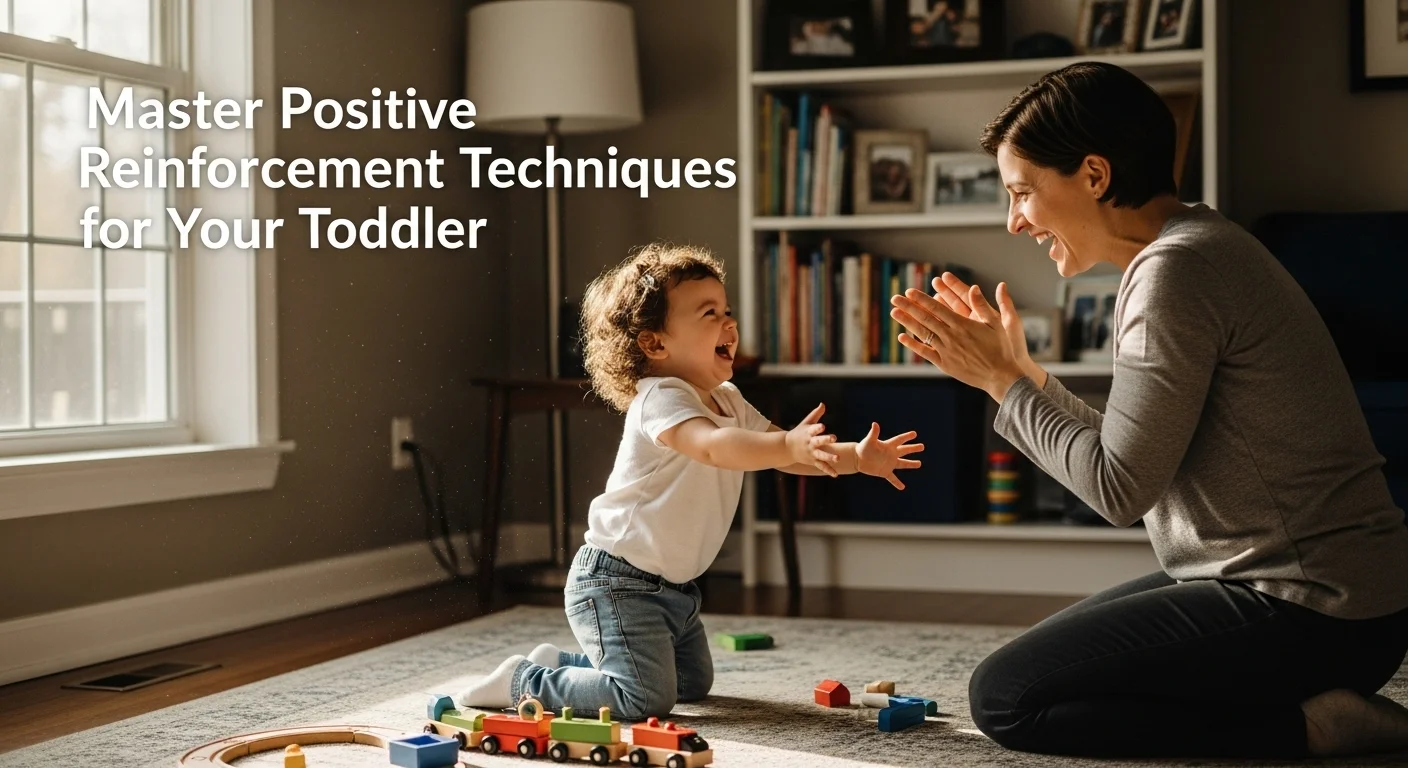
When it comes to toddlers, I found that positive reinforcement really needs to be simple and straightforward. At this age, my kids were just beginning to grasp the concept of cause and effect. For example, when my daughter started walking, I made sure to celebrate every little milestone. I would clap and cheer each time she took a few steps. The smile on her face said it all—it was like I was giving her the boost of confidence she needed! I learned that toddlers thrive on immediate acknowledgment, making it crucial to keep my responses enthusiastic and engaging.
In addition, I focused on using visual aids to help reinforce good behavior. Simple tokens, like colorful stickers or even small toys, became great tools for our positive reinforcement strategy. Each time she completed a task, like putting away her toys, I would give her a sticker. It was fascinating to see how motivated she became to earn those little rewards. I always made sure to explain why she was receiving a sticker, helping her connect the dots between her actions and the reward. This setup not only encouraged her but also turned everyday tasks into fun challenges!
Adapting Techniques as Your Child Grows (3-5 Years)
As my children entered the preschool years, I realized that I needed to adapt my reinforcement techniques to keep up with their developing understanding. By this age, they were starting to grasp more complex concepts, so I shifted my focus towards fostering their independence. Instead of just celebrating the completion of tasks, I started to encourage them to take initiative. I remember when my son decided to help set the table for dinner. I praised him not just for helping, but also for thinking ahead and taking on responsibility.
Incorporating small discussions about their feelings also became a key part of our routine. I would ask them how they felt when they helped or shared with others, prompting them to reflect on their actions and the positive impact they had on those around them. This shift towards self-awareness not only reinforced their good behavior but also helped them develop empathy, which I believe is foundational for their social growth.
Moreover, I found that as they grew, I could introduce them to more complex reward systems. We started using a point system where they could earn points for various positive behaviors, like being kind or helping without being asked. At the end of the week, they could trade points for fun activities, like a trip to the park or a movie night. This approach made them feel like active participants in their behavior management, and I loved seeing their excitement as they worked towards their goals.
Real-Life Examples and Scenarios
Celebrating Small Wins: Everyday Situations
One of the best parts of using positive reinforcement is the ability to celebrate small wins throughout our day. I remember a typical morning when my daughter decided to pick out her clothes without any fuss. Instead of just letting it slide, I made a big deal out of it. I said, “I’m so proud of you for choosing your outfit all by yourself! You look amazing!” Her eyes lit up, and she twirled around, reveling in the moment. It was a small victory, but it set a positive tone for the rest of the day.
These little celebrations became a part of our daily routine. Whether it was finishing breakfast without complaining or helping to put on shoes, I learned that acknowledging these moments made them feel valued. I even started a “win jar,” where I’d write down each small victory on a slip of paper and drop it in. At the end of the week, we would read through them together, which reinforced those good behaviors and built a sense of accomplishment.
Handling Tantrums with Positive Reinforcement
Tantrums are an inevitable part of toddlerhood, and I found that positive reinforcement could play a role even in these challenging moments. When my son experienced a meltdown, I learned to take a step back rather than react with frustration. Instead, I started to focus on the behavior I wanted to see instead of just addressing the tantrum itself. I would calmly guide him through his emotions by saying things like, “I understand you’re upset. Let’s take a deep breath together. After that, I’d love to help you find a toy to play with.”
This approach not only diffused the situation but also taught him healthier ways to express his feelings. I noticed that the more I reinforced calm behaviors, the less frequent and intense the tantrums became. It was a win-win, as it strengthened our bond while encouraging emotional regulation. I’ve come to believe that the key is not only to recognize the good but also to provide a safe space for my children to express themselves positively.
Encouraging Sharing and Social Skills
Encouraging my kids to share and develop social skills has been a rewarding experience. One day, during a playdate, I noticed my daughter hesitating to share her toys with a friend. Instead of reprimanding her, I gently prompted, “Remember how happy you felt when your friend shared their toys with you? Let’s show her how much fun it can be to share!”
By connecting the dots for her, I could see her thinking about it. Eventually, she handed over a toy, and I immediately praised her. “That was so kind of you! Look how happy your friend is!” This recognition reinforced her understanding of the joy that comes from sharing. I’ve found that facilitating these moments with encouragement has helped her develop empathy and a sense of community. It’s been beautiful to witness her growing confidence in her social interactions.
Frequently Asked Questions
What is positive reinforcement?
Positive reinforcement is a technique that encourages desired behaviors by providing rewards or positive outcomes. It involves recognizing and rewarding efforts, big or small, to create a positive feedback loop.
What are the benefits of positive reinforcement for toddlers?
Positive reinforcement boosts toddlers’ self-esteem, fosters stronger bonds between parent and child, and leads to better emotional regulation as they develop healthier coping mechanisms.
How does positive reinforcement differ from punishment?
Positive reinforcement focuses on encouraging desired behaviors, while punishment often leads to fear and anxiety. It emphasizes teaching what behaviors are expected in a nurturing way rather than solely correcting mistakes.
What are some core techniques for implementing positive reinforcement?
Core techniques include verbal praise, reward systems (like sticker charts), quality time spent together, and physical affection such as hugs and high-fives to reinforce good behavior.
When should positive reinforcement be used?
Positive reinforcement should be used immediately after recognizing appropriate behaviors to reinforce. It’s important to identify specific actions to encourage and to acknowledge them consistently.
What challenges might arise with positive reinforcement?
Challenges include over-reliance on tangible rewards, inconsistency in reinforcement, and dealing with negative behaviors despite positive reinforcement. It’s essential to balance rewards with intrinsic motivations and maintain consistency to avoid confusion.
How can reinforcement techniques be adapted as a child grows?
As children grow, reinforcement techniques should evolve to match their developing understanding. For preschoolers, focus on fostering independence, initiating responsibility, and introducing complex reward systems like point systems for positive behaviors.
How can small wins be celebrated through positive reinforcement?
Celebrating small wins can involve acknowledging everyday achievements, such as picking out clothes or completing tasks without fuss. Keeping a “win jar” to note these victories can help reinforce good behavior and build a sense of accomplishment.
How can positive reinforcement help during tantrums?
During tantrums, positive reinforcement can help by focusing on the desired behavior rather than just the tantrum itself. Guiding children through their emotions and reinforcing calm behaviors can reduce the frequency and intensity of meltdowns.
How can sharing and social skills be encouraged through positive reinforcement?
Encouraging sharing can be reinforced by highlighting the joy it brings to both the child and their friends. Prompting children to recall positive experiences of sharing and praising them when they do share helps develop empathy and social skills.