
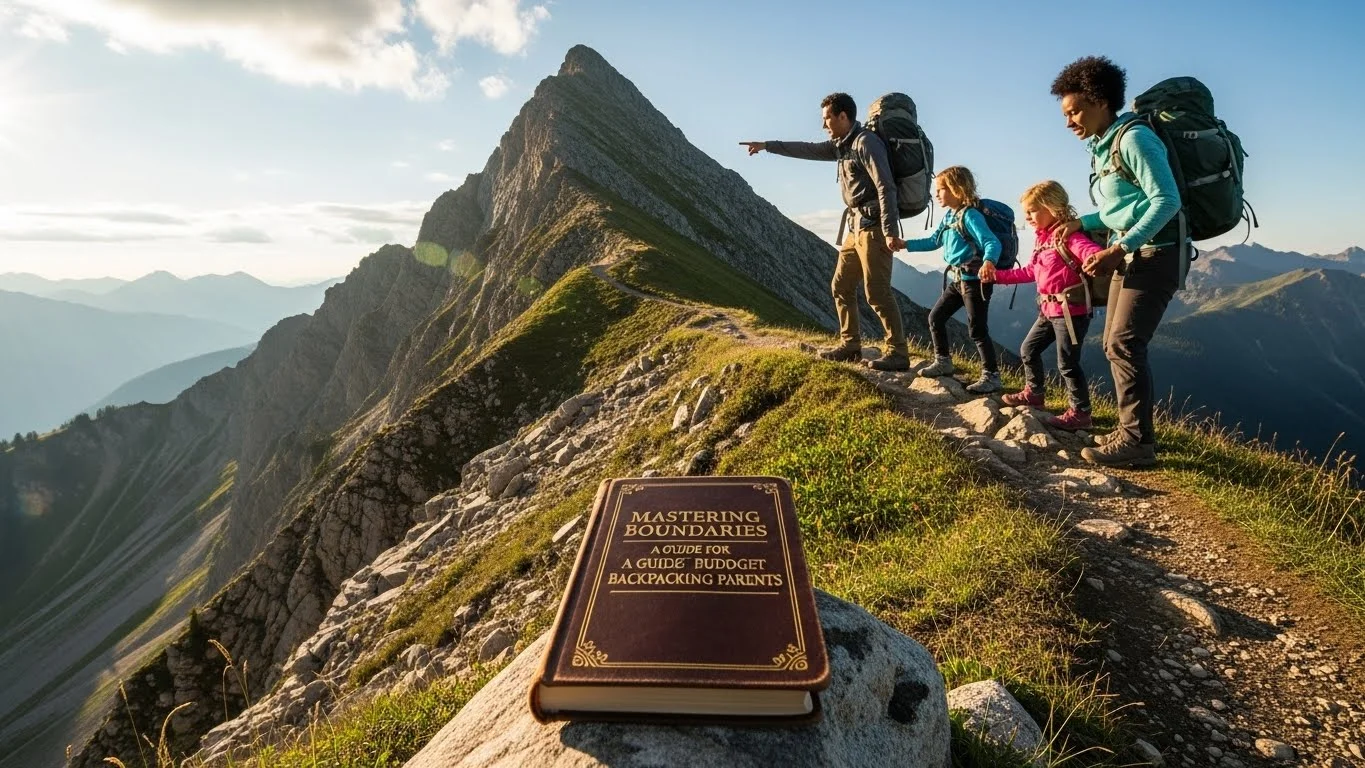
Backpacking with kids on a budget can be a thrilling adventure, but mastering boundaries is key to a smooth journey. Let’s dive into how setting personal limits can transform our family travels into unforgettable experiences. Read Interesting article: Setting Travel Boundaries: Tips for Budget Backpackers
Understanding Boundaries for Backpacking Parents
When I first started traveling with my kids, I quickly learned that setting boundaries was crucial. It wasn’t just about knowing where to go and how much to spend; it was about understanding our limits and respecting each other’s space and needs. Boundaries are the invisible lines that help us maintain our sense of self, especially when navigating the chaos of travel. In our experience, having clear boundaries can make or break a trip.
What Are Personal Boundaries?
Personal boundaries are the guidelines we set for ourselves to protect our emotional and physical space. They help us express what we are comfortable with and what we are not. For instance, I realized that I needed some quiet time after a day full of activities, and I communicated this to my family. It’s not always easy, but defining these limits was essential for maintaining my sanity while we explored new places together.
When we travel, our boundaries might shift. We may feel more flexible about bedtime or meal times when we’re in a new environment. However, it’s important to recognize that some boundaries should remain firm, like ensuring everyone gets enough rest or that we maintain respect for each other’s personal space. We all have our comfort zones, and acknowledging them can lead to a more enjoyable experience for the whole family. Read Interesting article: Backpacking with Kids: Setting Boundaries with Love
Why Boundaries Matter for Parents
As parents, we often find ourselves juggling multiple roles: caregiver, planner, and sometimes, referee. Setting boundaries can help us navigate these roles more effectively. When I started to establish clear guidelines for my kids during our travels, I noticed a significant change in their behavior. They felt safer knowing what was expected of them, and I felt less stressed knowing I had clear limits in place.
Boundaries also encourage accountability. I remember one trip when my kids had specific responsibilities, like keeping track of their own gear and helping with meal prep. By setting these expectations, they learned valuable life skills, and I got to enjoy traveling without constantly reminding them of their duties. It felt like a win-win situation!
The Impact of Boundaries on Family Travel
Traveling as a family can sometimes feel like orchestrating a chaotic symphony. There are so many moving parts that it’s easy for things to go off-key. Establishing boundaries can help create a harmony that makes family trips enjoyable. For example, we set a rule that everyone would have an hour of quiet time after lunch. This little boundary allowed me to recharge, and my kids learned to embrace their individual interests, whether that was reading or drawing.
Moreover, boundaries can enhance our travel experiences. They encourage us to try new things within a defined framework. For instance, I often set a boundary of trying at least one new food during our trips. This not only expanded our culinary horizons but also led to some fun conversations and shared laughs. We discovered quirky local dishes that became highlights of our journey.
Of course, boundaries aren’t just about limits; they can also be about what we want to embrace as a family. For example, we set a boundary around spending quality time together each evening, whether it was playing games or sharing stories about our day. This routine became a comforting ritual that helped us bond and reflect, making our travels more meaningful.
In my experience, traveling with kids can teach them the value of boundaries in a fun and engaging way. They learn to respect their own needs and those of others, which is a life skill that transcends travel. When we model healthy boundaries, we’re setting our children up for success not just on the road, but in their everyday lives. They become more empathetic and self-aware, which I believe is one of the greatest gifts we can give them.
As we continue this journey of backpacking as parents, it’s become clear that mastering boundaries isn’t just a travel strategy; it’s a way to enhance our family dynamics. By understanding and communicating our limits, we open the door to richer experiences and deeper connections. I’m excited to explore more about how we can plan our budget backpacking trips effectively while keeping these boundaries in mind. Read Interesting article: Safe Sleep Solutions for Budget Backpacking Parents
Planning Your Budget Backpacking Trip
Choosing a Destination
Choosing a destination for our backpacking trip is often the most exciting part. I remember the time we sat down as a family to decide where we wanted to go. We pulled out a map and started dreaming. We considered places that had been on our travel wishlist for years, but we also discussed what was feasible for our budget and time constraints. We needed to find a spot that offered both adventure and affordability.
One thing I’ve learned is to consider not just the famous tourist spots, but also hidden gems that can be less expensive and less crowded. We discovered that national parks often have lower entrance fees and offer stunning natural beauty that can keep us entertained for days without breaking the bank. In our case, we decided on a national park that had hiking trails, camping options, and a variety of wildlife. It felt like the perfect blend of adventure and cost-effectiveness!
Setting a Realistic Budget
Next up was setting a budget. I’ve found that a realistic budget is key to keeping stress at bay during our travels. We sat down with a notepad and pen, and I involved the kids in the process. We talked about how much we could spend on transportation, accommodations, food, and activities. I even showed them how to research prices online, which was a great learning experience.
One of my favorite tips is to check for free days at local attractions or festivals happening during our travel dates. For instance, we once planned our trip around a free admission day at a nearby museum. That not only saved us money but also allowed us to explore something we all enjoyed together. I believe that having open conversations about budgeting fosters responsibility in my kids and helps them appreciate the value of money.
Creating a Travel Itinerary
After we nailed down our destination and budget, we moved on to creating a travel itinerary. This part can be tricky, but I’ve learned that a flexible itinerary works best for us. I like to map out the must-see spots but also leave room for spontaneity. One day, we might plan a hike, and the next, we could spend the day just wandering through a quaint little town.
I often include a mix of structured activities and free time. I remember one trip where we had planned to visit a local science center but ended up spending the afternoon at a park where we stumbled upon a community event. Those unexpected moments often become the best memories! I also make sure to discuss the itinerary with my kids, so they feel included and excited about our plans.
Involving Kids in the Planning Process
Involving my kids in the planning process has been a game changer. Not only does it give them a sense of ownership over the trip, but it also teaches them valuable skills. I’ve seen them become more engaged and interested when they have a say in where we go and what we do. We often browse travel blogs together or watch videos about our destination, which sparks their curiosity and excitement.
On one trip, my daughter found a local cooking class that we all ended up taking together. It was a fantastic experience that brought us closer, and we learned to prepare a dish that has since become a family favorite! I believe that when kids are involved in the planning process, they are more likely to embrace the travel experience and adapt to any challenges along the way.
Establishing Boundaries During Travel
Setting Expectations with Kids
Setting expectations with my kids has been a core part of establishing boundaries during our travels. Before we embark on any trip, I make sure we have a family meeting to discuss the ground rules. I share what I expect from them and encourage them to voice their thoughts and concerns. This open communication has helped us avoid misunderstandings on the road, and I’ve noticed it encourages my kids to be more responsible.
For example, we set clear guidelines about staying together in crowded places. I always remind them that if they ever feel lost or overwhelmed, they should find a trusted adult or a designated meeting point. This not only gives them a sense of security but also fosters independence and confidence as they navigate new surroundings.
Time Management and Daily Schedules
Time management is another area where boundaries play a significant role. I’ve found that having a daily schedule helps us keep track of our plans without feeling rushed. We often set time limits for certain activities, like how long we’ll spend at a museum or when we’ll take breaks. This structure helps everyone stay on the same page and reduces the chances of someone feeling overwhelmed.
During one trip, we learned the hard way that packing too much into one day can lead to cranky kids. We decided to slow down and give ourselves ample time for each activity, which made a huge difference. I remember sitting on a park bench, watching my kids enjoy their surroundings, and thinking how much I appreciated this newfound pace.
Personal Space and Alone Time
Even though we’re all together as a family, I’ve realized the importance of personal space and alone time. It’s easy to forget that everyone has their own needs, especially when we’re sharing close quarters. I started to build in time for each of us to recharge separately. For instance, I might take a short walk while the kids relax with a book or some drawing time.
This practice has led to a more harmonious atmosphere during our travels. I remember one trip where my son needed some quiet time after a busy morning. Instead of pushing through, we found a cozy café where he could unwind while I sipped coffee and enjoyed some downtime too. This little boundary helped us all feel better and more connected when we regrouped.
Communicating Boundaries to Others
Lastly, communicating our boundaries to others while traveling is essential, especially when interacting with other families or new friends we meet along the way. I’ve learned to be upfront about our family’s needs, whether it’s explaining our need for quiet time or our preference for simple meals. Often, others are more understanding than I initially anticipated. I find that honesty fosters respect and creates a comfortable atmosphere for everyone.
On one occasion, we met another family while camping, and they were keen on late-night campfires. I explained that our kids needed to wind down earlier, and they were more than happy to accommodate us. This way, we could still enjoy each other’s company without compromising our boundaries.
Budget-Friendly Travel Tips for Families
Finding Affordable Accommodations
One of the biggest expenses we face while traveling is accommodations. I’ve spent hours searching for the best deals, and over time, I’ve picked up a few tricks that have helped us save money without sacrificing comfort. I remember our last trip when we opted for a family-friendly hostel instead of a traditional hotel. It was surprisingly affordable and offered a cozy atmosphere where we could meet other travelers.
When looking for accommodations, I recommend checking sites that specialize in family-friendly options. We’ve had great experiences with platforms that allow us to book entire apartments or houses, especially when traveling with a larger group. This way, we can cook our own meals and create a homey setting that feels more relaxed for the kids. I also look for places that offer free breakfast or kitchen facilities, which can save us money on meals.
Another hack is to travel during the off-peak season. I’ve noticed that prices drop significantly when we avoid school holidays and weekends. If we can be flexible with our travel dates, we often find awesome deals that allow us to stay longer or splurge a bit on activities.
Cost-Effective Transportation Options
Transportation can quickly add up, especially if you’re not careful. I’ve learned to plan ahead and explore various options to keep costs down. For example, instead of flying, we’ve taken road trips where we can pack our car with all the essentials. It’s not only more economical, but it also allows us to stop along the way and discover hidden gems. I remember one memorable detour we took to a quirky roadside attraction that became a highlight of our journey!
When we do fly, I always compare flight prices on different platforms and set alerts for price drops. I also try to book flights during mid-week, which tend to be cheaper than weekend flights. If we need to rent a car, I recommend checking local rental companies instead of the big chains; they often have better deals. We also make use of public transportation whenever possible. I’ve found that using buses or trains not only saves money but also gives us a chance to experience the local culture more authentically.
Free and Low-Cost Activities
Finding things to do while traveling that won’t break the bank is another essential part of our trip planning. I’ve discovered that many cities and towns offer free or low-cost activities that can be just as enjoyable as pricier attractions. For instance, we’ve explored beautiful parks, attended free community events, and visited local markets that were full of vibrant energy.
I often check community calendars or tourism websites ahead of time to find out about free festivals, concerts, or exhibitions that align with our travel dates. One time, we stumbled upon a local art festival where my kids got to try their hands at painting. It was such a fun experience that we all remember fondly!
Additionally, many museums offer free admission days or discounted rates for families. I love taking advantage of these opportunities, and I always check if there are any family passes available that provide access to multiple attractions for a single fee. This way, we can maximize our experiences while keeping our budget in check.
Managing Meals on a Budget
Food is another area where I’ve learned to be strategic. Eating out for every meal can add up quickly, so I’ve made it a point to find ways to manage our food costs. Cooking some of our meals is one of my favorite strategies. If we have access to a kitchen, I’ll plan simple meals that everyone can help prepare. It’s a wonderful way to bond as a family, and the kids love being involved.
I also like to do a little research on local grocery stores or farmers’ markets where we can pick up fresh produce and snacks. This not only saves money but also allows us to taste local flavors without the hefty price tag of restaurant dining. I remember one trip where we created a picnic lunch with local cheeses, bread, and fruits. It turned out to be one of the best meals we shared together under a shady tree!
When we do eat out, I recommend looking for places that offer kids-eat-free deals or family-style dining, where we can share plates. We often explore food trucks or local diners as they tend to offer delicious meals at lower prices. I’ve found that a little planning around meals can lead to delightful culinary experiences without overspending.
Handling Challenges on the Road
Dealing with Unexpected Situations
Despite all the planning, I’ve learned that unexpected situations can arise while traveling. It’s a part of the adventure! I remember one trip when our flight was delayed, and it sent us scrambling to adjust our plans. Instead of letting it ruin our spirits, I tried to turn it into a fun opportunity. We ended up exploring the airport, finding quirky shops, and even playing games to pass the time. The kids loved it, and it became a memorable adventure within the trip.
When faced with unexpected challenges, I believe it’s essential to stay calm and flexible. I often remind myself and my kids that travel is about embracing the unknown. By fostering an adaptable mindset, we can navigate hiccups together and often find joy in the unexpected turns our journey takes.
Maintaining Boundaries with Travel Companions
If we’re traveling with other families or friends, maintaining our established boundaries can be a bit tricky, but it’s essential for keeping the experience positive. I’ve found that having open conversations before the trip helps set the tone. I always communicate our family’s needs and preferences, whether it’s regarding meal times or planned activities.
For instance, when we traveled with another family, we agreed on a shared itinerary that included both groups’ interests. This way, we each had input, and it made it easier to respect each other’s boundaries. I remember one day when the kids wanted to try a new adventure while the adults preferred a more relaxed pace. Instead of pushing anyone, we split up for a few hours and then rejoined for dinner, allowing everyone to enjoy their experience.
Child Safety and Setting Limits
Lastly, child safety is always a top priority for me while traveling. Establishing clear limits around safety is essential. We’ve had discussions about staying close in crowded places and using safety measures like wristbands with our contact information, especially during outings. I make sure my kids are aware of what to do if they feel lost or uncomfortable, like approaching a staff member or finding a designated meeting point.
By instilling these safety practices, I believe we empower our kids to navigate new environments with confidence. It’s reassuring for me to know that we’re not only enjoying our travels but are also prioritizing their safety and well-being. This balance is vital in creating a fun, secure, and rewarding travel experience for the whole family.
Frequently Asked Questions
What are personal boundaries in the context of backpacking with kids?
Personal boundaries are the guidelines we set for ourselves to protect our emotional and physical space. They help us express what we are comfortable with and what we are not, which is crucial when traveling with kids.
Why are boundaries important for parents while traveling?
Boundaries help parents juggle multiple roles effectively, encourage accountability in children, and reduce stress by establishing clear expectations and responsibilities during travels.
How can boundaries enhance family travel experiences?
Boundaries create harmony during family trips by setting rules for quiet time, encouraging trying new activities, and ensuring quality time together, which strengthens family bonds.
What strategies can help in choosing a budget-friendly travel destination?
Consider both famous tourist spots and hidden gems, such as national parks with lower entrance fees, and involve the family in discussing affordable options that fit within your budget.
How can families set a realistic budget for their trip?
Involve everyone in discussing transportation, accommodations, food, and activities. Look for free admission days at local attractions and foster responsibility by teaching children the value of money.
What is the benefit of creating a flexible travel itinerary?
A flexible itinerary allows for spontaneity and the chance to explore unexpected opportunities without feeling rushed, creating more memorable experiences during the trip.
How can parents involve their kids in the travel planning process?
Involving kids gives them a sense of ownership and interest in the trip. Browsing travel blogs and discussing plans together keeps them engaged and excited about the journey.
What are some effective ways to manage meals on a budget while traveling?
Cooking some meals, shopping at local grocery stores, and looking for kids-eat-free deals can help manage food costs. Planning picnics with local produce can also lead to enjoyable experiences.
How can families deal with unexpected situations during travel?
Staying calm and flexible is key. Embracing the unknown and turning challenges into fun opportunities can create memorable moments, even when plans change unexpectedly.
What safety measures should parents establish for their kids while traveling?
Parents should set clear safety limits, such as staying close in crowded places and knowing what to do if lost. Using safety measures like wristbands with contact information can empower kids and ensure their well-being.