
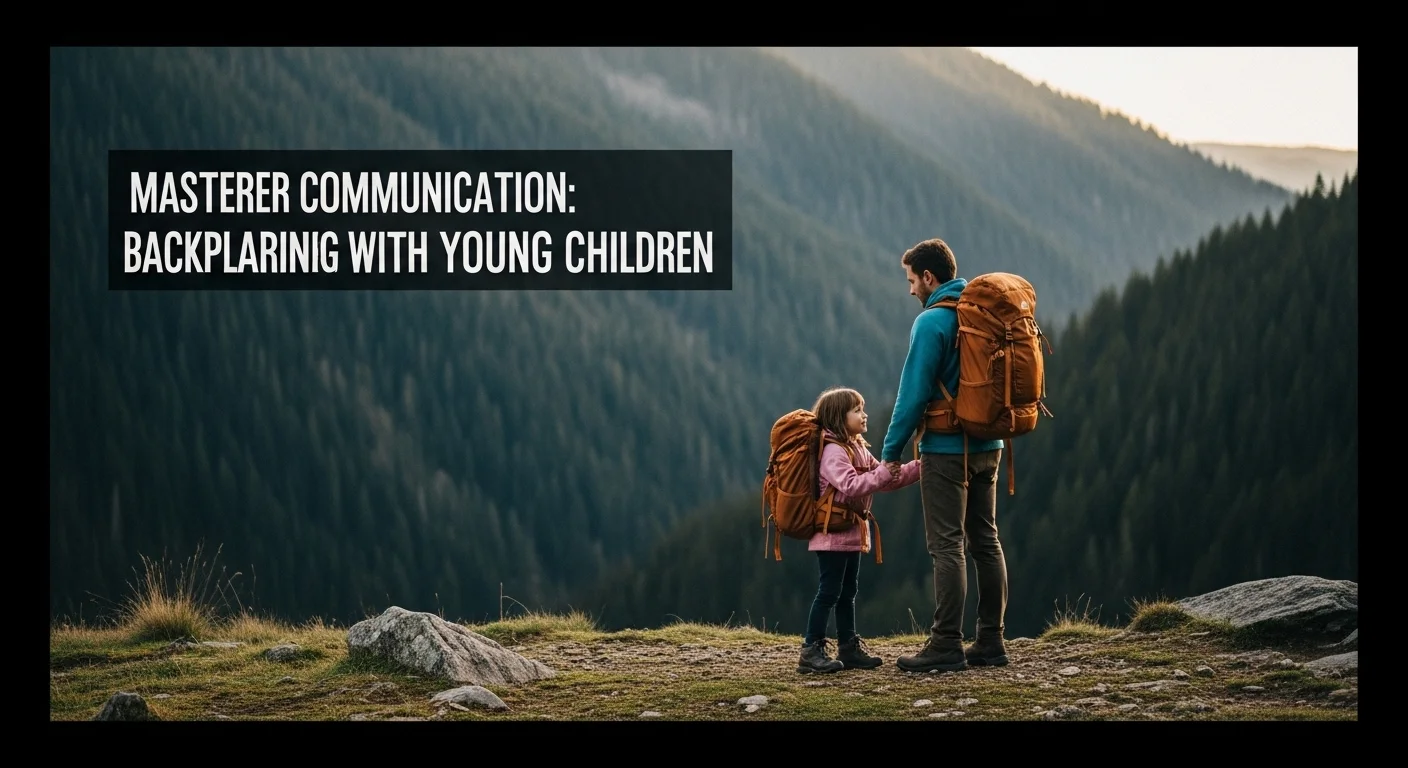
Backpacking with young children is an incredible adventure, filled with laughter, learning, and sometimes a bit of chaos. Mastering communication is key to making this experience enjoyable for everyone involved. For more insights on this topic, check out Budget Backpacking with Toddlers: Tips for Communication Skills.
Understanding Communication Basics with Young Children
The Importance of Effective Communication
When I first started backpacking with my little ones, I quickly realized that communication was the heart of our adventure. Effective communication helps us connect, understand each other’s feelings, and navigate challenges together. I found that when I took the time to explain things clearly and listen to their thoughts, our trips became more enjoyable and memorable. For instance, I remember one trip when my child was upset about the long hike ahead. By simply talking through it and explaining what we would see along the way, their mood completely shifted, and we ended up having a fantastic day! I believe that by mastering communication, we can create a supportive environment that allows our children to thrive in these outdoor settings.
Age-Appropriate Language and Concepts
Communicating effectively with young children means using language they can understand. I learned this the hard way when I tried to explain the gear we were using on our first backpacking trip. Words like “hydration pack” and “compression sack” went right over their heads! Instead, I switched to simpler terms like “water backpack” and “small bag for clothes.” This made a world of difference. I think it’s crucial to gauge their understanding and adjust your words accordingly. Short sentences and clear instructions are often best. For example, instead of saying, “We need to set up our tent now,” I found it more effective to say, “Let’s put our tent up so we can have a cozy place to sleep!”
Preparing for Your Backpacking Trip
Choosing the Right Destination
Picking a suitable destination for backpacking with young children is essential. I used to think that the longer and more challenging the trail, the better the adventure. However, I quickly learned that the best trips are often the ones that are age-appropriate and manageable. We started opting for shorter, less strenuous trails that offered plenty of opportunities to explore nature. I remember planning a trip to a local state park with lots of streams and interesting wildlife. The kids were excited to discover frogs and butterflies, which kept their spirits high. I recommend considering factors like distance, terrain, and the availability of rest spots when choosing your destination. For more tips, check out Backpacking with Toddlers: Mastering Emotional Ups and Downs.
Involving Children in Trip Planning
One of my favorite strategies is involving my children in the trip planning process. I find that when they’re part of the decision-making, they feel more invested in the adventure. We sit down together and look at maps, discussing potential trails and what we might see along the way. I remember one time when we discovered a trail that led to a waterfall. My kids were over the moon, and their excitement made the trip all the more special. Allowing them to help pack their gear also empowers them. I encourage them to bring their favorite snacks, toys, or books, which makes them feel like they have a stake in the journey.
Packing Essentials for Young Children
Packing for young children can feel like a daunting task. I remember my first few trips where I ended up with way too much stuff! Over time, I learned to pack smart instead of just packing a lot. I recommend involving your kids in this process, too. Let them pick out their own clothes and gear. This not only ensures they have what they want but also teaches them about the importance of packing effectively. I found that a lightweight backpack with their favorite snacks, a water bottle, and a small toy or book keeps them happy on the trail. Additionally, I always bring a first-aid kit, sunscreen, and insect repellent, as these essentials can make a big difference in our comfort during the trip.
Communicating Before and During the Trip
Setting Expectations: What to Discuss with Kids
Before we hit the trail, I find it incredibly helpful to set clear expectations with my kids. I remember a trip where I didn’t properly explain what a backpacking day would look like. We packed up our gear and headed out, but when my little one realized we wouldn’t be back until later, tears started flowing. That’s when I learned the importance of preparation. Now, I make it a point to talk through the day’s itinerary: how long we’ll hike, the sights we’ll see, and the breaks we’ll take. I even include a few fun facts about the trail or animals we might encounter to spark their interest. This way, they know what to expect and can look forward to the adventure ahead, rather than feeling overwhelmed by the unknown.
Using Visual Aids and Storytelling
Incorporating visual aids has been a game-changer for my family. I discovered that showing my kids maps or pictures of the destination helps them visualize the journey. When we plan our hikes, I often print out pictures of the plants and animals we might see. I remember one trip to a national park where we looked at photos of local wildlife. My kids were so excited to spot a deer or a hawk because they felt like they were on a treasure hunt! Additionally, I love weaving stories into our hikes. As we walk, I might tell tales of explorers or adventurers who roamed the same trails. It keeps them engaged and encourages their imaginations. Storytelling transforms the hike from just a walk to a grand adventure.
Encouraging Questions and Active Participation
Encouraging my kids to ask questions during our trips has made a huge difference in how engaged they are. I remember hiking once when my youngest kept asking, “What’s that noise?” rather than ignoring her curiosity, I took the time to pause and listen. It turned out to be a woodpecker, and we spent a delightful few minutes watching it. I believe that fostering this curiosity not only enhances our experience but also strengthens our bond. I make it a point to invite questions regularly, whether it’s about the trail, the animals, or even how we’re navigating. I’ve found that this active participation makes them feel valued and part of the adventure, which is essential for their development.
On the Trail: Strategies for Effective Communication
Using Simple Instructions and Directions
Once we’re on the trail, I’ve learned that simple and clear instructions go a long way. When my kids were younger, I would give lengthy directions, thinking it would help them understand better. Instead, I found that short, direct statements worked wonders. For example, instead of saying, “Let’s walk a little faster so we can reach the overlook before lunch,” I simply say, “Let’s pick up the pace!” It’s amazing how much more responsive they are to straightforward commands. This approach reduces confusion and keeps us moving efficiently, allowing more time to enjoy the scenery.
Encouraging Young Kids to Express Their Needs
I’ve also made it a priority to encourage my kids to express their needs on the trail. There was a time when one of my children hesitated to speak up about feeling tired or hungry. I realized I needed to create a safe space where they felt comfortable sharing these feelings. I regularly check in with them, asking if they need a break or if they’re thirsty. I always remind them that it’s okay to say when they’re feeling uncomfortable. This communication has helped us avoid meltdowns and ensured everyone enjoys our time outdoors. I emphasize that being open about their feelings is important for our adventures together.
Maintaining Attention and Focus in Nature
Nature can be full of distractions, which makes maintaining focus a challenge. I’ve found that engaging them with interactive activities helps keep their minds on the hike. For instance, we often play games like “I Spy” or “20 Questions” while we walk. These games not only keep their attention but also make the journey more enjoyable. I remember one hike where we spotted various types of plants and animals, and we turned it into a friendly competition of who could identify the most. By keeping the atmosphere playful, we maintain focus while enjoying our surroundings. I believe this balance is key to creating lasting memories on the trail.
Handling Challenges: Communication in Difficult Situations
Managing Frustration and Disappointment
No matter how well we plan, there will inevitably be bumps along the way. During one trip, we encountered a sudden rainstorm that cut our hike short. I noticed my kids’ faces fall as they realized they wouldn’t get to see the waterfall we had been looking forward to. I took a moment to acknowledge their feelings, saying, “I know you’re disappointed. I am too. But let’s think of some fun things we can do instead!” By validating their emotions and shifting the focus to alternative activities, I helped them cope with the disappointment. I’ve realized that being open about setbacks and working together to find solutions is crucial for turning a negative experience into a positive one.
Communicating Safety Rules and Boundaries
Safety is always at the forefront of my mind when we’re out in nature. Before heading out, I make it a point to go over safety rules, like staying on the trail and what to do if they get lost. I remember the first time I took my kids on a more challenging trail; I made sure to talk through every potential danger. I used simple language and scenarios they could understand. I even created a fun little rhyme to help them remember the rules. This approach made it easy to recall what to do in different situations. I believe that clear communication about safety helps instill confidence in them while exploring the great outdoors.
Addressing Fears and Anxieties
It’s natural for kids to have fears, especially when venturing into the wild. I’ve encountered moments where my child felt anxious about the dark woods or strange noises. Instead of dismissing their fears, I take the time to talk about them. We discuss what makes them nervous and why. I’ve found that sharing my own experiences of being scared while hiking helps normalize their feelings. We often come up with solutions together, like sticking close to the trail or making noise to ward off any potential surprises. By addressing their anxieties directly and offering reassurance, I help them build resilience for future adventures.
Engaging Activities to Enhance Communication Skills
Games and Activities for Team Communication
One of the best ways I’ve found to enhance communication with my kids while backpacking is through games and activities that require team effort. While hiking, we often play games that encourage listening and collaboration. One of our favorites is a scavenger hunt where I call out items to find along the trail, like a specific leaf or a unique rock. This game not only keeps them engaged but also boosts their observational skills. I remember one hike where we spotted a rare bird because we were all on the lookout for things on our list. It felt great to work together, and it made the hike feel more like a fun mission rather than just a walk. I believe that these little games foster a sense of teamwork and make everyone feel included in the adventure.
Storytelling Sessions Around the Campfire
At the end of a long day on the trail, gathering around the campfire for storytelling is something I cherish. It’s a wonderful way for us to unwind and share our experiences. I encourage my kids to take turns sharing their own stories, whether about their day on the trail or a completely imaginary tale. I remember one night, my youngest spun an elaborate story about a friendly bear who helped lost hikers find their way home. It sparked joy and laughter, and it was amazing to see how engaged they all were in storytelling. I also share stories of my own adventures or tales from books we love. This time not only strengthens our communication skills but also helps them practice expressing their thoughts and creativity. Plus, there’s something magical about stories under the stars that makes our time together so special.
Journaling and Reflection Exercises
I’ve introduced journaling as a way for my kids to express their feelings about our trips, and it’s been enlightening. After hiking, we sit down together and take some time to write or draw in our journals. I encourage them to reflect on what they enjoyed, what they learned, and even what challenged them during the hike. I remember during one trip, my child wrote about feeling scared when we heard a sudden noise in the woods but also how proud they felt for talking about it. Reflecting like this not only helps them process their experiences but also opens up conversations about their emotions and thoughts. I’ve found that this practice has deepened our family bond and improved their ability to articulate feelings and experiences. Plus, it’s wonderful to look back at these journals and see how much they’ve grown! For additional insights, consider reading Backpacking with Kids: Boosting Toddler Social Skills.
Post-Trip Communication: Reflecting on the Experience
Discussing Highlights and Lessons Learned
After each backpacking trip, we make it a point to sit down and discuss the highlights and the lessons we learned along the way. I believe this reflection is crucial for our growth as a family and as adventurers. We often reminisce about the fun memories, like spotting that rare bird or the silly moments when one of them tripped over a root. This not only brings back the joy of the adventure but also reinforces positive experiences. I also encourage them to share what they learned, whether it’s about nature, navigating the trails, or even dealing with challenges. I remember after one trip where we faced a steep climb, my child proudly stated, “I learned that I can do hard things if I keep trying!” This kind of reflection helps build their confidence and encourages them to embrace challenges in the future.
Encouraging Feedback and Future Planning
Encouraging feedback is another essential part of our post-trip communication. I ask my kids what they liked and what they might want to change for our next adventure. This has led to some insightful conversations. For instance, during one discussion, my child mentioned that they wished we could bring their friend along next time. This sparked a great conversation about how to plan a trip that includes more friends or even what new destinations we might explore together. I find that involving them in future planning makes them feel valued and heard, enhancing their enthusiasm for our next outing. By considering their feedback, we work together to create experiences that everyone will enjoy, making our trips more meaningful and exciting.
Maintaining Open Lines of Communication
Finally, I believe that maintaining open lines of communication throughout the year is essential, not just during our trips. I try to keep the conversation about our adventures alive by sharing stories, looking at photos, and even discussing ideas for our next backpacking trip during dinner. I’ve set up a family adventure board where we can pin ideas for locations, activities, and things to pack, which keeps our excitement going. By fostering this ongoing dialogue about our love for the outdoors, I help my kids feel more connected to nature and their experiences. It’s a way for us to relive those beautiful memories and keep the spirit of adventure alive in our everyday lives.
Frequently Asked Questions
What is the importance of effective communication when backpacking with young children?
Effective communication helps connect and understand each other’s feelings, making the adventure more enjoyable and memorable. It allows parents to explain things clearly and listen to their children’s thoughts, creating a supportive environment.
How can I communicate age-appropriate language and concepts to my children?
Use simple terms that children can understand. Instead of complex jargon, opt for easy-to-understand phrases. For example, refer to a “hydration pack” as a “water backpack” to ensure clarity.
What factors should I consider when choosing a backpacking destination for young children?
Consider the distance, terrain, and availability of rest spots. Opt for shorter, manageable trails that offer opportunities for exploring nature, which keeps children engaged and excited.
How can I involve my children in the trip planning process?
Involve your children by discussing potential trails and sights on maps together. Allow them to help pack their gear and choose snacks or toys, which makes them feel invested in the adventure.
What essentials should I pack for young children on a backpacking trip?
Pack a lightweight backpack with their favorite snacks, a water bottle, and a small toy or book. Additionally, include a first-aid kit, sunscreen, and insect repellent for comfort and safety.
How can I set expectations with my kids before a backpacking trip?
Discuss the day’s itinerary, including how long you’ll hike, what sights to expect, and planned breaks. Sharing fun facts about the trail or wildlife can also spark their interest and excitement.
What strategies can I use to encourage my kids to express their needs on the trail?
Create a safe space for your children to share their feelings by regularly checking in with them. Encourage them to express when they are tired or hungry to ensure everyone enjoys the trip.
How can I handle challenges and disappointment while backpacking?
Acknowledge your children’s feelings during setbacks and encourage them to think of alternative activities. This helps them cope with disappointment and turns a negative experience into a positive one.
What activities can enhance communication skills while backpacking?
Engage in team games, storytelling sessions around the campfire, and journaling exercises to boost communication. These activities facilitate expression and deepen family bonds.
How can I maintain open lines of communication with my children after a backpacking trip?
Discuss the trip highlights, encourage feedback for future planning, and share stories or photos during family time. Keeping the conversation going helps maintain excitement for future adventures.